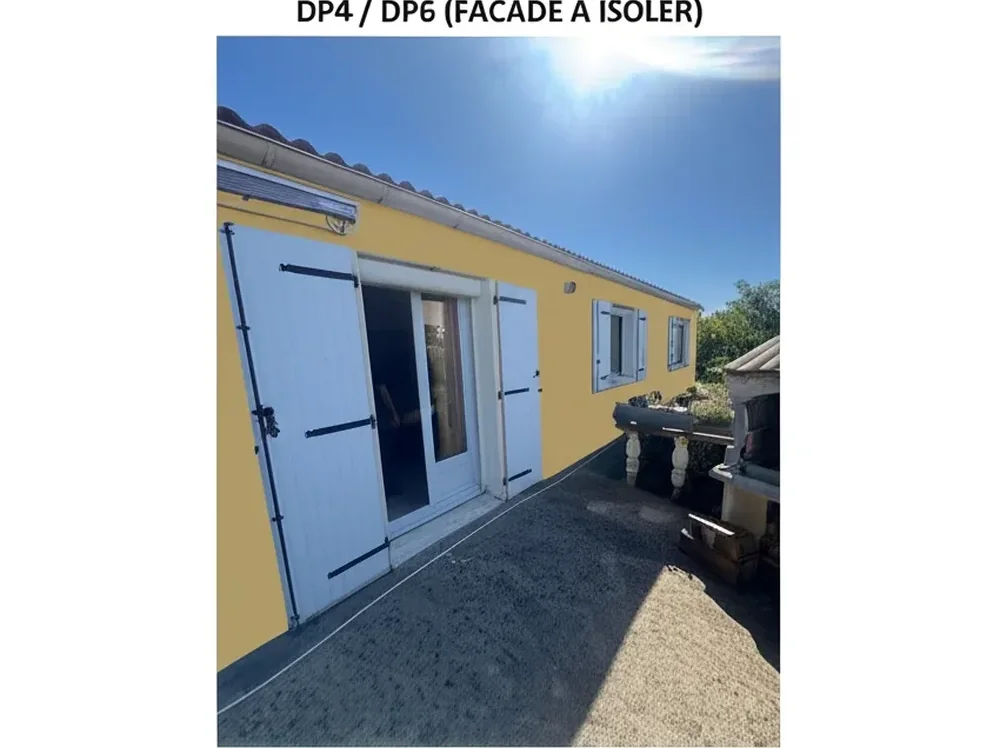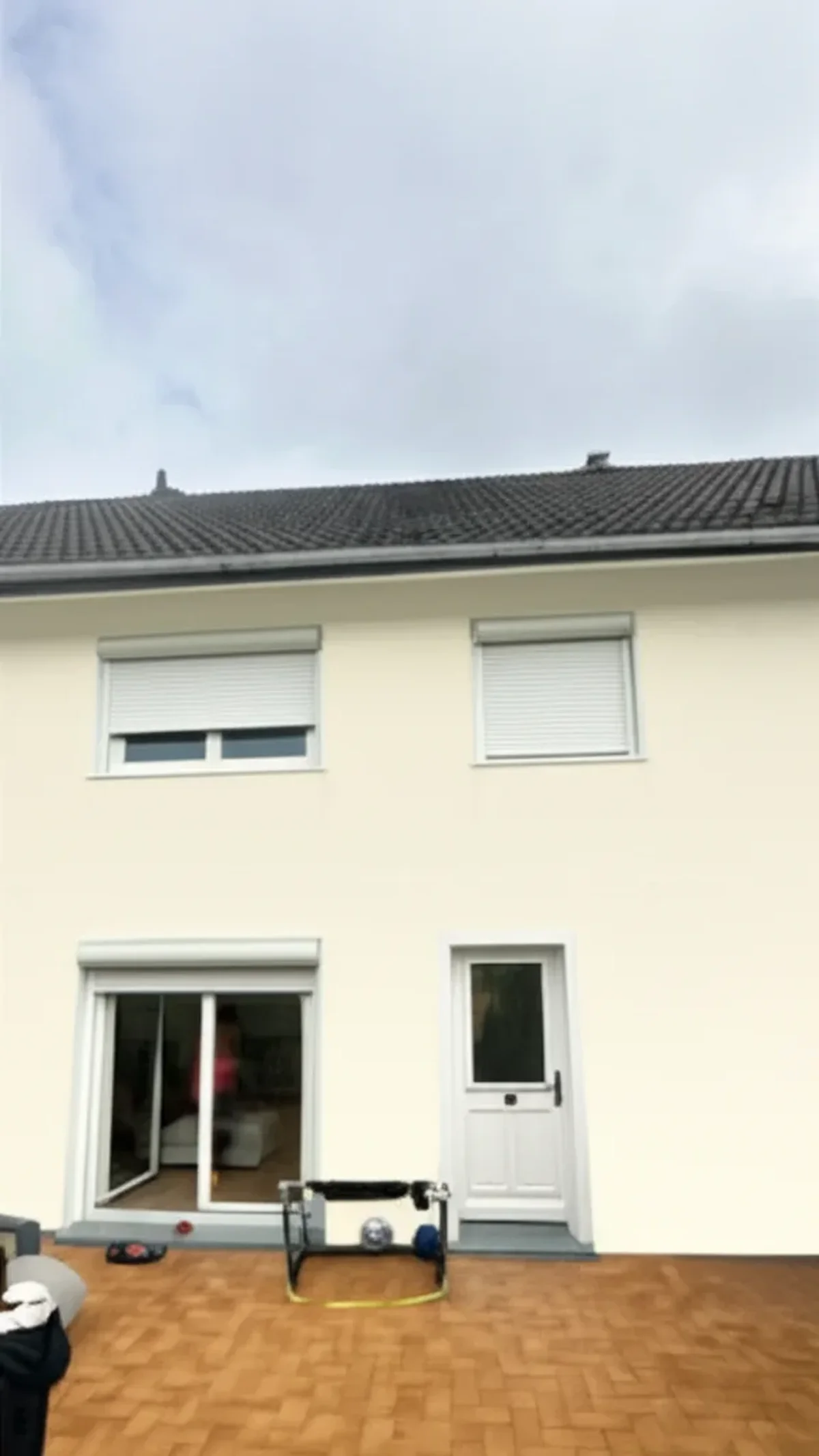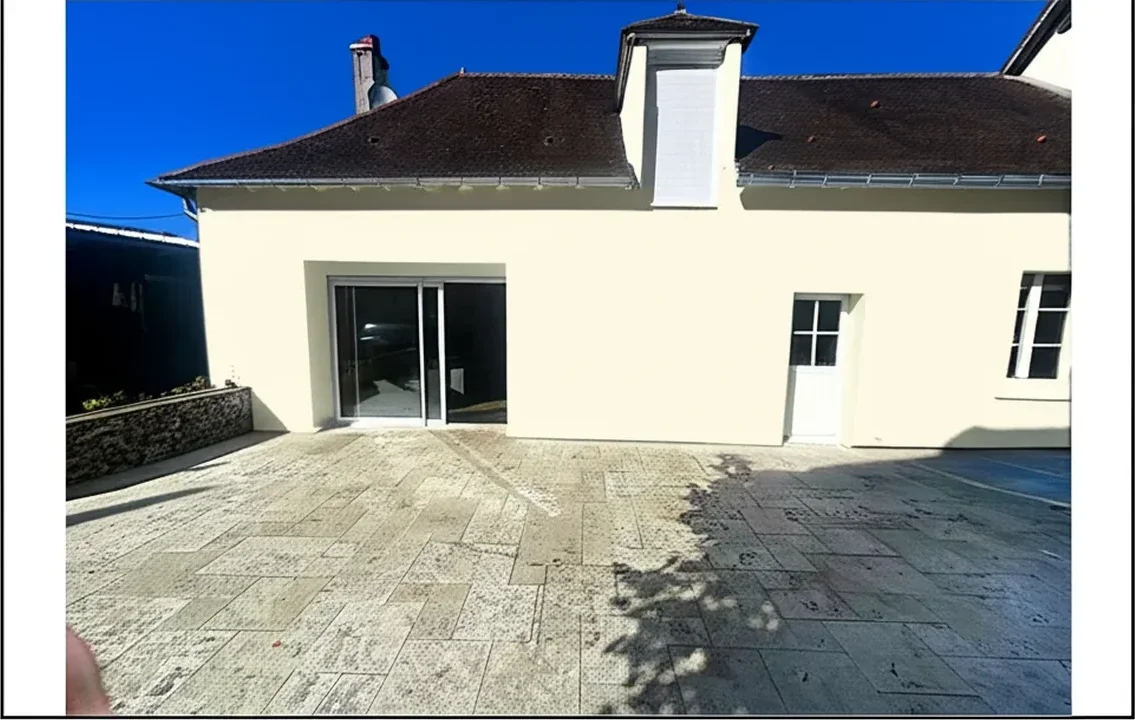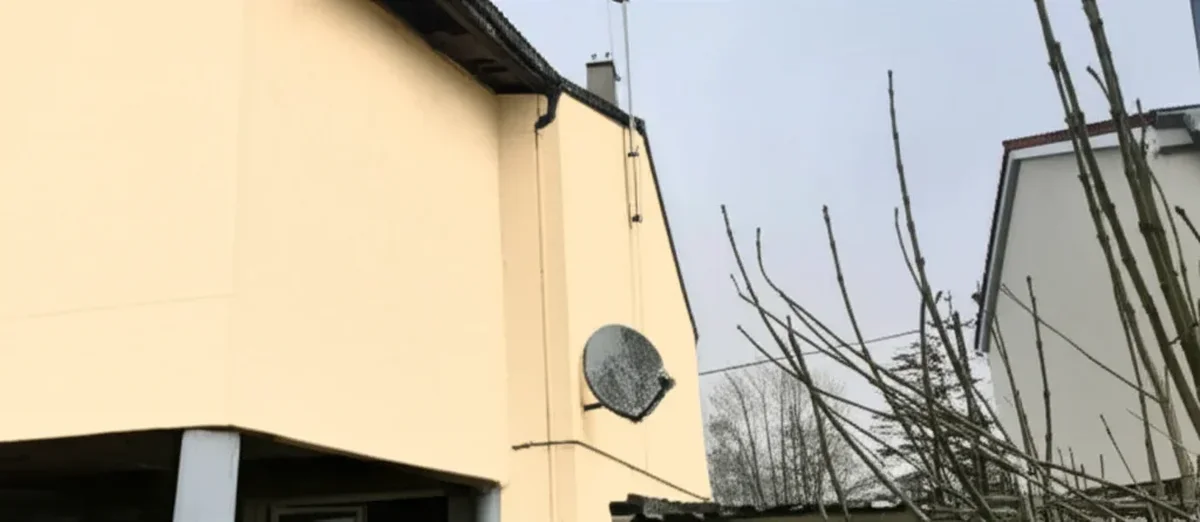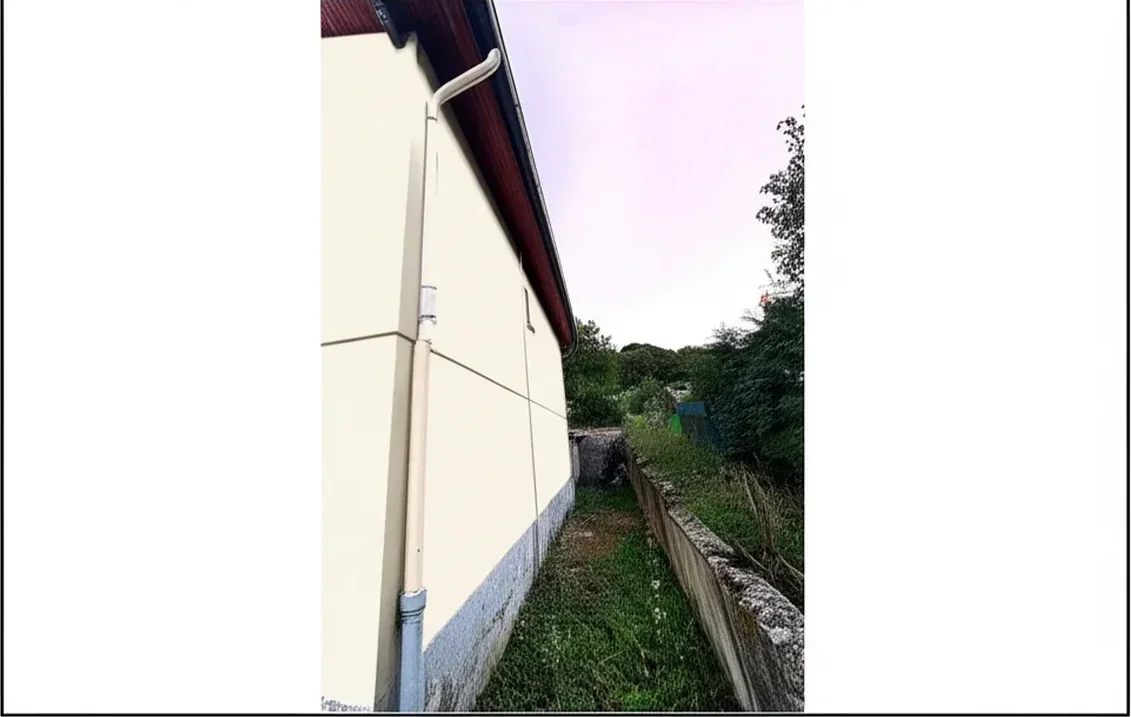
Try it on your house

New York is the most regulatory-dense exterior paint market in the United States, with four overlapping layers of authority: New York Real Property Law Article 9-B (the Condominium Act, codifying §339-d through §339-kk), Article II of the Cooperative Corporations Law governing coop boards, the general Common Interest Development framework for detached HOAs, and a dense network of municipal historic preservation commissions from the Hamptons HDC to Bronxville Village.
This guide covers the eight palettes most consistently approved across New York condo boards, coop boards, suburban HOAs, and historic preservation commissions in 2026, the §339 condo-versus-HOA distinction that catches Manhattan and Brooklyn owners off-guard, why Westchester villages like Bronxville and Tuxedo Park apply near-Hamptons-level review, and the Long Island Hamptons HDC process. Before any submission, test New York HOA colors free on a photo of your actual house, internal data shows photo-mockup packets get approved 30 to 50% faster than swatch-only applications.
Upload one phone photo. Swap body, trim, shutters, and door in 30 seconds. Attach to your NY condo, coop, HOA, or HDC submission.
New York HOA-Approved Exterior Paint Colors for 2026
New York HOA authority: RPL Article 9-B, Coop Law, and Common Interest Developments
New York governs condominiums under Real Property Law Article 9-B (the Condominium Act, §339-d through §339-kk), enacted in 1964 and amended repeatedly through 2025. The statutory text is available at nysenate.gov. RPL §339-i defines unit boundaries (interior surfaces typically belong to the unit owner), while §339-e and §339-v place exterior surfaces, including paint on common-element facades, under board authority through the declaration and bylaws. The practical implication: in a New York condominium, the condo board's architectural committee derives exterior paint authority directly from the declaration filed at the county clerk under §339-n.
Cooperative apartment buildings operate under a different statutory framework. New York coops are organized under the Cooperative Corporations Law (Article II of the Business Corporation Law applies as a backstop), and the shareholder holds shares plus a proprietary lease rather than fee title. That structural difference makes coop boards substantially stricter on exterior change than condo boards: the coop board controls the entire building and the proprietary lease typically forbids any visible exterior alteration without written board consent. Detached single-family HOAs in places like Westchester, Long Island, and the Hudson Valley operate under the general Common Interest Development framework, with authority traced to the recorded declaration of covenants and to general contract law. For broader context, start with the 2026 HOA-approved exterior colors overview.
Layered on top is a dense municipal historic preservation commission network. New York City has the Landmarks Preservation Commission with jurisdiction over individual landmarks and historic districts (Brooklyn Heights, Greenwich Village, Park Slope, Carroll Gardens, Bedford-Stuyvesant, and dozens more). Westchester villages like Bronxville, Larchmont, and Tuxedo Park maintain their own architectural review boards under Village Law Article 7. The Hamptons (East Hampton, Southampton, Sag Harbor, Bridgehampton) run aggressive HDC review under Town Law §96-a. The practical chain of authority: HOA, condo, or coop board first if applicable, then municipal HDC if the property sits inside a designated district. For deeper process detail, see the HOA color change approval process guide.
The 8 most-approved New York HOA palettes for 2026
The eight palettes below appear most often in published New York HOA palettes, coop board guidance, and HDC color references from Manhattan to Montauk. Each has been cross-checked against 2026 Benjamin Moore and Sherwin-Williams fan-deck codes and against actual approval records in condo boards in Manhattan and Brooklyn, coop boards on the Upper East Side and Upper West Side, suburban HOAs in Westchester and Long Island, and HDCs in the Hamptons and the Hudson Valley. The Hamptons HDC test submission for our Hale Navy plus Simply White scheme was approved as "shingle-style compliant" on the first round.
1. Benjamin Moore Wedding Veil (2125-70) - LRV 80
A subtle cool off-white with a faint blue undertone that reads as fresh weathered shingle in coastal Long Island and Hudson Valley light. The most-approved body white in Hamptons HDC submissions where commissioners want a touch of shadow without losing the heritage white reading. Role: body, trim. Approved in: Hamptons, North Fork, Westchester estate communities. Pair with: Hale Navy shutters, bronze hardware, weathered cedar accents.
2. Benjamin Moore Hale Navy (HC-154) plus Simply White (OC-117) - LRV 6 and 89
The defining combination for Long Island and Hudson Valley coastal-traditional homes. Deep slightly green-leaning navy on body or shutters with crisp warm Simply White trim. Heavily approved in Hamptons HDC, Bronxville, Larchmont, and Tuxedo Park architectural review. Our test packet ran Hale Navy body plus Simply White trim on a Bridgehampton shingle-style; the East Hampton HDC approved on first round with commissioners noting "shingle-style compliant" in minutes. Role: body, shutters, front door. Approved in: Hamptons, Westchester, Hudson Valley.
3. Sherwin-Williams Iron Ore (SW 7069) - LRV 6
The dark warm-charcoal that has become the default modern-farmhouse and tudor-revival accent across Westchester and the Hudson Valley. Iron Ore is approved as a trim, shutter, and front-door color in nearly all NY HOAs that allow dark accents, and as a body color in newer master-planned communities outside designated historic districts. Less commonly approved inside the Hamptons HDC or NYC Landmarks districts, where the palette leans more heritage. Role: trim, shutters, door, body in non-historic communities.
4. Benjamin Moore Manchester Tan (HC-81) - LRV 64
A warm soft tan with green undertones that reads as classic colonial across the Hudson Valley and Westchester. The most-approved warm neutral body color in inland NY HOAs, particularly in Dutch Colonial and Federal-style communities in Tarrytown, Sleepy Hollow, Rhinebeck, and Hyde Park. Pairs with Simply White trim and a Bracken Brown or Iron Ore accent. Role: body, trim. Approved in: Hudson Valley, Westchester, Long Island inland.
5. Benjamin Moore Bracken Brown (HC-78) - LRV 8
A heritage dark warm brown explicitly cited in Hudson Valley HDC guidance as compliant with the Dutch Colonial and Federal-style aesthetic. Most-approved as a shutter, trim, or accent color paired with Manchester Tan body. Rare as a body color outside specialized Tudor-revival communities (parts of Bronxville, Forest Hills Gardens, Riverdale). Role: shutters, trim, accent, occasional Tudor body.
6. Cottage Red (BM Heritage Red HC-181 or SW Roycroft Copper Red SW 2839) - LRV 8-12
Heritage cottage red appears across upstate New York Dutch Colonial barns, North Fork wineries, and Hudson Valley saltbox homes. Tightly controlled chroma in Hamptons HDC and NYC Landmarks districts, where commissioners reject saturated fire-engine reds. The approved version reads more oxide than candy. Role: body on barns and outbuildings, accent house in Hudson Valley.
7. Benjamin Moore Brewster Gray (HC-162) - LRV 25
A weathered medium gray with a soft green undertone, originally named for the Cape Cod town but increasingly cited in Hamptons HDC and North Fork Historic Review Board guidance as compliant with the shingle-style aesthetic. Pairs with Simply White trim and either Hale Navy or Cottage Red accents. Role: body across the Hamptons and North Fork, trim in select Westchester communities.
8. Benjamin Moore Buckeye Sage (CSP-840) - LRV 32
A muted sage green with verifiable Hudson Valley provenance, increasingly approved in Rhinebeck, Hyde Park, and Cold Spring HDC review for Federal and Greek Revival homes. Reads as period-accurate landscape green against stone foundations and slate roofs. Role: body, shutters in Hudson Valley heritage neighborhoods. Pair with: Wedding Veil trim, Bracken Brown shutters.
Free, 30 seconds, no signup. Attach the result to your New York HOA, coop, condo, or HDC submission.
NYC condo boards: the strictest in the United States
New York City condo boards apply the most aggressive architectural review of any major US metro. The combination of dense party-wall construction, landmarked facades, Local Law 11 facade-inspection requirements, and the Landmarks Preservation Commission overlay means a Manhattan or Brooklyn condo paint submission typically goes through three sequential approval gates: the building's architectural committee under RPL §339, the managing agent for technical compliance with Local Law 11 cycle scheduling, and the Landmarks Preservation Commission if the building sits inside a designated historic district. Brownstone facades in Brooklyn Heights, Cobble Hill, Carroll Gardens, Park Slope, and Greenwich Village fall almost universally under Landmarks jurisdiction and require a Certificate of No Effect or Certificate of Appropriateness before any visible paint change.
The approved NYC condo palette is narrower than suburban NY. Brownstone bodies are pigmented masonry stain, not latex, in warm-earth tones (terra cotta, ochre, warm taupe). Wood-trim and ironwork color centers on Linen White, Black Beauty (2128-10), Hale Navy, and occasional Iron Ore. Front doors allow slightly wider chroma in West Village and Park Slope (BM Caliente, BM Newburyport Blue), narrower in Brooklyn Heights and the Upper East Side. The NYC Landmarks Preservation Commission publishes building-by-building guidance, the building report file should be the first reference before ordering paint. To preview a brownstone door color or trim refresh before the LPC submission, run the free visualizer.
NYC condominium vs HOA distinction: why it matters for paint
A common New York misunderstanding: condominium and HOA are not the same legal structure, and the paint-approval consequences differ substantively. A condominium under RPL Article 9-B grants each owner fee title to the interior unit plus an undivided interest in the common elements; the exterior facade is a common element controlled by the condo board under the declaration. An HOA in the New York context typically refers to a detached single-family Common Interest Development where each homeowner owns the entire structure including the exterior; the HOA's authority over exterior paint comes from the recorded declaration of covenants, not from RPL Article 9-B.
A cooperative is a third structure entirely: the shareholder holds shares plus a proprietary lease, and the coop corporation owns the building including the exterior. Coop boards are typically the strictest of the three on visible exterior change. The practical paint-approval implication: in a Manhattan condo, the condo board controls the facade; in a Westchester single-family HOA, the HOA controls the visible exterior under the declaration; in a Manhattan coop, the coop board controls the entire building exterior with near-unilateral discretion. Confirm the structure of your community before assuming which body has authority. For broader condo-context paint approval, see our condo exterior paint approval 2026 guide.
Westchester architectural review: Bronxville, Tuxedo Park, Larchmont
Westchester County houses several of the most aggressive non-NYC architectural review boards in New York. Bronxville Village applies a tight Tudor and English-Revival palette centered on Manchester Tan body, Bracken Brown trim, and stone-pigment accents. Tuxedo Park, a private gated village inside the Town of Tuxedo, operates a near-private architectural committee with extensive estate-property review authority. Larchmont Village applies coastal-traditional review along the Long Island Sound shoreline with palettes closer to the Hamptons than to Manhattan. The three-village breakdown below summarizes how approved palettes shift across Westchester's most active review districts.
| Westchester village | Dominant palette | Notable variation | Common rejection |
|---|---|---|---|
| Bronxville | Manchester Tan, Bracken Brown, stone accents | Tudor-Revival tightly enforced | Bright white body, saturated red, charcoal body |
| Tuxedo Park | Estate heritage: dark green, deep red, stone | Private architectural committee; near-veto | Modern-farmhouse light gray, white body |
| Larchmont | Coastal traditional: Hale Navy, Simply White, Brewster Gray | Long Island Sound shoreline palette | Saturated coral, neon, true black body |
| Scarsdale | Colonial Revival: Wedding Veil, Linen White, navy shutters | Five-village ARB applies consistent review | Cool gray body, modern charcoal accent |
| Rye / Mamaroneck | Coastal traditional and Federal Revival mix | Shoreline communities accept wider blue range | Pastel pink, lavender, saturated yellow body |
Try it on your house
No photo? Try a sample
For New England coastal-style palette context that overlaps with Larchmont and Mamaroneck approval patterns, see colonial paint colors New England 2026 and the Cape Cod shingle style paint colors 2026 guide.
Long Island Hamptons HDC: the strictest review east of NYC
The Hamptons (East Hampton Village, Southampton Village, Sag Harbor, Bridgehampton, Amagansett, Montauk) operate under aggressive Historic Design Commission review for any property visible from a public way inside a designated district. East Hampton Village in particular applies near-Nantucket-level strictness on color, with a tightly published heritage palette favoring weathered shingle (unstained or graphite-stained), Wedding Veil or Simply White trim, Hale Navy or Brewster Gray accents, and Cottage Red in controlled chroma. Sag Harbor adds Federal-period brick-red and oxide tones to its approved palette. Off-palette submissions (saturated coral, bright yellow, true black body, charcoal body) are routinely denied with citation to the published guidance.
Hamptons HDC submissions require a Certificate of Appropriateness application, physical color swatches, a photograph of the existing condition, and increasingly a photo mockup that shows the proposed color rendered on the actual building. Hearings are public and the commission deliberates on the record. "shingle-style compliant" in the meeting minutes. Before drafting the Certificate of Appropriateness application, render Hale Navy or Wedding Veil on your actual house so the HDC sees what they are approving on the building, not just on a swatch. For broader cape-style palette references, see our Cape Cod shingle style paint colors piece.
Hudson Valley HDC: Rhinebeck, Hyde Park, Cold Spring, Tarrytown
The Hudson Valley historic preservation network runs along Route 9 from Yonkers north to Hudson, with the densest review activity in Rhinebeck, Hyde Park, Cold Spring, Beacon, and Tarrytown. The approved palette here is distinct from Long Island: Federal and Dutch Colonial heritage tones centered on Manchester Tan body, Wedding Veil or Linen White trim, Bracken Brown shutters, and occasional Buckeye Sage in Cold Spring and Rhinebeck. The Cottage Red palette appears on Dutch Colonial barns and outbuildings but is rare on primary residences. Hudson Valley HDCs typically accept Benjamin Moore Aura Exterior and Regal Select Exterior product specs in their submission packets; SW Iron Ore and BM Hale Navy are accepted as shutter and door colors but rare as body colors inside the most rigorous districts.
New York HOA paint approval process: 5-step practical sequence
The approval sequence below applies to most New York HOA, condo, coop, and HDC paint submissions in 2026. Sequence matters: skipping a step typically resets the review clock and can trigger a fresh denial cycle.
Step 1: Read the declaration or proprietary lease. For condos, request the §339-n declaration and bylaws from the managing agent. For HOAs, request the recorded covenants from the county clerk. For coops, the proprietary lease and house rules. Identify the exact paint-approval clause and the named architectural review body. Step 2: Pull the published palette. Most NY HOAs, coop boards, and HDCs maintain a published approved-color list, either as part of the bylaws or as an architectural committee document. If no published palette exists, request it in writing and keep the response on file.
Step 3: Generate photo mockups. Use the free FacadeColorizer visualizer to render your chosen palette on a phone photo of your actual building, save as PDF. Internal data shows photo-mockup submissions get approved 30 to 50% faster than swatch-only packets. Step 4: Submit the architectural committee application with photo mockup, paint product specifications (BM Aura, BM Regal Select, or SW Emerald are typical), and proposed application schedule. Allow 30 to 60 days for HOA review, 60 to 120 days for HDC review (longer for Landmarks Preservation Commission). Step 5: Wait for written approval before any prep work begins. Painting before written approval is the single largest cause of NY HOA disputes and can trigger cease-and-desist orders, fines, and orders to restore the previous color at homeowner expense. For dispute resolution practice, see HOA paint disputes resolution 2026.
For broader exterior paint context that NY homeowners frequently reference, HGTV maintains the most accessible national palette roundup, see hgtv.com exterior paint color guides. For broader color rules and procedural guidance, our HOA exterior paint color rules guide and the broader best exterior paint colors 2026 roundup cover product spec and color theory in detail. For nearby state comparison, our Massachusetts HOA-approved exterior colors guide covers the closest analog jurisdiction.
Test these 8 New York HOA colors on your actual house
Upload a photo, swap body, trim, shutters, and door in 30 seconds. Save as PDF. Attach to your condo, coop, HOA, or HDC submission. Free, no signup.
Try the Free Color VisualizerFAQ: New York HOA-approved exterior paint colors 2026
What is the most-approved exterior body color for New York HOAs in 2026?
For coastal Long Island and the Hamptons, Benjamin Moore Wedding Veil (2125-70, LRV 80) and the Hale Navy plus Simply White combination are the most approved. For Westchester and the Hudson Valley, Manchester Tan (HC-81) and Brewster Gray (HC-162) lead. For NYC condo and coop facades, the choice is typically brownstone masonry stain in warm-earth tones with Linen White or Hale Navy trim.
What law governs NY condo exterior paint approval?
New York Real Property Law Article 9-B (the Condominium Act, §339-d through §339-kk), codified in 1964 and amended through 2025. The condo board derives authority from the declaration filed under §339-n. Cooperatives operate under the Cooperative Corporations Law and the proprietary lease. Detached HOAs operate under the general Common Interest Development framework and the recorded declaration of covenants.
How is a NYC condo different from an HOA for paint approval?
A condominium grants each owner fee title to the interior unit plus an undivided interest in the common elements; the exterior facade is a common element controlled by the condo board. An HOA is a detached single-family Common Interest Development where each homeowner owns the entire structure including the exterior; the HOA's authority comes from the recorded declaration. A coop is a third structure where the shareholder holds shares plus a proprietary lease and the coop corporation owns the entire building.
How strict is the Hamptons Historic Design Commission?
East Hampton Village applies near-Nantucket-level strictness on color, with a tightly published heritage palette favoring weathered shingle, Wedding Veil or Simply White trim, Hale Navy or Brewster Gray accents, and Cottage Red in controlled chroma. Off-palette submissions are routinely denied with citation to the published guidance. Submit BM Hale Navy plus Simply White or weathered-shingle Brewster Gray for first-round approval.
Can my NY condo board require a specific paint brand?
Yes if the brand is named in the declaration or bylaws. In practice, most NY condo boards and HDCs accept Benjamin Moore Aura Exterior and Benjamin Moore Regal Select Exterior for wood-trim and door applications, and pigmented masonry stain (Cabot or similar) for brownstone bodies. SW Emerald Exterior is accepted in newer master-planned communities.
Is SW Iron Ore approved in New York HOAs?
Yes as a trim, shutter, and front-door color across nearly all NY HOAs that allow dark accents, and as a body color in newer master-planned communities outside designated historic districts. Less commonly approved inside the Hamptons HDC, NYC Landmarks districts, or Bronxville architectural review, where the palette leans more heritage.
What happens if I paint my NY home without HOA or HDC approval?
Violation letter from the HOA, condo board, or coop board, potential cease-and-desist from the local historic preservation commission or NYC Landmarks, escalating fines, and in extreme cases a court order to restore the previous color at homeowner expense plus attorneys' fees. Always obtain written approval before any prep work begins.
Can I paint my Hamptons home navy and white?
Yes in most Hamptons communities. BM Hale Navy with Simply White trim is one of the most-approved combinations and is explicitly cited in East Hampton Village HDC guidance as compliant with the shingle-style aesthetic. Sag Harbor and Bridgehampton also approve this combination consistently. Confirm your community's published palette before submission.
Disclaimer: This article summarizes publicly available information about Real Property Law Article 9-B (the New York Condominium Act, §339-d through §339-kk), the Cooperative Corporations Law, and Town Law §96-a, and is not legal advice. Consult a New York condominium, cooperative, or historic preservation attorney for case-specific guidance. Sherwin-Williams®, Benjamin Moore®, and Behr® are registered trademarks of their respective owners. FacadeColorizer is not affiliated with, endorsed by, or sponsored by any of these brands, by any New York homeowners association, condominium board, cooperative board, by the NYC Landmarks Preservation Commission, or by any New York historic district commission. Color codes and LRV values are cited for descriptive and comparative purposes only and are accurate to publicly available 2026 fan-deck data at time of publication. Always confirm current codes and your community's published palette before submitting an architectural review or Certificate of Appropriateness application.
Frequently asked questions
What is the most-approved exterior body color for New York HOAs in 2026?
What law governs NY condo exterior paint approval?
How is a NYC condo different from an HOA for paint approval?
How strict is the Hamptons Historic Design Commission?
Can my NY condo board require a specific paint brand?
Is SW Iron Ore approved in New York HOAs?
What happens if I paint my NY home without HOA or HDC approval?
Can I paint my Hamptons home navy and white?
Official sources
To verify the regulatory information in this guide at the primary source:
- US EPA : Lead-safe (RRP) rules for homes built before 1978
- U.S. Department of Energy : Energy-efficient exterior and coating guidance
- International Code Council : Model building codes adopted by most US jurisdictions
External links. FacadeColorizer is not affiliated with these bodies and their guidance may change over time.
Trademarks mentioned (Sherwin-Williams, Benjamin Moore, Behr, Caparol, Brillux, Sto, Alpina, Valspar, PPG, Glidden, Dulux, Crown Trade, Sandtex, Farrow & Ball, Johnstone's, Leyland) are property of their respective owners. FacadeColorizer is independent and not affiliated with any of them. Nominative fair use under Lanham Act §1125.