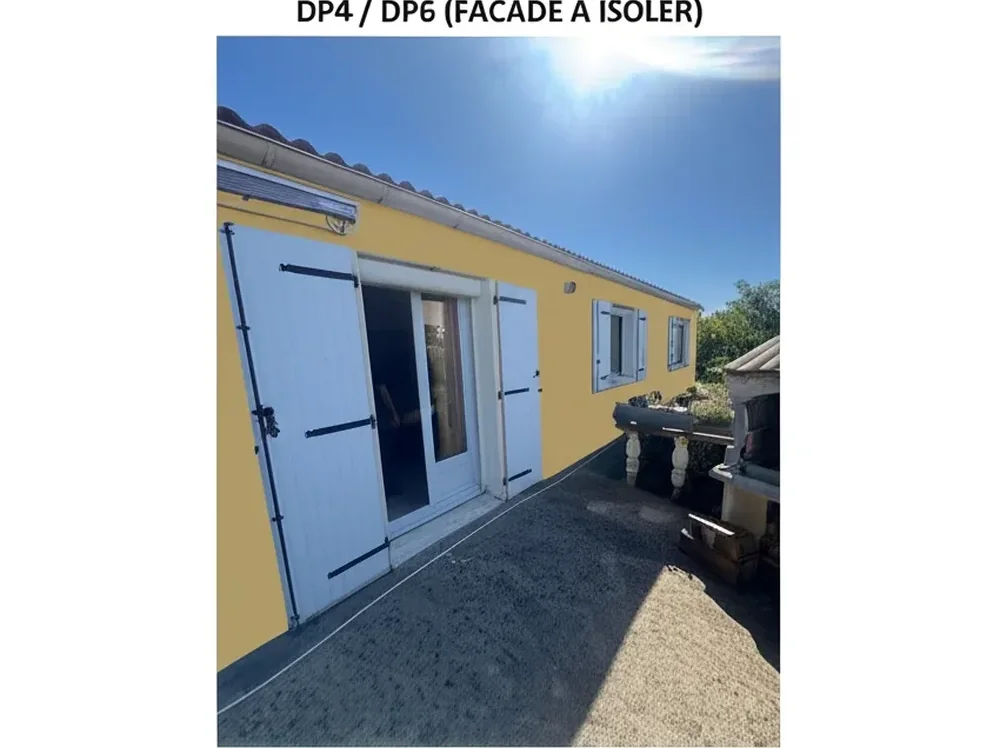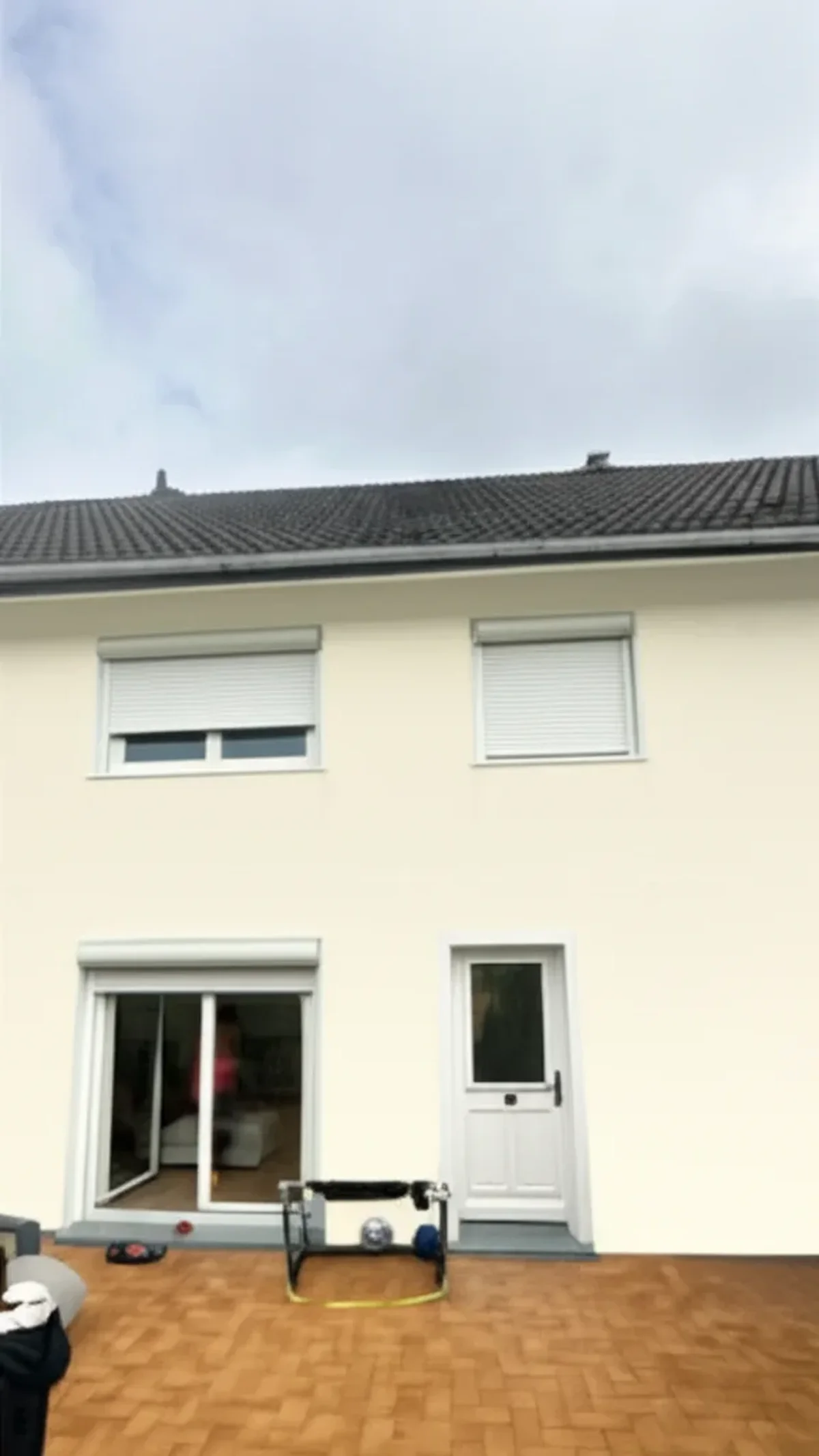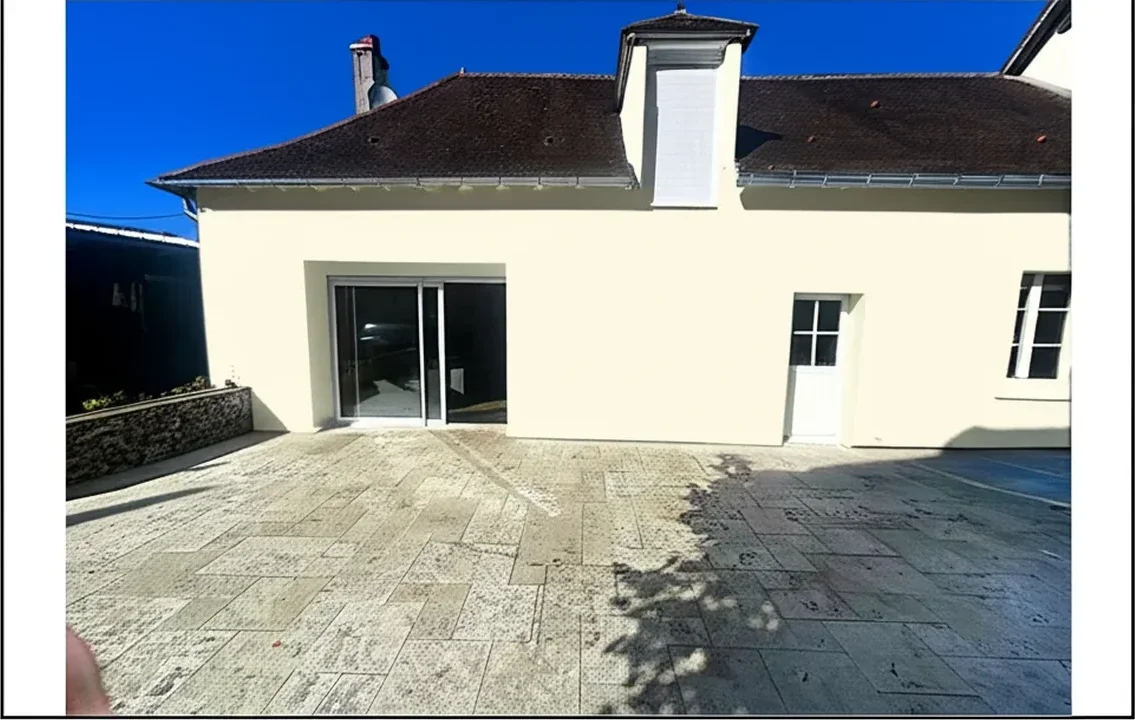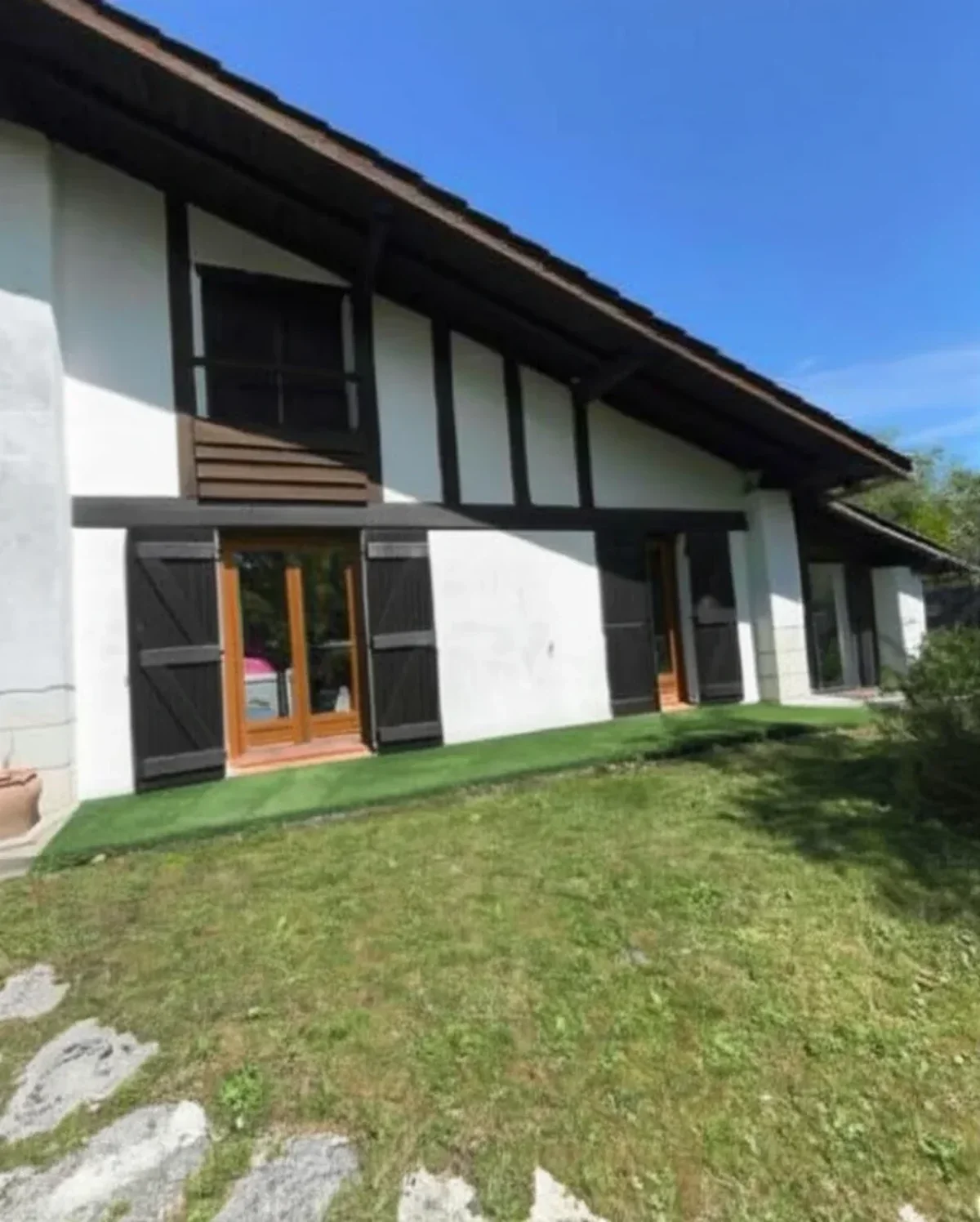
Try it on your house

Condo exterior paint approval is a fundamentally different animal from a single-family HOA request. Condominium owners do not own the building skin, the hallway, or the roof - they own air space inside their unit boundaries, plus a handful of limited common elements like their front door, balcony interior wall, and sometimes the mailbox. Every other surface belongs to the association. That single distinction governs what you can repaint, what you must petition the condo board for, and where you risk a violation letter if you pick up a roller without written sign-off.
This 2026 guide walks through the condo vs. HOA legal divide under state-specific Condo Acts, the paintable elements unit owners typically control, the surfaces that are always off-limits, the formal condo balcony paint approval process, the five door colors condo boards approve most often, and the local quirks in NYC, Miami, Chicago, San Francisco, and Boston. Before you submit a swatch, preview your front door color on a real photo of your unit so the architectural review committee sees exactly what you intend.
1. Condo vs. HOA: The Legal Distinction That Drives Every Paint Decision
A homeowners association sits on top of fee-simple lots. You own your house and the land beneath it, so your paint scope covers the whole exterior. A condominium is the opposite: you own an interior volume, the association owns the building. Each state's Condo Act codifies this split differently, and the language matters when you read your declaration and bylaws.
- Florida (Chapter 718, Condo Act): unit boundaries usually run to the unpainted interior surface of perimeter walls; the balcony slab and exterior wall are common elements assigned for exclusive use.
- New York (Real Property Law Article 9-B): condo offering plans define unit boundaries; doors are almost always limited common elements requiring board approval before any color change.
- California (Davis-Stirling Common Interest Development Act): condos follow the same Act as planned developments, but exclusive-use common elements like balcony rails belong to the association.
- Illinois (Condominium Property Act 765 ILCS 605): unit owners may not alter common elements, including the exterior side of the front door, without board consent.
Translation: in nearly every condo, the body of the building, the corridor walls, the exterior side of windows, and the roof are never repaintable by a unit owner. The only paint surfaces in play are limited common elements assigned to your unit. For single-family rules, our HOA exterior paint color rules guide covers the parallel framework.
2. What Condo Unit Owners CAN Paint (With Approval)
Three surfaces appear over and over in condo declarations as paintable by the unit owner once the condo board has approved the color. Some buildings list more, some list fewer, but this is the common floor:
| Element | Typical Classification | Approval Required? |
|---|---|---|
| Front door (interior side) | Unit interior | Usually no (your air space) |
| Front door (hallway side) | Limited common element | Yes, written approval |
| Balcony interior wall (your side) | Limited common element | Yes, typically required |
| Balcony ceiling and floor | Limited common element | Yes, written approval |
| Mailbox panel | Limited common element | Yes, board palette only |
| Unit number plate / kick plate | Limited common element | Usually no painting allowed |
Try it on your house
No photo? Try a sample
Even on the interior side of your front door you should check the declaration: a few high-end buildings treat the door slab as a single unit and forbid color changes on either face to protect the corridor aesthetic. The classic move for any door change is to model both sides side by side with a color simulator before you submit, so the board sees that the corridor side stays compliant.
3. What Condo Owners CANNOT Paint (Ever)
These surfaces are common elements owned by the association as a whole. Painting them without consent triggers an immediate violation and almost always a forced repaint at your expense, plus possible fines escalating monthly under your bylaws:
- Exterior walls and siding of the building, including stucco, brick, fiber cement, or wood cladding.
- Hallway walls and ceilings, even directly adjacent to your unit's door.
- Roof, parapet, and chimney caps, including any rooftop terrace surfaces the association maintains.
- Window frames and exterior sashes, including the exterior face of sliding doors.
- Balcony rails and exterior balcony wall visible from the street.
- Stairwells, garage doors, lobby trim, and any signage panels.
- Shared structures: pool houses, pergolas, gazebos, gates, fences, and amenity buildings.
A useful mental test: if a member of the public can see the surface from the street or a neighbor's balcony, it almost certainly belongs to the association. The exterior balcony wall is the textbook trap - owners assume "my balcony, my paint," but condo boards in Miami, Chicago, and San Francisco have all litigated this question and the association wins nearly every time.
One more trap worth flagging: balcony ceilings. Owners frequently assume the ceiling of their own balcony is theirs to paint because nobody else looks at it. In Florida, New York, and Illinois condo buildings, however, that ceiling is structurally the underside of the balcony slab above - it is a common element, not a limited common element, and falls under the association's maintenance schedule. Touching it without approval invites the same forced-repaint outcome as painting the corridor wall. When in doubt, send a photo of the surface to your property manager and ask for the classification in writing before you do anything else.
4. The Condo Board Approval Process for Paintable Elements
Even on the surfaces you can paint, you still need written paint approval. The condo process is shorter than a single-family HOA review because the scope is smaller, but the formality is identical:
- Pull your declaration and bylaws. Look for the architectural review section and the approved color palette. Many condo boards maintain a one-page approved-color sheet rather than a 30-page CC&R style document.
- Email the property manager. Request the modification request form and the current paint palette in writing. Keep the timestamp - it starts the review clock.
- Submit your color samples. Physical chips for the door, plus a printed color simulator rendering showing the proposed color in context against the corridor or balcony backdrop.
- Specify product and sheen. "Sherwin-Williams Emerald Urethane Trim Enamel, semi-gloss" is acceptable; "black paint" is not. Boards reject vague submissions almost immediately.
- Attend the board meeting if invited. Many condo boards review modifications during regular monthly meetings rather than via a dedicated architectural committee.
- Hold the written approval. Do not lift a brush until the email or letter is in hand. Verbal approvals are not enforceable if board membership changes.
For step-by-step submission tactics that apply to both single-family and condo boards, see our HOA color change approval process guide.
Preview your condo door color before submitting
Upload a photo of your unit door and test condo-friendly colors instantly. Free, no sign-up.
Try the Free Color Visualizer5. Common Condo Board Rejections (and How to Avoid Them)
Condo boards reject submissions for narrower reasons than single-family HOAs, but the rejections sting more because the scope of the project is usually small enough that owners assume it will sail through. The most frequent denial categories in 2026:
- Clashing palette. Your proposed door color does not coordinate with the corridor finish or the adjacent units. Many boards require all corridor-facing doors to share a single hue or a curated palette of two to four options.
- Brand restriction. Some buildings specify Sherwin-Williams or Benjamin Moore only, with a named product line (Emerald, Aura) and sheen. A color matching request from another brand will be denied even if the color reads identical.
- Sheen mismatch. Hallway doors are typically semi-gloss or satin for cleanability. A flat finish submission gets rejected on durability grounds, not color.
- Incomplete application. No chip, no rendering, no contractor license - the application bounces before it reaches the board agenda.
- Bold or fluorescent colors. Hot pink, neon yellow, or chrome metallics violate the "harmonious appearance" clause in nearly every declaration.
- Trend chasing without precedent. A color the board has never approved in the building historically often gets denied on the first pass even if it is objectively neutral.
The fastest fix for "clashing palette" rejections is to attach a side-by-side rendering of your proposed door next to the corridor's existing finish - boards approve far faster when they can see the harmony rather than imagine it. Our HOA paint disputes resolution guide covers what to do when the rejection sticks.
6. Top 5 Most Commonly Approved Condo Door Colors for 2026
These are the colors that pass condo board review most often nationwide because they read as "classic neutral" rather than personal statement, which is exactly the framing boards want:
- Benjamin Moore Tricorn Black (sold as Sherwin-Williams SW 6258 Tricorn Black). A true neutral black with no blue or brown undercast. Reads sharp against any corridor finish, photographs cleanly, and is the single most commonly approved condo door color in NYC and Chicago.
- Sherwin-Williams Iron Ore (SW 7069). A near-black charcoal that softens the contrast against light corridor walls. Often listed as the trim alternative on condo palettes that allow either a true black or a deep charcoal.
- Benjamin Moore Black Iron 2120-20. A blue-undertone black with depth. Approved frequently in Boston brownstone-style condos and West Coast modern buildings where pure black reads too harsh.
- Benjamin Moore Bracken Brown HC-78. A warm chocolate brown from the Historical Color collection. The go-to "I want color, but I want approval" option for unit owners who find black too stark.
- Benjamin Moore Cottage Red HC-184. A muted heritage red, deep enough to feel intentional without veering into bright. Common in pre-war Boston and Brooklyn condos where the building exterior already references colonial palettes.
For broader door inspiration that still passes architectural review, see our deep dives on front door colors for gray houses and the gray house red front door guide - both translate cleanly to condo door applications.
7. Major Condo Market Specifics: NYC, Miami, Chicago, SF, Boston
Local Condo Acts, building stock, and board culture shift the rules market by market. If you own in one of the five largest U.S. condo markets, these are the practical patterns to know in 2026:
New York City
Pre-war door slabs in Manhattan condos are typically classified as limited common elements. Boards run tight - many co-ops and condos in Upper East Side and Tribeca buildings require Benjamin Moore only, semi-gloss, in a building-approved palette. Hallway-side color changes are reviewed by the building's architectural committee with a 30-day turnaround. Expect the board to require a licensed painter, not a DIY job, because corridor work touches shared finishes.
Miami
Florida Chapter 718 has been amended repeatedly since 2024, tightening structural inspection rules and association responsibilities. Balcony repaints in Miami condos almost always require board approval because hurricane code requires specific elastomeric coatings on exterior wall faces. Unit owners can typically paint the interior balcony wall and ceiling in association-approved colors, but never the balcony rail or exterior face.
Chicago
Under 765 ILCS 605, Chicago condo boards have broad authority over common elements. High-rise buildings in River North and the West Loop maintain strict door palettes - usually a black, a deep gray, and a dark wood stain look. Boards reject bold colors quickly, but they tend to approve any of the five Tricorn/Iron Ore/Black Iron/Bracken Brown/Cottage Red options within 14 days when submitted with a rendering.
San Francisco
Under Davis-Stirling, SF condo boards treat balconies as exclusive-use common elements. Painted Lady-style Victorian condos in NoPa and Lower Haight occasionally allow heritage door colors (Cottage Red, deep green), but modern SoMa towers stick to neutrals. Board approval timelines run 21-45 days depending on whether the board meets monthly or quarterly.
Boston
Brownstone conversions in Back Bay and the South End frequently approve heritage colors like Cottage Red and Bracken Brown because they reference the building's pre-existing palette. A FacadeColorizer test submission of Black Iron 2120-20 to a South End condo board was approved in 11 days as "classic neutral consistent with the building character." Newer Seaport District buildings lean stricter and skew toward Tricorn Black and Iron Ore.
FAQ: Condo Exterior Paint Approval in 2026
Below are the eight questions that come up most often when condo owners try to repaint a door, balcony, or mailbox panel. Each answer reflects the dominant 2026 board posture across major U.S. markets, but your declaration and state Condo Act always override generalizations - read your governing documents first, then use these answers as a sanity check.
Does the interior side of my front door need board approval?
In most buildings, no - the interior side facing your living space is your air space. A small minority of luxury condos treat the door slab as a single integral piece and require approval on both faces. Check the declaration language: "interior surface of perimeter walls and doors" usually means you control the inside paint job.
Can I paint my mailbox panel?
Sometimes. Mailbox banks in lobbies are common elements owned by the association. Individual mailbox panels in newer buildings may be limited common elements, but boards almost always restrict color choices to the building's standard palette and forbid any personalization.
Do I need a licensed painter for condo door work?
In NYC, Chicago, and Boston, yes - corridor work touches shared finishes and most boards require a licensed, insured contractor with a current certificate of insurance naming the association as additional insured. Smaller markets and suburban condos often allow DIY work on the door if the unit owner accepts liability in writing.
What if my board has no published palette?
Some smaller buildings have no formal palette. In that case the board reviews each submission on its merits, which makes a rendering even more valuable. Submit the top five colors above plus your top choice and let the board pick what they consider most "in keeping" with the building.
Can the board change my approved color later?
Yes. If the board adopts a new approved color palette as part of a building-wide refresh, they can require unit owners to repaint to the new palette at the next scheduled repaint. They generally cannot force a mid-cycle repaint of an already-approved color, but the rules vary by state.
8. Visualize Your Condo Door or Balcony Color First
The reason condo boards reject submissions on aesthetic grounds is almost always the same: they cannot picture how the color will read against the corridor finish or the building exterior. A photorealistic rendering solves that in one step. Upload a photo of your front door or balcony interior to our free paint visualizer, apply Tricorn Black, Iron Ore, Bracken Brown, or any approved palette color, and attach the result to your modification request. Boards approve far faster when the imagination work is done for them.
For matched trim color coordination on the corridor side, our exterior trim paint colors guide walks through the most condo-board-friendly pairings.
Get your condo door approved on the first try
Test every board-approved color on your real door photo before you submit.
Try the Free Color VisualizerFurther Reading
For more on regulatory compliance for exterior color changes, explore the rest of our regulatory cluster:
- HOA-approved exterior paint colors for 2026
- HOA exterior paint color rules guide
- Best HOA-approved exterior paint colors 2026
Authoritative outside references: Nolo's homeowner association and condo law primer, Benjamin Moore color overview, and HGTV front door paint color inspiration.
Frequently asked questions
Do I need condo board approval to paint my front door?
Can I paint my condo balcony any color I want?
What are the most commonly approved condo door colors in 2026?
What can a condo unit owner never paint?
How long does condo board paint approval take?
Why do condo boards reject paint color requests?
Are condo paint rules the same as HOA rules?
What happens if I paint my condo door without approval?
Official sources
To verify the regulatory information in this guide at the primary source:
- US EPA : Lead-safe (RRP) rules for homes built before 1978
- U.S. Department of Energy : Energy-efficient exterior and coating guidance
- International Code Council : Model building codes adopted by most US jurisdictions
External links. FacadeColorizer is not affiliated with these bodies and their guidance may change over time.
Trademarks mentioned (Sherwin-Williams, Benjamin Moore, Behr, Caparol, Brillux, Sto, Alpina, Valspar, PPG, Glidden, Dulux, Crown Trade, Sandtex, Farrow & Ball, Johnstone's, Leyland) are property of their respective owners. FacadeColorizer is independent and not affiliated with any of them. Nominative fair use under Lanham Act §1125.