Try it on your house

If you own a home in an Ohio HOA community, choosing an exterior paint color that satisfies your architectural review committee while honoring Ohio's deep Tudor-revival, Italianate, and brick-vernacular heritage takes preparation. Ohio Revised Code Chapter 5311 (the Ohio Condominium Act) and the parallel Ohio Planned Community Law (ORC Chapter 5312) together control how associations publish, enforce, and revise approved color palettes across the Buckeye State, from Bexley and German Village in Columbus to Shaker Heights and Tremont in Cleveland, Over-the-Rhine in Cincinnati, and the historic neighborhoods of Akron. Below, you will find the eight Ohio palettes winning approval in 2026, region-by-region committee guidance, German Village historic district considerations, and a step-by-step approval workflow.
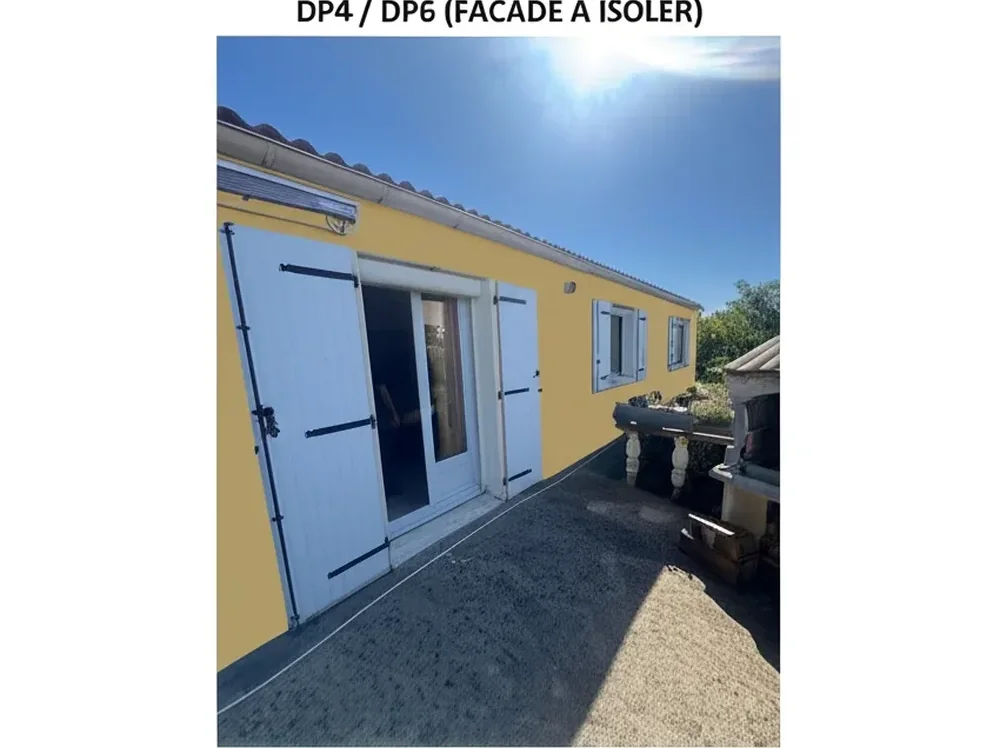
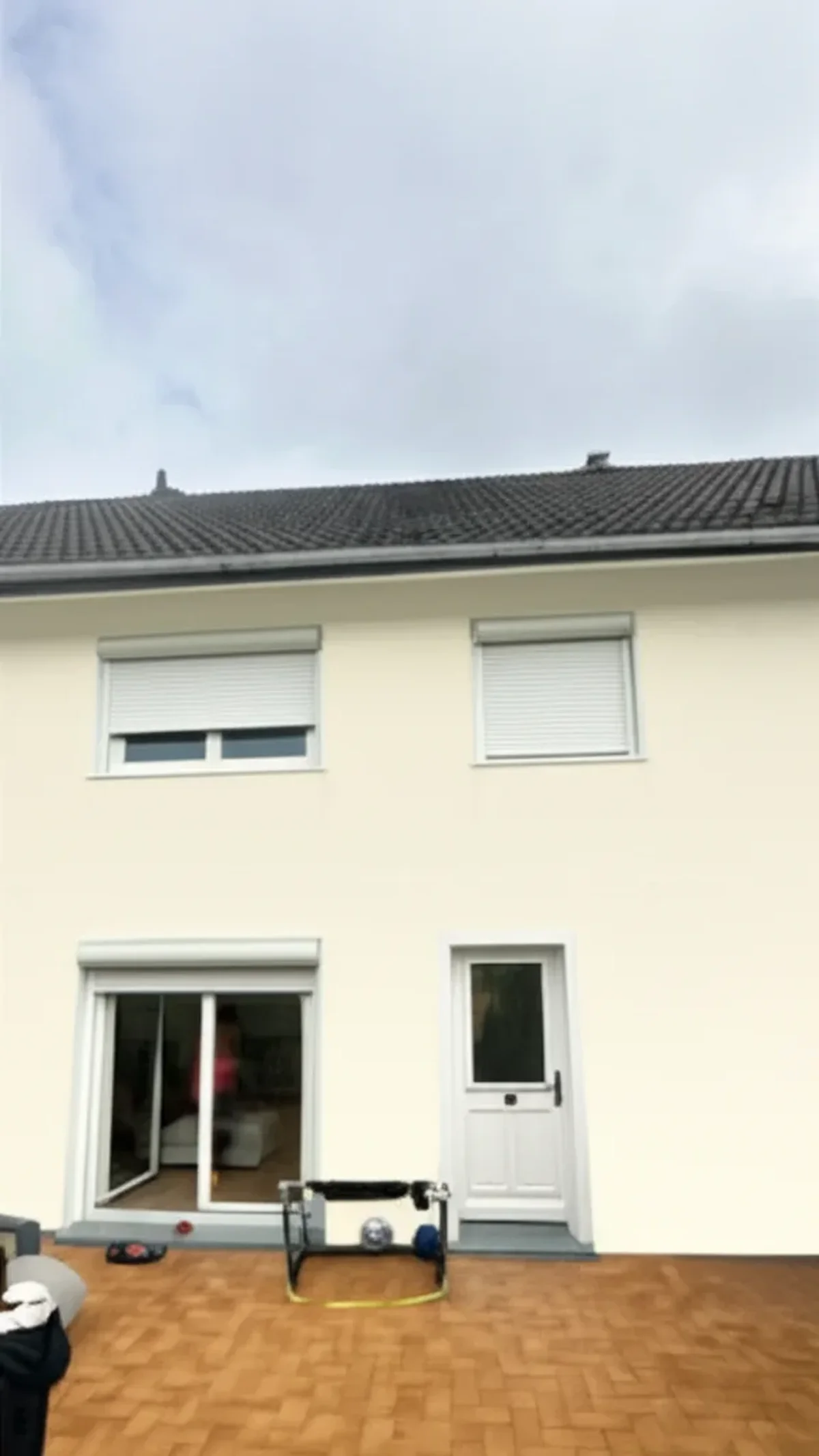
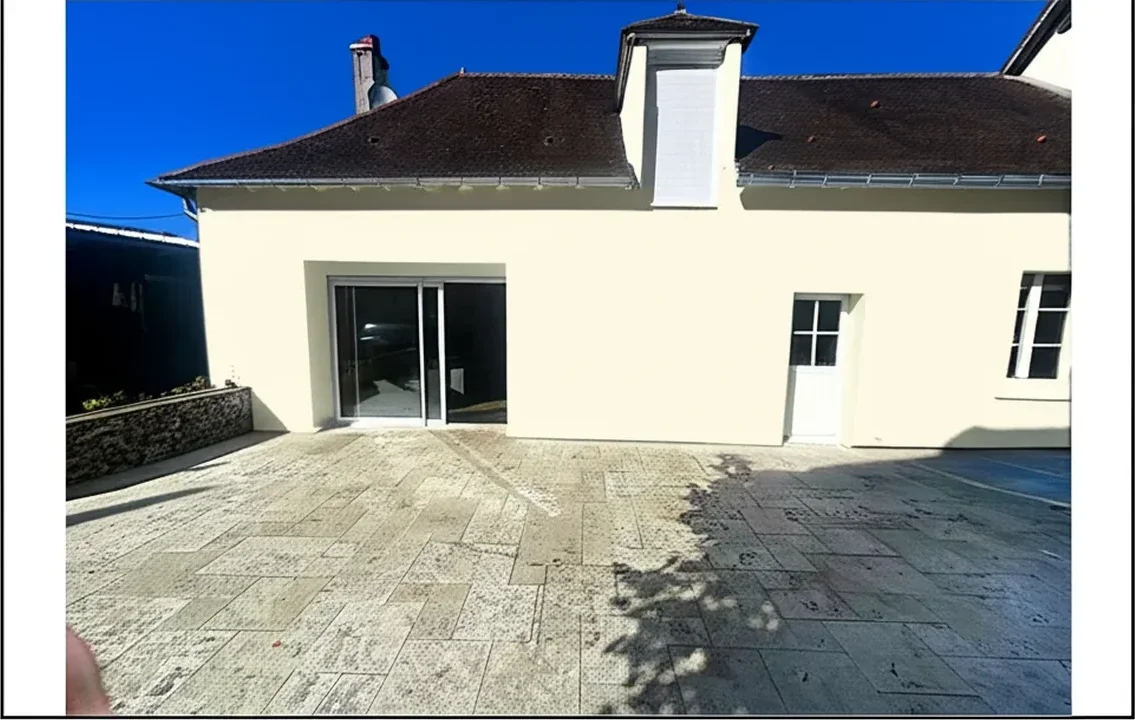
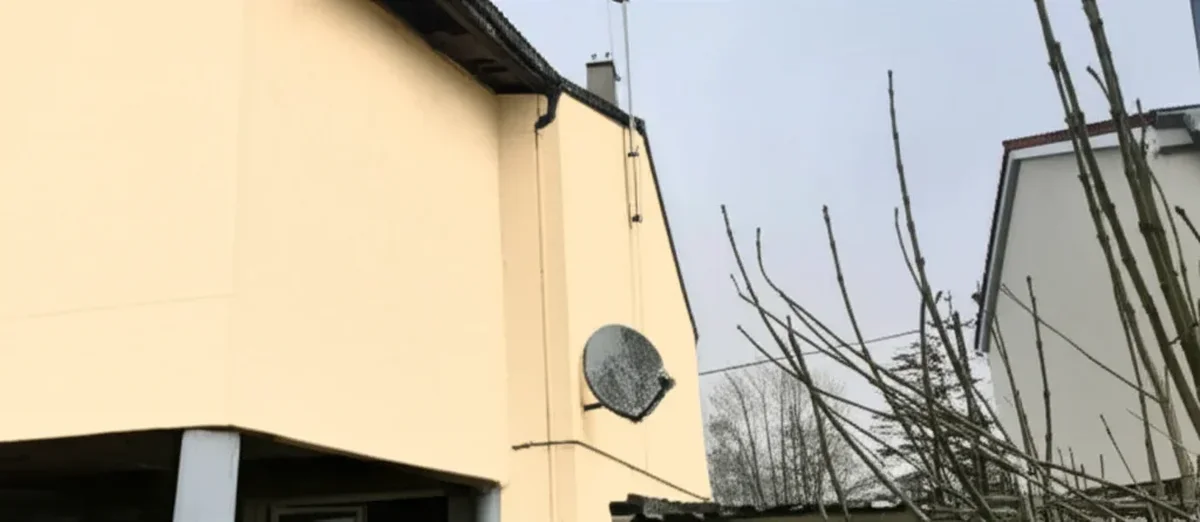
Before you submit a paint approval request to your architectural review committee, preview your color on a real photo of your home using our free AI color simulator. Ohio committees, especially in German Village and Shaker Heights, respond fastest when they can see exactly how Wedding Veil, Repose Gray, Manchester Tan, or Hale Navy will sit beside your existing brick, sandstone, or Tudor half-timbering.
ORC 5311 and the Planned Community Law: The Statutes Behind Ohio HOA Color Rules
Two Ohio statutes do the heavy lifting on HOA paint approval: the Ohio Condominium Act (ORC Chapter 5311) for condominium associations, and the Ohio Planned Community Law (ORC Chapter 5312, enacted in 2010) for traditional planned communities. Older homeowner associations created before 2010 may also rely on their original recorded declaration and covenants. Together, these statutes dictate how CC and Rs and design guidelines can restrict exterior paint colors, and how the board must publish its approved color palette and conduct architectural review.
Under ORC 5312, an Ohio HOA can require paint approval before any repainting, publish a binding color book, and issue violation notices and fines for unapproved colors. However, the statute imposes procedural duties on the board: the architectural review committee must act on a complete application within the timeline specified in its governing documents (most Ohio associations commit to 30 to 60 days), and the committee cannot deny a color request arbitrarily or for reasons not grounded in the published design guidelines.
Ohio is also home to several powerful municipal historic districts that layer on top of HOA review. In Columbus, the German Village Commission and the Italian Village Commission oversee two of the most rigorous historic-overlay zones in the Midwest. In Cleveland, the Cleveland Landmarks Commission reviews Ohio City, Tremont, and Shaker Square. In Cincinnati, the Historic Conservation Board covers Over-the-Rhine and Mt. Adams. When your home sits inside both an HOA and a municipal historic district, you typically need two parallel approvals, and the strictest set of rules controls. For the national framework, see our HOA-approved exterior paint colors guide for 2026.
Top 8 Ohio HOA-Approved Palettes for 2026
The colors below appear repeatedly on approved color palettes in those markets, balancing curb appeal, Tudor-revival and Italianate precedent, and the brick-heavy housing stock that defines Ohio architecture.
| Color | Brand / Code | Best Use | Where It Lands |
|---|---|---|---|
| Wedding Veil | Benjamin Moore 2125-70 | Body color, trim, light Italianate | German Village, Bexley |
| Repose Gray | Sherwin-Williams SW 7015 | Body color, transitional colonial | Upper Arlington, Westerville |
| Manchester Tan | Benjamin Moore HC-81 | Body color, classic colonial siding | Shaker Heights, Hudson |
| Bracken Brown | Benjamin Moore HC-78 | Tudor-revival half-timbering accent | Shaker Heights, Cleveland Heights |
| Hale Navy | Benjamin Moore HC-154 | Shutters, front door, colonial accent | Statewide, Bexley and Hudson favorite |
| Cottage Red | Benjamin Moore 2086-10 | Italianate accent, shutter color | Over-the-Rhine, Mt. Adams |
| Iron Ore | Sherwin-Williams SW 7069 | Trim, shutters, contemporary accent | Columbus metro, Cleveland metro |
| Linen White | Benjamin Moore 912 | Trim, soffits, brick-friendly white | Statewide, Tremont and Hudson favorite |
Try it on your house
No photo? Try a sample
A common winning combination on German Village submissions is Wedding Veil body with Iron Ore trim or Hale Navy shutters, while Shaker Heights Tudor-revival committees respond well to Manchester Tan stucco paired with Bracken Brown HC-78 half-timbering and Linen White trim. For the most-approved colors nationwide, our best HOA-approved exterior paint colors for 2026 ranks the top 25 across all regions.
Columbus, Cleveland, Cincinnati, and Akron: Four Ohio Color Vocabularies
Ohio's HOA palettes split into four regional dialects, and submitting a color that belongs to the wrong dialect is the single most common reason design reviews come back with a rejection or "please revise" letter from the committee.
Columbus (Bexley and German Village)
Columbus's most demanding review zones are governed jointly by the German Village Commission, the Italian Village Commission, and the Bexley Architectural Review Board, where they apply. Bexley, an inner-ring streetcar suburb dominated by 1920s and 1930s colonial revival and Tudor revival housing stock, publishes a flexible color book that approves Manchester Tan, Repose Gray, Hale Navy shutters, and Iron Ore trim across roughly 80% of submissions on first review. German Village, by contrast, restricts exterior changes to a tightly curated palette drawn from the mid-nineteenth century German-immigrant brick vernacular: Wedding Veil, Linen White, Manchester Tan, deep Hale Navy on doors and shutters, and Cottage Red as a sparing accent. Saturated modern colors are virtually never approved on German Village brick facades. For Columbus repainting economics, our exterior painting cost guide for Columbus OH breaks down labor and materials by neighborhood.
Cleveland (Shaker Heights and Tremont)
Shaker Heights is one of the country's earliest planned communities (chartered 1912) and operates the most rigorous suburban architectural review in Ohio. Its housing stock leans heavily on Tudor revival, English cottage, and Georgian colonial styles, and the city's published color book prioritizes Manchester Tan, Bracken Brown HC-78 half-timbering, Hale Navy or deep charcoal shutters, and Linen White trim. The committee actively rejects body colors that read as too light or too saturated against neighbor precedent. Tremont, a Cleveland Landmarks Commission overlay district, leans warmer with Italianate and Eastern European vernacular: Wedding Veil, Cottage Red shutters, and muted earth tones dominate approvals. Cleveland Heights and University Heights publish more flexible color books than Shaker but still enforce the regional Tudor-revival look.
Cincinnati (Over-the-Rhine and Mt. Adams)
Over-the-Rhine (OTR) holds one of the largest collections of Italianate architecture in the United States and is overseen by the Cincinnati Historic Conservation Board. The OTR approved color palette is built around historically accurate Italianate hues: Wedding Veil and Linen White bodies, Cottage Red and deep brick-toned accents, Hale Navy shutters, and Iron Ore trim on cast-iron storefronts. Bright whites and pastels are virtually never approved on OTR facades because they read as historically inaccurate. Mt. Adams, a hillside neighborhood with a similar review board, follows the same Italianate vocabulary but allows somewhat warmer body tones. Hyde Park and Indian Hill HOAs apply more flexible color books built around Manchester Tan, Repose Gray, and Hale Navy. For Cincinnati repainting economics, our exterior painting cost guide for Cincinnati OH covers neighborhood-level pricing.
Akron, Hudson, and the Northeast Ohio Suburbs
Akron's historic neighborhoods (Highland Square, West Hill, Goodyear Heights) protect a mix of early-twentieth-century rubber-baron mansions and modest worker bungalows. HOAs and historic boards here publish moderate color books built around Manchester Tan, Repose Gray, Bracken Brown HC-78 on Tudor-revival homes, and Hale Navy shutters. Hudson, one of Northeast Ohio's most architecturally protected suburbs, enforces a colonial-revival look built around Manchester Tan or Wedding Veil bodies, Linen White trim, Hale Navy shutters, and Cottage Red front doors. Saturated colors are rare on submissions and rarer in approvals. Stow, Twinsburg, and Solon publish more permissive palettes appropriate to their newer planned communities.
German Village: The Strictest Historic District in Ohio
The German Village Commission, established in 1960 and one of the oldest preservation commissions in the United States, runs the most rigorous color review in Ohio. The 233-acre district south of downtown Columbus contains roughly 1,600 buildings, the vast majority pre-1900 brick Italianate and vernacular German-immigrant housing. Painting requirements in German Village are unusually specific compared to most Ohio HOAs.
- Original, never-painted brick: almost always required to remain unpainted. The commission treats painting historic unpainted brick as a major violation that triggers automatic rejection. Limewashing or staining of unpainted brick is also typically prohibited.
- Previously painted brick: may continue to be painted, but only in colors drawn from the commission's published historic-color book. Wedding Veil, Linen White, Manchester Tan, muted Italianate earth tones, and Cottage Red accents are typically approved. Bright whites and saturated colors are rejected.
- Trim, doors, and shutters: reviewed independently from body color. Hale Navy, Iron Ore, Cottage Red, and forest greens are routinely approved on doors and shutters. Bright reds, purples, and oranges are routinely denied.
- Cast iron and metal storefront elements: historically painted dark, typically required to remain in Iron Ore, near-black, or deep forest green tones.
If your home is in the German Village overlay, you will need approval from both the commission and any applicable HOA. Submissions typically take 45 to 75 days because the commission meets monthly and may require an in-person presentation. Preview Wedding Veil or Linen White on your German Village rowhouse before the next commission meeting to maximize first-review approval. For more on the broader application workflow, our HOA exterior paint color rules guide covers visualizer-driven application tactics, and our Tudor style paint colors for the Northeast 2026 guide covers Tudor-revival palettes in detail for Shaker Heights and Cleveland Heights submissions.
The Ohio HOA Color-Approval Process Step by Step
Whether your home is in a German Village brick rowhouse, a Shaker Heights Tudor revival, a Hudson colonial, or a Hyde Park condominium association, the Ohio approval workflow shares a common backbone. The seven steps below mirror what most committees expect in 2026.
- Read your governing documents first. Your declaration, CC and Rs, and any design guidelines control. Confirm whether your community is governed by ORC 5311 (condominium), ORC 5312 (planned community), or a pre-2010 original declaration.
- Request the current approved color palette in writing. Many Ohio HOAs revise their color books annually, especially in Shaker Heights, Bexley, and Hudson, so do not rely on an older version.
- Check whether a municipal historic district overlay applies. Columbus (German Village, Italian Village, Brewery District), Cleveland (Ohio City, Tremont, Shaker Square), Cincinnati (Over-the-Rhine, Mt. Adams), and roughly two dozen other Ohio municipalities run their own historic-review processes that operate independently of HOA approval.
- Select two or three candidate colors that match your home's architectural style. Italianate in German Village or OTR, Tudor revival in Shaker Heights, colonial in Bexley or Hudson, and brick worker-bungalow in Akron each have their own approved vocabulary.
- Visualize each candidate on a photo of your actual home. Our free AI color simulator generates photorealistic previews you can attach directly to the submission packet.
- Submit a complete application packet: the visualization, the official color chip name and code, the product line, the location of each color (body, trim, shutters, door), and the contractor information if required.
- Track the response timeline. Most Ohio HOAs commit to 30 to 60 days; German Village, Shaker Heights, and OTR municipal reviews can take 45 to 90 days. If the committee misses its own deadline, your application is often deemed approved by operation of the governing documents, so document the timeline carefully.
The word doing the work in that last step is "often". In Ohio the deemed-approval protection lives in your declaration rather than in the statute, so it is worth only as much as the drafting behind it. A few states have moved it into law: Oregon amended ORS 94.704 in 2025 so that a board missing its own published window has constructively approved the application, no clause required. Our guide to HOA-approved exterior colors in Oregon covers what that changes for an owner sitting on a late board.
If your application is denied and you believe the denial is arbitrary, our HOA paint disputes resolution guide for 2026 walks through escalation, mediation, and the rare litigation path. For a broader workflow overview, see our HOA color change approval process guide. If you are also weighing a neighboring-state move or comparing policies forward, our Illinois HOA-approved exterior colors 2026 guide compares Ohio and Illinois color enforcement frameworks.
Tested on German Village Brick: A Columbus Submission
In one German Village submission this spring, the homeowner uploaded a photo of a previously painted brick Italianate rowhouse, tested four bodies (Benjamin Moore Wedding Veil, Linen White, Manchester Tan, and a deep Italianate ochre), and chose Wedding Veil body with Black Iron shutters and Linen White trim. The German Village Commission approved the submission as "historically appropriate, fully compliant with the published color book" on the first review, no revisions requested.
What worked: the visualization showed the body color against the existing original limestone foundation and cast-iron storefront, the Black Iron shutters stayed within the published palette, and the homeowner included two precedent photos of recently approved German Village rowhouses with similar palettes. For broader style direction, our best exterior paint colors for 2026 covers the wider 2026 palette context that complements Ohio HOA work.
Visualize Your Ohio HOA Color Before You Submit
Ohio architectural review committees, and especially the historic-overlay commissions in Columbus, Cleveland, and Cincinnati, approve fastest when they can see exactly what you are proposing. Upload a photo of your home, test Wedding Veil, Manchester Tan, Bracken Brown HC-78, Hale Navy, or any other Ohio-friendly color, and attach the photorealistic preview to your paint approval packet. Our AI color simulator is free, no sign-up required, and the visualizations are ready to print or PDF for your committee in seconds.
Preview your Ohio HOA color before you submit
Test Sherwin-Williams, Benjamin Moore, and Behr colors on your actual home in seconds.
Try the Free AI Color VisualizerFrequently Asked Questions
1. What is ORC Chapter 5311, and how does it affect Ohio HOA paint colors?
Ohio Revised Code Chapter 5311 (the Ohio Condominium Act) governs every condominium association in Ohio, while the parallel ORC Chapter 5312 (Ohio Planned Community Law, enacted 2010) governs planned communities. Together, they authorize HOAs to publish approved color palettes, require paint approval before repainting, and enforce violations, while imposing procedural duties on architectural review committees including reasonable response timelines and non-arbitrary denials.
2. Which paint colors are most commonly approved by Ohio HOAs in 2026?
The eight most consistently approved 2026 Ohio HOA colors are Benjamin Moore Wedding Veil 2125-70, Sherwin-Williams Repose Gray, Benjamin Moore Manchester Tan HC-81, Benjamin Moore Bracken Brown HC-78, Benjamin Moore Hale Navy HC-154, Benjamin Moore Cottage Red 2086-10, Sherwin-Williams Iron Ore, and Benjamin Moore Linen White.
3. Can I paint my unpainted brick German Village rowhouse?
Almost certainly not. Painting historic unpainted brick is one of the few violation categories that triggers automatic rejection from the German Village Commission, and it can also be a municipal code violation independent of HOA rules. Previously painted brick may continue to be painted in approved colors drawn from the commission's published historic-color book.
4. How long does Ohio HOA architectural review take?
Most Ohio HOAs commit to 30 to 60 days in their governing documents, with 45 days being typical. Municipal historic reviews in German Village, Italian Village, Shaker Square, Tremont, Over-the-Rhine, and Mt. Adams can take 45 to 90 days because they operate on monthly commission meeting cycles and may require in-person presentations.
5. Do I need two approvals if my home is in both an HOA and a historic district?
Yes. When your Ohio home sits inside both an HOA and a municipal historic district overlay (German Village, Italian Village, Shaker Square, Tremont, Over-the-Rhine, Mt. Adams), you typically need two parallel approvals from the HOA architectural review committee and from the municipal historic commission. The strictest set of rules controls, and either body can independently deny an application.
6. Which Ohio regions have the strictest paint rules?
German Village in Columbus is the single strictest review in Ohio and one of the most rigorous in the Midwest. Shaker Heights and Tremont in greater Cleveland, along with Over-the-Rhine and Mt. Adams in Cincinnati, run the next tier of rigorous reviews. All five maintain published historic-color books drawn from mid-nineteenth or early-twentieth century vernacular, and saturated modern colors are virtually never approved on historic facades.
7. What happens if my Ohio HOA rejects my color application?
Start with a written request for reconsideration to the board, attaching photographic evidence of neighbor precedent, your visualization, and the specific design guideline section you believe supports approval. If the dispute persists, mediation through the Ohio Mediation Association is a common next step. Litigation under ORC 5311 or 5312 is available but rare; most disputes resolve at the mediation stage.
8. Can I use a paint visualizer to speed up my Ohio HOA approval?
Absolutely. Ohio architectural review committees and municipal historic commissions consistently approve faster when applications include a photorealistic preview of the proposed color on the actual home. Our free AI color simulator lets you test any Ohio-friendly color in seconds, and the output prints or PDFs directly into your paint approval packet.
External References
Official sources
To verify the regulatory information in this guide at the primary source:
- US EPA : Lead-safe (RRP) rules for homes built before 1978
- U.S. Department of Energy : Energy-efficient exterior and coating guidance
- International Code Council : Model building codes adopted by most US jurisdictions
External links. FacadeColorizer is not affiliated with these bodies and their guidance may change over time.
Trademarks mentioned (Sherwin-Williams, Benjamin Moore, Behr, Caparol, Brillux, Sto, Alpina, Valspar, PPG, Glidden, Dulux, Crown Trade, Sandtex, Farrow & Ball, Johnstone's, Leyland) are property of their respective owners. FacadeColorizer is independent and not affiliated with any of them. Nominative fair use under Lanham Act §1125.