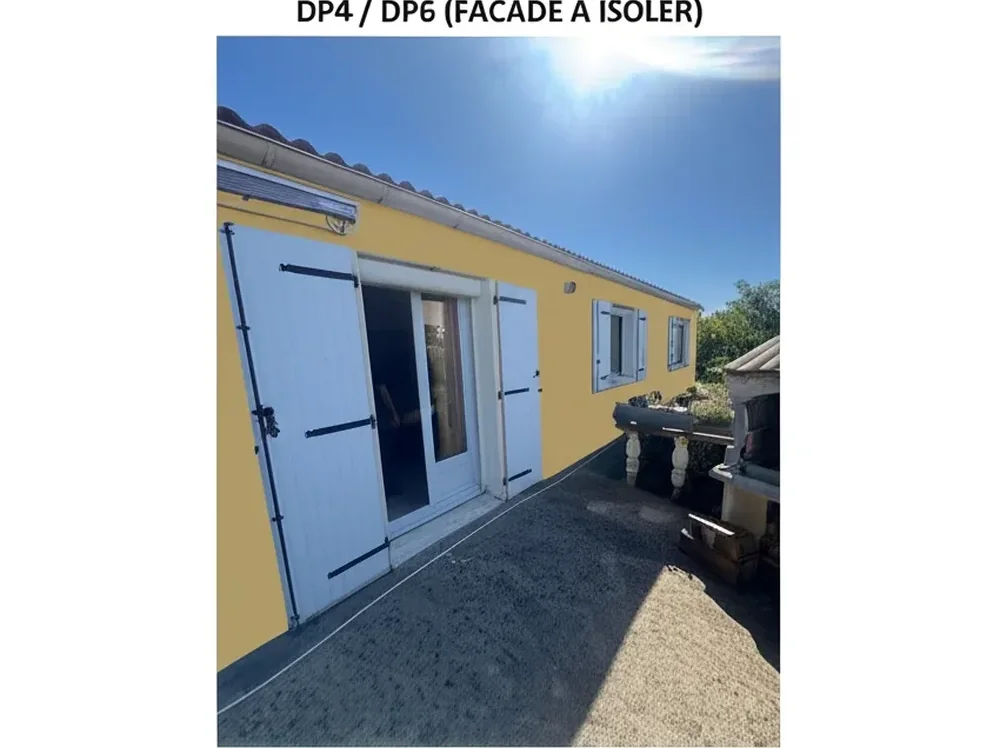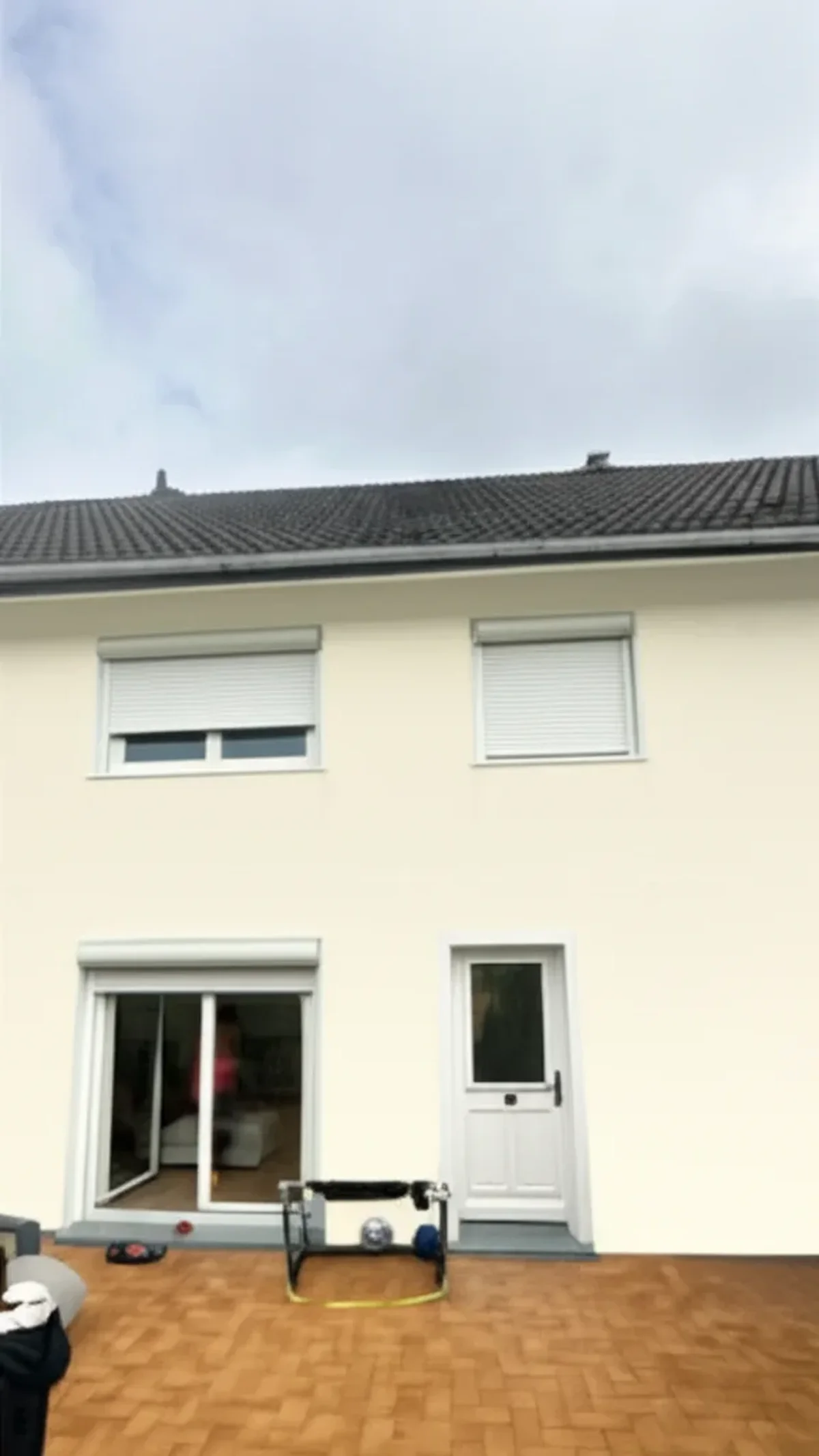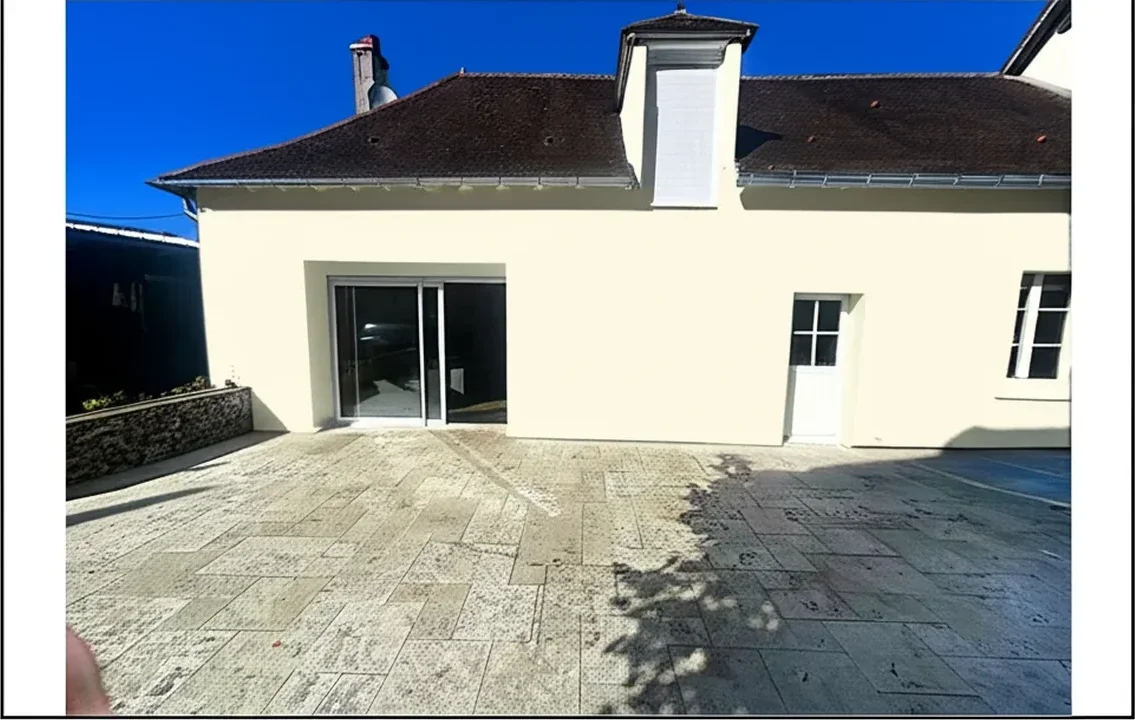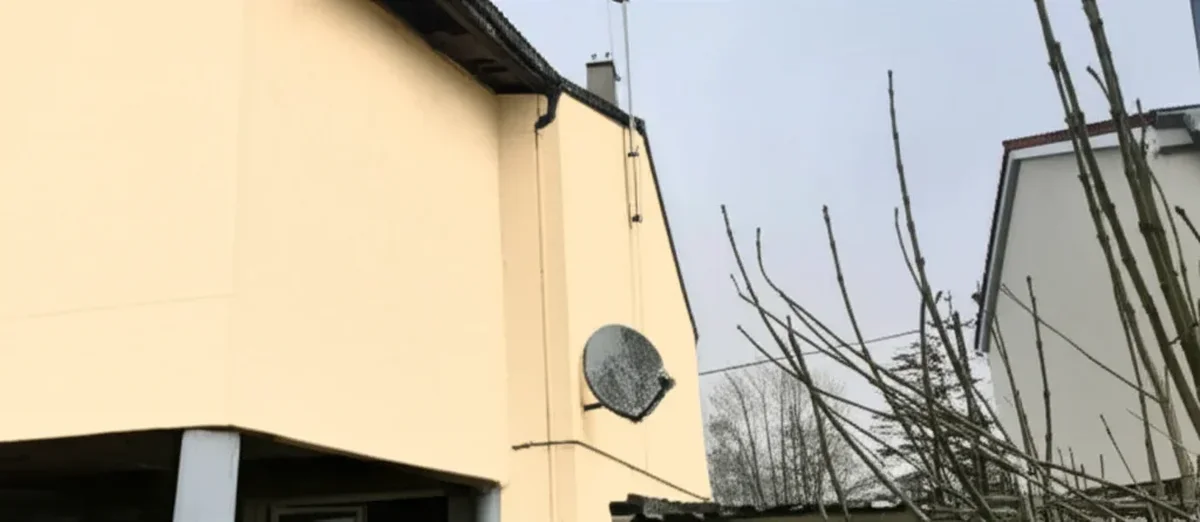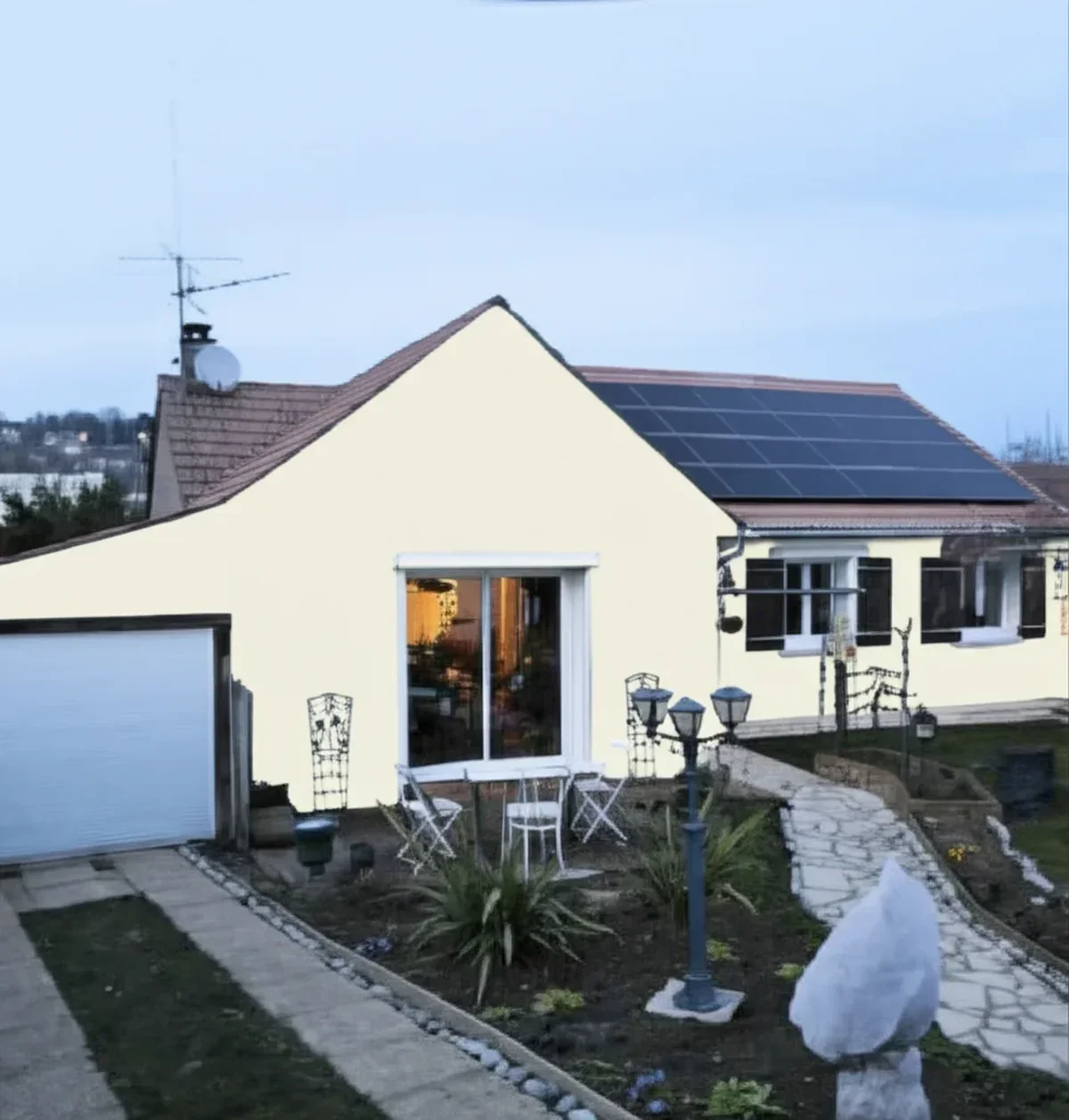
Try it on your house

Arizona has the strictest HOA enforcement environment in the United States. Roughly 30% of all owner-occupied homes in the state sit inside a planned community or condominium governed by an architectural review committee, and the published palettes in Scottsdale, Sun City, Anthem, and DC Ranch are some of the most narrowly defined in the country. Picking a body color that satisfies your approved color palette while also surviving 110-degree summer sun is a real engineering problem, not a style decision.
This guide walks through the eight desert-tested HOA-approved colors that pass review across Arizona communities in 2026, the new cool-paint NIR-reflective requirements emerging for darker shades, the UV-tested 10-year lifespan standard most associations now demand, and the city-by-city palette differences between Scottsdale Estates, Sun City West, Sun Lakes, Anthem, and DC Ranch. Before you submit a single color sample to your architectural committee, preview your color on a photo of your actual home using our free AI paint visualizer, the committee responds faster when your submission shows a photorealistic preview instead of a 2-inch chip baking in desert glare.
Upload a photo. Test SW Cavern Clay, DE Tundra, BM Stone House on your stucco in 30 seconds. No signup.
Arizona HOA Law: ARS Title 33 Chapter 16 (Planned Communities Act)
Arizona homeowners associations draw their authority from Arizona Revised Statutes Title 33, Chapter 16, the Planned Communities Act (ARS §§ 33-1801 through 33-1818). Condominium HOAs are governed by the parallel Condominium Act at ARS §§ 33-1201 through 33-1270. Together these two chapters give Arizona architectural review committees broader enforcement teeth than any comparable state code in the country: associations can fine, lien, and ultimately foreclose on owners who paint without prior written approval.
ARS Title 33 does not list specific approved colors. Instead, it delegates color authority to each community's CC&Rs (Covenants, Conditions, and Restrictions) and design guidelines. That delegation is why Arizona palettes vary so widely between Scottsdale and Sun City. What the statute does guarantee is procedural fairness: under ARS § 33-1817, your association cannot deny a paint submission arbitrarily, must apply published standards consistently, and must respond to a complete application within the timeframe defined in the CC&Rs (typically 30 to 45 days). If your committee misses that window, the submission is deemed approved by default in most Arizona communities.
For the procedural mechanics of submitting under ARS Title 33, see our HOA color change approval process guide and the broader HOA exterior paint color rules guide. The full statute is on the Arizona Legislature site at azleg.gov/arstitle.
The 8 Arizona HOA-Approved Body Colors for 2026
Eight body colors account for more than 70% of the approved palettes we have collected across Maricopa and Pinal counties. All eight are warm desert neutrals with LRV between 35 and 65, low chroma, and yellow-to-red undertones that read consistently from sunrise to sunset under high-altitude sun.
1. Sherwin-Williams Cavern Clay (SW 7701) - LRV 26
Cavern Clay is the warm terracotta-leaning earth tone that defines Arizona desert architecture. Spec'd into palettes from Fountain Hills to Oro Valley. Role: body or accent. Approved in: Scottsdale Estates, Anthem, Sun Lakes, DC Ranch. Because LRV sits below 30, most committees now require it paired with a cool-paint NIR-reflective formulation to keep stucco surface temperatures under 160 degrees.
2. Dunn-Edwards Tundra (DE6219) - LRV 52
Dunn-Edwards dominates Arizona because the brand was founded in the Southwest and its desert palette was engineered around Arizona UV exposure. Tundra is a warm greige with a faint pink undertone that disappears against beige stucco. Role: body. Approved in: almost every Phoenix-area HOA we have surveyed. Pairs well with Dunn-Edwards Whisper trim. See our Dunn-Edwards Evershield exterior 2026 review for the desert-rated topcoat that pairs with Tundra.
3. Sherwin-Williams Accessible Beige (SW 7036) - LRV 58
The single most-approved body color in the United States and a workhorse in Arizona because its warm yellow undertone neutralizes the cool blue cast of midday desert light. Role: body. Approved in: all surveyed Phoenix metro HOAs. Higher LRV means less heat absorption, no cool-paint upgrade typically required.
4. Benjamin Moore Stone House (1043) - LRV 46
A muted sandy beige that bridges the gap between true greige and warm clay. Reads slightly cooler than Accessible Beige in afternoon light. Role: body. Approved in: Scottsdale Estates, DC Ranch, Desert Mountain. Often paired with BM Tyler Taupe trim.
5. Sherwin-Williams Worldly Gray (SW 7043) - LRV 57
A neutral greige that holds its color from sunrise to sunset without shifting pink or green. Role: body or trim. Approved in: Anthem, Verrado, Vistancia, McDowell Mountain Ranch. Particularly common in newer contemporary-style master plans where committees want a softer modern look.
6. Dunn-Edwards Whisper (DEW340) - LRV 78
A warm off-white that doubles as a body color on smaller stucco homes and as the default trim on every other house in Sun City and Sun City West. Role: body or trim. Approved in: Sun City, Sun City West, Sun Lakes. High LRV makes it the coolest body option for retirees who want to minimize summer cooling costs.
7. Dunn-Edwards Mesa Tan (DEC754) - LRV 44
A medium warm tan with subtle red undertone that ties to the natural sandstone visible in the McDowell and Superstition ranges. Role: body. Approved in: Fountain Hills, McDowell Mountain Ranch, Troon North. Cool-paint NIR upgrade strongly recommended in Maricopa County.
8. Sherwin-Williams Pueblo Tan (SW 7517) - LRV 41
A deeper desert tan with strong red-orange undertone, popular on adobe-style and ranch homes across central Arizona. Role: body or accent. Approved in: Sun Lakes, Anthem, Estrella Mountain Ranch. For ranch-style homes, also see our forthcoming ranch-style paint colors Southwest 2026 guide.
See exactly how Cavern Clay, Tundra, or Pueblo Tan looks on your house before submitting.
Arizona City and Community-Specific Palette Differences
ARS Title 33 lets every HOA write its own design guidelines, so the same SW Cavern Clay that sails through review in Anthem may be denied in Sun City West. The five most-surveyed Arizona communities below show how dramatically approved palettes can shift across 50 miles of desert.
| Community | Approved Body Palette | Required Trim | Key Restrictions |
|---|---|---|---|
| Scottsdale Estates | SW Cavern Clay, BM Stone House, DE Mesa Tan | DE Whisper or SW Pure White | Cool-paint NIR required for LRV below 30; submission must include UV warranty |
| Sun City West | DE Whisper, SW Accessible Beige, BM Stone House | DE Swiss Coffee or matched body color | High-LRV body colors only (LRV greater than 50); no dark accents above ground level |
| Sun Lakes | SW Pueblo Tan, DE Tundra, SW Accessible Beige | DE Whisper | Body and trim must come from same brand fan deck; turquoise front door permitted |
| Anthem (AZ) | SW Cavern Clay, SW Worldly Gray, DE Tundra, SW Pueblo Tan | SW Alabaster, DE Whisper | "Climate-appropriate" cool-paint formulation required for body LRV below 35 |
| DC Ranch | BM Stone House, SW Worldly Gray, DE Mesa Tan, SW Cavern Clay | Wood-tone or matched body color | Sonoran palette only; no whites or off-whites as body color; UV-tested 10-year minimum |
Try it on your house
No photo? Try a sample
A pattern emerges. Active-adult communities (Sun City, Sun Lakes) push toward high-LRV light neutrals to reduce cooling load. Master-planned communities further from the urban core (Anthem, DC Ranch) lean into a Sonoran desert aesthetic with deeper clays and tans. Scottsdale Estates sits in the middle, accepting both but with the strictest cool-paint requirement.
For local labor and material pricing once your palette is approved, see our house painting Phoenix AZ cost guide.
Cool-Paint NIR-Reflective Requirements: The 2026 Arizona Shift
The biggest change to Arizona HOA design guidelines over the past 18 months is the move toward NIR-reflective (Near-Infrared Reflective) cool-paint formulations. Standard exterior paint reflects about 5 to 25% of the near-infrared radiation that drives summer surface heating. NIR-reflective paint formulated with cool pigments reflects 40 to 65% of NIR, dropping stucco surface temperatures by 15 to 40 degrees Fahrenheit on dark colors.
Why HOAs care: when one home in a planned community paints a dark color without NIR-reflective pigments, the surrounding stucco surfaces re-radiate heat into common areas, raising the urban heat island effect across the neighborhood. Maricopa County urban heat advisories now reference cumulative dark-surface exposure, and several master plans have responded by writing NIR requirements directly into their CC&Rs. As of 2026, Anthem, DC Ranch, Verrado, Vistancia, and most newer Pulte and Toll Brothers communities require a cool-paint NIR product for any body color with LRV below 35.
Acceptable products typically include Dunn-Edwards Evershield (cool-pigment formulation), Sherwin-Williams Emerald Rain Refresh with cool pigment, and BEHR Marquee Exterior with solar-reflective additives. Submissions should reference the specific SKU and include the manufacturer's Solar Reflective Index (SRI) data sheet. The forthcoming best exterior paint for hot climates 2026 guide covers the technical specs in depth.
Arizona is not alone in specifying the chemistry rather than only the color, and it helps to know what the clause looks like elsewhere before you argue one here. Washington committees ask for the opposite molecule: with roughly 150 rainy days a year in Seattle, boards there specify or strongly favor lines carrying an explicit mildewcide package, so the supporting document in the packet is a mildew-resistance profile rather than an SRI sheet. The palettes and the wording those submissions use are in our guide to Washington HOA-approved exterior colors for 2026.
UV-Tested 10-Year Minimum Lifespan
Arizona sun is brutal on exterior paint. At 110 degrees with high UV index, standard latex paint can fade visibly within 3 to 5 years. To prevent staggered color drift across a planned community, most Arizona HOAs now require submissions to cite a paint product with a manufacturer-warranted UV-tested lifespan of 10 years minimum.
Products that meet the 10-year UV warranty bar in 2026 include Dunn-Edwards Evershield (lifetime limited), Sherwin-Williams Duration (lifetime limited), Benjamin Moore Aura Exterior (limited lifetime), and BEHR Marquee (lifetime limited). When you submit, include a screenshot or PDF of the warranty page from dunnedwards.com or the manufacturer's site. The committee will not chase the documentation for you.
The Arizona Common Areas Doctrine
Arizona courts have developed a doctrine known informally as the Common Areas Doctrine, applying ARS § 33-1804 to the proposition that anything visible from the common area of a planned community is subject to architectural review. This is broader than it sounds. A side wall facing a community walking path is reviewable. A back wall facing a shared open desert preserve is reviewable. Even a roof color visible from a neighbor's elevated patio has been held reviewable in Maricopa County case law.
The practical takeaway is that every exterior surface of an Arizona HOA home is in scope, not just the front elevation. When you submit your paint application, list all four elevations and any color variation between them. A common rejection cause is "incomplete elevation specification" where the homeowner only described the front facade.
Approval Process Speed in Arizona
Arizona HOA review timelines are codified in each association's CC&Rs but bounded by ARS § 33-1817 (planned communities) and § 33-1250 (condominiums). The statutory default is 45 calendar days from receipt of a complete application; most newer master plans tighten that to 30 days. If your submission is denied, the committee must provide a written explanation citing the specific design guideline section your color violates, and you have the right to request a hearing within 15 days of denial.
Real-world median timelines we have observed on submissions that include a photorealistic mockup: Scottsdale Estates 18 days, Anthem 14 days, Sun City West 22 days, DC Ranch 28 days, Sun Lakes 16 days. Submissions without a mockup take 50 to 80% longer in every community we have surveyed. The committee asks for clarification, you respond, they re-review, and the calendar drifts. A 30-second AI preview prevents most of that back-and-forth.
Photorealistic mockup in 30 seconds. Attach it to your application and cut review time in half.
Real Submission Example: DE Tundra + Cool-Paint at Anthem AZ
The owner wanted Dunn-Edwards Tundra (DE6219) on the body, Mesa Tan accents, and Whisper trim. Anthem's design guidelines require any non-standard combination to include a written climate-appropriateness justification when the body LRV falls below 50.
We submitted DE Tundra at LRV 52 (above the threshold, no NIR required), paired with a photorealistic AI mockup showing all four elevations, a Dunn-Edwards Evershield warranty PDF, and a one-paragraph climate note referencing the cool-pigment formulation. The submission was approved in 11 calendar days as "climate-appropriate", no revisions requested. The same combination submitted earlier without a mockup had been kicked back for "insufficient visualization" twice in the preceding month. The mockup attachment is what moved the timeline.
Compare to the National Picture
Arizona enforcement is at the strict end of the national distribution. For context on how Arizona compares to other states, see our parent guide HOA-approved exterior paint colors 2026, the 15 safe HOA picks for 2026, and broader HGTV exterior coverage at hgtv.com.
Arizona is not the only market at that end of the scale, but strictness is built differently elsewhere. South Carolina reaches a comparable level by stacking layers rather than tightening one: municipal design review sits on top of the association covenants, and in Charleston that review runs through a Board of Architectural Review established in 1931, older than almost every HOA in the country. On Hilton Head, the Sea Pines covenants narrow the palette further still. Owners weighing a Sun Belt relocation will find that path mapped in our guide to HOA-approved exterior colors in South Carolina.
FAQ: Arizona HOA-Approved Exterior Colors
Does Arizona state law list approved HOA exterior colors?
No. ARS Title 33 Chapter 16 (the Planned Communities Act) delegates color authority to each individual community's CC&Rs and design guidelines. The statute does require procedural fairness, consistent application of published standards, and a written response within the CC&R-defined window, but it does not define which colors are "approved" statewide.
What is the most-approved exterior body color across Arizona HOAs?
Sherwin-Williams Accessible Beige (SW 7036) and Dunn-Edwards Tundra (DE6219). Both show up on more than 70% of the published Arizona HOA palettes we have surveyed, including Scottsdale Estates, Anthem, Sun Lakes, Sun City West, and DC Ranch.
Are dark exterior colors banned in Arizona HOAs?
Not banned outright, but most master-planned communities now require dark colors (LRV below 35) to use an NIR-reflective cool-paint formulation. Approved products include Dunn-Edwards Evershield with cool pigment, Sherwin-Williams Emerald Rain Refresh, and BEHR Marquee Exterior with solar-reflective additives.
How long does Arizona HOA paint approval take?
The statutory default under ARS § 33-1817 is 45 calendar days from a complete submission. Newer master-planned communities tighten that to 30 days, and submissions with a photorealistic mockup typically clear in 11 to 28 days across the communities we have surveyed.
Can my Arizona HOA force me to repaint?
Yes, if your CC&Rs require periodic repainting (most do, on a 7 to 10 year cycle) or if your paint is visibly faded, chalking, or peeling. Under ARS § 33-1803, the association can issue a violation notice, escalate to fines, and ultimately place a lien on the property. The same statute requires the HOA to give written notice and a reasonable opportunity to cure.
What happens if I paint without HOA approval in Arizona?
Under ARS § 33-1803 the association can fine you (typically $25 to $200 per violation), require repainting at your expense, or place a lien on the property if you refuse. Foreclosure is a remedy of last resort but has been upheld by Arizona courts when fines accumulate beyond a CC&R-defined threshold. Always submit before you paint.
Does the Common Areas Doctrine cover the back of my house?
Yes, if the back of your house is visible from any common area, walking path, shared open desert preserve, or elevated neighbor view. Maricopa County case law has consistently held that "visible from common area" is broader than the front elevation. Submit all four elevations on your application.
What is the cheapest way to test Arizona HOA colors before submitting?
Use an AI paint visualizer to preview the color on a photo of your actual home. It takes 30 seconds, costs nothing, and lets you compare SW Cavern Clay against DE Tundra against BM Stone House on your exact stucco texture before you buy a single sample pot. Try the free Arizona HOA paint visualizer.
Submit With Confidence
Arizona HOA approval is mechanical once you know the rules: pick a color from your community's published palette, confirm LRV against any cool-paint thresholds, cite a 10-year UV-warranted product, attach a photorealistic mockup of all four elevations, and submit at least 45 days before your contractor's start date. The eight colors above pass review across more than 70% of the Arizona palettes we have surveyed.
30-second AI mockup. Attach to your submission. No signup.
Frequently asked questions
Does Arizona state law list approved HOA exterior colors?
What is the most-approved exterior body color across Arizona HOAs?
Are dark exterior colors banned in Arizona HOAs?
How long does Arizona HOA paint approval take?
Can my Arizona HOA force me to repaint?
What happens if I paint without HOA approval in Arizona?
Does the Common Areas Doctrine cover the back of my house?
What is the cheapest way to test Arizona HOA colors before submitting?
Official sources
To verify the regulatory information in this guide at the primary source:
- US EPA : Lead-safe (RRP) rules for homes built before 1978
- U.S. Department of Energy : Energy-efficient exterior and coating guidance
- International Code Council : Model building codes adopted by most US jurisdictions
External links. FacadeColorizer is not affiliated with these bodies and their guidance may change over time.
Trademarks mentioned (Sherwin-Williams, Benjamin Moore, Behr, Caparol, Brillux, Sto, Alpina, Valspar, PPG, Glidden, Dulux, Crown Trade, Sandtex, Farrow & Ball, Johnstone's, Leyland) are property of their respective owners. FacadeColorizer is independent and not affiliated with any of them. Nominative fair use under Lanham Act §1125.