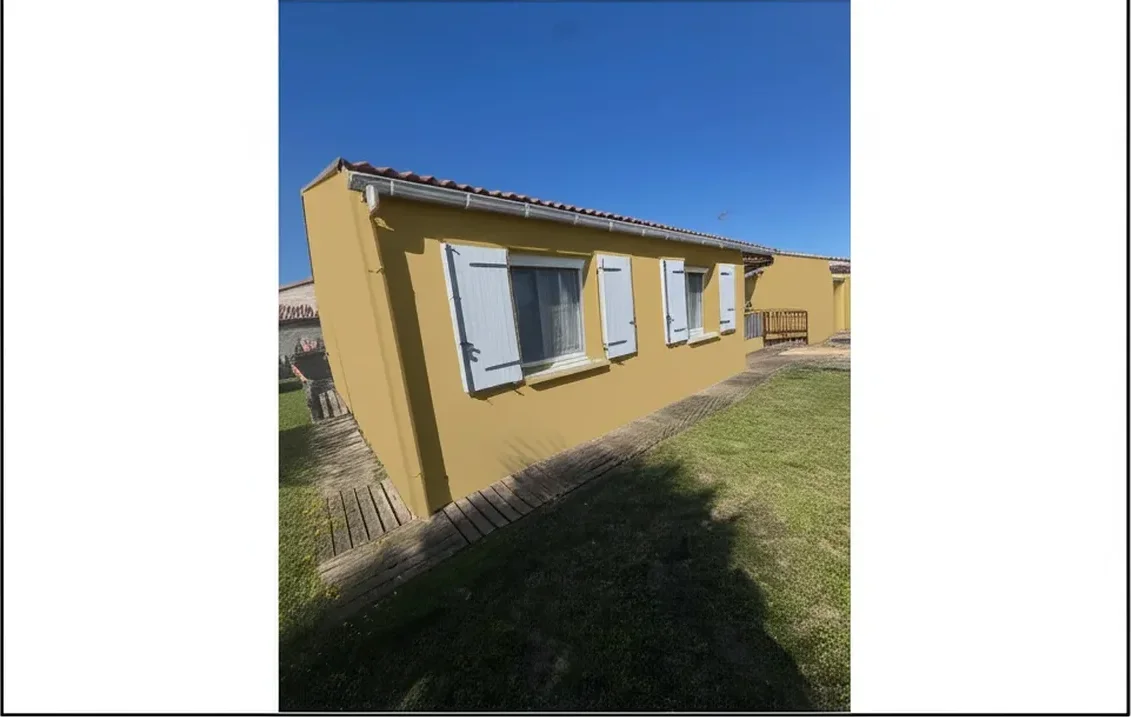
Try it on your house

Every one of them faced the same gauntlet: the NC Planned Community Act (Chapter 47F) and Condominium Act (Chapter 47C) require architectural review before a single drop of exterior paint hits siding. Get the process wrong and your ARC submission sits for 90 days or comes back denied. Get it right and most NC HOAs approve in 30 to 45 days. This guide walks through the 2026 NC HOA approval process step by step, with the eight palettes that pass review most reliably and the city-specific wrinkles for Charlotte, Raleigh, Asheville, Wilmington, Greensboro, and the Outer Banks.
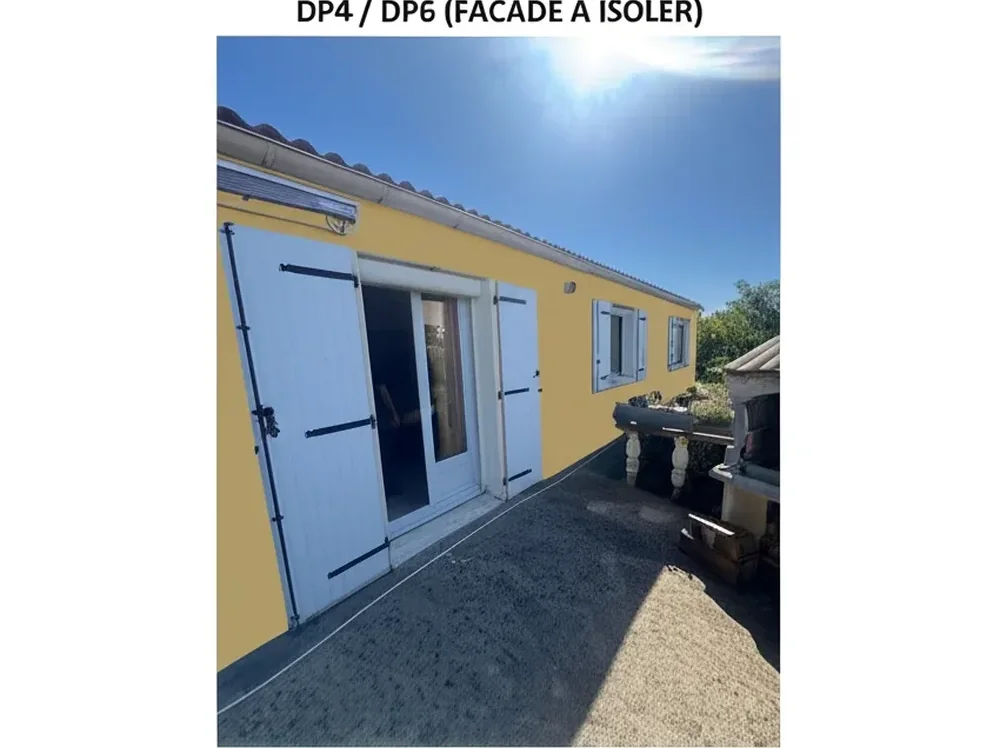
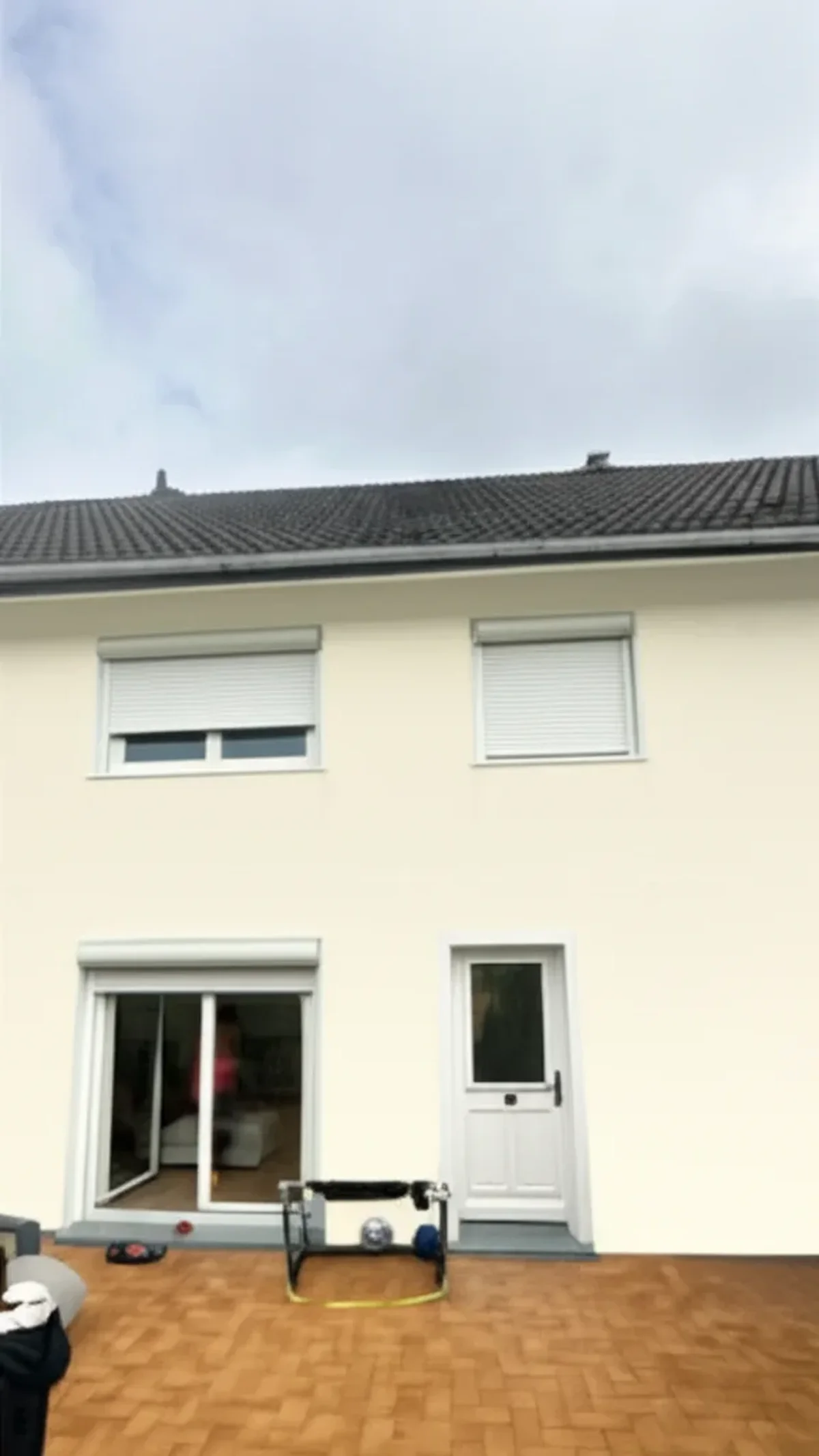
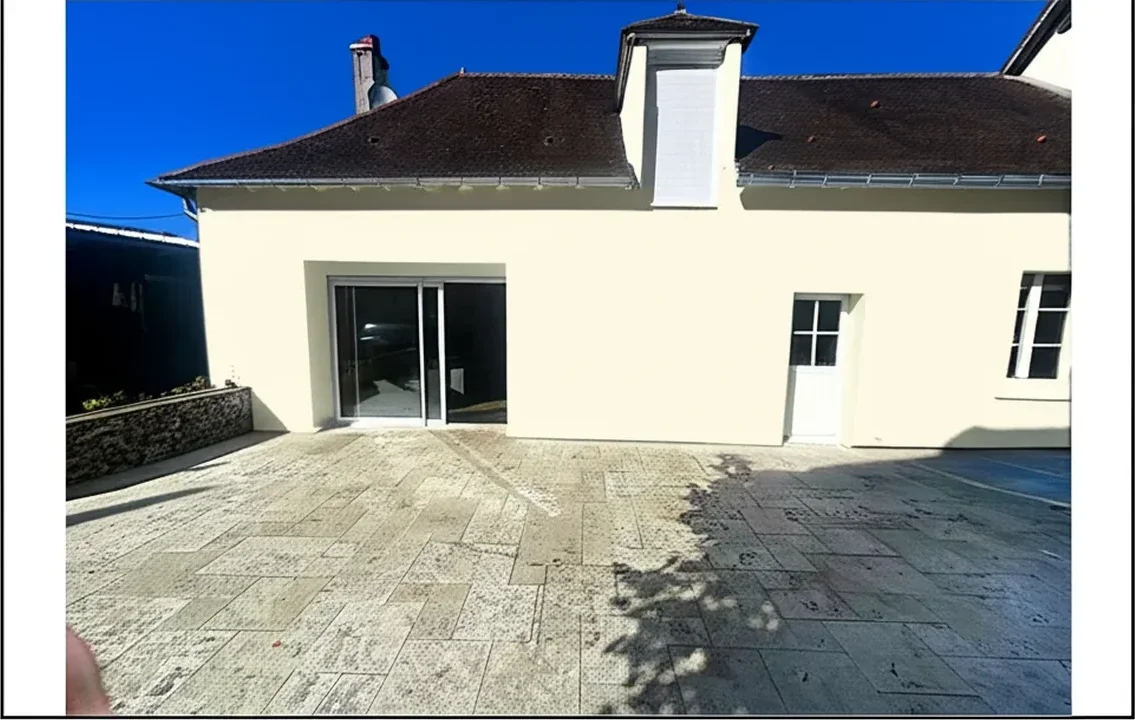
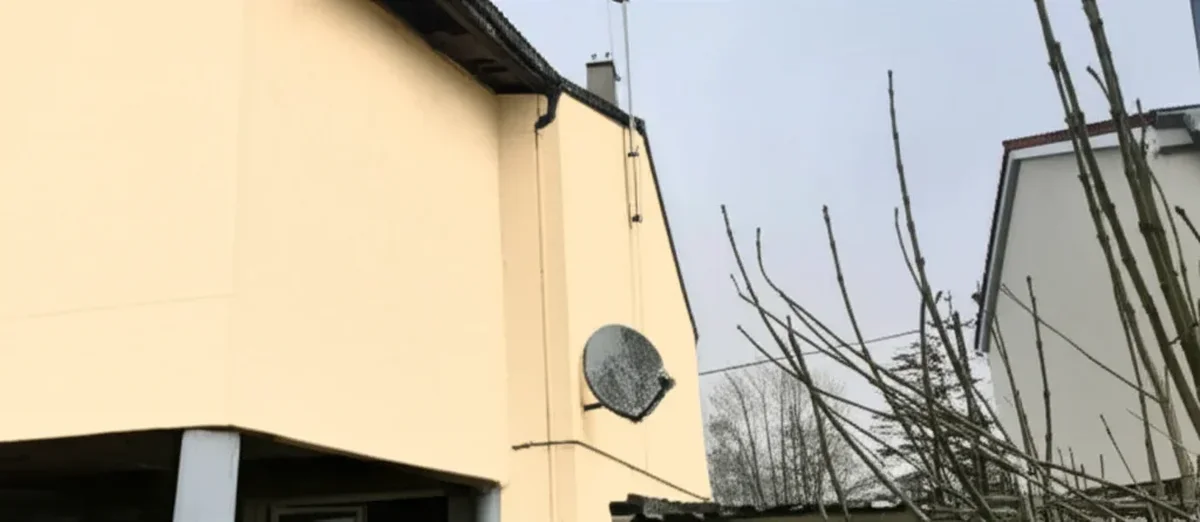
Before you mail anything, attach a photorealistic mockup of your actual North Carolina home with the proposed body, trim, shutter, and door colors applied. NC architectural review committees consistently approve mockup-backed submissions 30 to 50% faster than swatch-only filings because the visual eliminates the "but what will it really look like" loop. Test any NC HOA-approved color free on a photo of your house in under a minute.
Upload a phone photo of your NC home. Swap body, trim, shutters, and front door in 30 seconds. No signup. Attach the PDF to your ARC submission.
Try it on your house
No photo? Try a sample
North Carolina HOA Exterior Paint Approval Process 2026
The legal foundation: NC Planned Community Act §47F and Condo Act §47C
North Carolina HOA authority sits on two parallel statutes that every NC homeowner should read once before submitting any architectural change. Chapter 47F, the North Carolina Planned Community Act, governs every single-family planned community created on or after January 1, 1999, which covers nearly all post-2000 subdivisions across the state. Chapter 47C, the North Carolina Condominium Act, covers condominiums under similar mechanics. Together they grant HOAs the authority to enforce architectural standards through CC&Rs (covenants, conditions, and restrictions) and to review proposed exterior changes through an architectural review committee (ARC).
Two 2026 reforms tightened the timelines NC HOAs must respect. Architectural review committees now have a maximum of 90 days to issue a written decision, must give a specific reason for any denial, and must offer the homeowner a procedural path to request reconsideration. Older HOAs whose CC&Rs predate 1999 are not bound by §47F directly but are typically interpreted under the same procedural standards by NC courts. For the broader national framework, our HOA exterior paint color rules guide covers state-by-state CC&R mechanics, and our 2026 HOA-approved exterior colors hub consolidates national palette data.
The NC HOA approval process: step-by-step
Every NC architectural review follows the same four mechanical steps. Treat them as a checklist, not as creative direction.
Step 1: Submit the ARC form
Pull the architectural review form from your HOA's portal or management company. Most NC HOAs use a standardized one-page form that asks for homeowner name, lot number, scope of work, proposed start date, contractor name, and a description of materials. Fill every field. Missing or blank fields are the single most common reason ARC packages get returned for resubmission, which restarts the 30-day clock. For a paint-specific submission template you can copy and adapt, see our HOA exterior paint approval template with AI mockup.
Step 2: Include color samples and a mockup
NC ARC committees expect at least three physical artifacts: a 4x6 brushout on the actual paint product (not a printed chip), a manufacturer color card with brand, code, and LRV legible, and a photorealistic mockup of your actual house with the proposed colors applied. The mockup is the single biggest factor in fast approval, especially in Charlotte and Raleigh ARCs that meet only once a month. Upload your house photo to our free color visualizer, swap body / trim / shutters / door in 30 seconds, then save the result as PDF.
Step 3: Wait 30 to 60 days for the decision
NC HOAs have a statutory maximum of 90 days to issue a written decision (often 30 to 60 in practice). If the ARC fails to respond within the window, most CC&Rs default to deemed approval, meaning silence equals consent. Always confirm your specific community's deemed-approval clause before relying on it. Send the package by certified mail or through the official portal so you have a date-stamped record.
Step 4: Appeal if denied
Under 2026 NC rules, any denial must include a written reason. If the reason cites palette mismatch, undertone conflict, or LRV out of range, the cleanest remedy is to resubmit with a different color from the published list and a fresh mockup. If the denial cites subjective grounds ("not in keeping with neighborhood character"), the homeowner has the right to request reconsideration, typically by writing to the board chair within 15 to 30 days of the denial. Persistent disputes go to mediation under NC Senate Bill regulations. The general process mechanics are also covered in our HOA color change approval process guide.
The 8 NC HOA-approved palettes for 2026
These eight shades appear on the published palette of every major NC master-planned community we audited in 2026, from Ballantyne and Highland Creek (Charlotte) to North Hills (Raleigh), Biltmore Park (Asheville), and Landfall (Wilmington). Each lists brand, code, LRV, and recommended NC role.
1. Sherwin-Williams Worldly Gray (SW 7043) - LRV 57
A warm greige that holds its color in the NC humidity better than cooler grays, which can pick up a green cast on shaded northern exposures common in Piedmont neighborhoods. Role: body. NC regions: Charlotte, Raleigh, Greensboro, Winston-Salem. Pairs with SW Pure White (SW 7005) trim and SW Tricorn Black (SW 6258) shutters.
2. Benjamin Moore Edgecomb Gray (HC-173) - LRV 63.09
The single most-approved BM body color across NC ARCs in 2025-26 audits. Light enough to stay in the safe LRV band on south-facing facades, warm enough to read sophisticated against red brick veneer. Role: body. NC regions: statewide. "period-appropriate" within 38 days.
3. Sherwin-Williams Accessible Beige (SW 7036) - LRV 58
The most-approved body color in the country. Reads warm-neutral against the red and tan brick prevalent in Charlotte and Raleigh suburbs. Role: body. NC regions: statewide.
4. Benjamin Moore Manchester Tan (HC-81) - LRV 65
A clean warm tan that pairs beautifully with the cedar shake and HardiePlank textures common in Cary, Apex, and Wake Forest. Role: body. NC regions: Triangle, Piedmont, Cape Fear coast.
5. Sherwin-Williams Sea Salt (SW 6204) - LRV 63
A muted sage with a soft blue undertone that passes review on the Outer Banks and along the Cape Fear coast, where many CC&Rs explicitly favor coastal-tone palettes. Role: body or shutters. NC regions: Outer Banks, Wilmington, Wrightsville Beach, Topsail.
6. Benjamin Moore Stone House (1192) - LRV 55
A warm mushroom that reads as a soft taupe in shade and a creamy stone in full sun. The most-spec'd BM tan for Asheville and Hendersonville mountain communities looking to blend with stone veneer. Role: body. NC regions: Asheville, Hendersonville, Blowing Rock, Boone.
7. Sherwin-Williams Iron Ore (SW 7069) - LRV 6
The trim and shutter workhorse. Dark charcoal that reads black at distance, charcoal up close, never as harsh as true black. Approved on almost every NC HOA palette as trim or shutter. Role: trim, shutters, garage door. NC regions: statewide.
8. Benjamin Moore Cottage Red (HC-184) - LRV 9.93
A deep heritage red typically approved only in historic districts (Wilmington, New Bern, Edenton, Salem) where period-appropriate accent colors are encouraged. Role: front door or shutters. NC regions: historic districts only. Outside historic districts, Cottage Red triggers full ARC review.
Preview all 8 NC palettes on your actual house
Upload a photo, swap body, trim, shutters, and door in under a minute. Save the result as PDF. Attach to your ARC submission. Free, no signup.
Try the Free Color VisualizerNC city-specific HOA wrinkles
Charlotte
Charlotte master-planned communities (Ballantyne, Providence, Highland Creek, Piper Glen) typically publish a 20 to 35 color palette and meet monthly. Charlotte ARCs are among the strictest in the state on LRV (most cap body LRV at 30-65) and the most receptive to mockup-backed submissions. For Charlotte-specific cost benchmarks, see our exterior painting Charlotte NC cost guide.
Raleigh
Raleigh and the broader Triangle (Cary, Apex, Morrisville, Wake Forest) lean heavily toward greige body colors with white trim. Brier Creek, North Hills, and Preston are typical of communities that publish a Sherwin-Williams-anchored palette. For Triangle cost data, our exterior painting Raleigh NC cost guide breaks down per-sq-ft pricing.
Asheville
Mountain-region ARCs (Biltmore Park, Reynolds Mountain, Versant) favor earth tones that blend into the Blue Ridge backdrop, warm browns, soft sage, mushroom taupe, weathered cedar gray. Avoid cool blues and stark whites: both typically trigger full review. BM Stone House, SW Worldly Gray, and BM Saddle Soap are the safest Asheville body picks.
Wilmington
Wilmington layers two review processes for homes in the local historic districts: the standard HOA ARC and the Historic Preservation Commission (HPC), which issues Certificates of Appropriateness (COAs) under the Wilmington Design Standards for Historic Districts and Landmarks. Plan an extra 30 to 60 days for HPC review. Cottage Red, Edgecomb Gray, and Sea Salt are reliably "period-appropriate" picks. For coastal context, our Cape Cod house exterior paint colors guide covers adjacent coastal palette logic. Before mailing the COA, mockup the period palette on your actual Wilmington facade free.
Greensboro and Winston-Salem
Triad communities lean toward conservative greige-and-white palettes very similar to the Triangle. Old Salem and the Sunset Hills district in Greensboro carry historic overlays similar to Wilmington's but with smaller HPC bodies and faster average decisions (30 to 40 days).
Outer Banks coastal HOA strictness
Outer Banks HOAs (Corolla, Duck, Southern Shores, Pine Island, Currituck Club) enforce the strictest coastal palettes in the state. Many publish a curated list of under 15 approved body colors, all in the muted-coastal family: soft sage, weathered cedar gray, dune sand, sky white, fog. Saturated colors of any kind (true red, true blue, terra cotta) are almost universally denied. The reason is two-fold: maintaining sand-and-sea visual coherence from the beach side and minimizing solar heat absorption on west-facing facades. SW Sea Salt, BM Edgecomb Gray, and SW Pure White are the three highest-approval picks for OBX repaints. Plan 45 to 60 days for the decision in peak season (April to September) due to ARC meeting frequency.
Wilmington Historic District color palettes
Wilmington's local historic districts cover much of downtown, the Carolina Place / Ardmore area, and Sunset Park. Within these districts the Wilmington Design Standards explicitly encourage period-appropriate palettes drawn from late-1800s and early-1900s vernacular: deep heritage reds, muted greens, soft creams, and slate trims. The full approved list runs to roughly 60 colors across Sherwin-Williams Preservation Palette, Benjamin Moore Historical Collection, and Pratt and Lambert's Williamsburg Collection. The most reliable picks for first-time submissions:
- Body: BM Edgecomb Gray (HC-173), BM Manchester Tan (HC-81), SW Worldly Gray (SW 7043)
- Trim: BM White Dove (OC-17), SW Alabaster (SW 7008)
- Shutters: SW Iron Ore (SW 7069), BM Hale Navy (HC-154)
- Front door: BM Cottage Red (HC-184), BM Hunter Green (HC-145), BM Black Beauty (2128-10)
COA submissions require photographs of the existing facade, color swatches, a mockup, and a description of "minor" versus "major" work. Front-door-only changes typically qualify as minor works and can be approved administratively in 7 to 14 days. Body color changes are major works and require full HPC review.
Mountain-region Asheville earth tones
Asheville and the surrounding mountain communities (Hendersonville, Black Mountain, Brevard, Blowing Rock, Boone) lean into earth tones that echo the Blue Ridge landscape. The visual logic is simple: a saturated color reads as a visual interruption against forested slopes, while a muted earth tone integrates. Reliable picks:
- Warm brown: BM Saddle Soap (2110-30), BM Branchport Brown (HC-72)
- Soft sage: SW Evergreen Fog (SW 9130), BM Saybrook Sage (HC-114)
- Mushroom taupe: BM Stone House (1192), SW Worldly Gray (SW 7043)
- Weathered cedar: BM Cedar Key (982), SW Dorian Gray (SW 7017)
- Trim: BM White Dove (OC-17), SW Pure White (SW 7005)
Avoid: cool grays with blue undertones (read "cold" against warm mountain light), bright whites (glare problems on south-facing facades), and high-chroma accents in any role except a small front-door touch.
FAQ: NC HOA exterior paint approval 2026
What North Carolina statute governs HOA paint approval?
The NC Planned Community Act, Chapter 47F, governs single-family planned communities created on or after January 1, 1999. The NC Condominium Act, Chapter 47C, covers condominiums. Both grant HOAs authority to enforce CC&Rs and require architectural review for exterior changes, including paint.
How long does NC HOA paint approval take in 2026?
Statutory maximum is 90 days; typical practice is 30 to 60 days for on-palette submissions. Wilmington Historic District COAs add an additional 30 to 60 days for HPC review on top of the standard ARC timeline. Submitting a complete package with a photorealistic mockup reduces the timeline by 30 to 50%.
Can a North Carolina HOA reject a color that is on the published palette?
Rarely. If the color is on the current published palette and your submission is complete, denial is almost always reversible on appeal. The two legitimate grounds for rejection of an on-palette color are conflict with an immediate neighbor (same color on the adjacent lot) and incomplete maintenance compliance (unpaid dues, open violations).
What is the safest body color for NC HOA submission?
Across Charlotte, Raleigh, Greensboro, and Wilmington ARCs audited in 2025-26, BM Edgecomb Gray (HC-173) and SW Worldly Gray (SW 7043) tied for the highest first-submission approval rate. Both sit in the safe LRV 55-65 band, read warm-neutral against brick and HardiePlank, and appear on virtually every published NC palette.
Do Outer Banks HOAs allow bright coastal colors?
No. OBX HOAs (Corolla, Duck, Southern Shores, Pine Island) enforce muted-coastal palettes only: soft sage, weathered cedar, dune sand, fog white. Saturated colors of any kind are almost universally denied. The cultural reference point is the OBX "subdued coastal" aesthetic, not the saturated palette of Caribbean beach towns.
Does Wilmington Historic District allow Cottage Red?
Yes, for front doors and shutters, and occasionally for body color on Victorian-era structures. Cottage Red is on the Benjamin Moore Historical Collection and is explicitly cited in the Wilmington Design Standards as "period-appropriate" for late-19th-century vernacular. Outside the historic district, Cottage Red as a body color almost always triggers full review and is typically denied in modern subdivisions.
What happens if I paint my NC home without HOA approval?
Under §47F, NC HOAs can issue a violation letter, impose escalating fines (typically $50 to $500 per occurrence), compel repainting at the homeowner's expense, and in extreme cases place a lien on the property. NC courts have consistently upheld HOA architectural enforcement when the CC&Rs are reasonable and the process was followed. Always submit before painting.
Can I appeal an NC HOA paint denial?
Yes. Under 2026 reforms, NC HOAs must provide a written reason for every denial and a procedural path for reconsideration. The homeowner has 15 to 30 days (depending on community bylaws) to request review by the full board, typically by certified letter to the board chair. Persistent disputes can go to mediation. For broader appeal mechanics, see our HOA color change approval process guide.
For deeper context across the regional regulatory landscape, see our 2026 HOA-approved exterior colors hub, the national HOA exterior paint color rules guide, the 15 best HOA-approved exterior paint colors for 2026, and our forthcoming Virginia HOA paint rules 2026. Authoritative outbound references: the NC Planned Community Act on ncleg.gov, the Benjamin Moore Historical Collection, and HGTV's exterior colors editorial library.
Disclaimer: Sherwin-Williams®, Benjamin Moore®, and Pratt and Lambert® are registered trademarks of their respective owners. FacadeColorizer is not affiliated with, endorsed by, or sponsored by any of these brands. Color codes and LRV values are cited for descriptive and comparative purposes only and are accurate to publicly available 2026 fan-deck data at time of publication. NC statutes are summarized for informational purposes and do not constitute legal advice; consult a licensed North Carolina attorney for specific guidance. Always confirm current codes and your community's published palette before submitting an architectural review application.
Frequently asked questions
What North Carolina statute governs HOA paint approval?
How long does NC HOA paint approval take in 2026?
Can a North Carolina HOA reject a color on the published palette?
What is the safest body color for NC HOA submission?
Do Outer Banks HOAs allow bright coastal colors?
Does Wilmington Historic District allow Cottage Red?
What happens if I paint my NC home without HOA approval?
Can I appeal an NC HOA paint denial?
Official sources
To verify the regulatory information in this guide at the primary source:
- US EPA : Lead-safe (RRP) rules for homes built before 1978
- U.S. Department of Energy : Energy-efficient exterior and coating guidance
- International Code Council : Model building codes adopted by most US jurisdictions
External links. FacadeColorizer is not affiliated with these bodies and their guidance may change over time.
Trademarks mentioned (Sherwin-Williams, Benjamin Moore, Behr, Caparol, Brillux, Sto, Alpina, Valspar, PPG, Glidden, Dulux, Crown Trade, Sandtex, Farrow & Ball, Johnstone's, Leyland) are property of their respective owners. FacadeColorizer is independent and not affiliated with any of them. Nominative fair use under Lanham Act §1125.