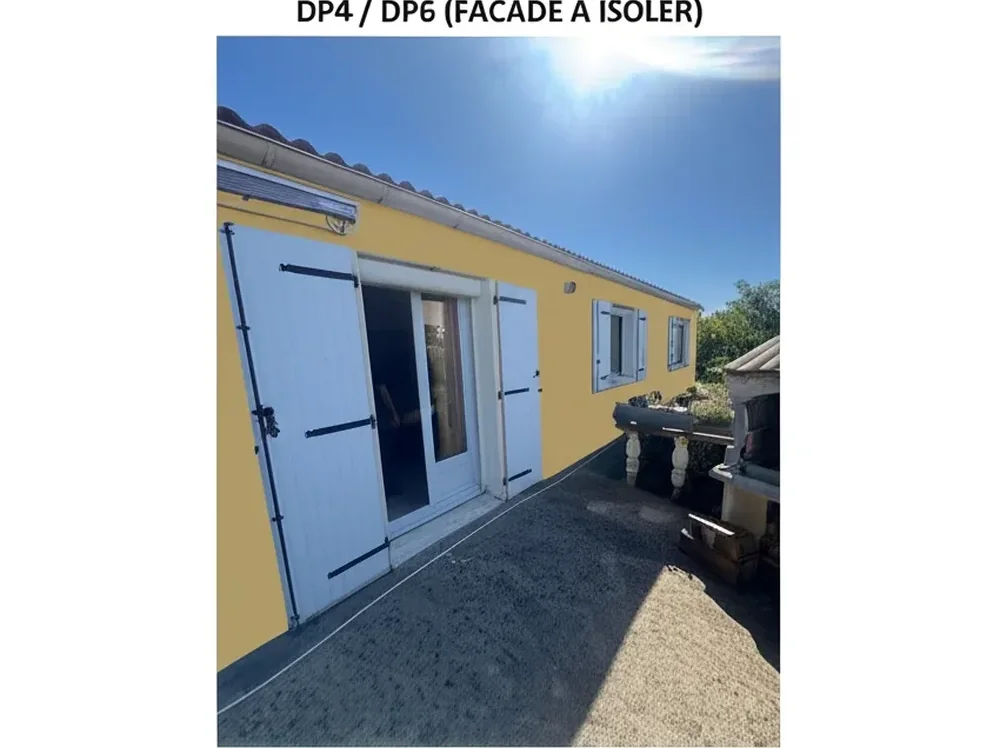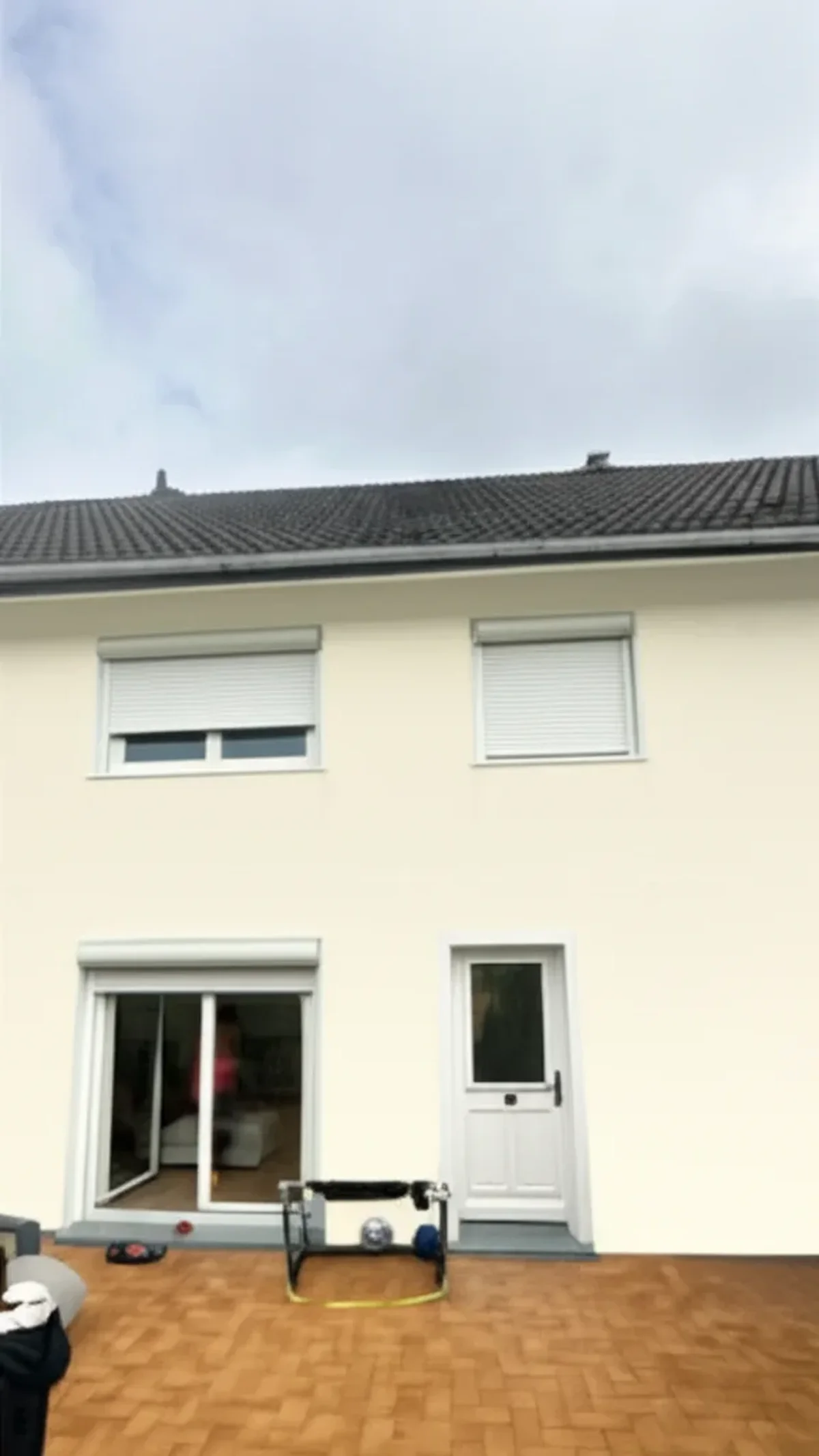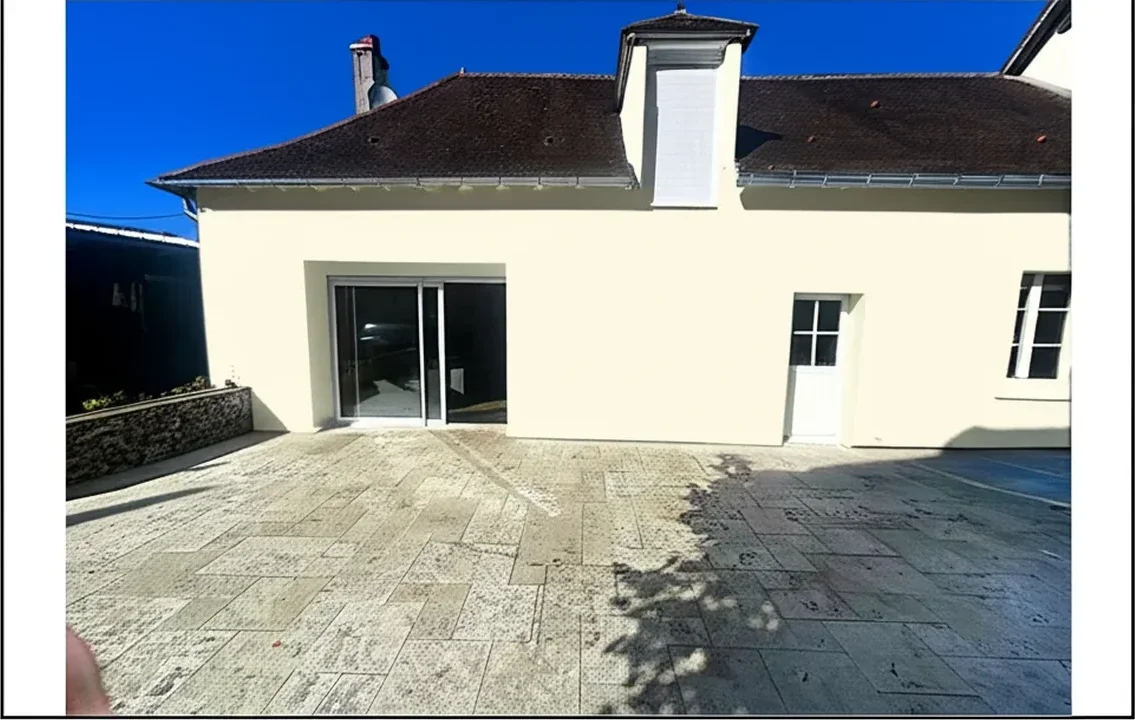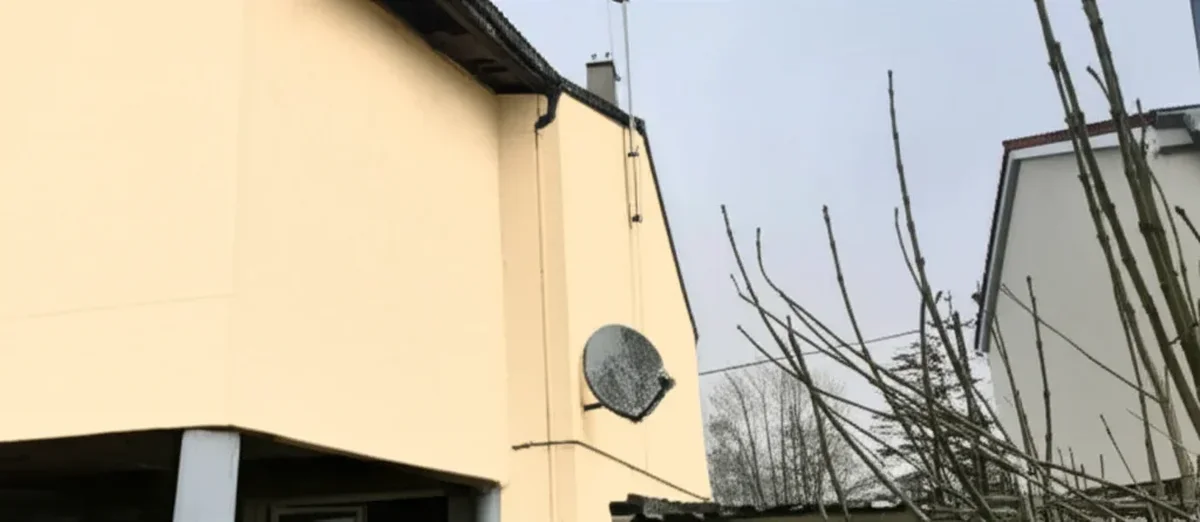
Try it on your house

Hawaii is one of the smaller HOA states by raw count but one of the most stylistically distinctive in the country. Roughly 320,000 homes across the islands sit under planned community associations governed by Hawaii Revised Statutes Chapter 421J, with concentrations in Honolulu County (Kahala, Hawaii Kai, Mililani, Kapolei), Maui (Wailea, Kapalua, Makena), Kauai (Princeville, Poipu), and the Big Island (Waikoloa, Hualalai, Kohala Coast). Approved palettes lean into three identities: Plantation Heritage creams and whites, Hawaiian native deep reds and ocean blues, and coastal modern sea-salt greens and warm whites.
This guide covers the eight palettes most commonly approved across Hawaii master-planned communities in 2026, the island-by-island variations between Oahu, Maui, Kauai, and the Big Island, the Pacific salt-air and tropical-UV product specs your HOA expects on the submission, and the HRS 421J procedural rules every Hawaii homeowner should know before mailing an application. Before the design review committee meets, test Hawaii HOA colors free on a photo of your actual house, our internal data shows photo-mockup submissions get approved 30 to 50% faster than swatch-only packets.
Upload one phone photo. Swap body, trim, doors, and lanai accents in 30 seconds. Attach to your HRS 421J submission.
Hawaii HOA-Approved Exterior Paint Colors for 2026
Hawaii HOA authority: how HRS Chapter 421J governs paint color
Hawaii regulates most planned community associations under the Hawaii Planned Community Associations Act, codified at HRS Chapter 421J on capitol.hawaii.gov. Section 421J-3 imposes a duty of good faith on board and design-review actions, and Section 421J-13 sets the procedural floor for alternative dispute resolution before either side can sue. The practical takeaway: the Design Review Committee (DRC) must apply the standards published in the community's recorded design guidelines and cannot invent new criteria mid-review. A denial letter that fails to cite a specific provision of the published guidelines is procedurally vulnerable under 421J-3.
Two practical consequences for Hawaii homeowners. First, every denial should be issued in writing and cite the specific section of the design guidelines that the proposed color violates. Generic objections such as "does not fit the neighborhood character" without a guideline citation are vulnerable to challenge under the 421J-3 good-faith duty. Second, most Hawaii planned community CC&Rs include a default-response clause: if the DRC fails to respond within the window stated in the governing documents (commonly 30, 45, or 60 days), the request is presumed approved. Keep certified-mail proof of the submission date so the clock starts cleanly. New to the HOA process? Start with the broader 2026 HOA-approved exterior colors overview.
A third Hawaii-specific quirk worth knowing: 421J-3.5 requires the association to maintain an official records repository, including the current published exterior paint palette and design-review minutes referencing prior color approvals. Hawaii homeowners have a statutory right to inspect those records on reasonable notice, and citing a prior approved color for an adjacent lot is one of the most effective ways to short-circuit an off-palette denial. Pull the records before you submit so your application can name precedent by lot number and approval date. For the comparable state-level structure in California and Florida, see our California HOA-approved exterior colors 2026 and Florida HOA-approved exterior colors 2026.
The 8 most-approved Hawaii HOA palettes for 2026
The eight palettes below appear most often in published Hawaii planned-community palettes from Kahala on Oahu to Waikoloa on the Big Island. Each has been cross-checked against active 2026 fan-deck codes and against approval records in Mililani, Kapolei, Wailea, Princeville, Poipu, and Hualalai.
1. Benjamin Moore Linen White (912) - LRV 78
The Plantation Heritage anchor white. A warm cream with a soft yellow undertone, faithful to the historic sugar-plantation cottages and Hawaiian missionary architecture preserved across Oahu, Maui, and Kauai. Reads as a true creamy white at midday and as a soft buttery hue at golden hour. Role: body. Approved in: nearly all HI HOA tiers. Pair with: deep forest green trim, plantation green shutters, mahogany door.
2. Sherwin-Williams Pure White (SW 7005) - LRV 84
The default coastal-modern Hawaii body and trim white. Slightly warmer than Chantilly Lace, which prevents the high-noon glare that pure-white facades produce in Hawaii's UV index (year-round UV 11+ at sea level). Heavily approved in Wailea, Kapalua, and the Kohala Coast. Role: trim (universal), body (coastal modern). Pair with: teak or ipe accents, soft sea-glass shutters.
3. Benjamin Moore Hale Navy (HC-154) - LRV 7
The Hawaiian-native deep ocean blue. Reads as a near-black navy in shade and as a deep Pacific blue in direct sun, echoing the kapa indigo and the deep-water blues of the leeward coasts. Heavily approved as a shutter and front-door color across Hawaii, and as body color in select Princeville and Hualalai subdivisions. Role: shutters, front door, body (select). Pair with: Pure White or Linen White trim.
4. Sherwin-Williams Sea Salt (SW 6204) - LRV 63
The single most-recognized coastal color in the United States and a staple of Hawaii planned community palettes from Hawaii Kai to Poipu. A soft sage-blue green that reads as pale green in shade and as a soft sea-glass blue in direct sun. Most Hawaii DRCs accept it as a body color in coastal-modern subdivisions and as a trim or accent inland. Role: body (coastal), accent (inland). Pair with: Pure White trim, deep teak door.
5. Benjamin Moore Caliente (AF-290) - LRV 8
The Hawaiian-native red. A deep clean red echoing the historic ohia lehua red and the Hawaiian state flag stripe. Heavily restricted, only approved as front door or as a small accent (mailbox, gate, shutters) in most Hawaii HOAs, but a signature approved choice in plantation-style subdivisions on Maui and the Big Island. Role: front door, accent. Pair with: Linen White body, forest green trim.
6. Benjamin Moore Templeton Gray (HC-161) - LRV 53
A warm green-gray that bridges Plantation Heritage and coastal-modern dialects. Reads as a soft sage in shade and as a warm gray-green in direct sun, blending into both lush tropical foliage and the volcanic-rock dry landscape of the leeward sides. Role: body, statewide. Pair with: Linen White trim, Hale Navy shutters.
7. Sherwin-Williams Tradewind (SW 6218) - LRV 67
A soft pale blue named for the prevailing Hawaiian wind pattern, and approved in coastal-modern and contemporary-Hawaiian subdivisions on every island. Reads as nearly white in shade and as a clean soft blue in direct sun. Role: body (coastal), shutters (inland). Pair with: Pure White trim, teak accents.
8. Benjamin Moore Forest Green (2047-10) - LRV 6
The Plantation Heritage trim and shutter green. A deep saturated forest green spec'd into hundreds of Hawaii plantation-style master-planned communities (Kahala, Mililani, Princeville, plantation-style sections of Waikoloa). Pairs beautifully with Linen White body and mahogany door. Role: trim, shutters. Pair with: Linen White or Pure White body.
Free, 30 seconds, no signup. Attach the result to your HRS 421J submission.
Hawaii island-specific palette differences
Hawaii HOA palettes vary more by island than most outsiders realize. A color that flies in Mililani may be denied in Wailea on identity grounds. The four-island breakdown below summarizes how approved palettes shift across Oahu, Maui, Kauai, and the Big Island.
| Island / Region | Dominant palette | Notable variations | Common rejection |
|---|---|---|---|
| Oahu (Honolulu, Kahala, Hawaii Kai) | Plantation Heritage cream, forest green trim, navy accent | Kahala historic mandates Linen White body | Cool charcoal grays, saturated coral |
| Oahu (Mililani, Kapolei, Ewa) | Warm whites, soft sage, contemporary neutrals | Mililani Pattern Book mandates LRV 50 to 80 | Pure black, saturated red body |
| Maui (Wailea, Kapalua, Makena) | Coastal modern, sea salt, tradewind blue | Wailea allows muted teal and pale powder | High-chroma reds, oranges, body navy |
| Kauai (Princeville, Poipu) | Plantation Heritage, deep forest green, ocean blue | Princeville: Linen White body, Forest Green trim | Bright white body, gray-blue facades |
| Big Island (Waikoloa, Hualalai, Kohala) | Volcanic neutrals, Templeton Gray, warm white | Hualalai: muted earth tones, lava-rock accents | Cool blue body, bright primary colors |
Try it on your house
No photo? Try a sample
For metro-level cost context to budget your Hawaii repaint alongside the HOA submission, see our Honolulu HI exterior painting cost guide. For the broader Hawaii style language, our beach house exterior paint colors 2026 covers the coastal-modern dialect in detail.
Pacific salt-air paint priority: what to specify within 5 miles of coast
Hawaii is essentially all coast, and almost every populated subdivision sits within 5 miles of the Pacific. Properties on the windward sides of every island (Kailua and Kaneohe on Oahu, Hana on Maui, Hilo on the Big Island) experience accelerated paint failure from salt-air corrosion, especially on metal substrates (railings, downspouts, garage door tracks) and on lava-rock and stucco surfaces with hairline cracks that admit chloride spray. The leeward coasts (Kohala, Waikoloa, Wailea, Kapalua) face less rain but higher UV and trade-wind erosion.
Hawaii coastal HOAs commonly require: (1) 100% acrylic resin on body and trim, (2) direct-to-metal (DTM) primer on all ferrous surfaces, (3) elastomeric or high-flex acrylic on stucco facades within 2 miles of open water, and (4) mildewcide additive spec'd for the year-round humidity on the windward sides. The two most commonly accepted premium exterior lines in Hawaii are Benjamin Moore Aura Exterior and Behr Marquee Exterior. See the official Aura Exterior product page on benjaminmoore.com for the manufacturer's wind-driven rain specification.
Most Hawaii coastal communities will accept either BM Aura Exterior or Behr Marquee Exterior as meeting these requirements without additional product specification, but Wailea (Maui) and a handful of Princeville (Kauai) communities require the submission to name the specific resin chemistry. For broader exterior-prep context, see our best exterior paint for hot climates 2026 guide and our coastal HOA paint requirements 2026.
Tropical UV considerations: LRV caps and fade resistance
Hawaii sits at latitude 19 to 22 degrees north, the closest US state to the equator outside Puerto Rico. Year-round UV index frequently hits 11+ at sea level, well above the mainland average. This has two practical paint consequences. First, many Hawaii HOAs publish an LRV cap, the most common in 2026 is LRV 80 maximum for body color to control daytime glare on neighbors' lanais and on adjacent roads. SW Pure White (LRV 84) is approved as trim but capped on body in several Wailea and Princeville subdivisions. BM Linen White (LRV 78) sits comfortably under the cap.
Second, Hawaii ultraviolet exposure accelerates fade on saturated colors, particularly reds, deep blues, and forest greens. Manufacturer fade-resistance ratings matter more in Hawaii than anywhere else in the continental US. BM Aura uses Color Lock Technology and is independently rated for long fade life. Behr Marquee is the brand's most fade-resistant exterior line. For broader brand context, our Benjamin Moore Aura exterior review and Behr Marquee exterior paint review cover the technical data sheets in detail.
One overlooked Hawaii-specific detail: the standard manufacturer cure window assumes 70 to 80 percent relative humidity at application. Windward-side Hawaii runs 80 to 95 percent RH on most afternoons, which dramatically extends the dew-point-safe application window. Hawaii HOAs increasingly ask submissions to include a contractor statement confirming the painter will respect a 5-degree-Fahrenheit dew-point margin and will not apply paint after 2:00 PM during the trade-wind rain season. Both BM Aura and Behr Marquee technical data sheets document acceptable application conditions, attach the relevant page of the TDS with your submission to pre-empt the question.
HRS 421J approval timelines: the 30/45/60-day clock
Hawaii planned community CC&Rs typically set one of three review windows: 30 days (most common in newer master-planned communities on the Big Island and Maui), 45 days (common in 1990s and 2000s Oahu and Kauai communities), or 60 days (common in older communities with quarterly DRC meetings). If the deadline passes without a written decision, most Hawaii CC&Rs treat the request as presumed approved. The good-faith duty in HRS 421J-3 reinforces this presumption when the DRC simply sits on a complete submission.
To make the clock run cleanly: submit by certified mail with return receipt or via the HOA's official portal with a timestamped confirmation. Email-only is risky in Hawaii because inter-island mail can be slow and recipients can later claim non-delivery. Keep the original receipt and a screenshot of the portal confirmation in the same folder as your color schedule and mockup. The City and County of Honolulu also publishes useful permitting context for non-HOA exterior alterations at honolulu.gov/dpp, attaching a permitting-history reference can preempt some DRC objections.
For the broader submission checklist (cover sheet, color schedule, swatches, mockup, precedent citation), see our HOA paint disputes resolution 2026 and our overall best exterior paint colors 2026 roundup.
Plantation Heritage vs coastal modern: how to choose your Hawaii dialect
Hawaii has three distinct architectural dialects and your color choice should match the dialect of your subdivision. Plantation Heritage (Kahala, Mililani plantation sections, Princeville, plantation-style Waikoloa) calls for Linen White body, Forest Green trim, mahogany or teak door, and small accents of Hale Navy or Caliente red. Body LRV runs high (75 to 80) and the trim is almost always a deep saturated green. Front doors lean into one bold accent: deep red, navy, or stained wood.
Coastal modern (Wailea, Kapalua, Kohala Coast, Hualalai, contemporary Hawaii Kai) favors barely-saturated pastels: Pure White, Sea Salt, Tradewind blue, Templeton Gray. Body LRV runs mid to high (55 to 80) and trim is white or off-white. Lanai accents lean into teak and ipe natural wood rather than painted shutters. For a coastal-specific color study, see our blue house with white trim coastal 2026. Hawaiian native contemporary (Hawaii Kai newer phases, parts of Princeville, parts of Kohala) blends both: warm white body, deep ocean blue or forest green trim, and one bright native accent. To preview any dialect on your home before submitting, run our free exterior paint visualizer.
For Hawaii HOAs, the third-party reference your committee is most likely to accept is Coastal Living's annual coastal-color roundup, see coastalliving.com exterior paint guides for context the DRC will recognize.
Test these 8 Hawaii HOA colors on your actual house
Upload a photo, swap body, trim, doors, and lanai accents in 30 seconds. Save as PDF. Attach to your HRS 421J submission. Free, no signup.
Try the Free Color VisualizerFAQ: Hawaii HOA-approved exterior paint colors 2026
What is the most-approved exterior body color for Hawaii HOAs in 2026?
Benjamin Moore Linen White (912, LRV 78) is the single most-approved body color across Hawaii planned-community palettes statewide, particularly in Plantation Heritage subdivisions on Oahu and Kauai. SW Pure White (SW 7005), BM Templeton Gray (HC-161), and SW Sea Salt (SW 6204) round out the top four most consistently approved body colors.
Does Hawaii law (HRS 421J) limit what my HOA can reject?
Yes. Hawaii Revised Statutes Chapter 421J imposes a duty of good faith on board and design-review actions under 421J-3, requires written denials that cite the specific provision of the recorded design guidelines, and mandates alternative dispute resolution under 421J-13 before either side can sue. The DRC cannot invent new criteria mid-review.
How long does my Hawaii HOA have to respond to a paint color submission?
The deadline is set by your CC&Rs, most commonly 30, 45, or 60 days from a properly delivered submission. If the deadline passes without a written decision, most Hawaii CC&Rs treat the request as presumed approved. The 421J-3 good-faith duty reinforces this presumption when the DRC simply sits on a complete submission. Submit by certified mail or the HOA's official portal to lock the clock.
Can my Hawaii HOA require a specific paint brand?
Only if the brand is named in the recorded design guidelines. Most Hawaii DRCs accept Benjamin Moore Aura Exterior and Behr Marquee Exterior as meeting tropical-UV and salt-air durability expectations. Wailea (Maui) and Princeville (Kauai) sometimes require explicit resin chemistry on the submission.
Can I paint my Hawaii home a deep Hawaiian native red?
Usually only as a front-door or small-accent color. Caliente (BM AF-290) and similar deep ohia lehua reds are approved as accents across most Hawaii HOAs, and as body color in select plantation-style subdivisions on Maui and the Big Island. Coastal-modern subdivisions in Wailea, Kapalua, and the Kohala Coast typically deny saturated red as body color.
Do Hawaii coastal HOAs require a specific paint product?
Hawaii coastal HOAs commonly require 100% acrylic resin, direct-to-metal primer on ferrous surfaces, mildewcide additive, and increasingly an LRV cap of 80 on body color to control glare. BM Aura Exterior and Behr Marquee Exterior are accepted as meeting these specs in most Pacific coastal subdivisions across all four major islands.
Is SW Sea Salt approved as body color in Hawaii?
Yes in most coastal-modern subdivisions (Wailea, Kapalua, Kohala Coast, contemporary Hawaii Kai) and as a trim or accent in most Plantation Heritage communities. Confirm your specific community's published palette before submission, some Plantation Heritage HOAs in Kahala and Princeville limit SW Sea Salt to accent use only.
What happens if I paint my Hawaii home without HOA approval?
Initial violation letter, escalating fines (typically $50 to $100 per day under most Hawaii CC&Rs), and in extreme cases a forced repaint at homeowner expense plus attorneys' fees recoverable under 421J-13.5. Hawaii courts enforce planned-community architectural restrictions consistently. Always submit and wait for written approval (or run out the presumed-approval clock) before painting.
Disclaimer: This article summarizes publicly available information about Hawaii Revised Statutes Chapter 421J and is not legal advice. Consult a Hawaii planned-community association attorney for case-specific guidance. Sherwin-Williams®, Benjamin Moore®, and Behr® are registered trademarks of their respective owners. FacadeColorizer is not affiliated with, endorsed by, or sponsored by any of these brands or by any Hawaii planned community association. Color codes and LRV values are cited for descriptive and comparative purposes only and are accurate to publicly available 2026 fan-deck data at time of publication. Always confirm current codes and your community's published palette before submitting a design-review application.
Frequently asked questions
What is the most-approved exterior body color for Hawaii HOAs in 2026?
Does Hawaii law (HRS 421J) limit what my HOA can reject?
How long does my Hawaii HOA have to respond to a paint color submission?
Can my Hawaii HOA require a specific paint brand?
Can I paint my Hawaii home a deep Hawaiian native red?
Do Hawaii coastal HOAs require a specific paint product?
Is SW Sea Salt approved as body color in Hawaii?
What happens if I paint my Hawaii home without HOA approval?
Official sources
To verify the regulatory information in this guide at the primary source:
- US EPA : Lead-safe (RRP) rules for homes built before 1978
- U.S. Department of Energy : Energy-efficient exterior and coating guidance
- International Code Council : Model building codes adopted by most US jurisdictions
External links. FacadeColorizer is not affiliated with these bodies and their guidance may change over time.
Trademarks mentioned (Sherwin-Williams, Benjamin Moore, Behr, Caparol, Brillux, Sto, Alpina, Valspar, PPG, Glidden, Dulux, Crown Trade, Sandtex, Farrow & Ball, Johnstone's, Leyland) are property of their respective owners. FacadeColorizer is independent and not affiliated with any of them. Nominative fair use under Lanham Act §1125.