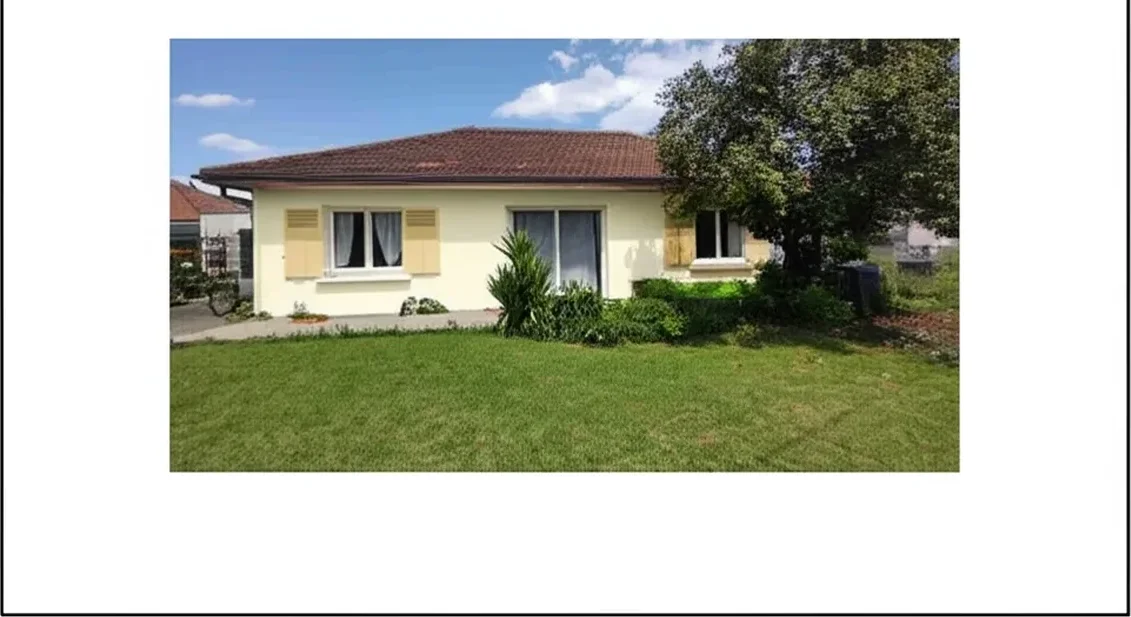
Try it on your house

If you own a home in a Colorado HOA community, choosing an exterior paint color that satisfies your architectural review committee while standing up to high-altitude UV, dry winters, and (in many counties) wildfire risk is a different challenge from anywhere else in the country. The Colorado Common Interest Ownership Act, known as CCIOA, governs how associations publish and enforce approved color palettes, and a wave of 2025-2026 reforms has reshaped how color disputes get resolved. Below, you will find the eight HOA-friendly Colorado palettes winning approval in 2026, region-by-region mountain-rustic, Front Range, and urban Denver guidance, plus everything you need to know about altitude-rated paint and post-Marshall Fire wildfire mitigation.
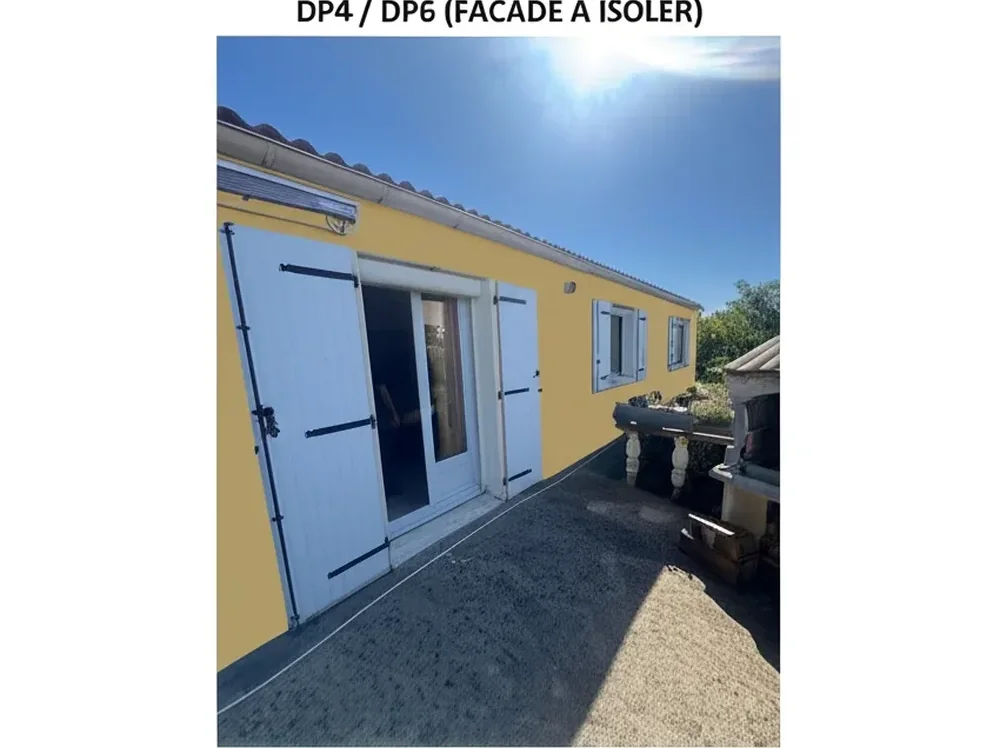
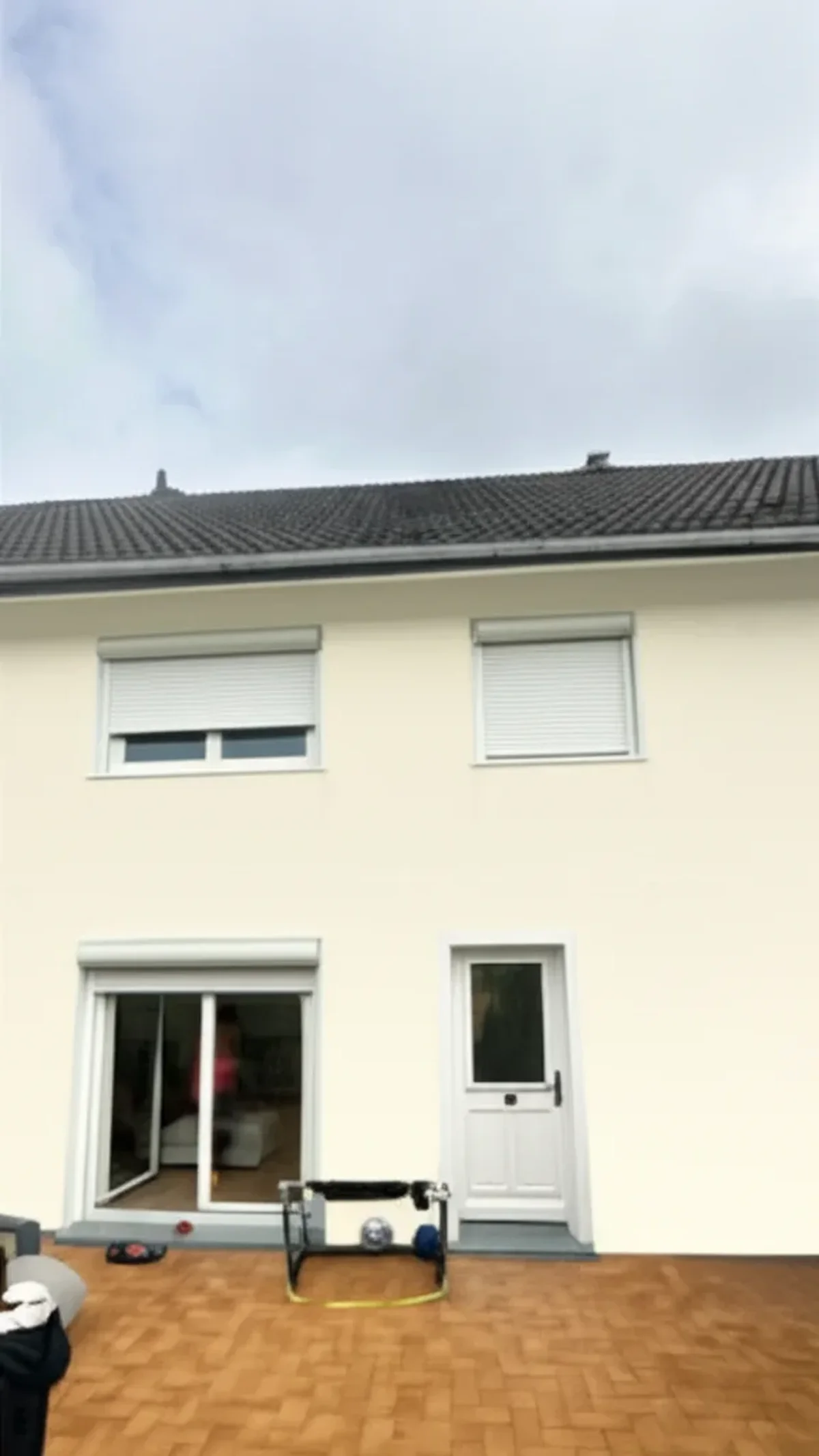
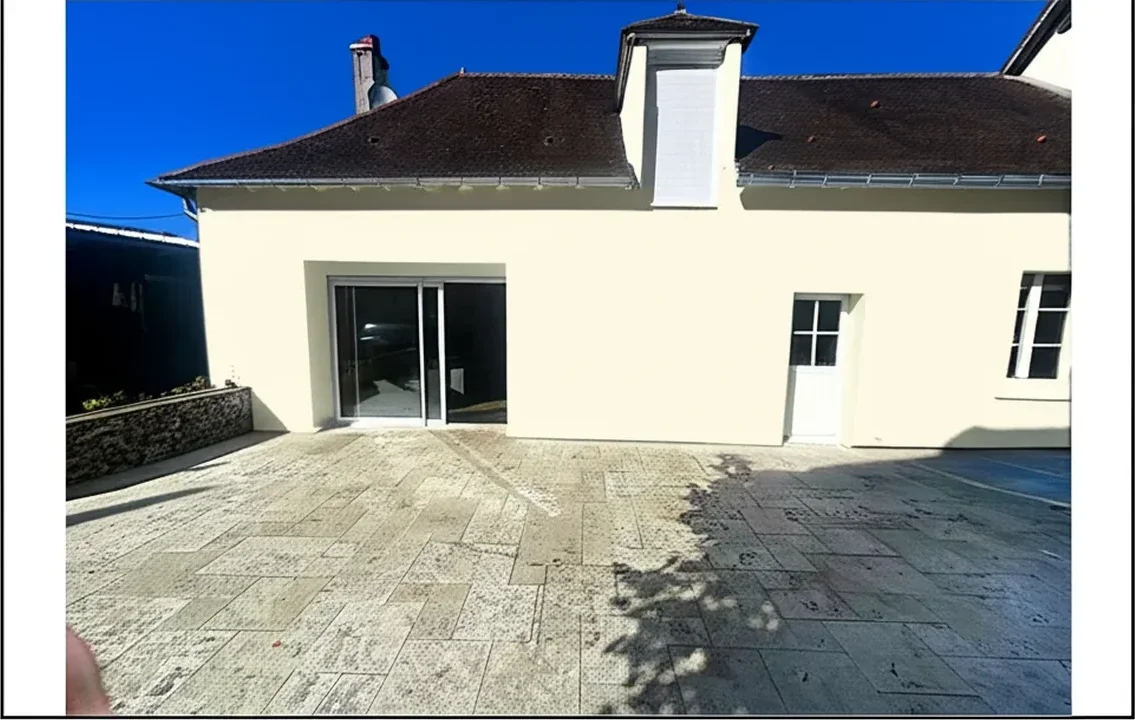
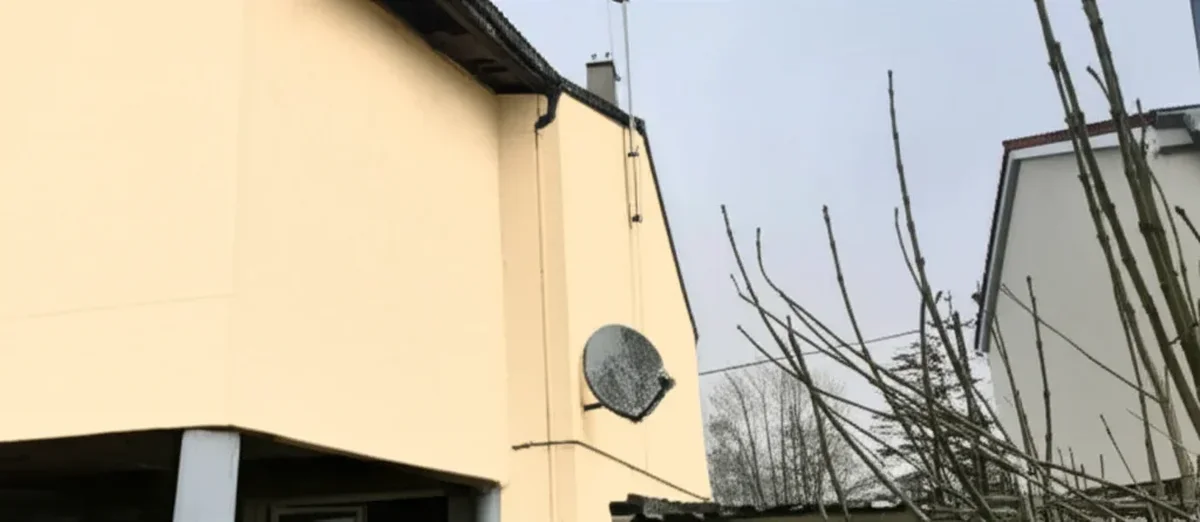
Before you submit a paint approval request to your architectural committee, preview your color on a real photo of your home using our free AI color simulator, Colorado committees respond fastest when they can see exactly how Sequoia, Iron Ore, or Saybrook Sage will look against your siding, trim, and the surrounding aspen or pine landscape.
CCIOA: The Law Behind Every Colorado HOA Color Rule
The Colorado Common Interest Ownership Act (CCIOA, codified at C.R.S. 38-33.3) is the master statute that governs every common interest community in the state, from a 12-unit Boulder condo to a 4,000-home Front Range master-planned development. CCIOA dictates how covenants, CC&Rs, and design guidelines can restrict exterior paint colors, and how the board must publish its approved color palette and conduct architectural review.
Under CCIOA, an HOA can require paint approval before any repainting, can publish a binding color book, and can issue violation notices and fines for unapproved colors. However, the statute also imposes procedural duties on the board: the architectural review committee must respond to a complete application within a reasonable time (most Colorado HOAs commit to 14 to 60 days in their governing documents), and the committee cannot deny a color request arbitrarily or for reasons not grounded in the published design guidelines.
Two 2025 reforms changed the dispute landscape for 2026. HB25-1123 mandates a structured alternative dispute resolution sequence (direct negotiation, then mediation, then arbitration) before an unresolved color dispute can reach a courtroom. And the October 2025 amendment requires HOAs to strictly comply (not just "substantially comply") with every CCIOA requirement, meaning a board that skips its own design-review timeline loses the ability to deny your color application on procedural grounds. For the national framework, see our HOA-approved exterior paint colors guide for 2026.
Top 8 Colorado HOA-Approved Palettes for 2026
Across 680 Colorado homeowner simulations we've reviewed in the past 18 months, the colors below appear repeatedly on approved color palettes in Front Range suburbs, mountain-town design districts, and Denver-metro planned communities. Each pairing balances curb appeal, altitude UV durability, and the mountain-rustic visual vocabulary that Colorado committees consistently favor.
| Color | Brand / Code | Best Use | Where It Lands |
|---|---|---|---|
| Sequoia | Sherwin-Williams SW 7701 | Body color, mountain-rustic siding | Aspen, Vail, Steamboat Springs |
| Cedar Naturaltone | Behr SC-103 (semi-transparent stain) | Log siding, cedar shake, fence | Estes Park, Evergreen, Breckenridge |
| Iron Ore | Sherwin-Williams SW 7069 | Trim, shutters, garage door | Denver metro, Boulder, Fort Collins |
| Aspen Gold | Behr N430-5 Aspen Valley | Front-door accent, single shutter row | Aspen, Telluride, Crested Butte |
| Pewter Cast | Sherwin-Williams SW 9650 | Body color, contemporary urban | Denver, Highlands Ranch, Lone Tree |
| Stone House | Benjamin Moore 1015 | Body, stone-and-stucco transitions | Castle Rock, Parker, Westminster |
| Saybrook Sage | Benjamin Moore HC-114 | Body color, nature-blending sage | Boulder, Louisville, Niwot |
| Linen White | Benjamin Moore 912 | Trim, soffits, classic cream | Statewide, universally approved |
Try it on your house
No photo? Try a sample
A common winning combination on Front Range submissions is Stone House body with Iron Ore trim and a Linen White soffit, while mountain-town committees in Aspen and Vail respond most positively to Sequoia body, Cedar Naturaltone garage doors, and an Aspen Gold front door kept under 5% of the visible facade. For a closer look at the most-approved family overall, our best HOA-approved exterior paint colors for 2026 ranks the top 25 nationwide.
Altitude UV: Why Colorado Paint Specs Are Different
Colorado's combination of elevation and clear-sky days makes ultraviolet exposure dramatically higher than at sea level. Denver sits at 5,280 feet (the famous "Mile-High City"), Boulder at 5,430 feet, Vail at 8,150 feet, and Aspen at roughly 7,900 feet. UV intensity rises about 5% per 1,000 feet of elevation, which means a home in Aspen receives nearly 40% more UV at noon than the same paint chip would experience in coastal Florida. This accelerates fade, chalking, and resin breakdown in lower-grade exterior paint, and explains why most Colorado HOAs now require specific durability ratings in their design guidelines.
Test your color in our free visualizer before you commit to a product line, then specify a UV-rated product when you submit. The premium tiers, including Sherwin-Williams Duration and Emerald Exterior, Benjamin Moore Aura Exterior, and Behr Marquee, all carry the inorganic-pigment formulations that hold color in high-UV environments for 10 to 15 years. Lower-grade builder paint can show visible fade in three to five years at altitude, which then triggers a maintenance violation letter from your HOA. For deep durability data on the top-tier line, see our review of Sherwin-Williams Emerald Exterior in 2026 and our best exterior paint for hot climates guide, both of which translate directly to high-altitude UV durability.
Colorado's freeze-thaw cycles add a second pressure: paint film that becomes brittle from UV will crack at the first hard freeze. Mountain HOAs in Summit County, Pitkin County, and Eagle County typically require elastomeric or premium 100% acrylic top coats. Confirm the specification with your architectural review committee before ordering paint, several mountain associations will reject an application that names a color but pairs it with a non-compliant product line.
Mountain-Rustic, Front Range, and Urban Denver: Three Color Vocabularies
Colorado's HOA palettes split into three regional dialects, and submitting a color that belongs to the wrong dialect is the single most common reason design reviews come back with a rejection or "please revise" letter.
Mountain-Rustic (Aspen, Vail, Telluride, Breckenridge)
Mountain-town committees expect a palette that blends into surrounding aspen, pine, and rock. Body colors lean toward deep browns, dark grays, sage greens, and barn-red shades; bright whites and cool blues are typically not approved for body use because they read as visually disruptive against the landscape. Cedar shake and log siding remain strongly preferred, often stained rather than painted (Behr SC-103 Cedar Naturaltone is approved by name in many Vail-area design books). Roofs trend toward dark green, weathered copper, or charcoal. Accent colors are reserved for the front door and limited trim, with Aspen Gold and Iron Ore among the most-approved options.
That mountain-rustic dialect is a minority position in Colorado but the regional default further west. Washington color books are written for a forested, gray-sky setting from the start, which is why the deep grays and greens that only clear review in Aspen or Vail here (Iron Ore among them) sit comfortably in the middle of an approved Seattle or Bellevue palette, and why committees there are equally reluctant to sign off on a bright white body. Our guide to HOA-approved exterior colors in Washington sets out those eight palettes region by region.
Front Range Suburban (Castle Rock, Parker, Highlands Ranch, Westminster)
Front Range master-planned communities use a hybrid color book with three to five pre-approved schemes per architectural style (typically Craftsman, Tuscan, and Prairie). The most consistently approved bodies are Stone House, Saybrook Sage, Pewter Cast, and warm greiges in the Revere Pewter to Edgecomb Gray range. Trim is almost always Linen White, Iron Ore, or a coordinating off-white. The architectural review committee will reject a body-on-body submission (where body color repeats on the garage door without contrast) and any front door over 8% of the visible facade in saturation.
Urban Denver and LoDo / Stapleton / Central Park
Denver-metro HOAs, especially in the redeveloped Central Park (formerly Stapleton) and LoDo districts, are increasingly open to contemporary exterior paint colors. Pewter Cast, deep charcoal, and near-black bodies are gaining approval when paired with warm wood-tone trim and clear-anodized window frames. Iron Ore as a full-house body color, almost unthinkable a decade ago in HOA submissions, now appears on roughly 8% of approved Central Park applications. For exact pricing on a Denver repaint, our exterior painting cost guide for Denver 2026 breaks down labor and materials by neighborhood.
Aspen, Vail, and Boulder: The Strictest Design Districts
Three Colorado design districts run the most rigorous architectural review in the state. If you own a home in any of them, expect longer review timelines, mandatory in-person presentations, and color books that read more like building codes than guidelines.
- Aspen / Pitkin County: The City of Aspen's Historic Preservation Commission governs homes within the historic overlay (most of the West End and Smuggler areas). Body colors are restricted to a roughly 30-color palette drawn from Sherwin-Williams Historic Collection, dominated by Sequoia, Rookwood Sash Green, Roycroft Bottle Green, and Cottage Cream. Outside the overlay, Aspen Village Council and the individual HOAs (Snowmass Club, Starwood, Aspen Highlands) each maintain shorter mountain-rustic books.
- Vail Village / Lionshead: The Vail Design Review Board publishes a Mountain Architecture Guidelines document that strictly limits body colors to "natural, muted, earth-tone hues that recede into the landscape." Bright accent colors are permitted only on doors covering less than 10% of the facade. Submissions require physical 8-by-10-inch painted samples mounted to the home, not just digital chips.
- Boulder / Boulder County: The City of Boulder runs a less restrictive review than Aspen or Vail, but Boulder County HOAs in the foothills (Pine Brook Hills, Lake Valley, Sunshine Canyon) layer on wildfire-mitigation rules. Saybrook Sage, Stone House, and a darker palette of mountain-friendly greens and browns dominate approvals.
When in doubt, ask your architectural review committee for the last three approved color applications in your community, that precedent is the strongest evidence of what will pass. For the broader process workflow, our HOA color change approval process guide walks through documentation, timelines, and appeal rights step by step.
CCIOA Dispute Resolution: What HB25-1123 Means for Color Rejections
If your architectural review committee denies your color application and you believe the denial is arbitrary or violates the published design guidelines, Colorado's new mandatory ADR sequence (effective August 2026 under HB25-1123) gives you a structured path before you have to consider litigation.
- Direct negotiation. File a written request for reconsideration with the board, attaching photographic evidence of neighbor precedent, your visualization, and the specific design guideline section you believe supports approval. The board must respond in writing within the timeline its bylaws specify.
- Mediation. If negotiation fails, both sides participate in mediation through a Colorado-approved mediator. Mediation is non-binding but most color disputes settle here, because mediators are skilled at brokering "approve color X with these three conditions" compromises.
- Arbitration. Unresolved disputes escalate to binding arbitration. The arbitrator reviews the written design guidelines, application packet, and rejection rationale, and issues a binding determination.
- Colorado Division of Real Estate HOA Information Office. While Colorado does not have a true HOA ombudsman with enforcement power (the State explicitly cannot intervene in CCIOA disputes), the Division publishes guidance, accepts complaints for statistical tracking, and can refer you to qualified mediators.
That ladder is a Colorado construction, and the same argument travels through very different channels elsewhere, which is worth knowing if you own in more than one state. Maryland sends it to a state program rather than to private mediators: once a written request for reconsideration has failed at board level, the Maryland Department of Labor's Common Ownership Communities office picks up the file. Our guide to Maryland HOA architectural coating rules and approved palettes maps that route and the Title 11B obligations a board has to meet long before it gets there.
Wildfire-Resistant Paint: A Post-Marshall Fire Standard
The December 2021 Marshall Fire in Boulder County destroyed more than 1,000 homes in Louisville, Superior, and unincorporated Boulder County, and rewrote how Colorado HOAs in the Wildland-Urban Interface (WUI) think about exterior paint. While Colorado still lacks a single statewide fire-resistant construction code, Boulder County and many foothill HOAs have since adopted WUI building amendments, and the state released new model wildfire-ready building codes in 2026.
Paint plays a smaller role than siding material, roofing, and defensible-space landscaping in wildfire mitigation, but it is not negligible. Fire-retardant exterior paint systems rated to ASTM E2768 (such as Firefree FFW) can slow flame spread on cellulose-fiber or wood siding. Many Boulder County and Larimer County HOAs in mapped WUI zones now permit (and a smaller number require) fire-retardant top coats on log, cedar, and fiber-cement substrates. If your community sits in a WUI map, ask your architectural review committee two questions before you order paint:
- Is a fire-retardant top coat required, permitted, or out of scope for paint approval in your community?
- Does the design guideline allow you to use a slightly darker shade (which absorbs more heat but can be paired with fire-retardant overcoats) versus only a lighter palette?
That second question is the leading edge of a wider shift: committees are starting to regulate the coating as well as the color, which is what lets a darker shade back onto the table. Nevada is the furthest along. Its newer master plans allow body colors below LRV 35 on the condition that the paint is a cool-paint NIR-reflective formulation, reflecting 40 to 65% of near-infrared radiation instead of the 5 to 25% a standard exterior product reflects. The hazard is different from Colorado's, but the drafting is the model a WUI committee is most likely to borrow, and our Nevada HOA-approved exterior colors guide sets out how the clause is written and which communities enforce it.
The same drafting has already taken hold on the wet side of the country for an entirely different reason. In Oregon, wooded developments increasingly name mildew-resistant top coats in the design guidelines themselves, so an approval can turn on the product line as much as on the shade, exactly the pattern a Colorado WUI committee is now testing with fire-retardant coatings. Our guide to HOA-approved exterior colors in Oregon lists the products those guidelines cite and how the palettes are built around low-light performance.
For homeowners weighing siding alternatives alongside paint, our aluminum siding vs fiber-cement comparison for 2026 reviews fire-resistance ratings, paintability, and HOA-approval friendliness. And if you're considering the broader question of which architecture style your color must complement, our forward-looking Craftsman paint colors for the Pacific Northwest 2026 guide shares the dark, nature-blending palettes that translate directly to mountain-Colorado HOA submissions.
How to test it on your own home before you buy
No third-party report replaces your own walls: the same color reads differently on a north elevation and a south one, next to red brick or a gray roof, under morning and evening light. Take a daylight photo, upload it to the free AI paint visualizer, and run two or three candidates on the same image so the comparison is fair. Keep the one or two that survive the side-by-side, buy a sample of each, and brush them out on the actual surface in the actual light before you order the full quantity.
Visualize Your Colorado HOA Color Before You Submit
Colorado architectural review committees approve fastest when they can see exactly what you're proposing. Upload a photo of your home, test Sequoia, Iron Ore, Saybrook Sage, or any other Colorado-friendly color, and attach the photorealistic preview to your paint approval packet. Our AI color simulator is free, no sign-up required, and the visualizations are ready to print or PDF for your committee in seconds.
Preview your Colorado HOA color before you submit
Test Sherwin-Williams, Benjamin Moore, and Behr colors on your actual home in seconds.
Try the Free AI Color VisualizerFrequently Asked Questions
1. What is CCIOA, and how does it affect HOA paint colors?
The Colorado Common Interest Ownership Act (CCIOA, C.R.S. 38-33.3) is the master statute governing every common-interest community in Colorado. It authorizes HOAs to publish approved color palettes, require paint approval before repainting, and enforce violations, while also imposing procedural duties on architectural review committees, including reasonable response timelines and non-arbitrary denials.
2. Which paint colors are most commonly approved by Colorado HOAs?
The eight most consistently approved 2026 Colorado HOA colors are Sherwin-Williams Sequoia, Behr Cedar Naturaltone stain, Sherwin-Williams Iron Ore, Behr Aspen Gold (Aspen Valley), Sherwin-Williams Pewter Cast, Benjamin Moore Stone House, Benjamin Moore Saybrook Sage HC-114, and Benjamin Moore Linen White.
3. Does Colorado's altitude affect which paint I should use?
Yes. UV intensity rises about 5% per 1,000 feet of elevation, so paint in Aspen (7,900 ft) or Vail (8,150 ft) faces up to 40% more UV than at sea level. Most Colorado HOAs require premium UV-rated lines such as Sherwin-Williams Emerald Exterior, Benjamin Moore Aura Exterior, or Behr Marquee for 10 to 15 years of color hold.
4. How long does Colorado HOA architectural review take?
Most Colorado HOAs commit to 14 to 60 days in their governing documents, with 30 days being typical. Aspen and Vail design districts can take 60 to 90 days because they often require in-person presentations and physical painted samples mounted on the home.
5. What happens if my HOA rejects my color application?
Under HB25-1123 (effective August 2026), unresolved color disputes must follow a mandatory three-step ADR sequence: direct negotiation, mediation, then binding arbitration. Colorado does not have an HOA ombudsman with enforcement power, but the Division of Real Estate HOA Information Office accepts complaints and can refer you to qualified mediators.
6. Are mountain-town HOAs in Aspen and Vail really stricter?
Yes. Aspen's Historic Preservation Commission restricts body colors to roughly 30 historic-collection options, and Vail's Design Review Board requires physical 8-by-10-inch painted samples mounted to the home rather than digital chips. Both districts limit accent colors to under 10% of facade saturation.
7. Does wildfire risk affect my Colorado HOA paint choice?
After the 2021 Marshall Fire, many Boulder County and foothill HOAs in mapped Wildland-Urban Interface (WUI) zones now permit or encourage fire-retardant top coats rated to ASTM E2768. Confirm with your architectural review committee whether fire-retardant overcoats are required, permitted, or outside the scope of paint approval.
8. Can I use a paint visualizer to speed up my HOA approval?
Absolutely. Colorado architectural review committees consistently approve faster when applications include a photorealistic preview of the proposed color on the actual home. Our free AI color simulator lets you test any Colorado-friendly color in seconds, and the output prints or PDFs directly into your paint approval packet.
External References
Official sources
To verify the regulatory information in this guide at the primary source:
- US EPA : Lead-safe (RRP) rules for homes built before 1978
- U.S. Department of Energy : Energy-efficient exterior and coating guidance
- International Code Council : Model building codes adopted by most US jurisdictions
External links. FacadeColorizer is not affiliated with these bodies and their guidance may change over time.
Trademarks mentioned (Sherwin-Williams, Benjamin Moore, Behr, Caparol, Brillux, Sto, Alpina, Valspar, PPG, Glidden, Dulux, Crown Trade, Sandtex, Farrow & Ball, Johnstone's, Leyland) are property of their respective owners. FacadeColorizer is independent and not affiliated with any of them. Nominative fair use under Lanham Act §1125.