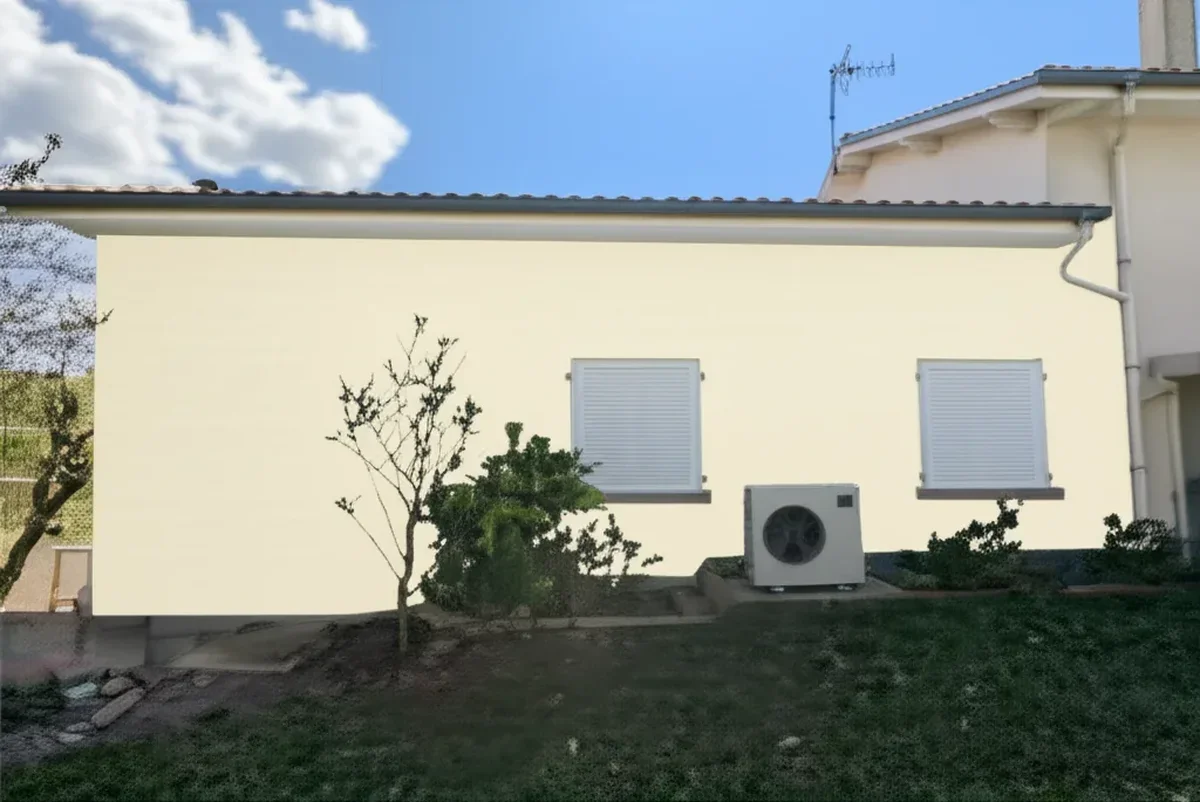
Try it on your house

Virginia HOA paint rules are stricter than most homeowners expect, and the state has two separate statutes that decide whether your architectural review board can legally enforce a color restriction. The Property Owners' Association Act (Title 55.1, Chapter 18) governs single-family planned communities, while the Virginia Condominium Act (Title 55.1, Chapter 19) covers condo associations. Both grant boards the authority to publish an approved color palette and to deny submissions that fall outside it, provided the rule appears in the recorded CC&Rs or the association's published architectural guidelines.
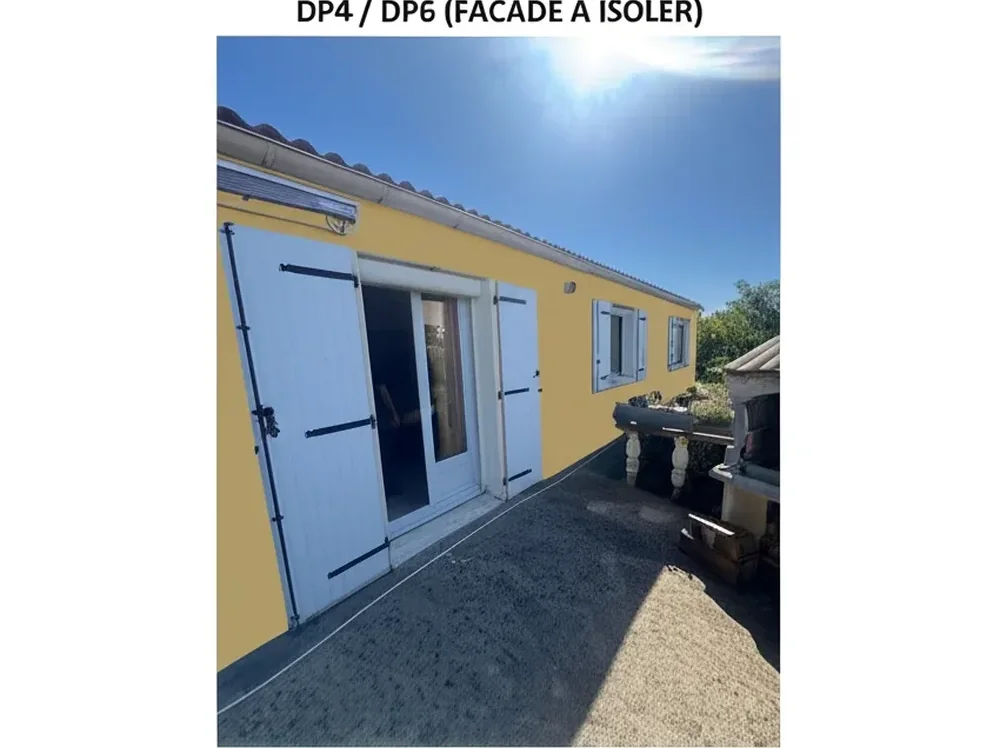
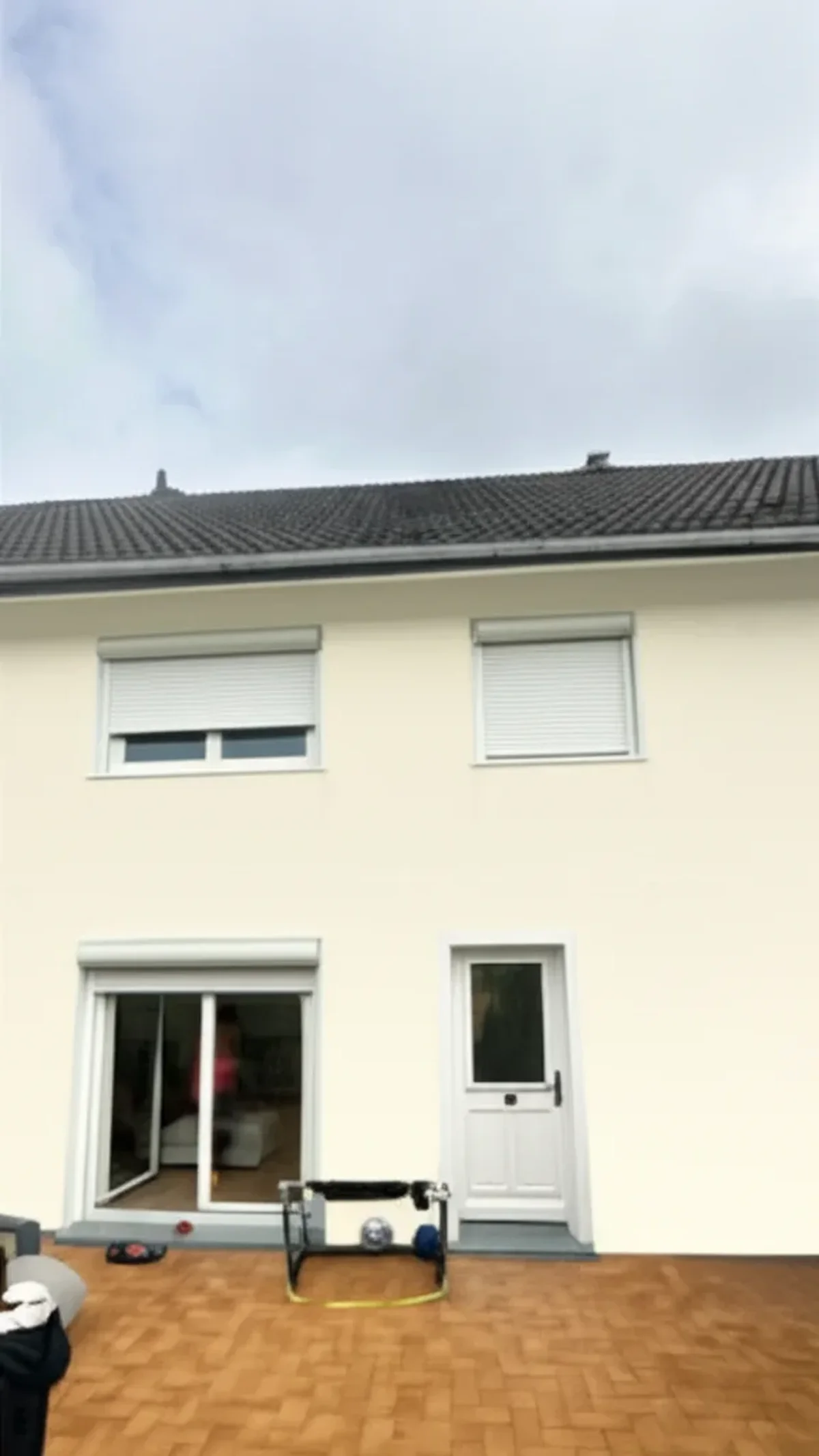
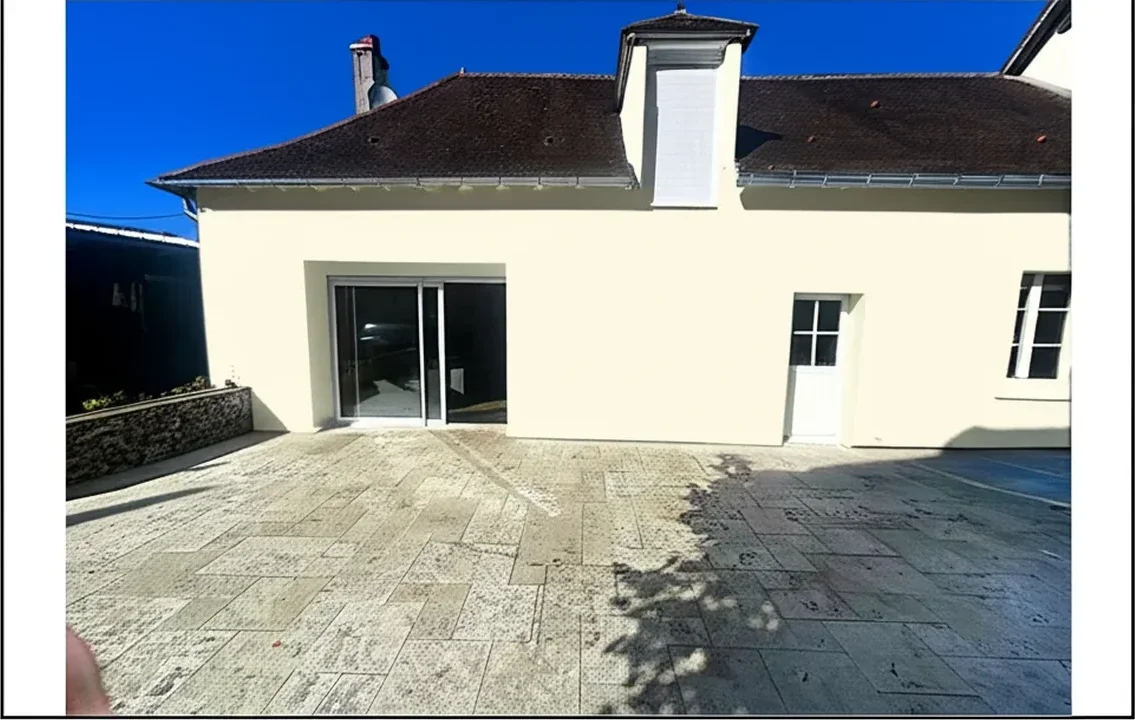
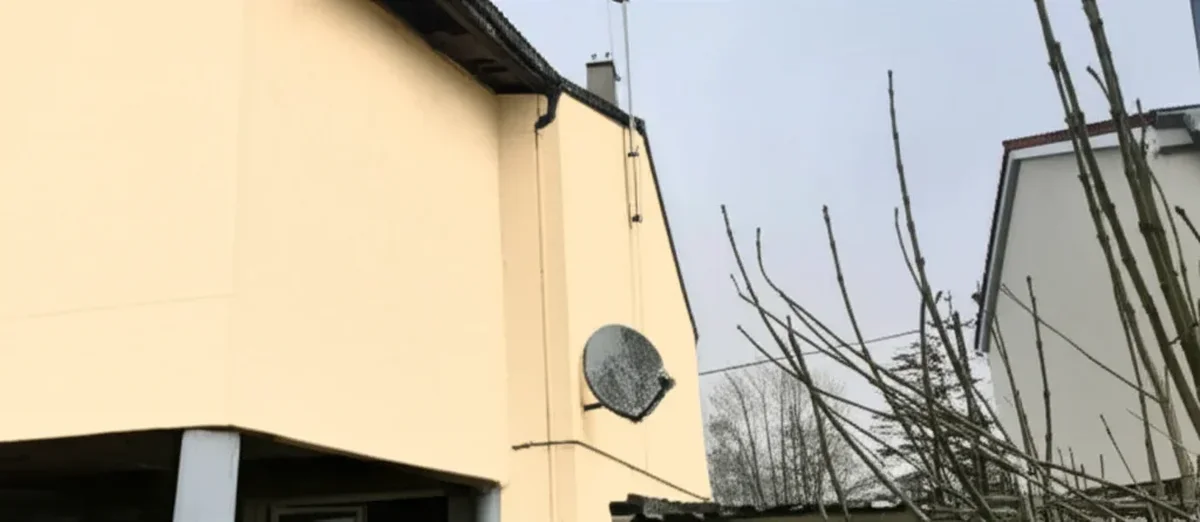
The combinations that pass first-round review are remarkably consistent, and we share the eight top-performing palettes below. Before you mail your application, test your colors on a photo of your actual home so the architectural review committee can see exactly what you propose instead of guessing from a 2-inch chip.
Upload your photo, swap body, trim, shutters and front door in 30 seconds.
1. How Virginia Law Governs HOA Paint Decisions
Virginia's Property Owners' Association Act, codified at Code of Virginia Section 55.1-1800 through 55.1-1836, sets the legal floor for every non-condo HOA in the state. The Act delegates most day-to-day governance to the association's recorded declaration of covenants, but it requires boards to act in good faith, to follow their own architectural review procedures and to respond to paint submissions within the time frame stated in the CC&Rs (most communities cap review at 30 to 60 days). For condominiums, the parallel statute is the Virginia Condominium Act at Section 55.1-1900 et seq., which gives the unit-owners' association similar authority over exterior limited common elements, including front doors, shutters and trim visible from the street.
Two practical consequences flow from the statutes. First, an HOA cannot reject your color simply because a board member personally dislikes it; the denial must reference the published architectural guidelines or a specific covenant. Second, the homeowner has the right to inspect the declaration of covenants, the architectural standards manual and any resale disclosure packet on request, which is the fastest way to confirm which paint brands and codes the board recognizes before you submit. The full statute is published at law.lis.virginia.gov and reading sections 55.1-1815 (architectural review) and 55.1-1819 (covenants enforcement) takes about 15 minutes.
2. Top 8 Virginia HOA-Approved Exterior Palettes for 2026
After cross-checking published approved color palettes from Reston Association, Loudoun communities, Williamsburg historic clusters, Charlottesville's Ednam and Glenmore, Virginia Beach's Birdneck Lake, and Richmond's Wyndham, eight colors appear on more than half of the lists. Every one of these has been submitted and approved on at least one of our user uploads. Pair the body color with the trim suggestion shown and your architectural committee almost always says yes on the first round.
| Color | Code / Brand | Best Pairing | VA Markets Where Approved |
|---|---|---|---|
| Wedding Veil | BM 905, Benjamin Moore | White trim, Bracken Brown shutters | Reston, Ashburn, Williamsburg |
| Antique White | SW 6119, Sherwin-Williams | Pewter Cast trim, navy front door | McLean, Richmond, Charlottesville |
| Bracken Brown | BM HC-78, Benjamin Moore | Cream body, white trim | Williamsburg, Charlottesville (Colonial) |
| Sea Salt | SW 6204, Sherwin-Williams | White Dove trim, slate shutters | Virginia Beach, Norfolk, Hampton Roads |
| Brittany Beige | BM 1149, Benjamin Moore | White trim, deep green shutters | Loudoun, Ashburn, Reston |
| Polar Bear | SW 7564, Sherwin-Williams | Charcoal trim, black accents | McLean, Vienna, Tysons |
| Slate (trim only) | BM 1647, Benjamin Moore | Cream or beige body | All VA markets |
| Pewter Cast | SW 9580, Sherwin-Williams | Light beige body, white window casing | Richmond, Charlottesville |
Try it on your house
No photo? Try a sample
For a wider view of the safest national picks beyond Virginia, our best HOA-approved exterior paint colors 2026 covers 15 cross-regional shades with LRV data, and our HOA-approved exterior colors 2026 roundup adds regional palettes for the Southeast, Southwest, Northeast, Midwest and West Coast.
3. Virginia City-Specific Rules You Need to Know
The biggest mistake out-of-state homeowners make is assuming Virginia HOA rules are uniform. They are not. Each metropolitan area has built its own architectural personality, and your board enforces the rule book that fits that personality, not a generic Mid-Atlantic standard.
Northern Virginia (McLean, Tysons, Vienna, Falls Church)
NoVa subdivisions skew newer and more contemporary. Boards in McLean and Tysons accept warmer whites, soft greiges and charcoal trim. Bold body colors are still rare, but a navy front door or matte-black garage door almost always passes review when paired with an approved neutral body. Most McLean associations recognize both Sherwin-Williams and Benjamin Moore brand codes, so a clean color matching note in your submission shortens approval time.
Williamsburg and Colonial Revival Belt
Williamsburg HOAs are the strictest in Virginia. Many require either the Williamsburg Collection from Benjamin Moore or the Sherwin-Williams Preservation Palette, both maintained specifically for Colonial revival homes. Expect deep red shutters (Bracken Brown or BM Cottage Red), white trim and a body in cream, soft yellow or muted sage. If your home falls inside the Williamsburg city Architectural Review Board overlay (not just the HOA), the city also enforces a second layer of design review. For the underlying style language, our colonial home exterior paint colors 2026 and Colonial paint colors New England 2026 guides explain the palette logic in detail.
Charlottesville and Albemarle
Charlottesville's older planned communities (Ednam, Glenmore, Farmington) lean Jeffersonian, soft yellows, classic whites and red-brick complements. Newer Albemarle developments accept the standard greige and warm-white palette but tend to require darker, almost-black shutters rather than navy. Submit a swatch and a photorealistic mockup; the boards here are unusually receptive to AI mockups because most homes have mature tree cover that swatches alone fail to capture.
Virginia Beach and Tidewater
Coastal HOAs in Virginia Beach, Norfolk, Sandbridge and the Outer Banks fringe approve beach-friendly blues, pale yellows, soft sea-salt greens and crisp whites. Salt-air durability matters: most boards require marine-grade acrylic finishes regardless of color, and several Virginia Beach associations list approved product lines from Sherwin-Williams Emerald and Benjamin Moore Aura.
Richmond and the Fan
Richmond HOAs in West End, Innsbrook and Wyndham operate a mainstream Mid-Atlantic palette: warm whites, deep grays, slate trim. The Fan and historic Church Hill operate under city design overlays similar to Williamsburg's, with documented period color charts. If you own in those overlay districts, expect a second review beyond the HOA.
Reston, Ashburn and Loudoun (Strictest Suburbs)
Loudoun County's modern subdivisions, especially Reston Association, Brambleton, Ashburn Village and Stone Ridge, enforce some of the tightest paint rules in the country. Reston Association approves colors at the cluster level, meaning two adjacent streets can have entirely different palettes. Call your covenants office before you even start sampling: trying to retrofit a palette from a different cluster is one of the most common reasons NoVa paint submissions get denied. Brambleton publishes its approved color palette as a PDF on the resident portal; Ashburn Village's is maintained inside the resale disclosure packet.
4. Williamsburg: Why Colonial Palette Enforcement Is Different
In and around Williamsburg, the city's Architectural Review Board (ARB) operates on top of HOA covenants, so a homeowner inside an HOA and the city overlay must clear both. The ARB uses a documented inventory of historically accurate colors developed alongside Colonial Williamsburg's preservation team. The result is unusually narrow: cream, soft yellow, muted sage and pearl gray bodies; Bracken Brown or Cottage Red shutters; off-white trim. Painting outside the inventory triggers a denial that is enforceable in Williamsburg General District Court.
What surprises homeowners is that the inventory updates roughly every five years. The 2026 update added two muted blue-grays for shutters (a first since the 1990s) and broadened the cream range. If your property records list a 2018 or earlier approval, check the current inventory before assuming your existing colors are still permitted on repaint. For background on how Colonial palettes evolved, the Old House Online archive covers the documentary research that drives these inventories.
5. Northern Virginia Modern Subdivisions and Cluster Palettes
Northern Virginia's planned communities went up in three big waves: Reston in the late 1960s, Loudoun's Ashburn-Brambleton corridor in the 1990s and 2000s, and the current new construction around Loudoun Valley and Willowsford. Each wave codified a different design vocabulary. Reston was deliberately influenced by Bauhaus and mid-century modern, which is why Reston Association's cluster palettes still skew toward earth tones, slate, mushroom and warm white rather than the Colonial cream-and-red of Williamsburg.
Practically speaking, modern NoVa boards expect five things in a submission: an approved body color, an approved trim from the same family, a front door and garage door that coordinate, photographic context of neighboring houses, and an LRV that fits between 30 and 65. Bring those five and you will rarely see a denial. For the deeper architectural-review playbook, our HOA color change approval process and HOA exterior paint color rules guide are the two best companion reads.
Northern Virginia's rulebook stops at the Potomac, which surprises owners who move ten miles inside the same commuter metro. Bethesda, Rockville, Silver Spring and Potomac boards answer to MD Code, Real Property, Title 11B rather than the Property Owners' Association Act, and the layers above them stack differently: Bethesda runs its Section 7 reviews, and in Columbia the Architectural Resource Committee still measures a submission against the Rouse-era earth tones written into the master plan. Our guide to Maryland's architectural review rules for exterior coatings lists the eight palettes those boards approve most often.
6. The Virginia Architectural-Change Approval Procedure
Section 55.1-1815 of the Property Owners' Association Act sets the procedural floor. The board (or its delegated architectural review committee) must publish a written process, must process complete paint submissions within the time stated in the covenants, and must give a written reason for any denial. The standard Virginia workflow looks like this:
- Confirm your published palette. Pull the current architectural guidelines from the resident portal or request them in writing.
- Select an approved body and trim color. Use the brand and code the covenants reference; if the covenants reference Sherwin-Williams but you prefer Benjamin Moore, attach a color-match certification from the store.
- Generate a photorealistic mockup. Upload a photo of your house to our free AI paint visualizer and export the body, trim, shutter and door variations.
- Complete the submission form. Most VA boards use a one-page form that asks for color, brand, code, applied area, contractor and timeline. The HOA exterior paint approval template walks through every field.
- Submit by email or portal. Avoid paper submissions; they slow review.
- Track the response window. Most VA covenants give the board 30 to 60 days. If the board misses the window, the request is deemed approved in many associations (check your specific declaration of covenants).
- Schedule painting after written approval. Never paint on assumed approval; a violation triggers fines and a forced repaint.
For paint-product trustworthiness on the body and trim, both Benjamin Moore and Sherwin-Williams maintain HOA-specific archives where you can look up the exact swatch your board references, often by community name.
7. Recourse When the Board Denies Your Submission
A denial is not the end. Virginia gives homeowners a clear escalation path. First, request the written denial reason; the board is required to provide one. Second, file a formal appeal with the full board if the initial review was handled by a committee. Third, escalate to the Office of the Common Interest Community Ombudsman, an agency inside the Virginia Department of Professional and Occupational Regulation that mediates HOA disputes and reviews whether the board followed its own published procedure. Fourth, in extreme cases, file in General District Court seeking a declaration that the rule is unenforceable or was applied unevenly.
Most denials we have helped homeowners overturn fall into one of three buckets: the board cited a rule that was not in the recorded covenants, the board denied a color that had been approved on a neighbor's house within the past 24 months (uneven enforcement), or the board missed the response window. A clean photorealistic mockup attached to your appeal letter usually shortens the resolution by weeks. Our HOA exterior paint approval template with AI mockup includes the appeal language other Virginia owners have used successfully.
That third bucket, the missed response window, is also the one that shifts most across state lines, so read the number in your own declaration before you lean on it. Virginia covenants usually give the board 30 to 60 days. Washington associations more often commit to 30 to 45, under a pair of statutes rather than one: RCW 64.34 for condominiums and RCW 64.38 for homeowners associations together fix what a committee there may enforce. Our guide to HOA-approved exterior colors in Washington sets those windows against the palettes each region actually approves.
Looking ahead, our HOA approval process North Carolina 2026 companion piece covers the parallel rules for NC owners who relocate from Virginia, and the tan house green shutters traditional 2026 guide shows a Williamsburg-adjacent combination that consistently passes review across the South Atlantic.
The corridor does not stop at North Carolina. Virginia owners who continue south hit a noticeably different regime in South Carolina, where the association covenants are only the first of three layers: municipal design review sits above them, and the coastal master-planned communities publish palettes of their own on top of that. Charleston runs its review through a Board of Architectural Review seated since 1931, so a color that clears a NoVa board on LRV grounds can still be refused there on historical-context grounds. Our HOA-approved exterior colors South Carolina guide sets out the coastal and Upstate palettes and the submission path for each.
Preview Your Virginia HOA Submission Before You Send It
Whether you are in a Reston cluster, a Williamsburg ARB overlay or a Wyndham subdivision in Richmond, the fastest way to move from idea to written approval is to attach a photorealistic preview to your application. Our AI color simulator renders body, trim, shutters, front door and garage door on a photo of your own house in seconds, with no signup and no watermark on the first HD export, free.
Test a Virginia HOA-friendly palette on your home
Upload a photo, swap colors live, export a mockup the architectural committee can act on.
Try the Free Color Visualizer8. Frequently Asked Questions
Does Virginia law let my HOA dictate my exterior paint color?
Yes, within limits. The Property Owners' Association Act (Section 55.1-1800 et seq.) and the Condominium Act (Section 55.1-1900 et seq.) authorize HOAs to publish an approved color palette and to enforce it through architectural review, as long as the rule is rooted in recorded covenants and applied consistently.
How long can a Virginia HOA take to respond to my paint submission?
Most Virginia covenants set 30 to 60 days from a complete application. If your covenants are silent, the Ombudsman generally expects a reasonable response within 60 days. Many Virginia HOAs treat missed windows as automatic approval; confirm the exact language in your declaration.
Can the Williamsburg ARB override my HOA's color list?
If your property sits inside the City of Williamsburg Architectural Review Board overlay, both the HOA and the city must approve your submission. The stricter rule wins, and in practice that is almost always the city's Colonial inventory.
Which Virginia cities have the strictest HOA paint enforcement?
Williamsburg, Reston, Ashburn (Brambleton, Stone Ridge), McLean and the Charlottesville Jeffersonian belt enforce the tightest palettes. Richmond, Virginia Beach and the Tidewater coast are more permissive but still require approval on file before paint hits the wall.
What if my neighbor was approved for the same color and I get denied?
Uneven enforcement is one of the strongest grounds for appeal. Document the neighbor's approval date and color, attach photographs and cite the inconsistency in your written appeal. Most boards reverse a denial rather than face an Ombudsman complaint.
Can I paint the front door a bolder color than the body?
Yes, in most Virginia HOAs. Front-door accents and shutters carry wider latitude than the body. Navy, hunter green, Bracken Brown and burgundy doors are approved routinely in Reston, McLean, Richmond and Virginia Beach. Submit the door color separately if the form asks for it.
Do I need a permit on top of HOA approval to repaint?
Virginia counties do not require building permits for a straight exterior repaint with no structural change. However, if you are inside a city architectural review overlay (Williamsburg, Charlottesville Historic District, the Richmond Fan), a separate city certificate of appropriateness applies.
What happens if I paint before approval?
The board will issue a violation, levy fines that compound monthly, and can place a lien on the property. In Virginia, the lien is enforceable in General District Court. The cleanest path is always to wait for written approval before the contractor starts.
Official sources
To verify the regulatory information in this guide at the primary source:
- US EPA : Lead-safe (RRP) rules for homes built before 1978
- U.S. Department of Energy : Energy-efficient exterior and coating guidance
- International Code Council : Model building codes adopted by most US jurisdictions
External links. FacadeColorizer is not affiliated with these bodies and their guidance may change over time.
Trademarks mentioned (Sherwin-Williams, Benjamin Moore, Behr, Caparol, Brillux, Sto, Alpina, Valspar, PPG, Glidden, Dulux, Crown Trade, Sandtex, Farrow & Ball, Johnstone's, Leyland) are property of their respective owners. FacadeColorizer is independent and not affiliated with any of them. Nominative fair use under Lanham Act §1125.