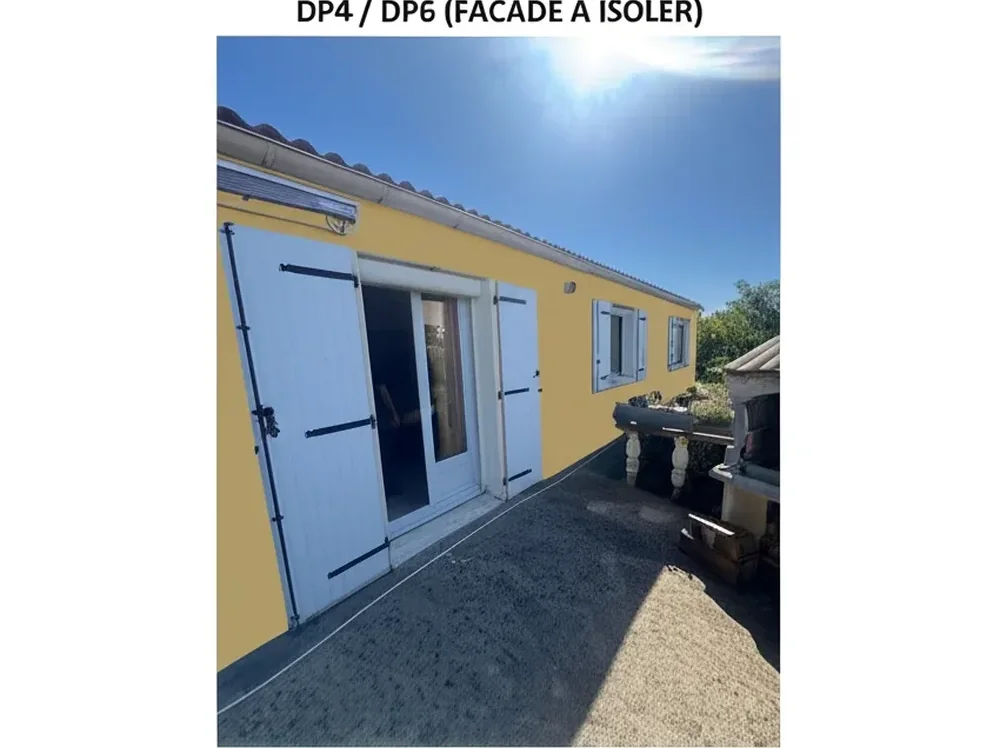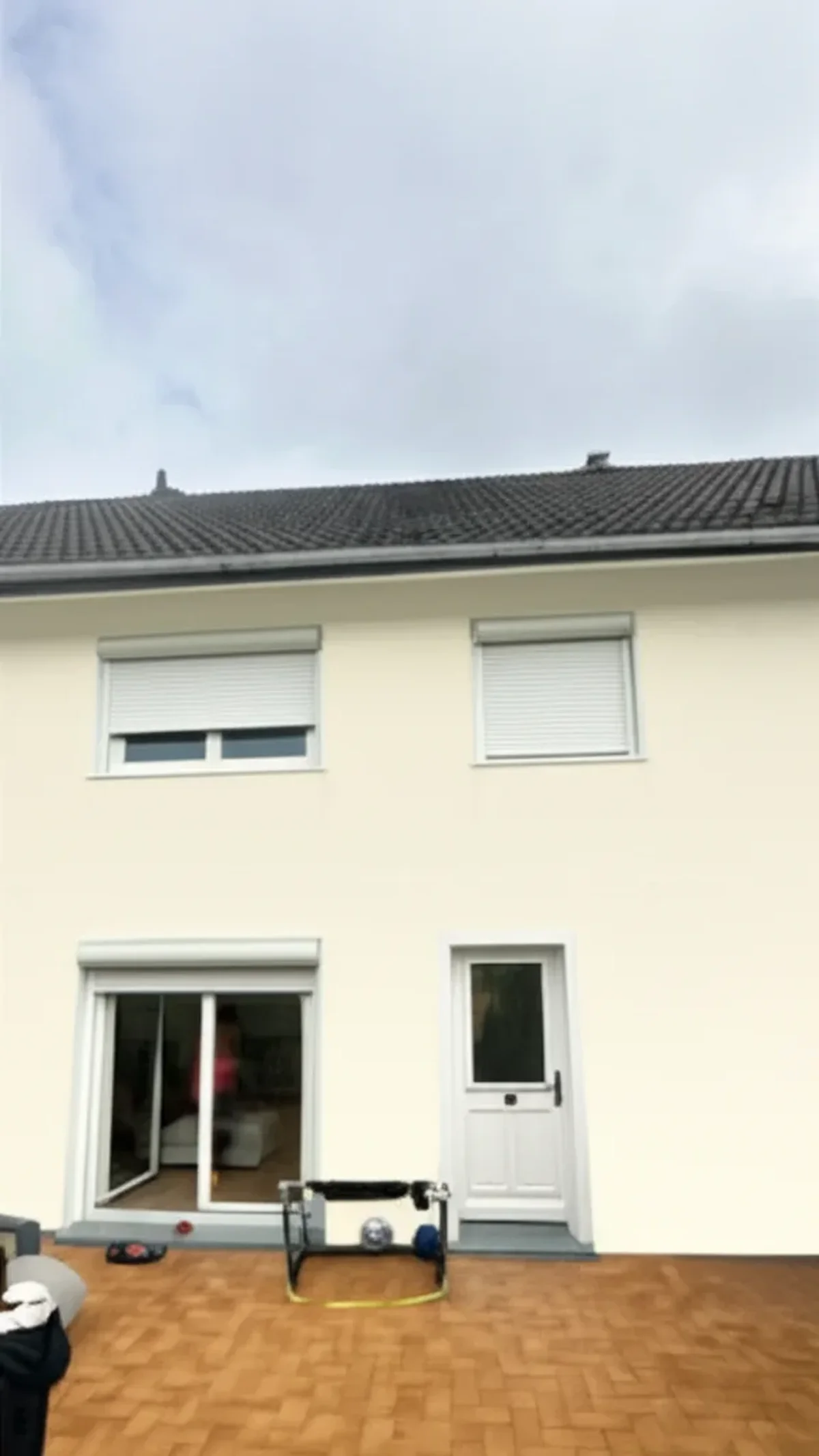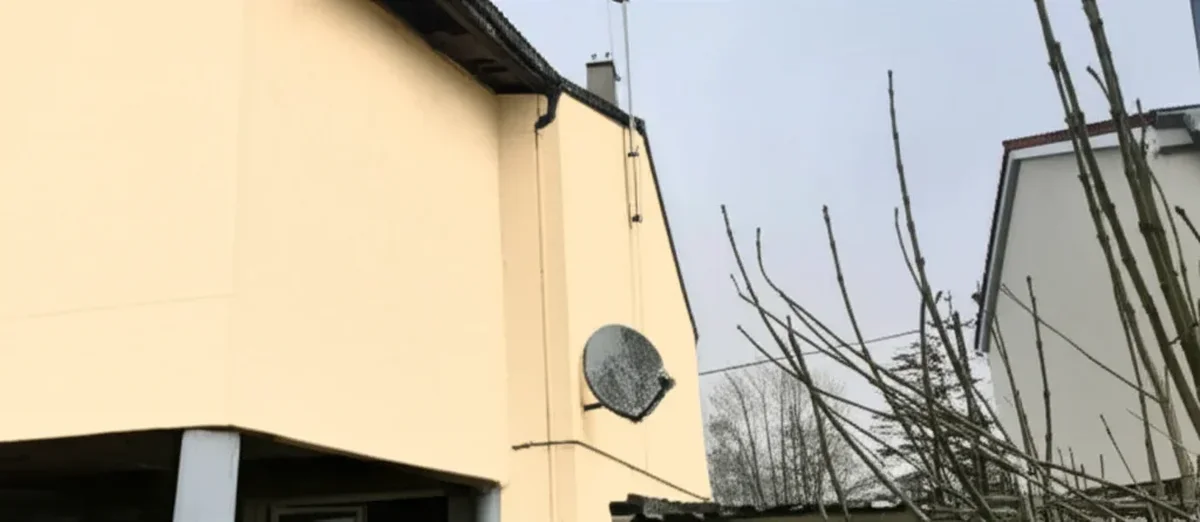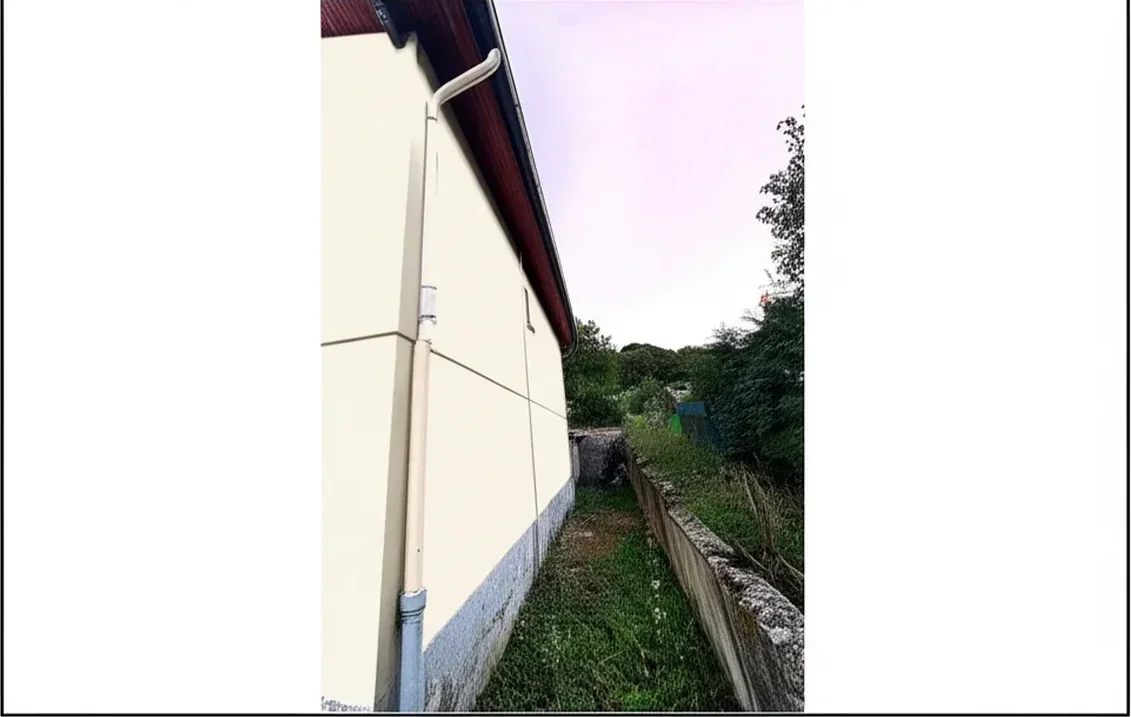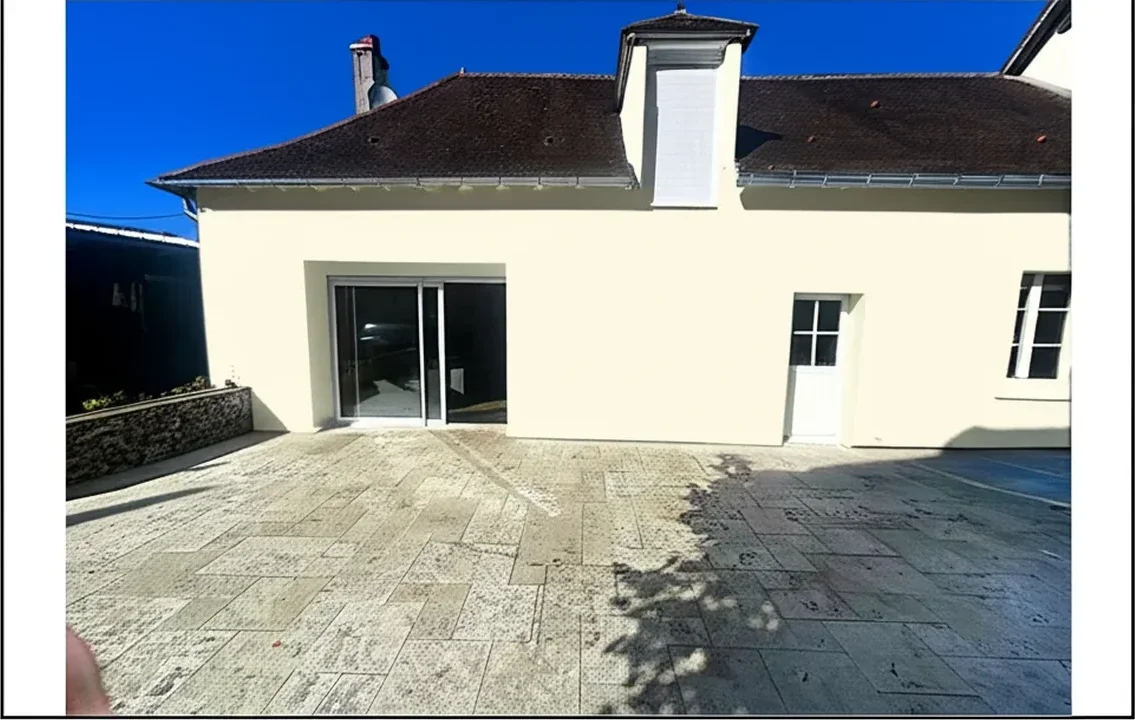
Try it on your house

Massachusetts sits at the intersection of three overlapping rule sets for exterior paint: Chapter 183A (the Massachusetts Condominium Act, governing condo associations), the general HOA framework that applies to detached single-family communities, and an unusually dense layer of local historic district commissions that hold near-veto power on color in places like Nantucket, Provincetown, Chatham, and parts of Boston. The palettes that pass first round are tighter than newcomers expect: weathered shingle grays, classic shipyard whites, dusty coastal blues, and a tightly controlled set of heritage reds.
This guide covers the eight palettes most commonly approved in Massachusetts HOAs and historic districts in 2026, why Nantucket's Historic District Commission is the strictest body in the state, how Cape Cod regions vary between Chatham and Provincetown and Falmouth, the Boston brownstone heritage rules, and the cold-winter application window that locks every Massachusetts repaint into a May to September schedule. Before submitting, test Massachusetts HOA colors free on a photo of your actual house, our internal data shows photo-mockup submissions get approved 30 to 50% faster than swatch-only packets.
Upload one phone photo. Swap body, trim, shutters, and door in 30 seconds. Attach to your MA HOA or historic district submission.
Massachusetts HOA-Approved Exterior Paint Colors for 2026
Massachusetts HOA authority: Chapter 183A, general HOA, and historic district commissions
Massachusetts regulates condominium associations under Chapter 183A of the General Laws, codified at malegislature.gov. For detached single-family HOAs, Massachusetts relies on the recorded declaration of covenants and the underlying contract law rather than a single statewide HOA statute. The practical implication for paint color: the Architectural Review Committee (ARC) of your condo or HOA derives its authority from the declaration, and Massachusetts courts have generally upheld reasonable, consistently applied color restrictions when they trace back to the recorded documents.
Layered on top of HOA authority is the Massachusetts Local Historic District system, established under Chapter 40C of the General Laws. A local historic district commission (HDC) has independent statutory power to require a Certificate of Appropriateness before any visible exterior change, including paint color, on a contributing property. That power is real and routinely enforced: an unauthorized repaint in a Massachusetts historic district can trigger a stop-work order, a cease-and-desist letter from the city solicitor, and an order to restore the previous color at the homeowner's expense. New to the HOA process? Start with the broader 2026 HOA-approved exterior colors overview and the HOA color change approval process guide.
A third Massachusetts wrinkle worth knowing: the Massachusetts Historical Commission (a state agency) maintains the inventory of contributing properties and reviews state-funded work, but day-to-day paint approval is almost always handled by the local commission, not the state. The state agency's published color guidance is influential and the local HDC will often reference it in deliberations. For most Massachusetts homeowners, the practical chain of authority runs: HOA or condo board first (if applicable), then local HDC (if property sits inside a designated district), with state-level review only triggering on properties on the National Register receiving public funds.
The 8 most-approved Massachusetts HOA palettes for 2026
The eight palettes below appear most often in published Massachusetts HOA palettes and historic district guidance from Boston Back Bay to the outer Cape. Each has been cross-checked against active 2026 fan-deck codes and against approval records in condo associations in Boston, Cambridge, Brookline, and master-planned and historic communities in Falmouth, Chatham, Provincetown, and Nantucket. "shingle-style compliant" on the first round.
1. Benjamin Moore Williamsburg Wythe Blue (CW-150) - LRV 49
The most-approved coastal heritage body color across Cape Cod and the Islands. A dusty blue-green with verifiable 18th-century provenance via the Colonial Williamsburg color archive, which historic district commissions accept as documented period accuracy. Role: body or shutters. Approved in: Cape Cod, Nantucket, Martha's Vineyard, North Shore. Pair with: Simply White trim, weathered shingle siding, bronze hardware.
2. Benjamin Moore Hale Navy (HC-154) - LRV 6
The defining navy of the modern New England coast. Deep, slightly green-leaning blue that reads true navy on shingle and clapboard alike. Heavily approved in Nantucket, Chatham, and Hingham harbor communities, and increasingly in newer Boston metro HOAs that allow accent-house body color. Role: body, shutters, front door. Approved in: Cape Cod, Islands, North Shore, South Shore, Greater Boston.
3. Benjamin Moore Simply White (OC-117) - LRV 89
The default Massachusetts trim white and the most-approved body color in Cape Cod shingle-style and Greek Revival communities. Warm enough to avoid the cold blue cast that pure white produces against gray shingle, crisp enough to pass HDC scrutiny in Nantucket. Role: trim universal, body in Cape Cod and Islands shingle communities.
4. Cottage Red (BM Heritage Red HC-181 or SW Roycroft Copper Red SW 2839) - LRV 8-12
Heritage cottage red is the third color of New England coastal vernacular alongside white and navy. Most commonly approved on barns, outbuildings, and saltbox-style primary homes in inland Massachusetts (Concord, Sudbury, Berkshires). Tightly controlled in Nantucket and Provincetown, where chroma must remain muted. Role: body, accent house, outbuilding.
5. Benjamin Moore Wedding Veil (2125-70) - LRV 80
A subtle cool off-white with the faintest blue undertone that reads as fresh weathered shingle in coastal light. Common substitute for Simply White in HDC submissions that want a touch more shadow in the body color without losing the heritage white reading. Role: body, trim in select coastal communities.
6. Sherwin-Williams Sea Salt (SW 6204) - LRV 63
The single most-recognized coastal color in the United States and an approved option in newer Cape Cod HOAs (Mashpee Commons-area condo associations, parts of Falmouth) and increasingly in Plymouth and South Shore subdivisions. Less common inside the strictest historic districts (Nantucket, Provincetown center) where the palette leans more heritage. Role: body or shutters in newer coastal HOAs.
7. Benjamin Moore Linen White (OC-146) - LRV 80
A warm creamy off-white that bridges the heritage and contemporary palettes. Most-approved trim color statewide and a common body color in Greek Revival and Federal-style homes in Salem, Newburyport, and the Berkshires. Reads softer than Simply White against red brick. Role: trim universal, body in heritage neighborhoods.
8. Benjamin Moore Brewster Gray (HC-162) - LRV 25
A weathered medium gray with a soft green undertone, named for the Cape Cod town and explicitly cited in Nantucket and Chatham HDC published color guidance as compliant with the shingle-style aesthetic. Pairs with Simply White trim and either Hale Navy or Cottage Red accents. SW Iron Ore (SW 7069) is sometimes accepted as an analogous trim-only color in the same communities but is rarely approved as a body color in MA historic districts. Role: body across Cape Cod and Islands, trim in select Boston communities.
Free, 30 seconds, no signup. Attach the result to your Massachusetts HOA or HDC submission.
Nantucket Historic District Commission: the strictest palette in Massachusetts
The Nantucket Historic District Commission is the most stringent paint-color review body in Massachusetts and arguably in New England. The entire island of Nantucket is a designated historic district, meaning every property visible from a public way falls under the HDC's jurisdiction regardless of whether the homeowner is also part of a private HOA. The HDC publishes color guidance that strongly favors a tight set of heritage tones: weathered shingle (unstained or graphite-stained), Simply White or Wedding Veil trim, Hale Navy or Brewster Gray accents, and Cottage Red in controlled chroma.
Nantucket HDC submissions require a Certificate of Appropriateness application, color swatches (physical, not just digital), a photograph of the existing condition, and increasingly a photo mockup that shows the proposed color rendered on the actual building. Hearings are public and the commission deliberates on the record, the entire community can attend and comment. Off-palette submissions (saturated coral, bright yellow, true black body, charcoal gray body) are routinely denied with citation to the published guidance. "shingle-style compliant" in the meeting minutes. Before drafting your Certificate of Appropriateness application, render Hale Navy or Brewster Gray on your actual house so the commission sees what they are approving on the building, not just on a swatch.
Cape Cod regional palette differences: Chatham, Provincetown, Falmouth
Cape Cod is not a single palette. Chatham, Provincetown, and Falmouth each apply different review philosophies even when the underlying heritage references overlap. The three-town breakdown below summarizes how approved palettes shift across the Cape's most active review districts.
| Cape town | Dominant palette | Notable variation | Common rejection |
|---|---|---|---|
| Chatham | Weathered shingle, Simply White, Hale Navy | Old Village Historic District: tightest review | Bright white body, charcoal body |
| Provincetown | Heritage spectrum allowed: blues, reds, yellows | Center HDC accepts wider chroma than other Cape towns | Saturated neon, true black body |
| Falmouth | Coastal traditional: warm whites, soft blues, navy | Mashpee Commons-area HOAs allow Sea Salt | Cool gray body, saturated red body outside heritage |
| Wellfleet / Truro | Outer Cape: weathered shingle, Cottage Red, navy | Less formal HDC review, declaration-driven | High-LRV bright whites in dune communities |
| Hyannis / Yarmouth | Modern coastal: warm whites, navy, Brewster Gray | More HOA-driven than HDC-driven | Coral, pastel pink, lavender body |
Try it on your house
No photo? Try a sample
For coastal-specific palette study covering Cape Cod variants in detail, see Cape Cod paint colors coastal variants 2026 and our Cape Cod house exterior paint colors top 15. For broader coastal HOA context, our coastal HOA paint requirements 2026 guide explains the salt-air durability spec that overlaps with the Cape Cod review criteria.
Boston brownstone heritage: Back Bay, Beacon Hill, South End
Boston's three flagship historic districts (Back Bay, Beacon Hill, South End) sit under the Boston Landmarks Commission and apply a brownstone-heritage color framework distinct from Cape Cod. The approved palette here centers on warm earth tones rendered in masonry stain rather than conventional paint: terra cotta, ochre, cream, and the warm taupe family. Body color on a true brownstone is typically a pigmented stain that preserves the texture of the underlying stone, conventional latex over brownstone is almost always denied.
For wood-trim color on Boston brownstones, the most-approved options are BM Linen White (warm cream that complements brownstone), BM Black Beauty (2128-10) as a near-black trim, and BM Hale Navy on front doors. South End row houses allow a slightly wider chroma range on doors (BM Caliente, BM Newburyport Blue) than Back Bay or Beacon Hill, where the palette leans more conservative. Iron Ore can appear as a trim color on selected South End and Jamaica Plain properties but is rarely approved on Beacon Hill or Back Bay. For the full color-rules overview, see our HOA exterior paint color rules guide. To preview Linen White trim or Hale Navy door on your brownstone before the Landmarks submission, run the free visualizer.
Cold-winter paint application window: May to September only
Massachusetts exterior repaints are seasonally constrained to roughly May 1 through September 30, with a hard cutoff when nighttime low temperatures drop below the manufacturer minimum (typically 35 to 50 degrees Fahrenheit depending on the resin). The cure window matters because both Benjamin Moore and Behr exterior latex products require a 24 to 48 hour temperature-safe window after application to film-form correctly. Apply too late in the season and the film cures incompletely, leading to early failure within 2 to 4 years even on premium product lines.
For coastal Massachusetts, the additional constraint is humidity and dew point. Cape Cod and the Islands run high RH on summer mornings and evenings, which extends the dew-point-safe application window. The reliable Massachusetts repaint schedule is: surface prep in April, prime and topcoat between May 15 and September 15, with all work completed by 3:00 PM to allow film-formation before evening dew. For detailed product spec context, see Benjamin Moore Aura exterior review, which performs reliably in cold-winter climates, and our best exterior paint colors 2026 overview for product choices in cold climates.
For homeowners hiring out the work, our AI paint visualizer contractor guide covers how to spec the product line and the application window in the bid request so the contractor commits to the May to September timeline before signing. For broader colonial and New England palette context, our colonial paint colors New England 2026 guide covers Greek Revival, Federal, and Saltbox color schemes in detail. For coastal-specific color play, see blue house with white trim coastal 2026 and our beach house exterior paint colors 2026.
When MA HOAs and historic districts conflict: the practical hierarchy
A common Massachusetts situation: the homeowner is part of a condo association under Chapter 183A AND lives inside a designated local historic district. Both bodies have independent approval authority and either can deny a color the other approves. The practical rule for Massachusetts homeowners: submit to the historic district commission first (because HDC review is often a hard prerequisite for any visible exterior change), wait for the Certificate of Appropriateness, then submit to the HOA or condo board with the HDC approval attached. Most MA condo boards will accept an HDC-approved color without a separate review, but the reverse is not true, an HOA-approved color can still be denied by the HDC. To prepare both packets in parallel, generate one photo mockup that serves both the HDC Certificate of Appropriateness and the HOA ARC submission.
When disputes arise (denial despite published palette compliance, ARC inconsistency, retroactive enforcement), Massachusetts homeowners have several escalation paths: written appeal to the HOA board, mediation under the condo declaration, and Land Court action under Chapter 183A for substantive condo disputes. For dispute resolution practice across HOA jurisdictions, see HOA paint disputes resolution 2026. For Massachusetts-specific condominium law context, consult the Secretary of the Commonwealth corporations division for declaration records.
For broader exterior paint context that Massachusetts homeowners frequently reference, HGTV maintains the most accessible national palette roundup, see hgtv.com exterior paint color guides for context the ARC and HDC will recognize.
Test these 8 Massachusetts HOA colors on your actual house
Upload a photo, swap body, trim, shutters, and door in 30 seconds. Save as PDF. Attach to your HOA or HDC submission. Free, no signup.
Try the Free Color VisualizerFAQ: Massachusetts HOA-approved exterior paint colors 2026
What is the most-approved exterior body color for Massachusetts HOAs in 2026?
Benjamin Moore Williamsburg Wythe Blue (CW-150, LRV 49) is the most-approved coastal heritage body color across Cape Cod and the Islands. For Greater Boston and inland communities, BM Simply White (OC-117), BM Linen White (OC-146), and BM Brewster Gray (HC-162) are the most consistently approved body colors.
Does Massachusetts have a statewide HOA paint color statute like Florida Chapter 720?
No. Massachusetts regulates condominiums under Chapter 183A but does not have a comprehensive statewide HOA statute. For detached single-family HOAs, the authority traces back to the recorded declaration and to general contract law. Layered on top is the Chapter 40C local historic district system, which has independent statutory authority on color in designated districts.
How strict is the Nantucket Historic District Commission?
The strictest in Massachusetts. The entire island is a designated historic district, every visible exterior change requires a Certificate of Appropriateness, hearings are public and on the record, and off-palette submissions (saturated coral, bright yellow, true black or charcoal body) are routinely denied with citation to the published color guidance. Submit BM Hale Navy plus Simply White or weathered-shingle Brewster Gray for first-round approval.
Can my Massachusetts HOA require a specific paint brand?
Only if the brand is named in the recorded declaration of covenants. In practice, most Massachusetts ARCs and HDCs accept Benjamin Moore Aura Exterior and Benjamin Moore Regal Select Exterior as meeting durability expectations in the cold-winter climate. Behr Marquee Exterior is also accepted in most newer master-planned communities.
Can I paint my Cape Cod home navy and white?
Yes in most Cape Cod and Islands communities. BM Hale Navy with Simply White trim is one of the most-approved combinations in the region and is explicitly cited in Nantucket and Chatham HDC published color guidance as compliant with the shingle-style aesthetic.
When can I paint a Massachusetts exterior in 2026?
Roughly May 1 through September 30, with the cleanest cure window between May 15 and September 15. Nighttime temperatures must remain above the manufacturer minimum (typically 35 to 50 degrees Fahrenheit) for 24 to 48 hours after application. Coastal Cape Cod and Islands properties also require respect for the dew-point margin, complete topcoat application by 3:00 PM.
What happens if I paint my Massachusetts home without HOA or HDC approval?
Initial violation letter from the HOA, potential cease-and-desist from the local historic district commission (in designated districts), escalating fines, and in extreme cases a court order to restore the previous color at the homeowner's expense plus attorneys' fees. Massachusetts courts and Land Court enforce HOA and HDC restrictions vigorously. Always obtain written approval before painting.
Is SW Sea Salt approved in Massachusetts HOAs?
Yes in newer Cape Cod HOAs (parts of Falmouth, Mashpee Commons-area condo associations, Plymouth South Shore subdivisions) and as trim or shutter color in most Greater Boston communities. Less commonly approved inside the strictest historic districts (Nantucket, Provincetown center, Beacon Hill) where the palette leans more heritage. Confirm your community's published palette before submission.
Disclaimer: This article summarizes publicly available information about Chapter 183A and Chapter 40C of the Massachusetts General Laws and is not legal advice. Consult a Massachusetts condominium or historic preservation attorney for case-specific guidance. Sherwin-Williams®, Benjamin Moore®, and Behr® are registered trademarks of their respective owners. FacadeColorizer is not affiliated with, endorsed by, or sponsored by any of these brands, by any Massachusetts homeowners association, or by any Massachusetts historic district commission. Color codes and LRV values are cited for descriptive and comparative purposes only and are accurate to publicly available 2026 fan-deck data at time of publication. Always confirm current codes and your community's published palette before submitting an architectural review or Certificate of Appropriateness application.
Frequently asked questions
What is the most-approved exterior body color for Massachusetts HOAs in 2026?
Does Massachusetts have a statewide HOA paint color statute like Florida Chapter 720?
How strict is the Nantucket Historic District Commission?
Can my Massachusetts HOA require a specific paint brand?
Can I paint my Cape Cod home navy and white?
When can I paint a Massachusetts exterior in 2026?
What happens if I paint my Massachusetts home without HOA or HDC approval?
Is SW Sea Salt approved in Massachusetts HOAs?
Official sources
To verify the regulatory information in this guide at the primary source:
- US EPA : Lead-safe (RRP) rules for homes built before 1978
- U.S. Department of Energy : Energy-efficient exterior and coating guidance
- International Code Council : Model building codes adopted by most US jurisdictions
External links. FacadeColorizer is not affiliated with these bodies and their guidance may change over time.
Trademarks mentioned (Sherwin-Williams, Benjamin Moore, Behr, Caparol, Brillux, Sto, Alpina, Valspar, PPG, Glidden, Dulux, Crown Trade, Sandtex, Farrow & Ball, Johnstone's, Leyland) are property of their respective owners. FacadeColorizer is independent and not affiliated with any of them. Nominative fair use under Lanham Act §1125.