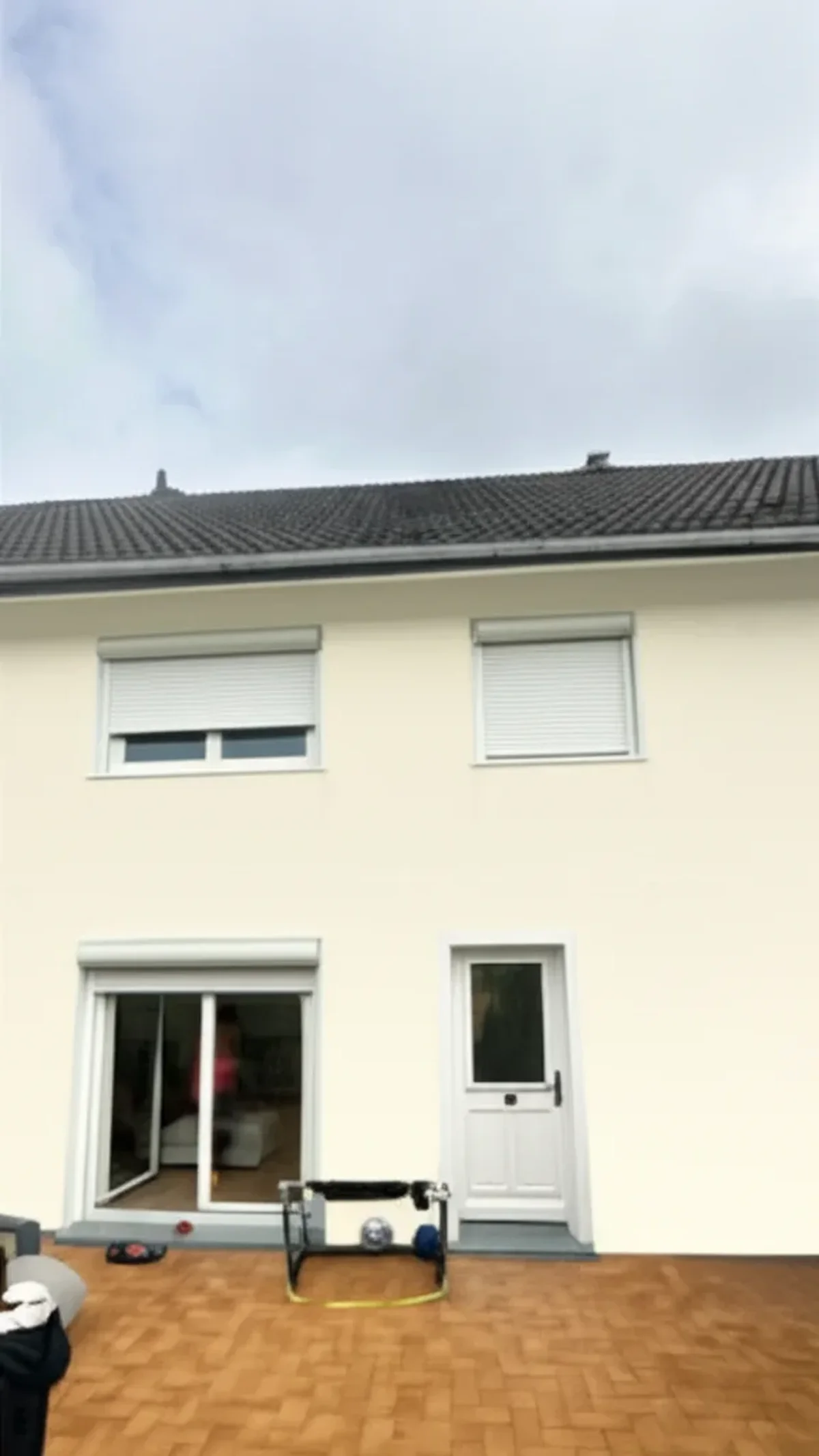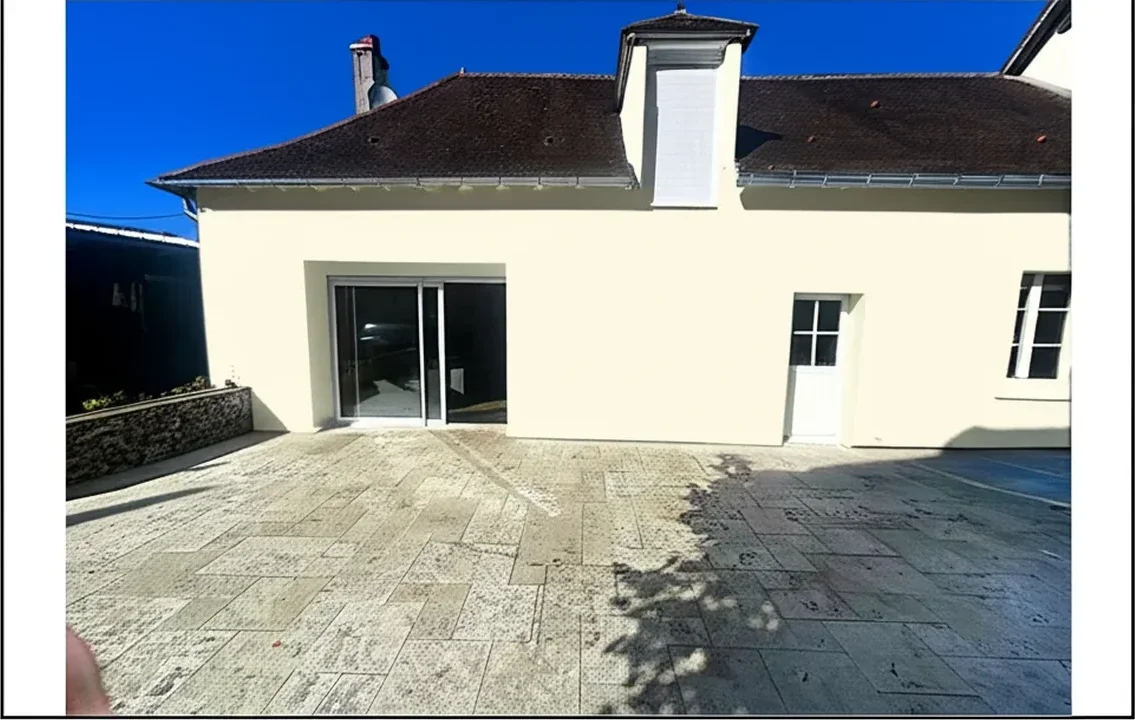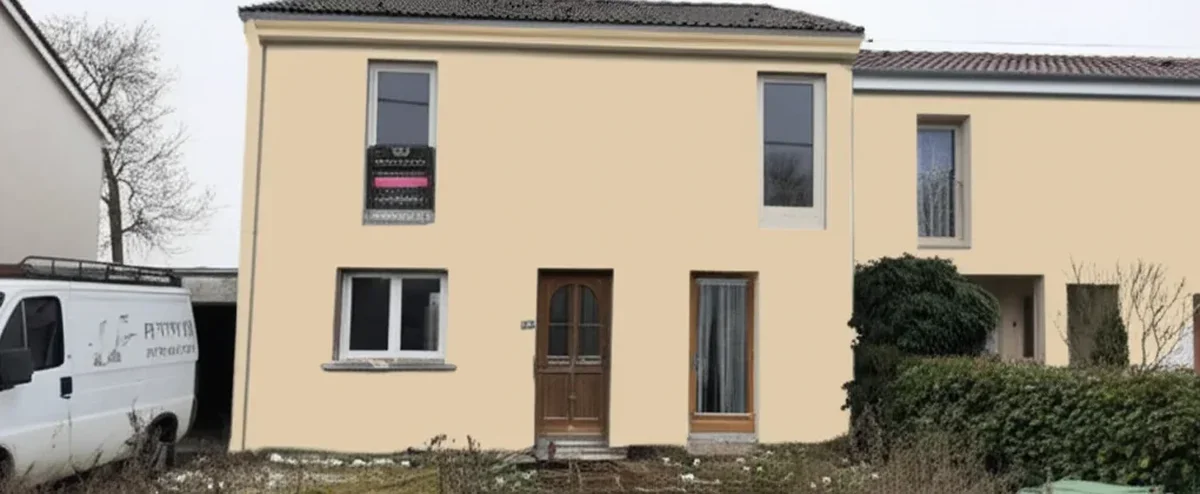
Try it on your house

New Jersey sits at the crossroads of three overlapping rule sets for exterior paint: NJSA 46:8B (the New Jersey Condominium Act, governing condo associations), the Planned Real Estate Development Full Disclosure Act (PREDFDA) that frames master-planned communities, and a dense layer of municipal historic preservation commissions that hold real veto power on color in places like Cape May, Princeton, Hoboken, and the brownstone districts of Jersey City. The palettes that pass first round are tighter than newcomers expect: Victorian heritage spectrums on the Cape May shore, Federal and Greek Revival earth tones in Princeton, and a controlled brownstone palette in Hoboken and Jersey City.
This guide covers the eight palettes most commonly approved in New Jersey HOAs and historic districts in 2026, why the Cape May Victorian Historic District Commission is the strictest body in the state, how Princeton's Federal and Greek Revival rules differ from the Cape May spectrum, the Hoboken and Jersey City brownstone heritage framework, the Atlantic City coastal palette, and the approval process from ARC packet through Certificate of Appropriateness. Before submitting, test New Jersey HOA colors free on a photo of your actual house, our internal data shows photo-mockup submissions get approved 30 to 50% faster than swatch-only packets.
Upload one phone photo. Swap body, trim, shutters, and door in 30 seconds. Attach to your NJ HOA or historic commission submission.
New Jersey HOA-Approved Exterior Paint Colors for 2026
New Jersey HOA authority: NJSA 46:8B, PREDFDA, and municipal historic commissions
New Jersey regulates condominium associations under NJSA 46:8B, the New Jersey Condominium Act, codified at njleg.state.nj.us. For master-planned single-family and townhome HOAs, New Jersey adds the Planned Real Estate Development Full Disclosure Act (PREDFDA), NJSA 45:22A-21 et seq., which requires sponsors to disclose architectural restrictions in the public offering statement and gives unit owners a statutory right to a copy of the recorded declaration. The practical implication for paint color: the Architectural Review Committee (ARC) of your condo or HOA derives its authority from the declaration referenced in the PREDFDA disclosure, and New Jersey courts have generally upheld reasonable, consistently applied color restrictions when they trace back to the recorded documents.
Layered on top of HOA authority is the New Jersey Municipal Land Use Law, NJSA 40:55D-1 et seq., which empowers municipalities to designate historic districts and create historic preservation commissions with independent review authority. A municipal historic preservation commission has independent power to require a Certificate of Appropriateness before any visible exterior change, including paint color, on a contributing property within a designated district. That power is real and routinely enforced: an unauthorized repaint in a New Jersey historic district can trigger a stop-work order, a cease-and-desist letter from the municipal attorney, and a court-ordered restoration of the previous color at the homeowner's expense. New to the HOA process? Start with the broader 2026 HOA-approved exterior colors overview and the HOA color change approval process guide.
A third New Jersey wrinkle worth knowing: the New Jersey Historic Preservation Office (within the Department of Environmental Protection) maintains the State Register of Historic Places and reviews state-funded work, but day-to-day paint approval is almost always handled by the municipal historic preservation commission, not the state office. For most New Jersey homeowners, the practical chain of authority runs: HOA or condo board first (if applicable), then municipal historic preservation commission (if property sits inside a designated district), with state-level review only triggering on properties on the National Register receiving public funds. New York homeowners face a similar layered framework, see our forthcoming New York HOA-approved exterior colors 2026 companion guide.
The 8 most-approved New Jersey HOA palettes for 2026
The eight palettes below appear most often in published New Jersey HOA palettes and historic preservation commission guidance from Cape May to Princeton to Hoboken. Each has been cross-checked against active 2026 fan-deck codes and against approval records in condo associations in Hoboken, Jersey City, and Atlantic City, and in master-planned and historic communities in Cape May, Princeton, Lambertville, and Madison. "period-compliant Victorian" on the first round.
1. Benjamin Moore Wedding Veil (2125-70) - LRV 80
A subtle cool off-white with the faintest blue undertone that reads as fresh seashore light in coastal New Jersey communities. The most-approved trim color in Cape May and Spring Lake and a frequent body color in newer condo associations in Long Beach Island. Role: trim universal, body in select coastal communities. Approved in: Cape May, Spring Lake, Long Beach Island, Atlantic City beachfront. Pair with: Hale Navy shutters, weathered shingle siding, bronze hardware.
2. Benjamin Moore Newburyport Blue (HC-155) - LRV 8
A deep, slightly green-leaning navy with verifiable 18th and 19th century Federal and Victorian provenance, accepted as documented period accuracy by the Cape May Victorian Historic District Commission. The defining navy for New Jersey heritage districts, more often approved than Hale Navy in Victorian-focused commissions because of its slightly warmer undertone. Role: body, shutters, front door. Approved in: Cape May (Victorian HDC), Princeton, Lambertville, Madison.
3. Sherwin-Williams Iron Ore (SW 7069) - LRV 6
A near-black with a faint warm undertone that reads as deep charcoal in daylight and true black at dusk. The most-approved trim and shutter color across newer master-planned New Jersey HOAs in Bergen, Morris, and Somerset counties. Rarely approved as a body color inside Cape May or Princeton historic districts, where it lacks the documented period provenance the commissions require. Role: trim, shutters, front door.
4. Benjamin Moore Manchester Tan (HC-81) - LRV 64
A warm light tan that bridges Federal-period earth tones and contemporary neutral palettes. The most-approved body color in Princeton-area master-planned communities and a frequent choice in the Madison and Chatham historic districts. Reads softer than gray against red brick chimneys and stone foundations common in Mercer and Morris counties. Role: body, trim in heritage neighborhoods. Approved in: Princeton, Madison, Chatham, Bernardsville.
5. Benjamin Moore Hale Navy (HC-154) - LRV 6
The defining modern coastal navy. Deep, slightly green-leaning blue that reads true navy on shingle and clapboard alike. Heavily approved in Spring Lake, Avalon, Stone Harbor, and Long Beach Island shore communities, and increasingly in newer central New Jersey HOAs that allow accent-house body color. Less often approved than Newburyport Blue inside the Cape May Victorian HDC because Hale Navy lacks the 19th-century chroma signature. Role: body, shutters, front door.
6. Cottage Red (BM Heritage Red HC-181 or SW Roycroft Copper Red SW 2839) - LRV 8-12
Heritage cottage red is the defining Princeton accent color and the most-cited Federal and Greek Revival door color in the published Princeton historic district guidance. Approved on doors and select outbuildings in Princeton, Lambertville, and Hopewell. In Cape May the Victorian HDC accepts a slightly warmer, more saturated Victorian red on contributing painted ladies, but tightly controls chroma elsewhere. Role: body, accent house, outbuilding, front door.
7. Benjamin Moore Saybrook Sage (HC-114) - LRV 49
A muted sage green with verifiable Colonial and Federal provenance via published historic color archives. The most-approved sage in New Jersey heritage districts and the rare green that passes both Cape May Victorian HDC and Princeton Federal-period review. Pairs with Wedding Veil trim and Newburyport Blue shutters. Role: body, shutters. Approved in: Cape May, Princeton, Lambertville, Madison.
8. Benjamin Moore Brewster Gray (HC-162) - LRV 25
A weathered medium gray with a soft green undertone. Most-approved gray body color across New Jersey shore communities (Avalon, Stone Harbor, Long Beach Island) and a frequent trim color in Princeton-area master-planned subdivisions. SW Iron Ore is sometimes accepted as an analogous trim-only color in the same communities but is rarely approved as a body color in NJ historic districts. Role: body across NJ shore, trim in central NJ.
Free, 30 seconds, no signup. Attach the result to your New Jersey HOA or HDC submission.
Princeton: Federal and Greek Revival heritage rules
Princeton's historic preservation framework covers two overlapping districts: the Princeton Historic District (centered on Nassau Street and the university campus) and the Mercer Hill Historic District. Both apply a Federal and Greek Revival color framework that emphasizes muted earth tones, period-correct chroma, and documented historic provenance. The approved palette here centers on warm cream and tan body colors (Manchester Tan, Linen White), muted sage and slate accents (Saybrook Sage, Newburyport Blue), and a tightly controlled set of Federal-period reds (Heritage Red) on doors and outbuildings.
Princeton submissions require a Historic Preservation Review Committee application, physical color swatches (not just digital), a photograph of the existing condition, and increasingly a photo mockup that shows the proposed color rendered on the actual building. The committee deliberates with attention to period authenticity, particularly on contributing Federal and Greek Revival buildings dating from 1780 to 1850. Off-palette submissions (saturated coral, bright yellow, true black body, charcoal gray body) are routinely denied with citation to the Federal-period color palette. For broader colonial palette study covering Federal and Greek Revival color schemes, see colonial paint colors New England 2026.
Cape May Victorian Historic Commission: the strictest review in New Jersey
The Cape May Victorian Historic District Commission is the most stringent paint-color review body in New Jersey and arguably in the Mid-Atlantic. Cape May holds the rare designation of a National Historic Landmark city, with the entire downtown and adjacent residential blocks designated as a contributing Victorian district under both federal and state historic preservation frameworks. The commission's color guidance favors the Victorian "painted ladies" tradition: a documented three to seven color palette per house, with body, primary trim, secondary trim, sash, and accent colors drawn from published Victorian-period archives.
Cape May Victorian HDC submissions require a Certificate of Appropriateness application, physical color swatches, a photograph of the existing condition, and a documented color scheme citing the period source (typically Sherwin-Williams Heritage Colors of America or Benjamin Moore Williamsburg and Historical Collections). Hearings are public, and the commission deliberates on the record. Off-palette submissions (modern neons, all-white bodies on contributing Victorians, true black bodies) are routinely denied. "period-compliant Victorian" in the meeting minutes. For detailed Victorian palette study, see our Victorian house exterior paint colors top 15. Before drafting your Certificate of Appropriateness application, render Newburyport Blue or Saybrook Sage on your actual house so the commission sees what they are approving on the building, not just on a swatch.
Hoboken and Jersey City brownstone heritage palette
The Hudson County brownstone districts (Hoboken's Hudson Street and Castle Point historic districts, Jersey City's Van Vorst Park, Hamilton Park, and Paulus Hook) apply a brownstone-heritage color framework distinct from the Cape May Victorian or Princeton Federal palettes. The approved palette here centers on warm earth tones rendered in masonry stain rather than conventional paint: terra cotta, ochre, cream, and the warm taupe family. Body color on a true brownstone is typically a pigmented stain that preserves the texture of the underlying stone, conventional latex over brownstone is almost always denied by the Hoboken and Jersey City historic preservation commissions.
For wood-trim color on Hoboken and Jersey City brownstones, the most-approved options are BM Linen White (warm cream that complements brownstone), SW Iron Ore as a near-black trim, and BM Newburyport Blue or BM Hale Navy on front doors. South-facing Jersey City Heights row houses sometimes allow a slightly wider chroma range on doors than the more conservative Hoboken Hudson Street palette. For the full color-rules overview, see our HOA exterior paint color rules guide. To preview Linen White trim or Newburyport Blue door on your brownstone before the Landmarks submission, run the free visualizer.
Atlantic City and the Jersey Shore coastal palette
The Atlantic City Boardwalk and the Jersey Shore communities (Margate, Ventnor, Brigantine, Ocean City, Long Beach Island, Avalon, Stone Harbor, Sea Isle City) apply a coastal-traditional palette that overlaps with but does not equal the Cape May Victorian framework. The approved palette here centers on weathered shingle and clapboard, Wedding Veil and Simply White trim, Hale Navy and Newburyport Blue shutters, and Saybrook Sage as a controlled accent. Spring Lake and Avon-by-the-Sea apply tighter review than Atlantic City proper, with documented Victorian and Shingle Style references required on contributing properties.
The three-region breakdown below summarizes how approved palettes shift across the Jersey Shore's most active review districts.
| Region | Dominant palette | Notable variation | Common rejection |
|---|---|---|---|
| Cape May | Victorian painted ladies: 3 to 7 color schemes | National Historic Landmark, strictest review | Modern neons, all-white body on Victorian |
| Spring Lake / Avon | Coastal traditional: warm whites, navy, sage | Shingle Style references on contributing homes | Saturated coral, pastel pink body |
| Avalon / Stone Harbor | Modern coastal: Hale Navy, Brewster Gray, Wedding Veil | More HOA-driven than commission-driven | Cool gray body in dune communities |
| Long Beach Island | Weathered shingle, Wedding Veil, Hale Navy | Township-by-township declaration variation | Bright white in salt-spray zones |
| Atlantic City / Margate | Boardwalk-area: wider chroma allowed | Less formal HDC review, declaration-driven | Saturated neon, true black body |
Try it on your house
No photo? Try a sample
For broader coastal HOA context, our coastal HOA paint requirements 2026 guide explains the salt-air durability spec that overlaps with the Jersey Shore review criteria. For beachfront-specific color play, see our beach house exterior paint colors 2026.
New Jersey HOA approval process: from ARC packet to Certificate of Appropriateness
The New Jersey HOA paint approval process follows a predictable sequence regardless of whether you are submitting to a Cape May Victorian HDC, a Princeton Historic Preservation Review Committee, a Hoboken or Jersey City commission, or a private condo ARC. The eight steps below summarize the workflow most NJ commissions and ARCs expect, with the documentation that consistently moves a submission to first-round approval.
Step 1. Pull your recorded declaration of covenants from the county clerk or the PREDFDA public offering statement, identify the published approved palette (if any) and the ARC procedure timeline. Step 2. Identify whether your property sits inside a municipal historic district by checking the municipal historic preservation commission webpage or calling the municipal clerk. Step 3. Select your candidate colors from the eight palettes above, prioritizing colors with documented period provenance (Williamsburg, Williamsburg Reserve, Heritage Colors of America) if the property is in a historic district.
Step 4. Generate a photo mockup of the proposed colors on your actual house (this is the single highest-impact submission element, photo mockups dramatically reduce first-round denial rates compared with swatch-only packets). Step 5. Order physical paint chips from the brand (Benjamin Moore and Sherwin-Williams mail free chips), attach the chips to the submission packet. Step 6. Draft the ARC application or Certificate of Appropriateness application referencing the published palette code(s) for each surface (body, trim, shutters, door, accent). Step 7. Submit and attend the hearing (most NJ historic preservation commissions hold monthly public hearings, ARCs typically decide on the papers within 30 to 60 days). Step 8. Receive written approval, then proceed to contractor scheduling within the May to October application window. For broader process detail across all U.S. HOA jurisdictions, see HOA color change approval process guide.
When NJ HOAs and historic commissions conflict: the practical hierarchy
A common New Jersey situation: the homeowner is part of a condo association under NJSA 46:8B AND lives inside a designated municipal historic district. Both bodies have independent approval authority and either can deny a color the other approves. The practical rule for New Jersey homeowners: submit to the historic preservation commission first (because Certificate of Appropriateness review is often a hard prerequisite for any visible exterior change), wait for the certificate, then submit to the HOA or condo board with the certificate attached. Most NJ condo boards will accept a commission-approved color without a separate review, but the reverse is not true, an HOA-approved color can still be denied by the historic preservation commission. To prepare both packets in parallel, generate one photo mockup that serves both the Certificate of Appropriateness and the HOA ARC submission.
When disputes arise (denial despite published palette compliance, ARC inconsistency, retroactive enforcement), New Jersey homeowners have several escalation paths: written appeal to the HOA board, mediation under the condo declaration, and Superior Court action under NJSA 46:8B for substantive condo disputes. For dispute resolution practice across HOA jurisdictions, see HOA paint disputes resolution 2026. For broader exterior paint context that New Jersey homeowners frequently reference, HGTV maintains the most accessible national palette roundup, see hgtv.com exterior paint color guides for context the ARC and historic commission will recognize. For nationally trending palettes that work across NJ markets, see our best exterior paint colors 2026 overview.
Test these 8 New Jersey HOA colors on your actual house
Upload a photo, swap body, trim, shutters, and door in 30 seconds. Save as PDF. Attach to your HOA, ARC, or historic preservation commission submission. Free, no signup.
Try the Free Color VisualizerFAQ: New Jersey HOA-approved exterior paint colors 2026
What is the most-approved exterior body color for New Jersey HOAs in 2026?
Benjamin Moore Newburyport Blue (HC-155, LRV 8) is the most-approved heritage navy across Cape May and Princeton historic districts because of its verifiable 18th and 19th century Federal and Victorian provenance. For Jersey Shore coastal communities, BM Wedding Veil (2125-70) and BM Hale Navy (HC-154) are the most consistently approved body and shutter colors. In central NJ master-planned HOAs, BM Manchester Tan (HC-81) is the dominant warm-neutral body color.
Does New Jersey have a statewide HOA paint color statute like Florida Chapter 720?
No. New Jersey regulates condominiums under NJSA 46:8B (the Condominium Act) and master-planned communities under the Planned Real Estate Development Full Disclosure Act (PREDFDA, NJSA 45:22A-21 et seq.), but does not have a comprehensive statewide HOA paint statute. For detached single-family HOAs, authority traces back to the recorded declaration of covenants and to general contract law. Layered on top is the Municipal Land Use Law historic preservation framework, which has independent statutory authority on color in designated districts.
How strict is the Cape May Victorian Historic District Commission?
The strictest in New Jersey. Cape May holds National Historic Landmark status, the entire downtown and adjacent residential blocks are a contributing Victorian district, every visible exterior change requires a Certificate of Appropriateness, hearings are public and on the record, and off-palette submissions (modern neons, all-white bodies on contributing Victorians, true black or charcoal body) are routinely denied. Submit BM Newburyport Blue plus Wedding Veil or Saybrook Sage from a documented Victorian-period palette for first-round approval.
What is the Planned Real Estate Development Full Disclosure Act (PREDFDA)?
PREDFDA (NJSA 45:22A-21 et seq.) is the New Jersey statute that requires sponsors of master-planned communities to disclose architectural and aesthetic restrictions in the public offering statement provided to buyers. It gives unit owners a statutory right to a copy of the recorded declaration of covenants and frames the ARC's authority. The practical effect for paint color: your ARC's color rules must trace back to the declaration referenced in the PREDFDA disclosure to be enforceable.
Can I paint my Princeton home Federal red and Manchester Tan?
Yes in most Princeton historic district properties. BM Manchester Tan body with BM Heritage Red (HC-181) door is one of the most-approved Federal-period combinations in Princeton and is cited as period-compliant in the Princeton Historic Preservation Review Committee published palette guidance. Confirm the proposed door red against the published Federal-period chroma range before submission.
Can my New Jersey HOA require a specific paint brand?
Only if the brand is named in the recorded declaration of covenants. In practice, most New Jersey ARCs and historic preservation commissions accept Benjamin Moore Aura Exterior and Benjamin Moore Regal Select Exterior as meeting durability expectations in the four-season climate. Behr Marquee Exterior is also accepted in most newer master-planned communities in Bergen, Morris, and Somerset counties.
When can I paint a New Jersey exterior in 2026?
Roughly May 1 through October 31, with the cleanest cure window between May 15 and September 30. Nighttime temperatures must remain above the manufacturer minimum (typically 35 to 50 degrees Fahrenheit) for 24 to 48 hours after application. Jersey Shore coastal properties require respect for the dew-point margin, complete topcoat application by 3:00 PM. Inland central and northern NJ allows a slightly later October window than the coast.
What happens if I paint my New Jersey home without HOA or commission approval?
Initial violation letter from the HOA, potential cease-and-desist from the municipal historic preservation commission (in designated districts), escalating fines, and in extreme cases a court order to restore the previous color at the homeowner's expense plus attorneys' fees. New Jersey Superior Court enforces HOA and historic preservation restrictions vigorously, particularly in Cape May, Princeton, and the Hudson County brownstone districts. Always obtain written approval before painting.
Disclaimer: This article summarizes publicly available information about NJSA 46:8B (the New Jersey Condominium Act), the Planned Real Estate Development Full Disclosure Act (PREDFDA, NJSA 45:22A-21 et seq.), and the Municipal Land Use Law historic preservation framework, and is not legal advice. Consult a New Jersey condominium or historic preservation attorney for case-specific guidance. Sherwin-Williams®, Benjamin Moore®, and Behr® are registered trademarks of their respective owners. FacadeColorizer is not affiliated with, endorsed by, or sponsored by any of these brands, by any New Jersey homeowners association, or by any New Jersey historic preservation commission. Color codes and LRV values are cited for descriptive and comparative purposes only and are accurate to publicly available 2026 fan-deck data at time of publication. Always confirm current codes and your community's published palette before submitting an architectural review or Certificate of Appropriateness application.
Frequently asked questions
What is the most-approved exterior body color for New Jersey HOAs in 2026?
Does New Jersey have a statewide HOA paint color statute like Florida Chapter 720?
How strict is the Cape May Victorian Historic District Commission?
What is the Planned Real Estate Development Full Disclosure Act (PREDFDA)?
Can I paint my Princeton home Federal red and Manchester Tan?
Can my New Jersey HOA require a specific paint brand?
When can I paint a New Jersey exterior in 2026?
What happens if I paint my New Jersey home without HOA or commission approval?
Official sources
To verify the regulatory information in this guide at the primary source:
- US EPA : Lead-safe (RRP) rules for homes built before 1978
- U.S. Department of Energy : Energy-efficient exterior and coating guidance
- International Code Council : Model building codes adopted by most US jurisdictions
External links. FacadeColorizer is not affiliated with these bodies and their guidance may change over time.
Trademarks mentioned (Sherwin-Williams, Benjamin Moore, Behr, Caparol, Brillux, Sto, Alpina, Valspar, PPG, Glidden, Dulux, Crown Trade, Sandtex, Farrow & Ball, Johnstone's, Leyland) are property of their respective owners. FacadeColorizer is independent and not affiliated with any of them. Nominative fair use under Lanham Act §1125.