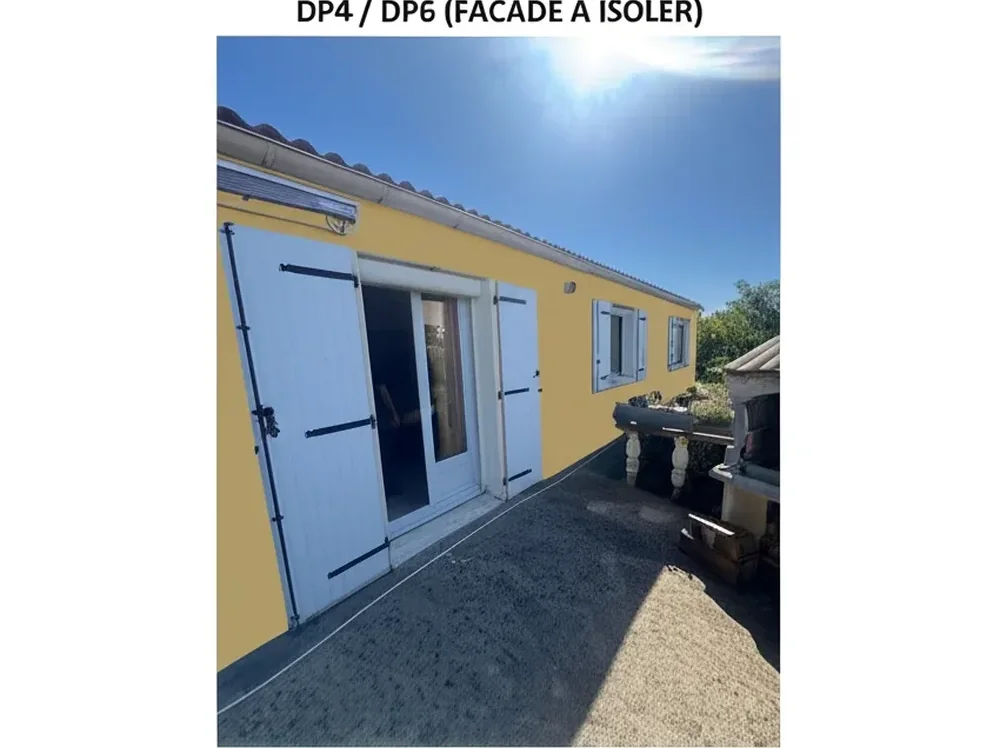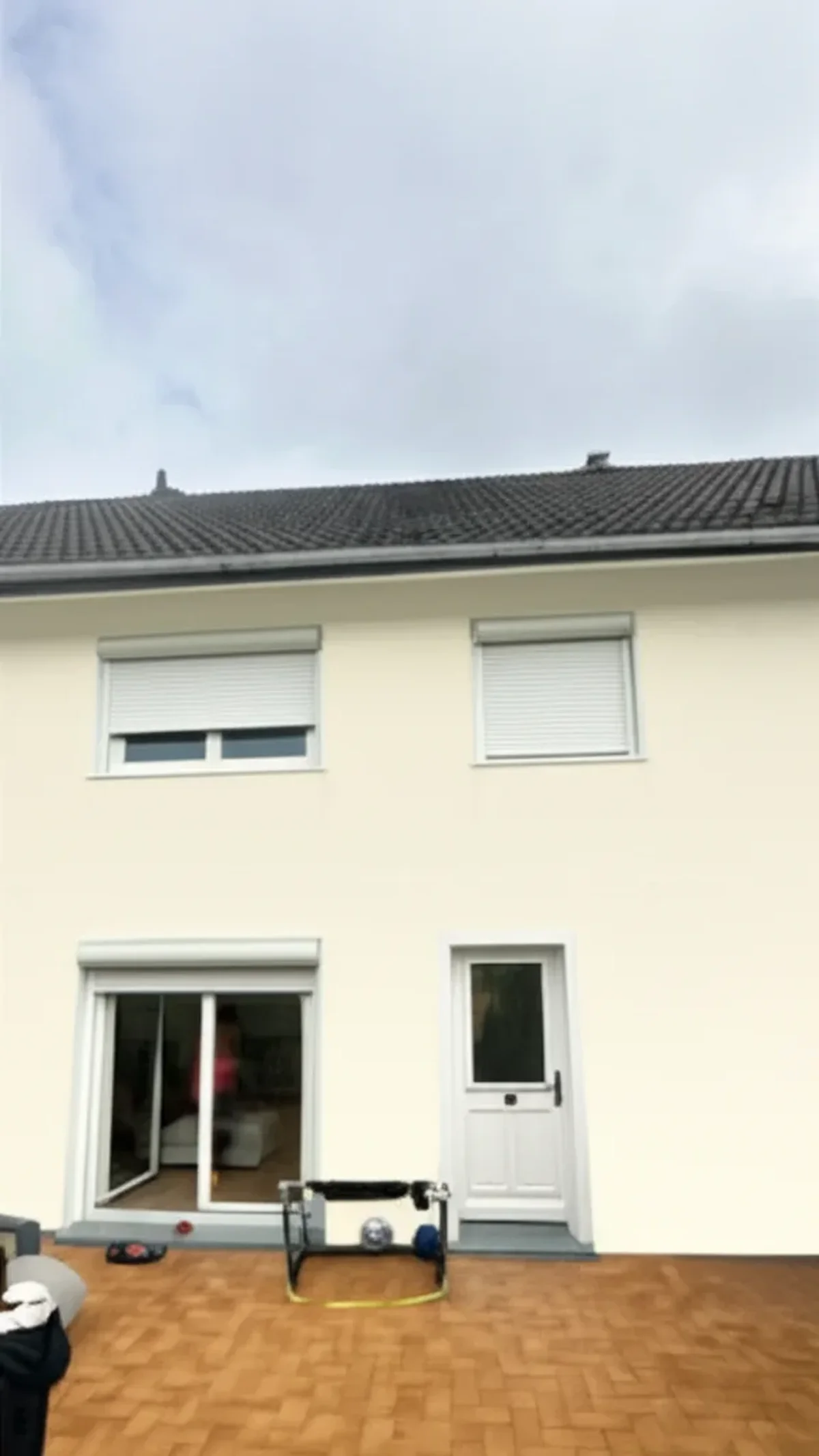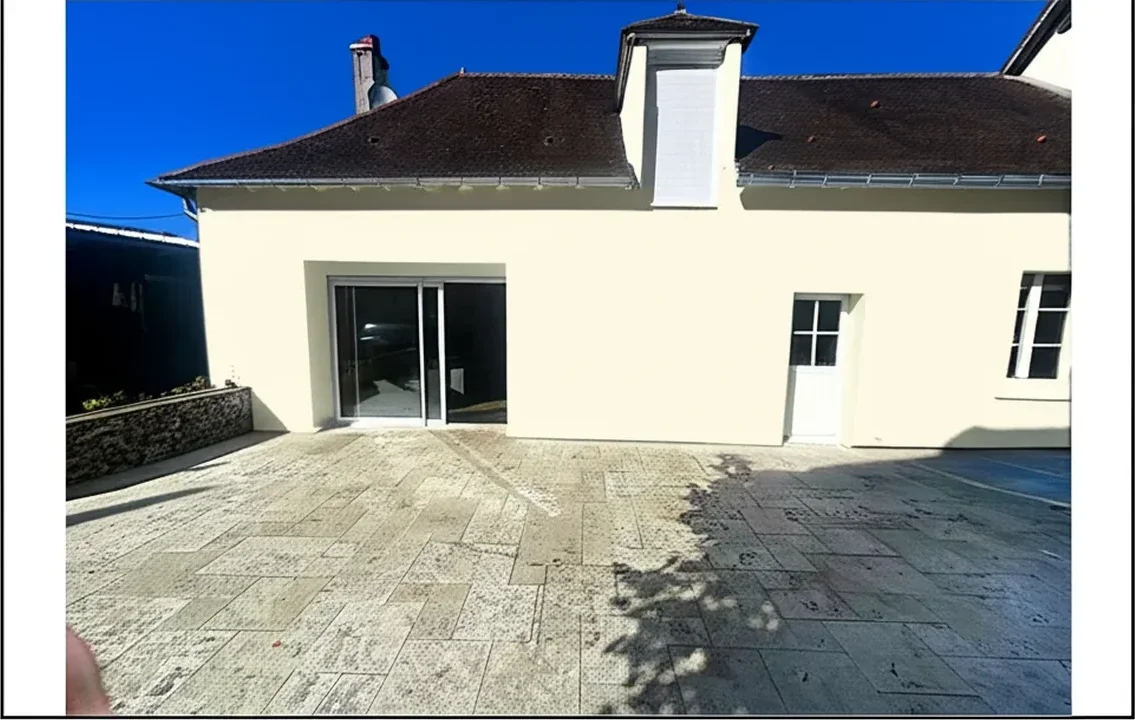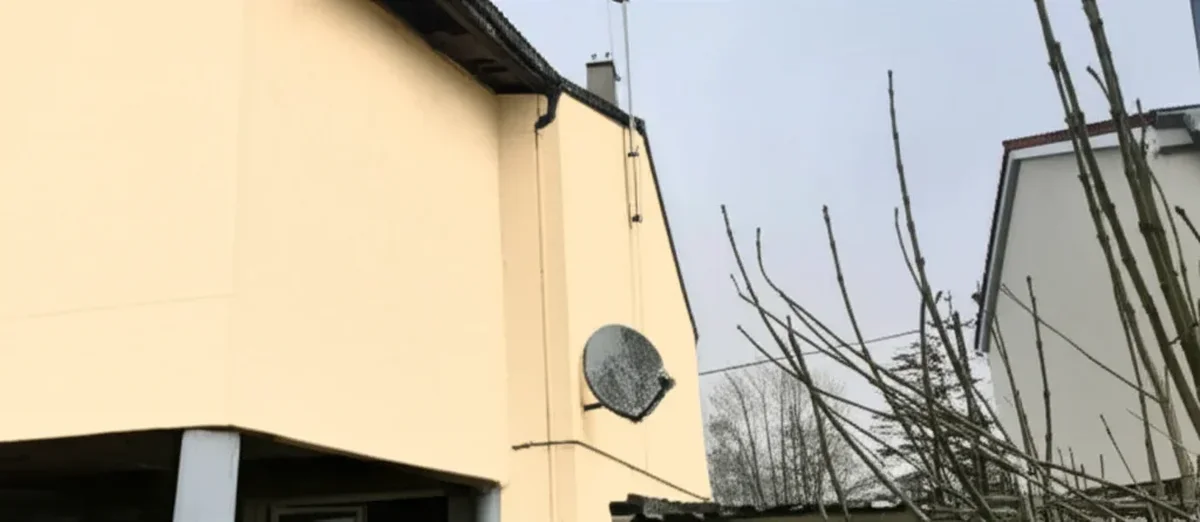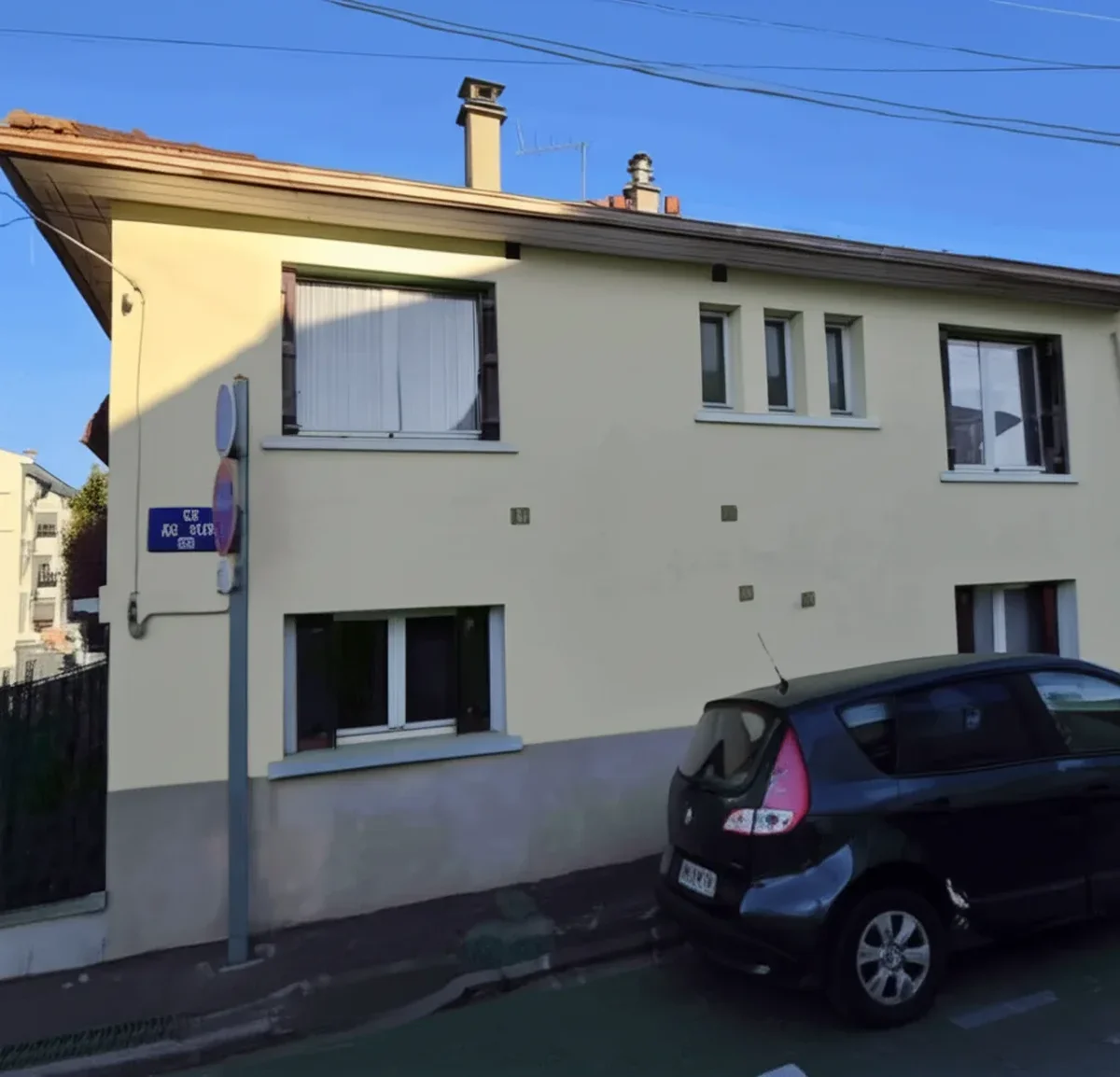
Try it on your house

If you own a home in an Oregon HOA community, choosing an exterior paint color that satisfies your architectural review committee while standing up to Pacific Northwest gray-day light, persistent moisture, and the moss and mildew that follow eight months of damp weather is a different challenge from anywhere else in the country. Oregon Revised Statutes Chapter 94 (the Planned Community Act) governs how associations publish and enforce approved color palettes, and 2025-2026 amendments have shifted how color disputes are resolved. Below, you will find the eight HOA-friendly Oregon palettes winning approval in 2026, region-by-region guidance for Portland Craftsman, Eugene bungalow, Salem Federal, and Bend modern-rustic communities, plus everything you need to know about PNW-specific mildew resistance and low-light color performance.
Before you submit a paint approval request to your architectural committee, preview your color on a real photo of your home using our free AI color simulator. Oregon committees respond fastest when they can see exactly how Iron Ore, Saybrook Sage, or Naval will read against your siding, trim, and the surrounding Douglas fir, big-leaf maple, or high-desert juniper landscape.
ORS Chapter 94: The Law Behind Every Oregon HOA Color Rule
The Oregon Planned Community Act, codified at ORS Chapter 94 (specifically ORS 94.550 through 94.783), is the master statute governing every common-interest community in the state, from a 24-unit Northwest Portland condo to a 3,500-home master-planned development in Beaverton or Bend. Chapter 94 dictates how covenants, CC&Rs, and design guidelines can restrict exterior paint colors, and how the board must publish its approved color palette and conduct architectural review.
Under ORS 94, an HOA can require paint approval before any repainting, can publish a binding color book, and can issue violation notices and fines for unapproved colors. However, the statute also imposes procedural duties on the board: the architectural review committee must respond to a complete application within a reasonable time (most Oregon HOAs commit to 30 to 60 days in their governing documents), and the committee cannot deny a color request arbitrarily or for reasons not grounded in the published design guidelines.
ORS 94.630 requires that any rule restricting paint colors be adopted with proper notice and recorded with the county. ORS 94.640 separately requires that architectural review decisions be made in good faith, applied uniformly across the community, and grounded in the published guidelines. A 2025 amendment to ORS 94.704 further tightened the timelines for board response and clarified that an HOA which fails to respond inside its own published window is deemed to have constructively approved the application. For the national framework, see our HOA-approved exterior paint colors guide for 2026.
Top 8 Oregon HOA-Approved Palettes for 2026
The colors below appear repeatedly on approved color palettes in Willamette Valley suburbs, Portland-metro Craftsman neighborhoods, and Bend's modern-rustic high-desert developments. Each pairing balances curb appeal, gray-day light performance, and the moss-resistant, nature-blending visual vocabulary that Oregon committees consistently favor.
| Color | Brand / Code | Best Use | Where It Lands |
|---|---|---|---|
| Iron Ore | Sherwin-Williams SW 7069 | Body, Craftsman and modern | Portland, Lake Oswego, Beaverton |
| Saybrook Sage | Benjamin Moore HC-114 | Body, nature-blending sage | Eugene, Corvallis, Hillsboro |
| Cedar Naturaltone | Behr SC-103 (semi-transparent stain) | Cedar shake, board-and-batten | Bend, Sisters, Hood River |
| Naval | Sherwin-Williams SW 6244 | Body or door, deep navy accent | Portland Craftsman, Salem Federal |
| Revere Pewter | Benjamin Moore HC-172 | Body, warm greige bungalow | Eugene, Salem, Tigard |
| Rookwood Sash Green | Sherwin-Williams SW 2810 | Door, shutter, trim accent | Portland historic, Salem heritage |
| High-Desert Stone | Behr N250-3 Cliff Rock | Body, stucco and stone blends | Bend, Redmond, Prineville |
| Linen White | Benjamin Moore 912 | Trim, soffit, classic cream | Statewide, universally approved |
Try it on your house
No photo? Try a sample
A common winning combination on Willamette Valley submissions is Saybrook Sage body with Iron Ore trim and a Linen White soffit, while Bend high-desert committees respond most positively to High-Desert Stone body, Cedar Naturaltone garage doors, and a Naval or Rookwood Sash Green front door kept under 6% of the visible facade. For a closer look at the most-approved family overall, our best HOA-approved exterior paint colors for 2026 ranks the top 25 nationwide. And for neighboring-state palettes, a Washington HOA-approved exterior colors 2026 guide is forthcoming with comparable PNW vocabulary, while our California HOA-approved exterior colors guide covers the warmer Mediterranean dialect just to the south.
Portland: The Craftsman Capital and Its HOA Color Vocabulary
Portland's HOA communities span three distinct vocabularies: historic Craftsman bungalows in Northeast and Southeast neighborhoods (Irvington, Laurelhurst, Ladd's Addition), contemporary urban infill in the Pearl District and South Waterfront, and suburban master-planned developments in Beaverton, Hillsboro, and Lake Oswego. Each carries a different palette expectation, and submitting a contemporary charcoal in a Craftsman district will draw a "please revise" letter as quickly as proposing earthy Mission red in the Pearl.
Portland-area Craftsman HOAs (where they exist over and above the City of Portland Historic Resources rules) favor a palette drawn from Sherwin-Williams Historic Collection: Rookwood Sash Green, Roycroft Bottle Green, Rookwood Dark Brown, and warm taupes such as Saybrook Sage and Revere Pewter for body color. Trim is consistently Linen White, Marshmallow, or a coordinating cream. Front doors are reserved for deeper saturation: Naval, Rookwood Sash Green, or a barn red such as Sherwin-Williams Rookwood Red. The City of Portland publishes its own historic design guidelines at portland.gov, which most Portland-metro HOAs adopt by reference for any home in an overlay zone. For a deeper look at PNW Craftsman color logic that translates directly to Portland submissions, see our Craftsman paint colors for the Pacific Northwest 2026 guide.
Contemporary Portland and Pearl District HOAs increasingly approve Iron Ore as a full-body color paired with warm wood-tone trim and clear-anodized window frames. Saybrook Sage and Pewter Cast appear regularly on master-planned Beaverton and Lake Oswego submissions, especially in communities where Tualatin Hills Park & Recreation overlays add tree-preservation rules that informally push toward darker, recessive body colors. For exact pricing on a Portland repaint, our exterior painting cost guide for Portland Oregon breaks down labor and materials by neighborhood.
Eugene, Salem, and Bend: Three Other Oregon Color Dialects
Outside Portland, Oregon's HOA palettes split into three further regional dialects. Submitting a color that belongs to the wrong dialect is the single most common reason design reviews come back with a rejection or "please revise" letter.
Eugene and Corvallis (Willamette Valley Bungalow)
Eugene and Corvallis HOA communities lean heavily into the 1910 to 1940 bungalow vocabulary that defines so much of Lane and Benton counties. Body colors tend toward Saybrook Sage, Revere Pewter, Rookwood Dark Brown, and warm cream tones such as Benjamin Moore Powell Buff. Trim is almost always Linen White, Acadia White, or a coordinating soft cream. Front doors carry the saturation: Naval, Rookwood Sash Green, and a deeper Rookwood Red are all approved regularly. Eugene's nearby University of Oregon and the architectural review committees of the larger Eugene HOAs (such as Crescent Village and Cascade Highlands) coordinate informally on a shared color logic that values understated blending with the surrounding firs and big-leaf maples.
Salem (Federal and Capitol-Influenced)
Salem's HOA communities, especially in the historic district near the State Capitol and in the older South Salem neighborhoods, favor a more Federal-influenced palette. Body colors trend whiter and cooler: Benjamin Moore White Dove, Sherwin-Williams Alabaster, and creamy yellows such as Powell Buff dominate. Trim is high-contrast classic white, and shutters are reserved for deep blacks (Tricorn Black, Wrought Iron) or deep navy (Naval, Hale Navy). Front doors lean toward Federal red (Sherwin-Williams Heartthrob in heavily diluted concentration, more often Rookwood Red) or a deep glossy black. Salem committees are stricter about high-contrast trim than Portland or Eugene committees and will sometimes request a tighter contrast band between body and trim values.
Bend, Redmond, and Sisters (High-Desert Modern-Rustic)
Bend sits at 3,623 feet on the dry, sunny east side of the Cascades, and its HOA palettes share more vocabulary with Colorado mountain-rustic and Idaho high-desert communities than with Willamette Valley bungalows. Body colors lean toward High-Desert Stone, Sequoia, Cedar Naturaltone stain, and warm pueblo browns. Trim is Cedar Naturaltone or Iron Ore. Front doors approve Naval, deep barn red, and occasionally Aspen Gold in limited saturation. Bend's master-planned developments (Tetherow, NorthWest Crossing, Brasada Ranch) each publish their own design book, but all share the high-desert preference for recessive, landscape-blending color. For deeper context on the architecture style itself, our Craftsman paint colors for the Pacific Northwest 2026 guide covers how PNW dark-body logic translates to high-desert use. That recessive, landscape-blending grammar is not an Oregon invention either: it is the shared vocabulary of desert-West HOA palettes, and our Nevada HOA-approved exterior colors guide sets out the eight body colors Nevada committees approve most often, a useful comparison set when a Bend design book gives you a direction rather than a shade.
PNW Gray-Day Light and Moss: Why Oregon Paint Specs Are Different
Oregon's Willamette Valley (where roughly 70% of the state's population lives) sees an average of 155 cloudy days a year, with Portland's median measured daily sunlight running below 4 hours from November through February. This low-light environment reshapes how exterior paint colors read in practice: cool grays and pale blues that look sophisticated under sunny skies turn flat, dingy, and depressed under months of gray Pacific sky. Oregon HOA design committees have learned this through experience and consistently favor body colors with warm undertones: the greige family (Revere Pewter, Edgecomb Gray, Pavilion Beige), the warm-sage family (Saybrook Sage, Sage Tint), and the warm-taupe family (Stone House, High-Desert Stone).
Test your color in our free visualizer before you commit to a product line, then specify a mildew-resistant product when you submit. The premium tiers, including Sherwin-Williams Resilience, Sherwin-Williams Emerald Exterior, Benjamin Moore Aura Exterior, and Behr Marquee, all carry mildew-inhibiting additives essential for PNW moisture management. Lower-grade builder paint can develop visible algae and mildew discoloration within two to four years on the north-facing facades that receive almost no direct sun, which then triggers a maintenance violation letter from your HOA. For a deep look at the most popular PNW line, see our review of Sherwin-Williams Resilience Exterior in 2026, plus our Sherwin-Williams Emerald Exterior 2026 guide for the next tier up.
Moss is the second PNW pressure: a paint film without anti-microbial additives will host visible green moss colonies within three winters on shaded north and east-facing siding. Many Lane County and Multnomah County HOAs in heavily wooded developments now require mildew-resistant top coats by name in their design guidelines. Confirm the specification with your architectural review committee before ordering paint, since several Eugene and Hillsboro associations will reject an application that names a color but pairs it with a non-compliant product line.
It is worth knowing that this product clause is not a rainy-climate quirk. Windward Hawaii runs 80 to 95 percent relative humidity on most afternoons, and its coastal associations also ask for a mildewcide additive by name on the submission, converging on Benjamin Moore Aura Exterior and Behr Marquee, two of the four premium lines Oregon committees accept. Two climates with almost nothing in common end up writing the same paragraph into their design guidelines, which is a useful argument if your board questions why a premium line costs more. Our guide to Hawaii HOA-approved exterior colors sets out the tropical version of the same specification.
The Oregon Architectural Approval Process: Step by Step
Oregon HOA color approval generally follows a consistent five-step path, anchored by ORS 94.704 timelines. The steps below reflect the workflow used by the largest Portland-metro, Eugene-area, and Bend-area associations.
- Pull the design guidelines. Every Oregon HOA must provide the current published color book and any amendments on request. Ask for the most recent version (some boards keep informal "interpretation memos" that update the book without a formal vote, which can affect what passes).
- Photograph and visualize. Take a clear front-elevation photo on an overcast day (the Willamette Valley default), then upload to our free AI color simulator to preview your selected body, trim, and door colors. Print or PDF the visualization for your packet.
- Gather precedent. Photograph the last three approved color schemes in your community, these are your strongest evidence of what reads as acceptable to your specific committee.
- Submit the packet. Most Oregon HOAs require a paint approval form, brand and color codes, paint product line specified (e.g., Sherwin-Williams Resilience, Behr Marquee), visualization, precedent photos, and contractor information if a licensed painter is doing the work.
- Track the timeline. Under ORS 94.704 (as amended in 2025), the board must respond inside its own published window or the application is constructively approved. Mark the deadline on your calendar.
When in doubt, ask your architectural review committee for the last three approved color applications in your community, that precedent is the strongest evidence of what will pass. For the broader process workflow, our HOA exterior paint color rules guide walks through documentation, timelines, and appeal rights step by step, and our HOA paint disputes resolution 2026 guide covers what to do when an application is denied.
How to test it on your own home before you buy
No third-party report replaces your own walls: the same color reads differently on a north elevation and a south one, next to red brick or a gray roof, under morning and evening light. Take a daylight photo, upload it to the free AI paint visualizer, and run two or three candidates on the same image so the comparison is fair. Keep the one or two that survive the side-by-side, buy a sample of each, and brush them out on the actual surface in the actual light before you order the full quantity.
Visualize Your Oregon HOA Color Before You Submit
Oregon architectural review committees approve fastest when they can see exactly what you're proposing. Upload a photo of your home, test Iron Ore, Saybrook Sage, Naval, or any other Oregon-friendly color, and attach the photorealistic preview to your paint approval packet. Our AI color simulator is free, no sign-up required, and the visualizations are ready to print or PDF for your committee in seconds.
Preview your Oregon HOA color before you submit
Test Sherwin-Williams, Benjamin Moore, and Behr colors on your actual home in seconds.
Try the Free AI Color VisualizerFrequently Asked Questions
1. What is ORS Chapter 94, and how does it affect HOA paint colors?
Oregon Revised Statutes Chapter 94, the Planned Community Act, is the master statute governing every common-interest community in Oregon. It authorizes HOAs to publish approved color palettes, require paint approval before repainting, and enforce violations, while also imposing procedural duties on architectural review committees, including reasonable response timelines and non-arbitrary denials. ORS 94.704 specifically caps the board response window.
2. Which paint colors are most commonly approved by Oregon HOAs?
The eight most consistently approved 2026 Oregon HOA colors are Sherwin-Williams Iron Ore, Benjamin Moore Saybrook Sage HC-114, Behr Cedar Naturaltone stain, Sherwin-Williams Naval, Benjamin Moore Revere Pewter, Sherwin-Williams Rookwood Sash Green, Behr High-Desert Stone (Cliff Rock), and Benjamin Moore Linen White.
3. Does Pacific Northwest weather affect which paint I should use?
Yes. Oregon's roughly 155 cloudy days a year and persistent winter moisture make mildew and algae growth a real risk on shaded north and east-facing siding. Most Oregon HOAs now favor or require mildew-resistant premium product lines such as Sherwin-Williams Resilience, Sherwin-Williams Emerald Exterior, Benjamin Moore Aura Exterior, or Behr Marquee.
4. How long does Oregon HOA architectural review take?
Most Oregon HOAs commit to 30 to 60 days in their governing documents, with 45 days being typical. Under ORS 94.704 (as amended in 2025), boards that fail to respond inside their own published window are deemed to have constructively approved the application, which is a significant homeowner protection.
5. What happens if my Oregon HOA rejects my color application?
First, request the specific design-guideline section the denial is grounded in (ORS 94.640 requires uniform, good-faith application). If you believe the rejection is arbitrary, you can request reconsideration in writing, escalate to mediation, or in the last resort pursue litigation. Oregon does not have a state HOA ombudsman, but the Oregon Real Estate Agency and county-level small claims courts can hear certain disputes.
6. Are Portland Craftsman HOAs really different from Bend high-desert HOAs?
Yes. Portland Craftsman committees favor a Historic Collection palette dominated by Rookwood greens, deep browns, and warm bungalow taupes. Bend high-desert committees favor pueblo browns, Cedar Naturaltone stain, and Sequoia-style mountain-rustic body colors. Submitting a contemporary charcoal to a Portland Craftsman district draws revisions just as quickly as proposing earthy Mission red in Bend's modern Tetherow community.
7. Why do Oregon HOAs lean toward warm-undertone body colors?
Because the Willamette Valley sees roughly 155 cloudy days a year, cool grays and pale blues that look sophisticated under sun read flat, dingy, and depressed under months of gray Pacific sky. Oregon design committees have learned this through experience and consistently favor warm-undertone families: warm greige (Revere Pewter), warm sage (Saybrook Sage), and warm taupe (Stone House, High-Desert Stone).
8. Can I use a paint visualizer to speed up my Oregon HOA approval?
Absolutely. Oregon architectural review committees consistently approve faster when applications include a photorealistic preview of the proposed color on the actual home, ideally photographed on an overcast day so the visualization reflects typical Willamette Valley light. Our free AI color simulator lets you test any Oregon-friendly color in seconds, and the output prints or PDFs directly into your paint approval packet.
External References
Official sources
To verify the regulatory information in this guide at the primary source:
- US EPA : Lead-safe (RRP) rules for homes built before 1978
- U.S. Department of Energy : Energy-efficient exterior and coating guidance
- International Code Council : Model building codes adopted by most US jurisdictions
External links. FacadeColorizer is not affiliated with these bodies and their guidance may change over time.
Trademarks mentioned (Sherwin-Williams, Benjamin Moore, Behr, Caparol, Brillux, Sto, Alpina, Valspar, PPG, Glidden, Dulux, Crown Trade, Sandtex, Farrow & Ball, Johnstone's, Leyland) are property of their respective owners. FacadeColorizer is independent and not affiliated with any of them. Nominative fair use under Lanham Act §1125.