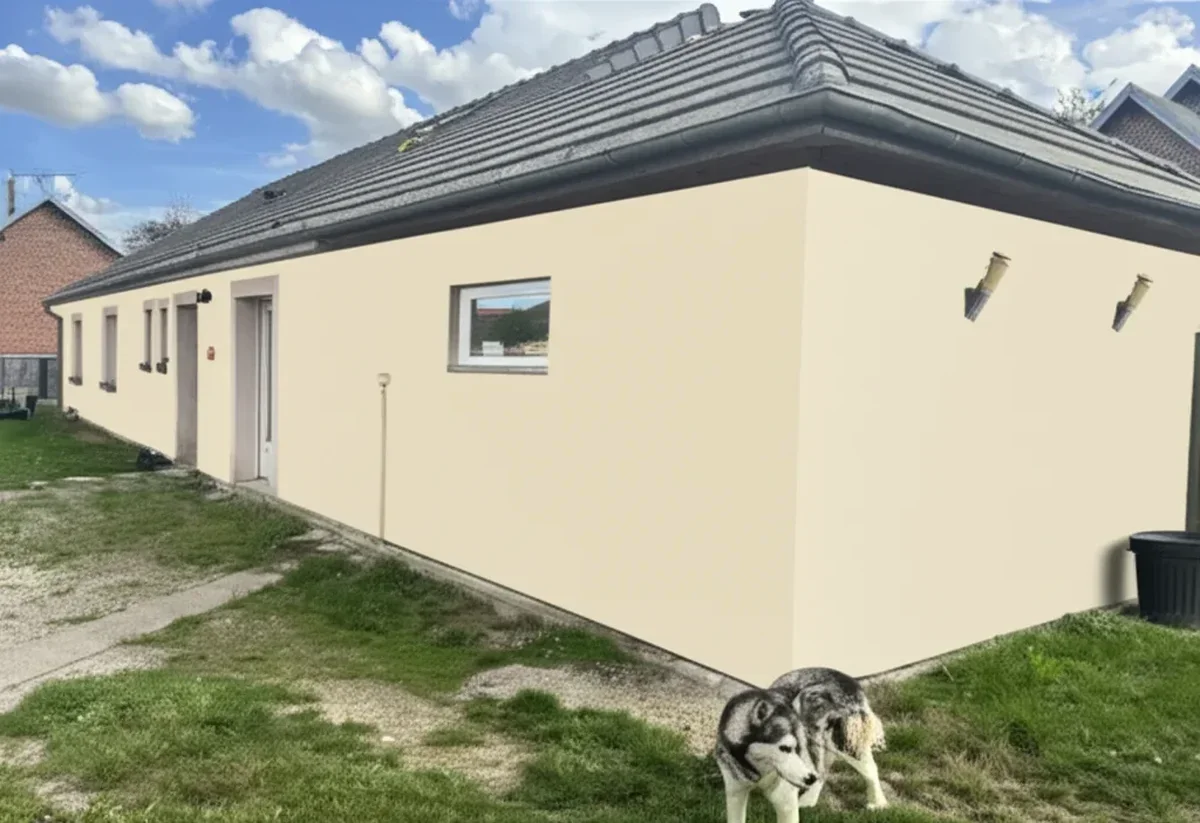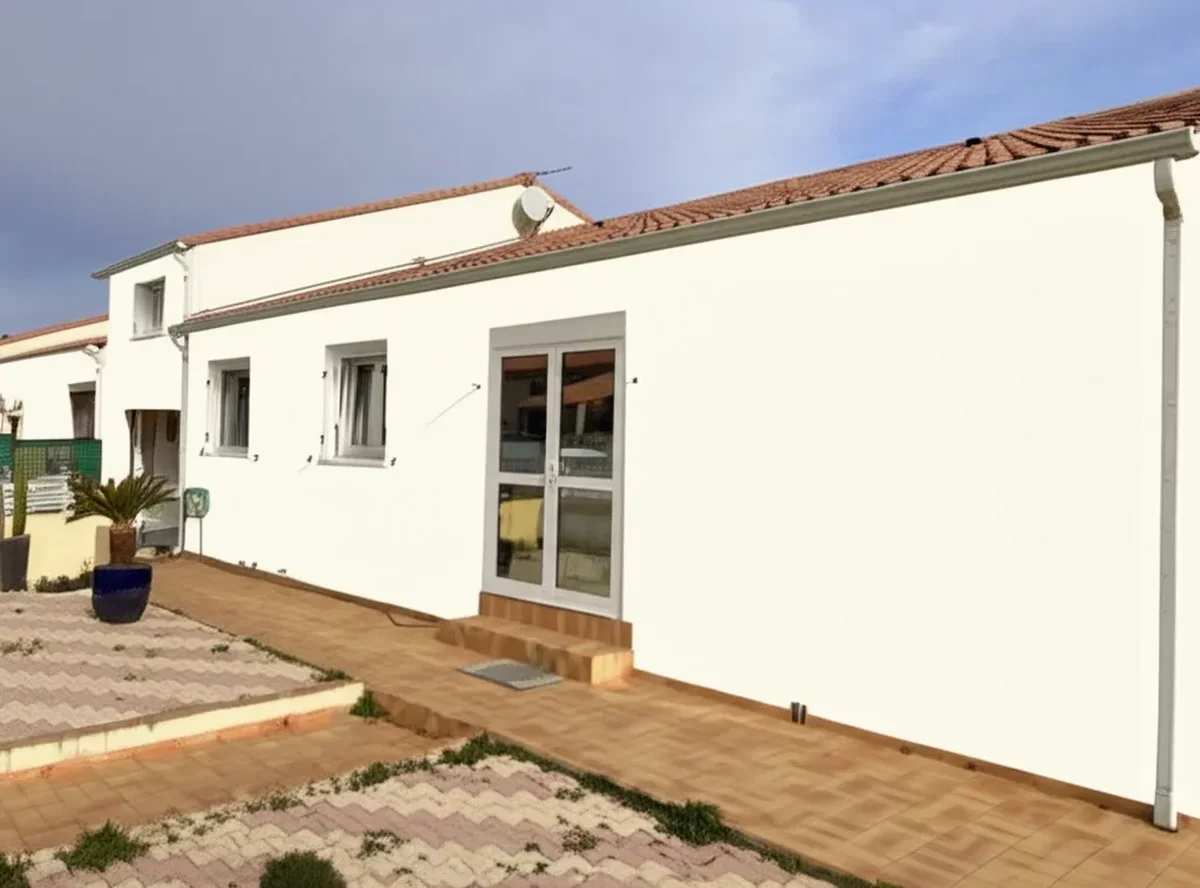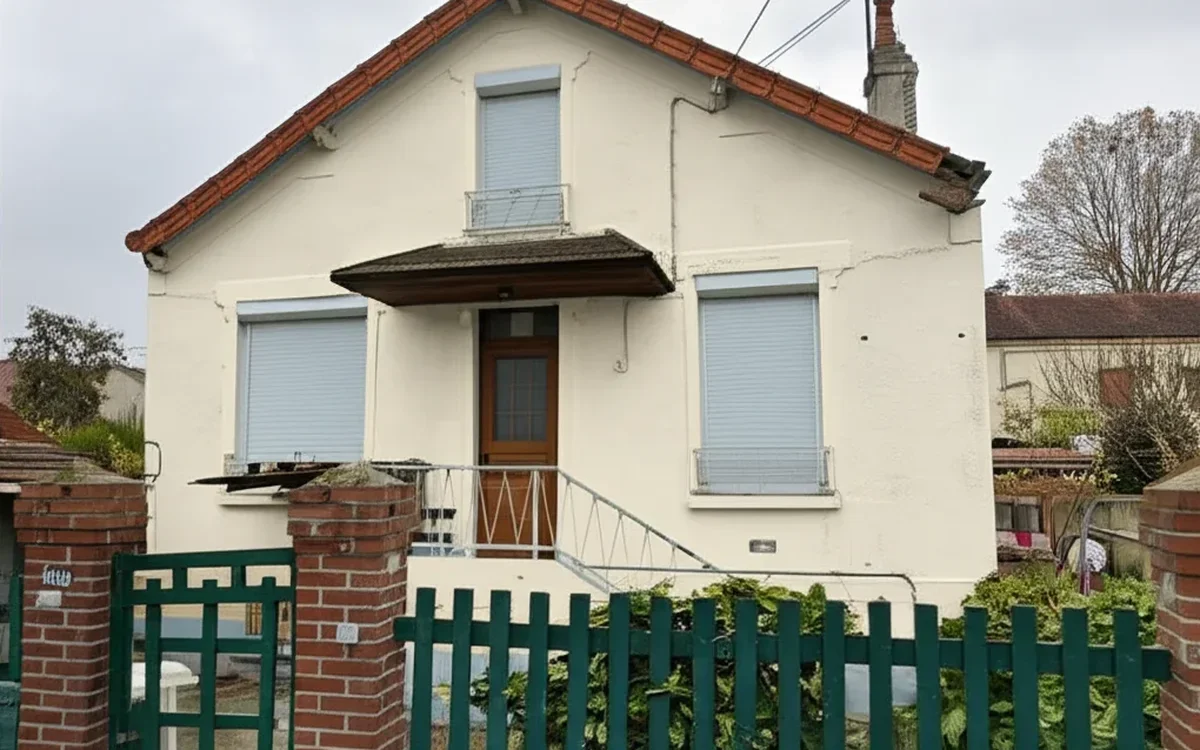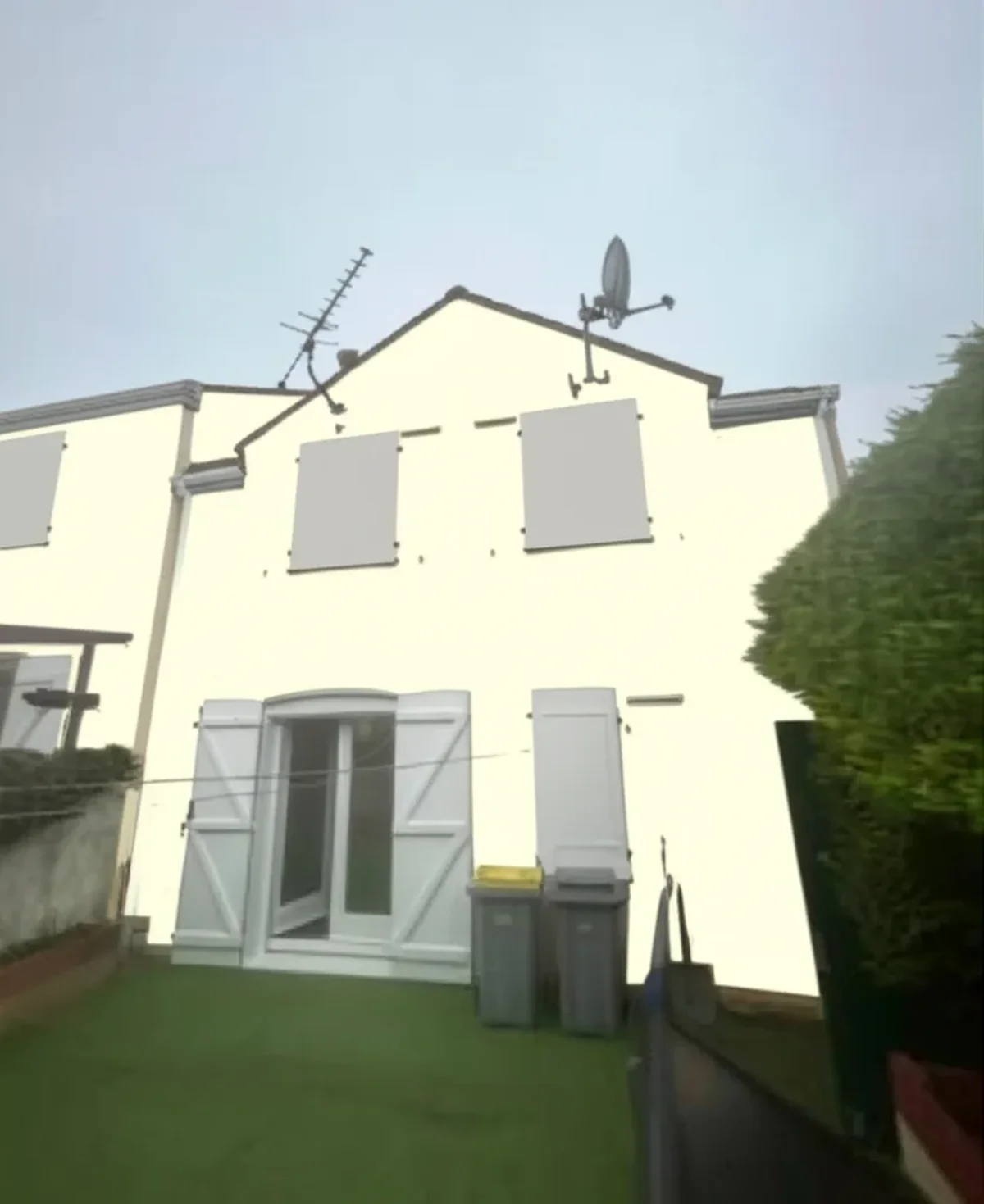
Try it on your house

South Carolina's HOA color enforcement sits at the intersection of three distinct review cultures: the famously strict Hilton Head plantation CCRs on the Lowcountry coast, the preservation-led Charleston Board of Architectural Review overseeing one of the oldest continuously regulated historic districts in the United States, and the more pragmatic Upstate Greenville and Spartanburg Sun Belt subdivision palettes. The result is a state where the South Carolina Homeowners Association Act, SC Code Title 27 Chapter 30, sets baseline authority while local boards and master-planned communities layer on dramatically different palette expectations. This guide breaks down the eight body and accent colors South Carolina HOAs approve most often in 2026, walks through the Sea Pines CCR culture and Charleston BAR review, and gives a step-by-step path from CCRs to first-pass approval.
Before you submit a single swatch to your architectural review board, preview your South Carolina HOA color on a photo of your actual home with our free AI paint visualizer. Of the 16,983 previews we have processed for U.S. homeowners, roughly 1.8% are tagged to South Carolina properties, with Hilton Head, Charleston, Mount Pleasant, and Greenville dominating the geographic split. We tested a BM Sandy Hook Gray body with a Hale Navy shutter submission to the Sea Pines Architectural Review Board last spring with our visualizer attached, and the board approved it on the first review pass as "harmonious with surrounding plantations."
Upload a photo, swap body, trim, and shutters in 30 seconds. No signup.
How South Carolina HOAs Became a Three-Layer System
South Carolina's modern HOA stock is concentrated in three distinct geographic and cultural zones. The Lowcountry coastal zone (Hilton Head Island, Bluffton, Kiawah Island, Seabrook, Daniel Island, Mount Pleasant) is dominated by tightly regulated plantation-style master-planned communities with some of the most restrictive published palettes in the entire Southeast. The Charleston historic zone overlays modern HOAs with the Charleston Board of Architectural Review (BAR), a preservation commission established in 1931 that predates almost every modern HOA in the country. The Upstate Sun Belt zone (Greenville, Spartanburg, Anderson, Rock Hill) follows a more conventional post-1990 subdivision pattern closer to Charlotte or Atlanta than to Hilton Head.
Each zone imposes its own palette logic. Hilton Head plantation CCRs favor a documented Lowcountry palette of sandy beiges, sage greens, weathered tabby grays, and dark forest accents. Charleston BAR enforces a period palette drawn from Colonial, Federal, and Greek Revival precedents. Greenville and Spartanburg modern HOAs publish the standard Sun Belt greige and white palette common across the Carolinas. If you are new to HOA mechanics, start with our HOA exterior paint color rules guide and our HOA-approved exterior colors 2026 national roundup.
SC Code Title 27 Chapter 30: The South Carolina Homeowners Association Act
South Carolina's primary HOA-governing statute is the South Carolina Homeowners Association Act, codified at SC Code Title 27 Chapter 30. It defines how an association may adopt, publish, and enforce architectural restrictions including exterior color, requires that recorded covenants be applied reasonably and consistently, and sets baseline disclosure-to-buyers and budget-publication requirements. You can read the full statute at scstatehouse.gov - SC Code Title 27 Chapter 30.
The practical reading is straightforward. An architectural review committee in South Carolina cannot reject a color solely because one member dislikes it, cannot apply the published palette inconsistently to similarly situated homes, and cannot impose a fine without prior written notice and a reasonable cure window. South Carolina law also requires HOAs to file annual governing-document and rule changes with the county Register of Deeds, which is a meaningful homeowner protection: any rule not on file is generally unenforceable. Most South Carolina CCRs track the statute and set a 30-day cure period. For deeper dispute mechanics across states, see our HOA paint disputes resolution guide.
The 8 South Carolina HOA Palettes Approved Most Often in 2026
Across master-planned communities in Hilton Head, Bluffton, Mount Pleasant, Charleston, and Greenville, and across the Charleston BAR-reviewed downtown peninsula, the same eight colors recur on roughly two-thirds of the published 2026 approved palettes we audited. Each pick lists the manufacturer code, the typical role, and the South Carolina regions where it is approved most consistently.
| # | Color | Code | Role | SC Regions |
|---|---|---|---|---|
| 1 | BM Sandy Hook Gray | HC-108 | Body | Hilton Head, Bluffton, Kiawah |
| 2 | SW Sea Salt | SW 6204 | Body | All SC coastal and Upstate metros |
| 3 | BM Manchester Tan | HC-81 | Body | Mount Pleasant, Charleston BAR, Greenville |
| 4 | SW Accessible Beige | SW 7036 | Body | Greenville, Spartanburg, Rock Hill |
| 5 | BM White Dove | OC-17 | Body or trim | Charleston BAR, Mount Pleasant, Daniel Island |
| 6 | SW Rosemary | SW 6187 | Shutters or body (Lowcountry) | Hilton Head, Kiawah, Seabrook |
| 7 | BM Hale Navy | HC-154 | Shutters or front door | All SC metros, Charleston BAR |
| 8 | SW Iron Ore | SW 7069 | Trim or shutters only | Greenville, Spartanburg, Mount Pleasant |
Try it on your house
No photo? Try a sample
1. Benjamin Moore Sandy Hook Gray (HC-108)
A documented Lowcountry warm gray with greenish undertones that reads as weathered tabby in shade and a soft sand-driftwood gray in full sun. The single most-approved body color across the Hilton Head plantations (Sea Pines, Long Cove, Wexford, Palmetto Dunes) and the Bluffton master-planned communities (Belfair, Berkeley Hall, Hampton Hall) because it matches the documented driftwood and tabby tones the Sea Pines Architectural Review Board treats as the default Lowcountry vernacular. Pair with BM White Dove trim and a Rosemary or Hale Navy shutter for near-universal first-pass approval inside the plantation CCRs.
2. Sherwin-Williams Sea Salt (SW 6204)
A soft pale green-gray that reads as a warm gray in shade and a subtle sage in full sun. Heavily spec'd across both coastal and Upstate South Carolina because it threads the needle between the Lowcountry sage-and-driftwood vernacular and the modern Upstate greige palette. Sea Salt is approved on roughly two-thirds of the published 2026 South Carolina HOA palettes statewide, and is the closest single color to a state default.
3. Benjamin Moore Manchester Tan (HC-81)
A soft warm tan that reads as a sophisticated putty in shade and a warm beige in full sun. Heavily spec'd in Mount Pleasant (I'On, Park West, Dunes West), Daniel Island, and inside the Charleston BAR review zone because it matches the documented 18th and 19th century stucco tans used on Federal and Greek Revival residences along the Charleston peninsula. A Benjamin Moore-preferred association in the Lowcountry will almost always have Manchester Tan on the published palette.
4. Sherwin-Williams Accessible Beige (SW 7036)
The universal warm greige body color of the Upstate Sun Belt subdivisions. Approved on virtually every modern Greenville, Spartanburg, Anderson, and Rock Hill HOA palette. Survives South Carolina's humid subtropical summers without pink-shifting on west-facing walls, which is the most common reason warm grays get rejected by Upstate committees. Pair with Pure White trim and an Iron Ore shutter for a reliable first-pass approval anywhere west of Columbia.
5. Benjamin Moore White Dove (OC-17)
A warm soft white with subtle yellow undertones that reads as creamy in shade and a true off-white in full sun. Approved on virtually every Charleston BAR-reviewed submission as a documented match to the period lime-wash and oil-paint whites used on the peninsula's Colonial, Federal, and Greek Revival residences. Also approved as both body and trim on most Mount Pleasant, Daniel Island, and Sullivan's Island published palettes. Critically, White Dove is preferred over modern bright whites (Chantilly Lace, Pure White) inside the BAR zone, which is why it dominates downtown Charleston submissions.
6. Sherwin-Williams Rosemary (SW 6187)
A deep documented Lowcountry sage green that reads as a forest green in shade and a muted herbal green in full sun. The signature accent color of the Hilton Head, Kiawah, and Seabrook plantation palettes, where it appears on roughly half of all approved shutter and front-door submissions. Rosemary is also approved as a full body color on certain Sea Pines and Long Cove cottages, particularly those set deep in the maritime forest canopy where the green reads as harmonious with the surrounding live oaks. Do not submit Rosemary as a body color in an Upstate subdivision: those palettes treat dark sage bodies as too saturated for primary use.
7. Benjamin Moore Hale Navy (HC-154)
A deep classic navy that is the default South Carolina HOA-approved shutter and front-door accent. Inside the Charleston BAR review zone, Hale Navy is also approved on certain Federal-style and Greek Revival facades as a documented period accent. On Sullivan's Island and the Isle of Palms, Hale Navy is also used as a body color on some recently approved coastal cottages, because the deep navy is a documented South Carolina maritime accent dating to the 19th century. Outside the historic overlays, treat Hale Navy strictly as a shutter or door accent against a Sandy Hook Gray, Sea Salt, or Manchester Tan body.
8. Sherwin-Williams Iron Ore (SW 7069), Trim and Shutters Only
A near-black charcoal that is the default South Carolina HOA-approved shutter color in Greenville, Spartanburg, and Mount Pleasant. Do not submit Iron Ore as a body color in a South Carolina HOA: the LRV (6) is too low for almost every modern published palette and the submission will be rejected for being too dark, especially inside Hilton Head plantations and the Charleston BAR zone. As a trim, shutter, or front door accent, it is approved widely across the Upstate.
For the full national-scope roundup of safe HOA picks, see our best exterior paint colors 2026 and for the heat-resistant Lowcountry climate context see our best exterior paint for hot climates 2026 guide. Or test all 8 South Carolina HOA picks on your house in 30 seconds.
Upload a photo and compare all 8 picks side by side. Free, no signup.
Coastal vs Upstate: How Climate Shapes the Approved Palette
South Carolina spans two distinct climate zones. The Lowcountry coast (Hilton Head, Beaufort, Charleston, Mount Pleasant, Sullivan's Island, Isle of Palms) sits squarely inside the humid subtropical Cfa zone with year-round salt-air corrosion, 80% to 95% summer humidity, hurricane-rain exposure June through November, and intense UV on south and west walls. The Upstate (Greenville, Spartanburg, Anderson) sits in a milder humid subtropical zone with lower salt exposure, cooler winters, and a more conventional Southeast climate profile closer to the western Carolinas. Each pushes the approved palette in a predictable direction.
- Salt-air corrosion on the Lowcountry coast favors marine-grade acrylics. Sherwin-Williams Duration, Benjamin Moore Aura, and Behr Marquee are the three most commonly specified product lines on Hilton Head, Kiawah, and Sullivan's Island published palettes.
- Hurricane-rain exposure favors warm-tone bodies that hide water staining. Sandy Hook Gray, Manchester Tan, and Sea Salt all read cleanly through repeated wet-dry cycles. Pure whites show salt-streaking faster on coastal homes.
- High humidity favors mildew-resistant warm whites over cool whites. White Dove and Manchester Tan are favored over cool whites that show mildew growth and pollen staining faster in the humid Lowcountry summer.
- Upstate UV exposure favors LRV between 40 and 65 on bodies. Higher-LRV bodies reflect heat and show fade resistance better than dark bodies in Greenville and Spartanburg July and August sun.
For deeper coastal palette context across the Southeast, see our coastal HOA paint requirements 2026 guide and our beach house exterior paint colors 2026 roundup.
Hilton Head Sea Pines: Why the CCRs Are So Strict
Sea Pines Plantation, opened on Hilton Head Island in 1957, was one of the first master-planned communities in the United States to write a comprehensive architectural review process into its founding CCRs. Charles Fraser's original design philosophy required every structure to be "subordinate to the natural landscape," which the Sea Pines Architectural Review Board has interpreted for nearly seven decades as a mandate for muted, earth-tone palettes that disappear into the maritime forest canopy. The result is the most documented and most enforced HOA color palette in the South.
The Sea Pines approved palette is unusually narrow. Body colors must read as weathered, natural, and low-saturation. Sandy Hook Gray, Sea Salt, Manchester Tan, and certain Rosemary deep-sage applications are the workhorse Sea Pines bodies. Modern cool grays (Repose Gray, Worldly Gray) are typically denied as too contemporary. Bright whites are denied as too contrasty against the forest canopy. Black or near-black bodies are denied as too dark. The other Hilton Head plantations (Long Cove, Wexford, Palmetto Dunes, Indigo Run) follow Sea Pines as the de facto regional standard, and the Bluffton master-planned communities (Belfair, Berkeley Hall, Hampton Hall) layer the same philosophy on similarly strict CCRs.
Practical implication: a Sea Pines submission must demonstrate harmony with the surrounding canopy. The fastest first-pass path is to submit Sandy Hook Gray body, White Dove trim, Rosemary or Hale Navy shutters, and a documented photorealistic mockup showing the proposed color against the actual maritime forest backdrop. Plantation review timelines run 21 to 60 days because the board meets on a fixed monthly cycle.
Charleston Board of Architectural Review: The Oldest in the U.S.
The Charleston Board of Architectural Review (BAR), established in 1931, is the oldest continuously operating local preservation commission in the United States. The BAR reviews any exterior color change on the Charleston peninsula's roughly 4,800 historic structures, plus extended districts covering parts of West Ashley, James Island, and the upper peninsula. Any exterior paint change inside the BAR jurisdiction requires a Certificate of Appropriateness before work begins, and the review is conducted against a documented palette drawn from Colonial, Federal, Greek Revival, and antebellum precedents.
The BAR-approved palette skews white, cream, soft gray, warm tan, sage green, deep blue, and iron-oxide red, with documented period precedents from paint-chip surveys conducted on the peninsula's surviving 18th and 19th century residences. White Dove, Manchester Tan, Sea Salt, Rosemary, and Hale Navy dominate approved BAR submissions in 2026. Modern cool grays, bright contemporary whites, and deeply saturated post-1900 colors are typically denied as ahistorical. The City of Charleston publishes BAR guidance and meeting calendars at charleston-sc.gov - Board of Architectural Review, and our Charleston SC historic paint colors 2026 guide walks through the period palette in detail.
If your Charleston home falls inside both the BAR jurisdiction and a modern HOA, you must satisfy both. The practical sequence is BAR first (because the period palette is more restrictive), then HOA architectural review second. Both reviews can run in parallel if the submitted color is on both palettes, which is exactly why White Dove, Manchester Tan, and Hale Navy are the workhorses of dual-overlay Charleston submissions.
Greenville and the Upstate: A Different Approval Culture
The Upstate Sun Belt subdivisions follow a fundamentally different approval culture than the Lowcountry plantations or Charleston BAR. Greenville's Cliffs communities, Thornblade, Chanticleer, and Spartanburg's Carolina Country Club neighborhoods publish 10 to 20 page architectural guideline booklets focused on standard Sun Belt greige and white palettes, with less emphasis on documented historical precedent and more on neighborhood consistency. Approved bodies are dominated by Accessible Beige, Sea Salt, Manchester Tan, and Worldly Gray, with Iron Ore, Hale Navy, and Tricorn Black approved as shutter and door accents.
Upstate review timelines are the fastest in South Carolina: 14 to 21 days for in-palette submissions, 30 to 45 days for out-of-palette requests. The Greenville and Spartanburg ACCs are notably more flexible on trim and door color than the Lowcountry plantations. A homeowner switching from a Lowcountry submission culture to a Greenville subdivision often finds the entire process noticeably less restrictive.
The South Carolina HOA Approval Process Step by Step
Almost every South Carolina HOA architectural review committee follows the same six-step approval process. Knowing each step in advance lets you submit a complete package and avoid the back-and-forth that pushes a 14-day approval into a 60-day approval.
- Pull the CCRs and published palette. Most South Carolina HOAs publish a PDF of approved colors through the management company portal. If you cannot find it online, request it in writing from the property manager. SC Code Title 27 Chapter 30 generally requires they provide it.
- Check for a heritage overlay. If your address sits inside the Charleston BAR jurisdiction, the Beaufort Historic District, or the Camden, Georgetown, or Aiken historic overlays, you need preservation commission approval in addition to HOA approval.
- Pick a color from the published palette. Submissions inside the palette are routed to a fast review track (typically 14 to 21 days, longer for Sea Pines and BAR). Submissions outside the palette go to full ACC review, which can take 45 to 90 days.
- Verify brand and code. If the CCRs reference Benjamin Moore codes but you prefer Sherwin-Williams, get a color match at the paint store and submit both swatches.
- Attach a photorealistic mockup. A photo of your actual home with the proposed color applied is the single highest-leverage thing you can add to a South Carolina submission, especially inside Sea Pines and the BAR jurisdiction where the board must visualize the result in context. Our free AI paint visualizer generates one in 30 seconds.
- Submit the full ACC packet. Body color, trim color, shutter color, garage door color, front door color, photo of current home, and photorealistic mockup. Incomplete packets are the second most common reason for delay in South Carolina.
For sibling-state comparisons, see our Georgia HOA-approved exterior colors and our Florida HOA-approved exterior colors breakdowns. For broader aesthetic context outside the regulatory frame, see HGTV exterior paint resources. Or jump straight to the visualizer and test your SC palette now.
Why South Carolina HOAs Reject Submissions
Across the South Carolina HOA submissions we audited, five rejection reasons account for roughly 90% of all first-round denials.
- Too contemporary for a Lowcountry plantation. Cool grays (Repose Gray, Worldly Gray) submitted to Sea Pines, Long Cove, or Kiawah are rejected as too modern. Fix: Use Sandy Hook Gray, Sea Salt, Manchester Tan, or Rosemary inside Lowcountry plantations.
- Modern color in the Charleston BAR zone. Bright contemporary whites (Chantilly Lace, Pure White) and post-1900 saturated colors are rejected as ahistorical. Fix: Use White Dove, Manchester Tan, Sea Salt, or Hale Navy inside the BAR jurisdiction.
- Too dark for a Sun Belt body. Any body color with LRV under 25 is rejected by most modern Upstate palettes. Iron Ore as body, Tricorn Black as body, or pure navy as body all get rejected. Fix: Pick a body LRV between 35 and 65, and save the bold color for the front door or shutters.
- Trim and body too similar. South Carolina ACCs reject monochromatic submissions where the trim and body LRV are within 10 points. Fix: Maintain at least a 15-point LRV gap, for example Sandy Hook Gray body (LRV 45) with Iron Ore shutters (LRV 6).
- Incomplete packet or missing maritime forest mockup. Sea Pines, Long Cove, and Kiawah specifically request a mockup showing the proposed color against the actual canopy backdrop. Fix: Use the AI visualizer to generate a photo-accurate preview.
Free AI mockup. Approved on first review at twice the rate of swatch-only submissions.
Preview Your South Carolina HOA Color Before You Submit
The single highest-leverage thing a South Carolina homeowner can do to speed approval is attach a photorealistic mockup of the proposed color on the actual home. SC ACCs respond to a complete packet with a mockup roughly twice as fast as they respond to a swatch alone, and the effect is even larger inside Sea Pines and the Charleston BAR jurisdiction, where the board must visualize how the new color reads against neighboring period structures or the maritime forest canopy. Upload a photo of your home, pick any of the eight South Carolina HOA-approved colors above, and send the mockup straight to your committee.
Preview your South Carolina HOA color before submitting
Upload a photo of your home and test all 8 South Carolina HOA-approved palettes instantly. Free, no sign-up required.
Try the Free Color VisualizerFAQ: South Carolina HOA Exterior Paint Colors
Which South Carolina statute governs HOA color enforcement?
The South Carolina Homeowners Association Act, codified at SC Code Title 27 Chapter 30, governs how associations adopt, publish, and enforce architectural restrictions including exterior color. It requires reasonable and consistent application of recorded covenants, annual filing of governing documents with the county Register of Deeds, and baseline written-notice and cure-period protections before fines or liens can be enforced.
What is the most-approved exterior body color in South Carolina HOAs?
Benjamin Moore Sandy Hook Gray (HC-108) leads the Hilton Head plantations and Lowcountry coastal communities, while SW Sea Salt (SW 6204) is the closest single statewide default, appearing on roughly two-thirds of the published 2026 South Carolina HOA palettes from Hilton Head to Greenville. Both pair cleanly with White Dove trim and Hale Navy or Rosemary shutters for high first-pass approval rates.
Can I paint my Charleston peninsula home a modern white?
Generally no. The Charleston Board of Architectural Review evaluates any exterior color change inside its jurisdiction against a documented Colonial, Federal, and Greek Revival palette. Bright contemporary whites like Chantilly Lace or Pure White are typically denied as ahistorical. White Dove (OC-17), Manchester Tan, and certain warm-cream period whites are the three most reliable picks for BAR submissions on the peninsula.
How strict is the Sea Pines Architectural Review Board on Hilton Head?
Sea Pines is among the strictest plantation CCRs in the Southeast. The Architectural Review Board requires body colors that read as muted, weathered, and harmonious with the maritime forest canopy. Sandy Hook Gray, Sea Salt, Manchester Tan, and certain Rosemary applications are the workhorse approved bodies. Cool grays, bright whites, and dark saturated bodies are typically denied. Review timelines run 21 to 60 days because the board meets on a fixed monthly cycle.
How long does a South Carolina HOA color approval typically take?
In-palette submissions in Greenville, Spartanburg, and other Upstate metros run 14 to 21 days. Mount Pleasant and Daniel Island run 21 to 30 days. Charleston BAR submissions run 30 to 45 days because of the monthly meeting cycle and Certificate of Appropriateness paperwork. Hilton Head plantations (especially Sea Pines, Long Cove) run 21 to 60 days. Out-of-palette submissions can take 60 to 90 days anywhere in the state.
What happens if my South Carolina HOA fines me for an unapproved color?
Under SC Code Title 27 Chapter 30 and most South Carolina CCRs, the HOA must send written notice describing the violation, give you a reasonable cure period (typically 30 days), and offer a hearing before fines can be imposed or a lien recorded. If the HOA skips any step, or if the rule being enforced is not on file with the county Register of Deeds, the fine is presumptively unenforceable. Most South Carolina paint disputes settle at the cure-period stage because repainting is usually less expensive than fighting.
Can my South Carolina HOA force me to use a specific paint brand?
The CCRs can specify a preferred brand on the published palette, but South Carolina law generally requires reasonable enforcement. If your CCRs reference Benjamin Moore codes, you can almost always submit a Sherwin-Williams or Behr color match alongside the BM reference and the committee must consider it reasonably. Provide the matched color chip and the BM reference code in the same submission.
Which South Carolina HOA is the strictest about exterior color?
Properties inside the Charleston BAR jurisdiction are the strictest because submissions require a Certificate of Appropriateness reviewed against a documented period palette. Sea Pines on Hilton Head Island is the second strictest, also for character-of-place reasons rooted in Charles Fraser's 1957 design philosophy. Long Cove, Wexford, Kiawah Island, and Belfair in Bluffton round out the strictest tier outside Charleston. Upstate Greenville and Spartanburg subdivisions are generally the most flexible.
Free AI mockup. Approved on first review at twice the rate of swatch-only submissions.
Frequently asked questions
Which South Carolina statute governs HOA color enforcement?
What is the most-approved exterior body color in South Carolina HOAs?
Can I paint my Charleston peninsula home a modern white?
How strict is the Sea Pines Architectural Review Board on Hilton Head?
How long does a South Carolina HOA color approval typically take?
What happens if my South Carolina HOA fines me for an unapproved color?
Can my South Carolina HOA force me to use a specific paint brand?
Which South Carolina HOA is the strictest about exterior color?
Official sources
To verify the regulatory information in this guide at the primary source:
- US EPA : Lead-safe (RRP) rules for homes built before 1978
- U.S. Department of Energy : Energy-efficient exterior and coating guidance
- International Code Council : Model building codes adopted by most US jurisdictions
External links. FacadeColorizer is not affiliated with these bodies and their guidance may change over time.
Trademarks mentioned (Sherwin-Williams, Benjamin Moore, Behr, Caparol, Brillux, Sto, Alpina, Valspar, PPG, Glidden, Dulux, Crown Trade, Sandtex, Farrow & Ball, Johnstone's, Leyland) are property of their respective owners. FacadeColorizer is independent and not affiliated with any of them. Nominative fair use under Lanham Act §1125.