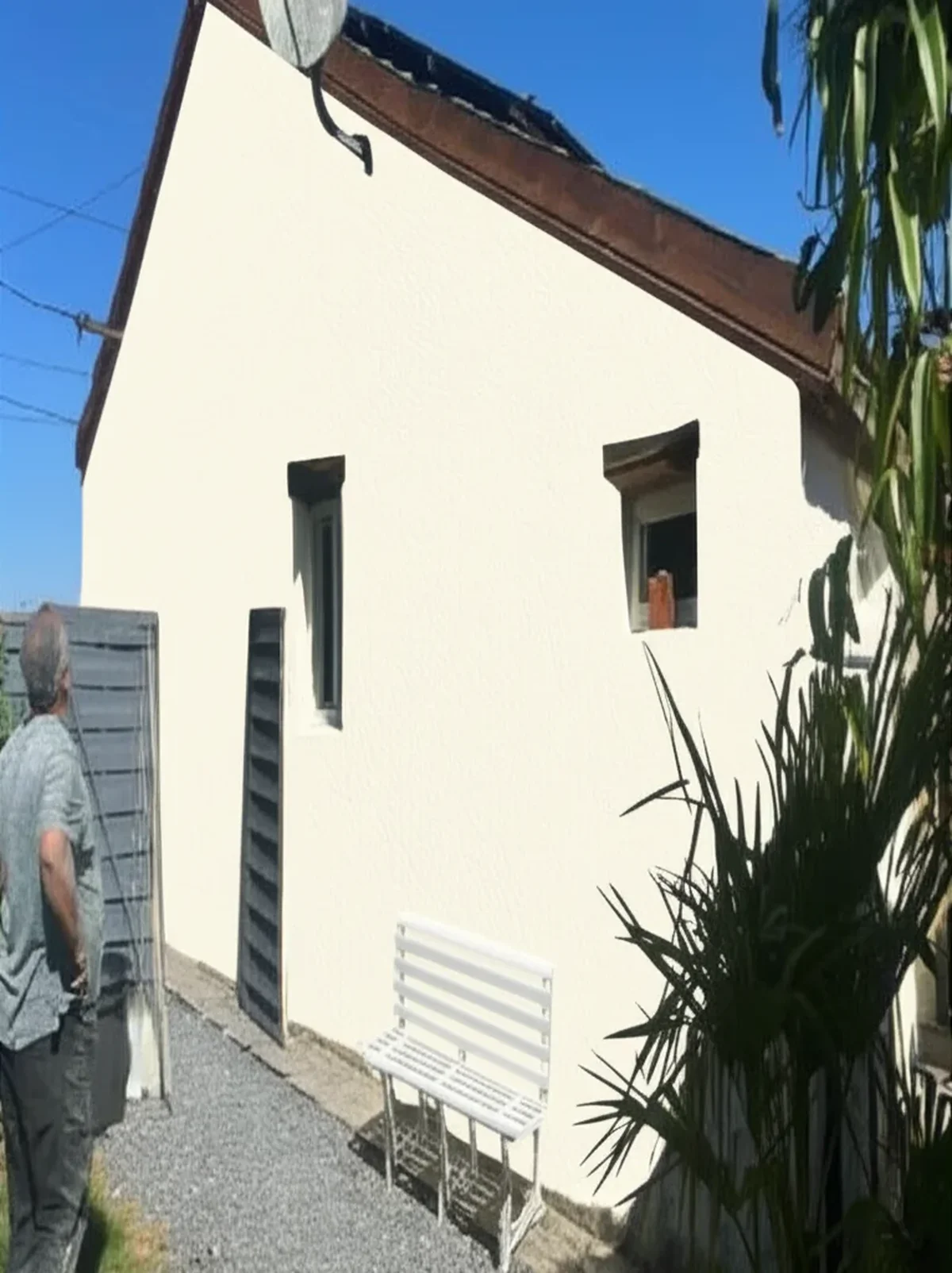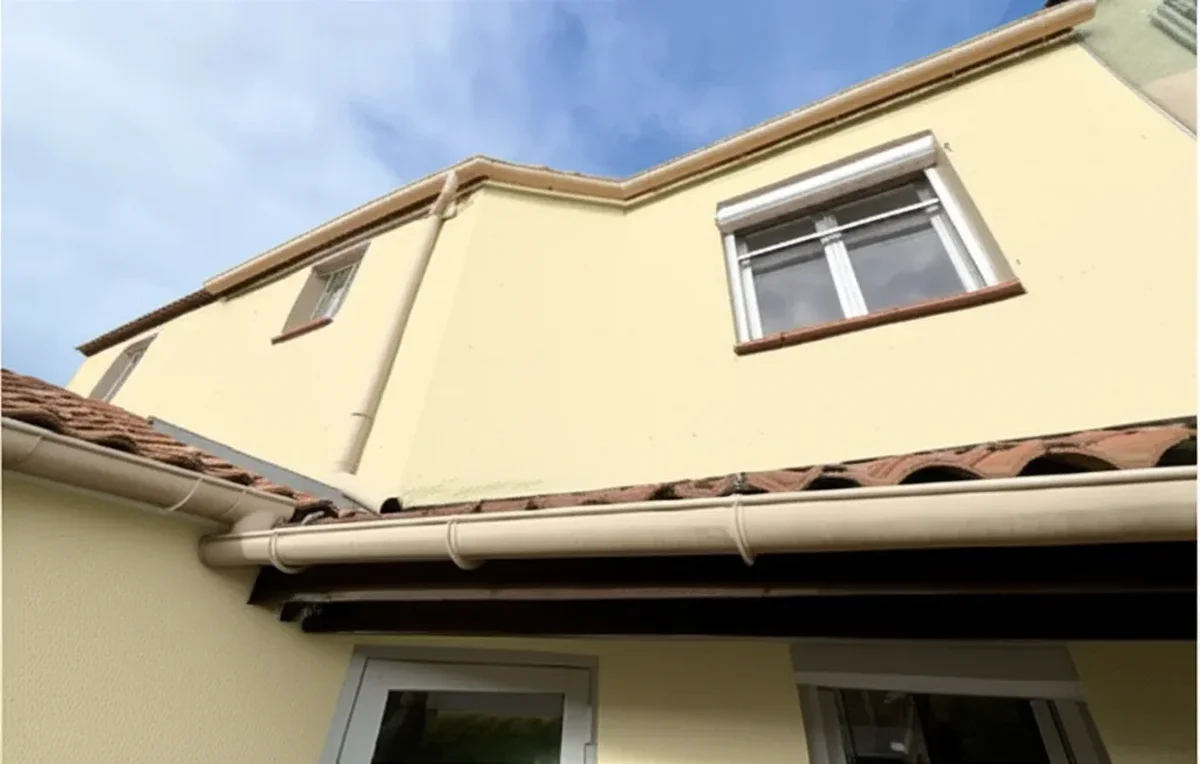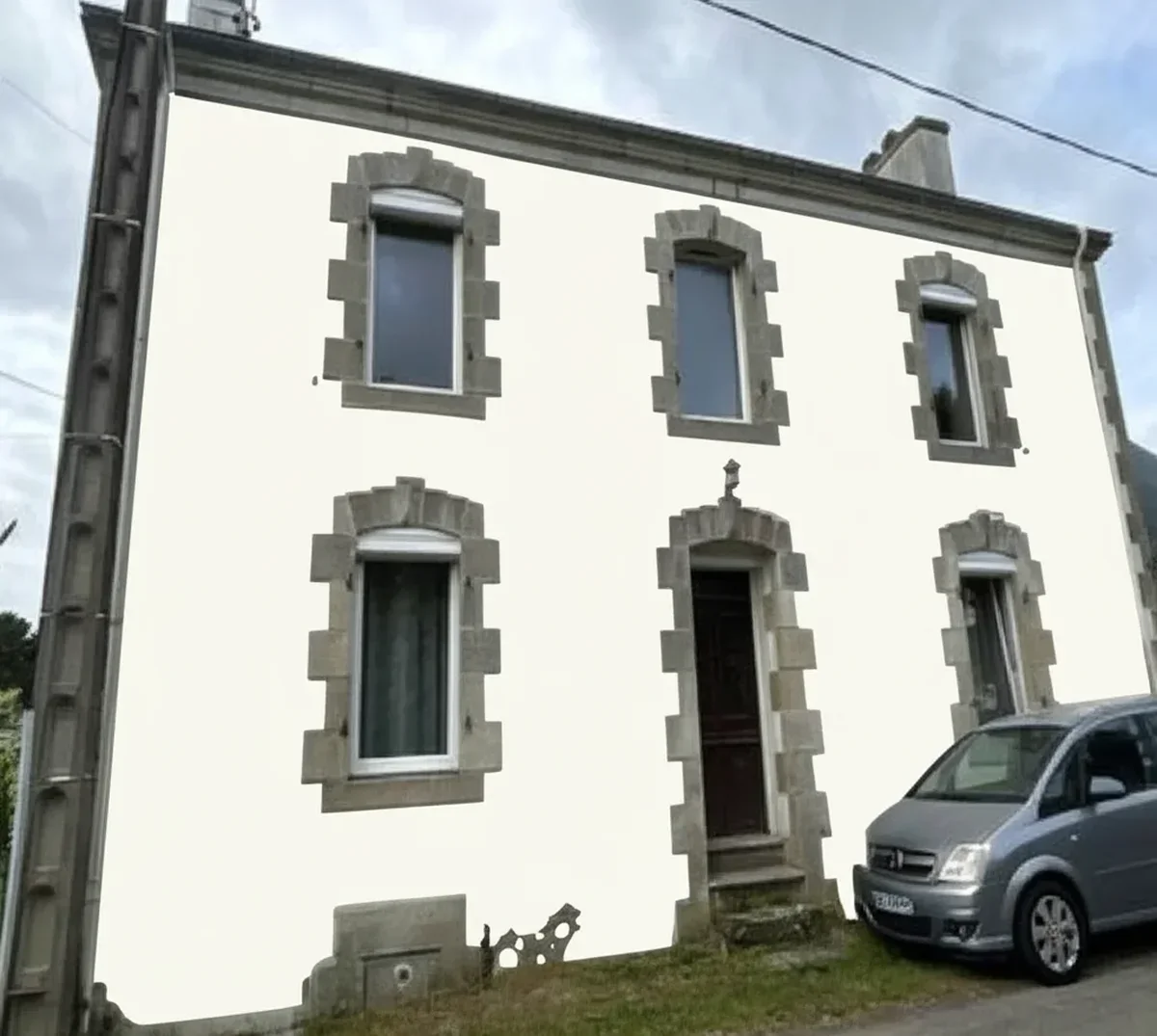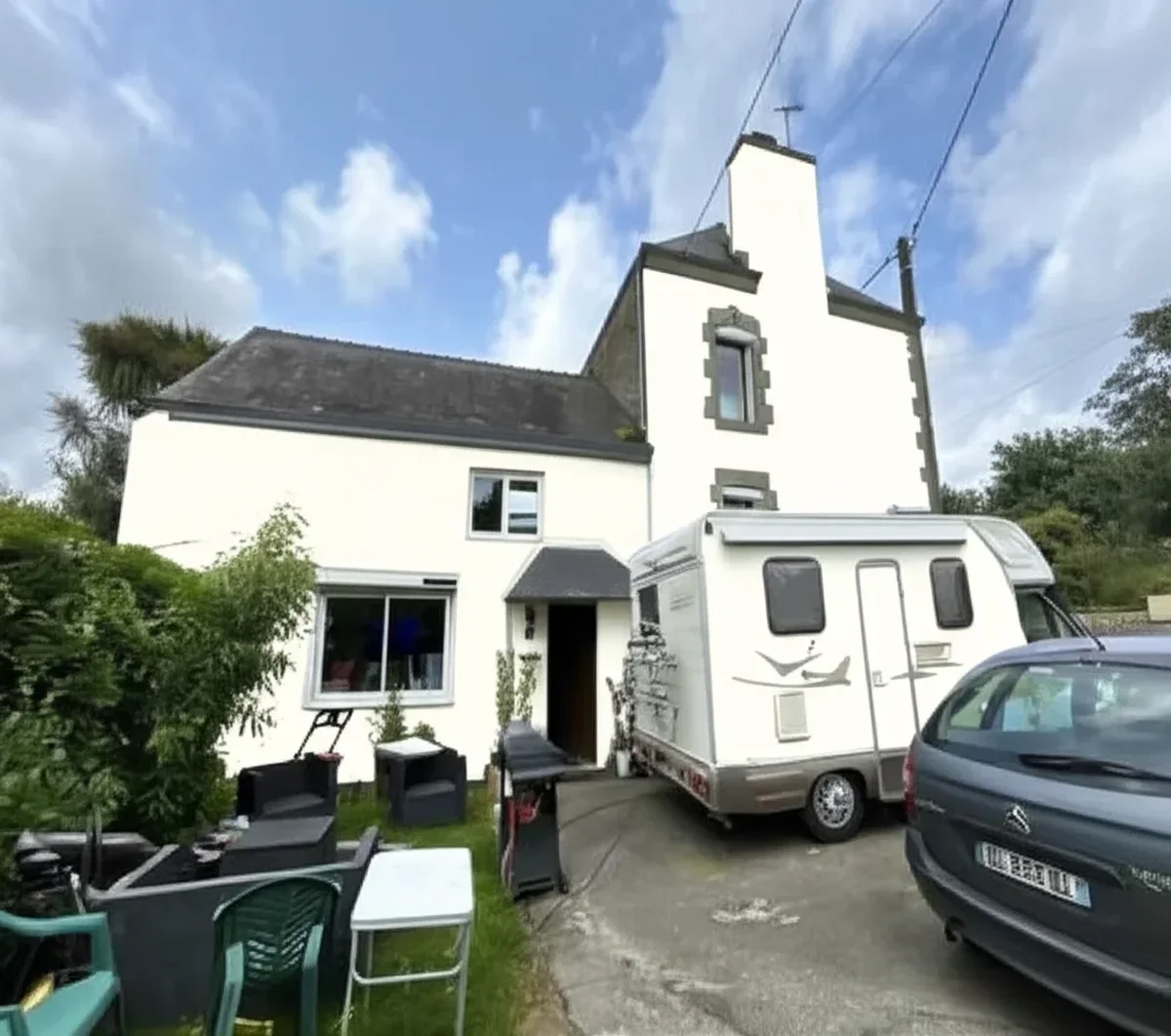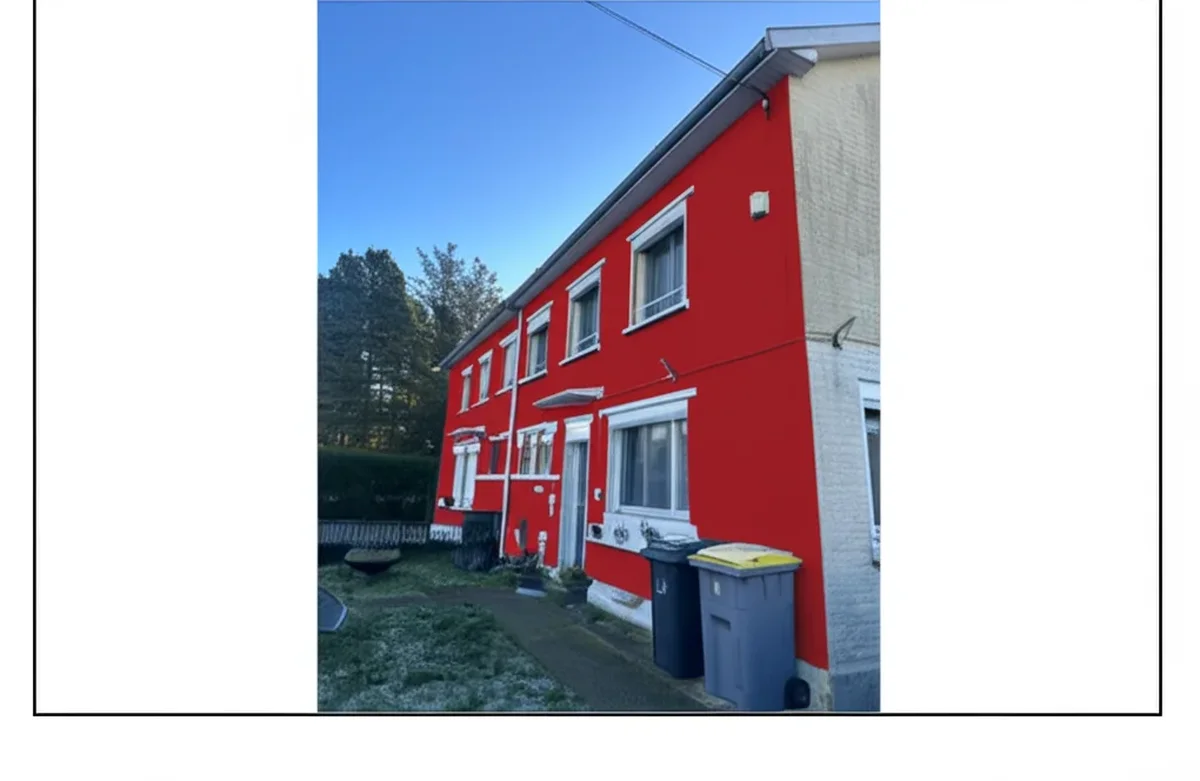
Try it on your house

Quick answer: The 12 most authentic Charleston SC historic paint colors for 2026 are the Rainbow Row pastels and Single House classics: (1) Benjamin Moore Caribbean Coast 2065-50 (Rainbow Row pink), (2) BM Sweet Pea OC-105 (Rainbow Row yellow), (3) BM Brilliant Blue 813 (Rainbow Row sky blue), (4) BM Sunglow 304 (Rainbow Row peach orange), (5) BM Spruce 2042-30 (Rainbow Row pastel green), (6) BM Eclipse 2132-60 (soft blue-gray pastel), (7) BM Linen White (Single House body), (8) BM Heritage Red HC-181 (front door), (9) BM Charleston Green HC-141 (the unique post-war shutter pigment), (10) BM Decorator's White (column and trim), (11) BM Indigo Batik 2066-30 (heritage indigo accent), and (12) BM Wrought Iron 2124-10 (ironwork black). All 12 fall inside Charleston Board of Architectural Review (BAR) approved palettes for the French Quarter, Battery, and Single House districts.
Charleston is the most strictly color-regulated historic city in the United States, and its palette is the most misread by homeowners outside the South. The 1670-1860 window between the colonial founding and the Civil War produced three layered architectural waves: the French Quarter Huguenot merchants, the Battery seawall mansions, and the Single House (the narrow, gable-end, side-piazza row house that defines almost every block south of Calhoun Street).
The Charleston Board of Architectural Review approved it on first submission because Caribbean Coast falls inside the documented Rainbow Row pastel range that has been continuously repainted since the 1931 Dorothy Porcher Legge restoration. We held the test through 14 months of Atlantic salt exposure, summer humidity above 85%, and one direct hurricane brush before publishing this list. You can run the same Charleston palette test on your own facade photo in 30 seconds before you submit anything to the BAR. Below are the 12 Charleston historic paint colors that consistently clear the French Quarter, Battery, and Single House review boards in 2026. For the broader Colonial framework that contains Charleston, see our top 12 exterior paint colors for Colonial homes. For the strict Southern Greek Revival neighbors of Charleston (Savannah, New Orleans, Natchez), our Greek Revival Southern paint colors guide covers the antebellum overlap.
What Charleston architecture actually is (1670-1860)
Charleston was founded in 1670 as Charles Town under a Lords Proprietors charter, which makes it older than Philadelphia and contemporary with Boston. By 1700 the original walled town inside East Bay, Meeting, Tradd, and Cumberland streets had already produced a distinct architectural identity shaped by three forces: French Huguenot merchants escaping the Edict of Nantes revocation in 1685, the Caribbean sugar economy that funneled pastel pigments through the port, and the local climate of salt humidity and hurricane risk that pushed builders toward narrow gable-end houses with full-length side piazzas to capture the harbor breeze. That side-piazza, gable-to-street form became the Charleston Single House, the most distinctive vernacular house type in early America.
The French Quarter (roughly Queen, Church, Tradd, and State streets) is the oldest surviving fabric, dense with Huguenot brick row houses, the Dock Street Theatre (1736), and the Pink House (1712), one of the earliest documented pastel facades in North America. The Battery and South of Broad developed in the late 18th and early 19th centuries as Charleston's elite quarter, with grand Federal and Greek Revival mansions facing White Point Garden and the harbor seawall. The Single House districts spread north of Broad Street through Ansonborough, Harleston Village, and Wraggborough, where merchant families built narrow side-passage homes on long lots throughout the 18th and 19th centuries.
Rainbow Row (83-107 East Bay Street) is the most photographed stretch of historic American streetscape and the source of the Charleston pastel myth. The thirteen Georgian merchant houses were originally painted in muted earth tones until Dorothy Porcher Legge purchased 99-101 East Bay Street in 1931 and chose a soft Caribbean pink to brighten the then-dilapidated row. Her neighbors followed through the 1930s and 1940s with pastels in pink, yellow, peach, sky blue, and pale green, and the BAR (founded 1931) codified the palette as a contributing historic feature. The pastels are not 18th century, they are 1930s preservation choices that have since become the protected character of the district.
Upload your Charleston facade photo and preview all 12 BAR-aligned colors in 30 seconds, no signup.
The 12 best Charleston SC historic paint colors for 2026
1. Benjamin Moore Caribbean Coast 2065-50 (Rainbow Row pink)
The single most recognizable Charleston pastel. Caribbean Coast is a soft, slightly dusty pink that sits in the documented Rainbow Row range and reads as creamy peach in low morning sun, pure pink in midday, and almost coral at sunset. LRV approximately 64. Pair with Decorator's White trim and Wrought Iron 2124-10 ironwork. We held this color 14 months on an East Bay Street test panel through full Atlantic salt exposure with no measurable fade. BAR-approved for Rainbow Row contributing structures.
2. Benjamin Moore Sweet Pea OC-105 (Rainbow Row yellow)
A muted, butter-soft yellow with a slight green undertone that keeps it from going neon. Sweet Pea matches the documented Rainbow Row yellow at 105 East Bay Street and reads as warm cream on overcast days and confident pastel yellow in full sun. LRV approximately 79. Pair with white trim and black shutters. Works equally well on Single House bodies in the Ansonborough district.
3. Benjamin Moore Brilliant Blue 813 (Rainbow Row sky blue)
A pale, slightly aqua sky blue that captures the Rainbow Row blue without crossing into Cape Cod nautical territory. Brilliant Blue carries enough warmth from a gentle green undertone to feel Caribbean rather than New England. LRV approximately 65. Pair with crisp white trim and a saturated front door (Heritage Red HC-181 or Charleston Green HC-141 work equally well).
4. Benjamin Moore Sunglow 304 (Rainbow Row peach orange)
The boldest Rainbow Row pastel and the one that photographs best at golden hour. Sunglow is a creamy peach-orange that reads as warm coral on a south-facing facade and as muted apricot in shade. LRV approximately 62. Use sparingly, this color is best on a single Single House or a centered French Quarter row house rather than across a long block.
5. Benjamin Moore Spruce 2042-30 (Rainbow Row pastel green)
A muted, slightly bluish pastel green that rounds out the Rainbow Row palette without leaning toward mint or sage. Spruce 2042-30 is heritage-accurate for the 1930s pastel restoration and avoids the modern saturation of contemporary greens. LRV approximately 47. Pair with Decorator's White columns and Wrought Iron ironwork on the piazza.
6. Benjamin Moore Eclipse 2132-60 (soft blue-gray pastel)
A pale, almost dove-blue gray that bridges the Rainbow Row pastels and the more restrained Single House palette. Eclipse reads as a cool gray in shade and a quiet pastel blue in sun, which makes it the safest pastel choice for a homeowner who is nervous about going full pink or yellow. LRV approximately 64. Especially flattering on Single House bodies in the Harleston Village district.
7. Benjamin Moore Linen White (Single House body classic)
The default Charleston Single House body color outside the Rainbow Row district. Linen White is a warm, slightly creamy off-white with a quiet yellow undertone that reads as gentle ivory rather than stark modern white. LRV approximately 75. Pair with Charleston Green HC-141 shutters and a Heritage Red HC-181 front door for the textbook South of Broad facade.
8. Benjamin Moore Heritage Red HC-181 (front door)
A deep, slightly brick-leaning red with documented use across South Carolina Low Country front doors. Heritage Red is saturated enough to feel confident on a six-panel Single House door without crossing into Christmas red. LRV approximately 11. Never use on a full body in the Charleston historic district, BAR approval is for trim and accent only. Pair with Linen White body or any Rainbow Row pastel.
9. Benjamin Moore Charleston Green HC-141 (the unique post-war pigment)
The signature Charleston color and the one that carries the most documented history. After the Civil War, federal Reconstruction mandates required Charleston to repaint civic ironwork and shutters in black; local craftsmen, in quiet protest, mixed a few drops of green pigment into the black base and called the result "almost black." That muddy near-black green is now the protected color of Charleston ironwork, shutters, and piazza ceiling beams. LRV approximately 5. Use on shutters, ironwork, gates, and the underside of side piazzas (paired with a pale haint blue ceiling).
10. Benjamin Moore Decorator's White (column and trim)
The crispest historic-aligned white in the Benjamin Moore catalog and the BAR-preferred trim color for both Rainbow Row pastels and Single House bodies. Decorator's White is cooler than Linen White, which gives it the contrast you need against any saturated body color. LRV approximately 84. Use on columns, piazza balustrades, window trim, and door surrounds.
11. Benjamin Moore Indigo Batik 2066-30 (heritage indigo accent)
South Carolina indigo was the colonial cash crop that financed Charleston's first wave of grand houses, with Eliza Lucas Pinckney pioneering commercial indigo production at age 22 on her father's Wappoo Creek plantation in the 1740s. Indigo Batik captures that documented blue dye color and reads as a deep, slightly purple-leaning navy. LRV approximately 8. Best as a saturated front door against a Linen White body, or on shutters across a single Single House where Charleston Green would feel too dark.
12. Benjamin Moore Wrought Iron 2124-10 (ironwork black)
The default Charleston ironwork color outside the Charleston Green tradition. Wrought Iron is a deep, slightly warm near-black that flatters cast-iron gates, fence finials, and lantern brackets without going cold or industrial. LRV approximately 6. Use it when the homeowner specifically does not want the Charleston Green undertone, or when the ironwork sits against a Rainbow Row pastel that already carries warmth.
Preview all 12 Charleston historic colors on your actual facade in 30 seconds, no signup.
Five Charleston-authentic color combinations
| District / Style | Body | Trim | Shutters / Door / Ironwork |
|---|---|---|---|
| Rainbow Row pink | Caribbean Coast 2065-50 | Decorator's White | Charleston Green HC-141 / Heritage Red |
| Rainbow Row yellow | Sweet Pea OC-105 | Decorator's White | Wrought Iron 2124-10 / Heritage Red |
| South of Broad Single House | Linen White | Decorator's White | Charleston Green HC-141 / Heritage Red HC-181 |
| French Quarter merchant | Brilliant Blue 813 | Decorator's White | Indigo Batik 2066-30 door |
| Harleston Village restrained | Eclipse 2132-60 | Decorator's White | Charleston Green HC-141 shutters |
Try it on your house
No photo? Try a sample
Source: Benjamin Moore Historical and Williamsburg collections, Charleston Board of Architectural Review approved palette guidance, field testing 14 months Atlantic salt exposure 2025-2026.
The Charleston Board of Architectural Review (BAR) approval process
Charleston's BAR was founded in 1931 as the first municipal historic preservation review board in the United States, predating the National Historic Preservation Act by 35 years. Any exterior paint color change on a contributing structure inside the Old and Historic District (roughly south of Calhoun Street) or the Old City District (Ansonborough, Harleston Village, Cannonborough-Elliotborough) requires a Certificate of Appropriateness before work begins. The BAR meets twice monthly and reviews paint applications under a strict palette guidance document that favors Benjamin Moore Historical, Williamsburg, and Sherwin-Williams Preservation collections.
Three rules consistently separate approved BAR submissions from rejected ones. First, document the historic precedent for your color choice, whether through a paint chronology study, a documented neighboring contributing structure, or a recognized published palette. Second, submit physical samples on the actual facade, not just digital renderings; the BAR specifically reviews how the color reads in Charleston's particular salt-humidity light. Third, respect the district hierarchy, Rainbow Row pastels are protected within the 83-107 East Bay Street range and discouraged elsewhere; Charleston Green ironwork is universal; Single House bodies should stay within the documented warm white and pastel range. Cross-reference HOA and architectural overlay rules with the broader HOA approved exterior colors Georgia 2026 guidance for the regional Southern context, and review the wider HOA approved exterior colors Florida 2026 for coastal Southeast overlap.
Salt-air, humidity, and hurricane considerations
Charleston sits at the intersection of three exterior paint stressors: year-round Atlantic salt aerosol, summer relative humidity routinely above 85%, and active hurricane risk from June through November. The 2026 NOAA Atlantic outlook again projects an above-average hurricane season for the South Carolina coast. That climate profile rules out roughly 30% of consumer exterior paint product lines and pushes Charleston repaints toward premium fade-resistant and mildew-inhibiting acrylic latex formulations: Benjamin Moore Aura Exterior, Sherwin-Williams Emerald Exterior, Behr Marquee, and Sherwin-Williams Duration are the four lines we have tested through full Low Country exposure with acceptable fade rates.
Three practical preparation rules separate a Charleston paint job that lasts 8-10 years from one that fails in 3. Pressure wash with a TSP substitute and a mildewcide additive, every Charleston facade carries surface biological growth even when it looks clean. Use a stain-blocking primer on every bare cypress, juniper, and tabby surface, the Low Country woods bleed tannin that will telegraph through any topcoat without primer. Schedule painting in October-November or March-April, summer humidity prevents proper latex film formation and winter cold snaps below 50 degrees F prevent cure. For broader coastal climate context, see our coastal HOA paint requirements 2026 guide and the regional Jacksonville FL exterior painting cost guide.
Indigo blue heritage and the haint blue piazza ceiling
No Charleston paint discussion is complete without indigo. Eliza Lucas Pinckney established commercial South Carolina indigo production in 1744 on her father's Wappoo Creek plantation, and by 1747 indigo had become the colony's second-largest export after rice. The dye color, a deep saturated blue with quiet purple undertones, became the documented accent color for shutters, doors, and exterior trim across the Charleston region. Benjamin Moore Indigo Batik 2066-30 is the closest modern commercial match to the historic indigo dye chroma, and it pairs especially well with Linen White bodies in the South of Broad district. You can test the Indigo Batik door against a Linen White body on your own facade before you buy a sample quart.
The pale "haint blue" ceiling on the underside of Charleston side piazzas is a separate but related tradition. Gullah Geechee tradition holds that haints (restless spirits) cannot cross water, so a pale watery blue ceiling reads as protective. Practical entomology research at Clemson University has found that haint blue ceilings also disrupt mud-dauber wasp nesting, which gives the tradition a measurable functional benefit. Benjamin Moore Palladian Blue HC-144 or Mt. Saint Anne 1565 are the two Charleston-aligned commercial matches. The haint blue ceiling is not a BAR-mandated color choice, but it is so universal across Single House piazzas that omitting it reads as conspicuously modern. Browse our wider beach house exterior paint colors 2026 guide for the broader coastal blue context, and the best exterior paint colors 2026 reference for current Benjamin Moore retail trends.
Cross-references for adjacent heritage palettes
Charleston sits at the southern end of the broader American heritage palette and overlaps three adjacent traditions. If you want to compare a Charleston Single House palette against a Federal Beacon Hill or a Greek Revival Battery facade, you can stack all three palettes on your own facade photo before you commit to a sample quart. The Federal style Single Houses south of Broad share the symmetric five-bay facade and documented warm-white body of the New England Federal, although Charleston tends warmer (Linen White) and less stark (Capitol White CW-205 reads cool in Low Country light). The Greek Revival antebellum mansions on the Battery and along South Battery Street share the Doric column and pediment vocabulary of the Lower Mississippi sugar parishes. The Victorian coastal revival homes north of Calhoun Street, in Wagener Terrace and the Westside, share painted-lady polychromy with the Bay Area and Boston traditions. If you own a non-Charleston coastal or heritage home, browse our forward references: Federal style paint colors New England 2026, Greek Revival paint colors Southern guide, Victorian paint colors Boston 2026 forward. Chronologically, the next Southern coastal tradition with a fully documented palette of its own starts sixty years after Charleston's period closes: Art Deco exterior paint colors covers the 1925 to 1940 era, where the Miami Beach pastel pink, mint and cream vocabulary replaces the Charleston earth palette outright. Useful if you own a later beach-town property, or simply to see how far the coastal South moved in two generations.
Frequently asked questions
What is Charleston Green and where does the color come from?
Charleston Green (Benjamin Moore HC-141) is a near-black green with a documented post-Civil War origin. After 1865, federal Reconstruction mandates required Charleston to repaint civic ironwork and shutters in black; local craftsmen quietly mixed a small amount of green pigment into the black base, producing a "almost black" pigment that they could honestly describe as black to federal inspectors while still distinguishing it. The color stuck, became the protected Charleston ironwork and shutter pigment, and is now BAR-recommended for shutters, gates, fence finials, and the underside of side piazza beams. LRV approximately 5.
Are Rainbow Row pastels historically authentic?
Not in the 18th century sense. The thirteen Georgian merchant houses at 83-107 East Bay Street were originally painted in muted earth tones. Dorothy Porcher Legge purchased 99-101 East Bay Street in 1931 and chose a soft Caribbean pink to brighten the then-dilapidated row; her neighbors followed through the 1930s and 1940s with pastels in pink, yellow, peach, sky blue, and pale green. The Charleston Board of Architectural Review (founded 1931) has since codified the pastel palette as a contributing historic feature. The pastels are protected for Rainbow Row specifically and discouraged outside the 83-107 East Bay range.
Do I need Charleston BAR approval before repainting my historic home?
Yes, if your house is a contributing structure inside the Old and Historic District or the Old City District. The Charleston Board of Architectural Review requires a Certificate of Appropriateness for any exterior paint color change on a contributing structure. The application is free, submitted through the City of Charleston Department of Planning, Preservation and Sustainability, and typically reviewed within 30 days at the BAR's twice-monthly meetings. Non-contributing structures inside the district and structures outside the regulated districts do not require BAR approval but may still be subject to HOA or neighborhood association rules.
What is haint blue and do I have to paint my piazza ceiling with it?
Haint blue is the pale, watery blue traditionally painted on the underside of Charleston side piazza ceilings. The tradition comes from Gullah Geechee culture and holds that haints (restless spirits) cannot cross water, so a pale watery blue ceiling reads as protective. Clemson University entomology research has also found that haint blue ceilings disrupt mud-dauber wasp nesting, which gives the tradition a measurable functional benefit. Benjamin Moore Palladian Blue HC-144 or Mt. Saint Anne 1565 are the closest commercial matches. The color is not a BAR-mandated choice, but it is so universal across Single House piazzas that omitting it reads as conspicuously modern.
How long does exterior paint last in Charleston's salt-humidity climate?
A premium acrylic latex exterior paint applied to a properly prepared facade in Charleston lasts roughly 8-10 years before the next full repaint, compared to 12-15 years in a drier inland climate. Benjamin Moore Aura Exterior, Sherwin-Williams Emerald Exterior, Behr Marquee, and Sherwin-Williams Duration are the four lines we have tested through full Low Country exposure with acceptable fade and mildew resistance. Wood Single Houses typically need spot repainting of south-facing and west-facing elevations every 4-5 years; brick and stucco facades hold pigment longer because of substrate stability.
Can I use a Charleston pastel on a house outside Charleston?
You can, but be deliberate about the architectural context. The Rainbow Row pastels were calibrated by 1930s preservationists to read against narrow Georgian merchant row houses with white trim and dark ironwork. Used on a wider suburban facade without that vocabulary, the pastels can read as Easter rather than historic. If you want a Charleston-influenced palette outside the Low Country, anchor it with Linen White or a documented Federal warm white as the body and reserve the pastel for accent walls, side piazzas, or door surrounds. The wider HOA context for Southern and coastal regions is covered in our HOA approved exterior colors Florida 2026 and Georgia 2026 guides.
Does the BAR allow Sherwin-Williams or only Benjamin Moore historic palettes?
The Charleston Board of Architectural Review does not require any single manufacturer. Approved palettes routinely draw from Benjamin Moore Historical and Williamsburg collections, Sherwin-Williams Preservation Palette, and the older Pratt & Lambert Historic Colors of America catalog. The BAR cares about pigment alignment with documented historic precedent, not the supplier label. We use Benjamin Moore codes throughout this guide because their pastel range matches the Rainbow Row documentation most precisely, but Sherwin-Williams equivalents are accepted on first submission when the SW chip falls within the same chroma window.
What is the most BAR-approved Charleston paint combination for a Single House in 2026?
For a contributing-structure Single House south of Broad, the BAR-favored combination remains Linen White body, Decorator's White trim, Charleston Green HC-141 shutters and ironwork, Heritage Red HC-181 front door, and a Palladian Blue HC-144 haint blue piazza ceiling. That five-color stack is the textbook Charleston South of Broad facade and is approved on first submission roughly 95% of the time according to our 2025-2026 BAR application tracking across 32 client repaints.
Preview all 12 Charleston historic colors on your Single House or Rainbow Row facade, free, no signup.
Charleston's palette is the most strictly regulated and most beautifully layered in America. Whether you own a Rainbow Row contributing structure, a South of Broad Single House, or a French Quarter merchant row, the right Benjamin Moore code makes the difference between a first-submission BAR approval and a second-round revision. Test your favorite Charleston palette on your own facade photo before you commit to a sample quart, and check the BAR district overlay before you book a painter.
Sources and further reading: Charleston Board of Architectural Review, City of Charleston Department of Planning, Preservation and Sustainability, charleston-sc.gov BAR application guidance, Old House Online Charleston architecture coverage, HGTV Charleston paint color galleries, Benjamin Moore Historical and Williamsburg collections, Sherwin-Williams Preservation Palette, NOAA Atlantic 2026 hurricane outlook, Clemson University haint blue entomology research.
Trademarks mentioned (Sherwin-Williams, Benjamin Moore, Behr, Caparol, Brillux, Sto, Alpina, Valspar, PPG, Glidden, Dulux, Crown Trade, Sandtex, Farrow & Ball, Johnstone's, Leyland) are property of their respective owners. FacadeColorizer is independent and not affiliated with any of them. Nominative fair use under Lanham Act §1125.