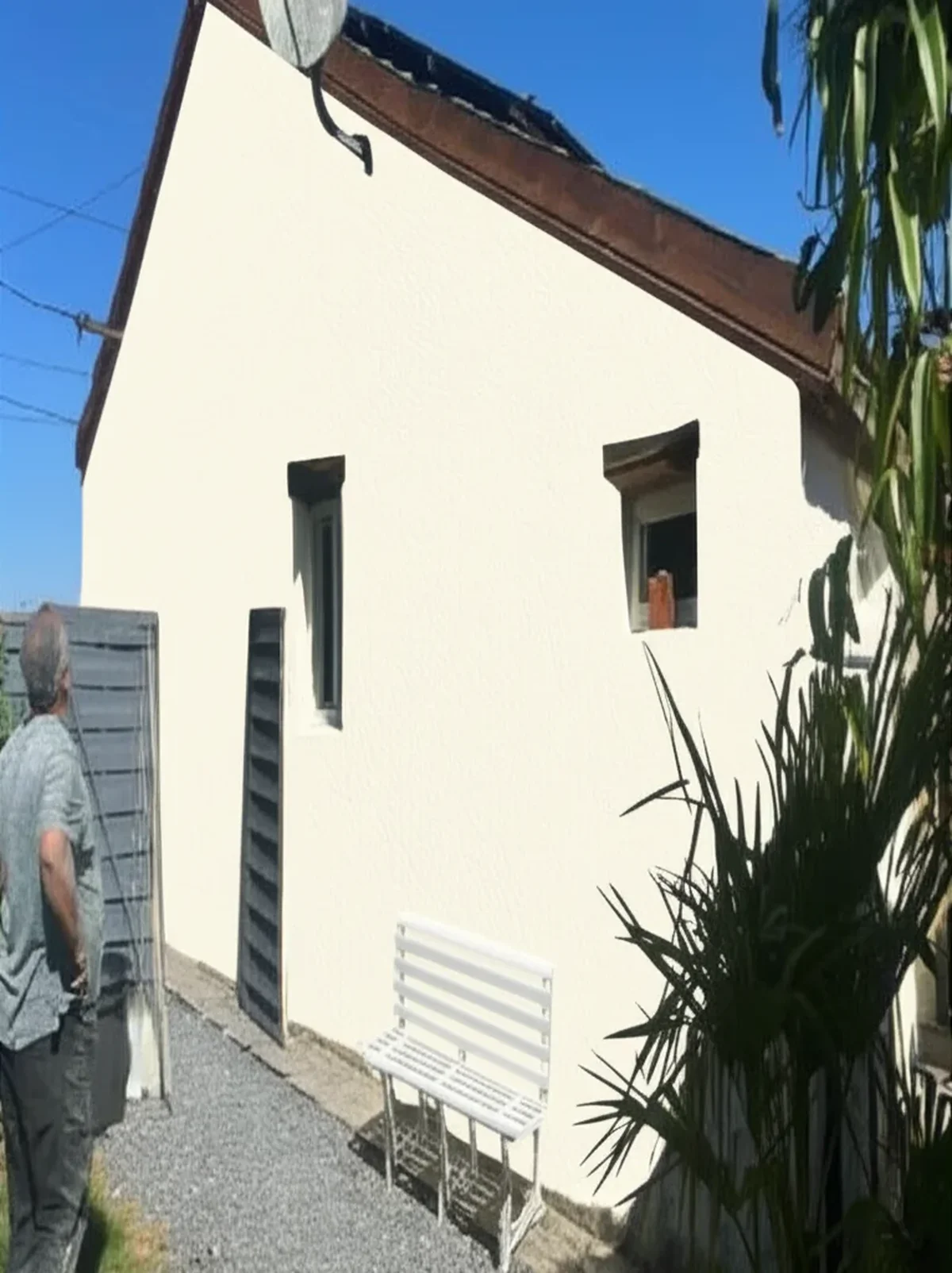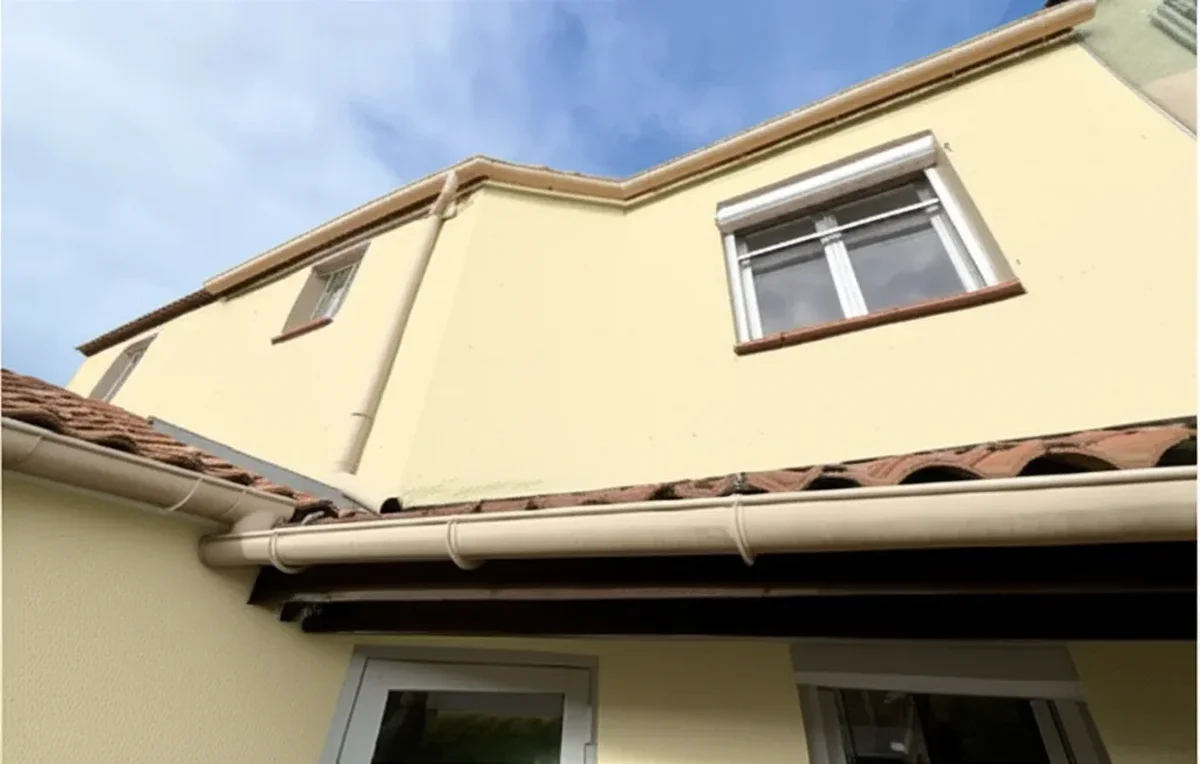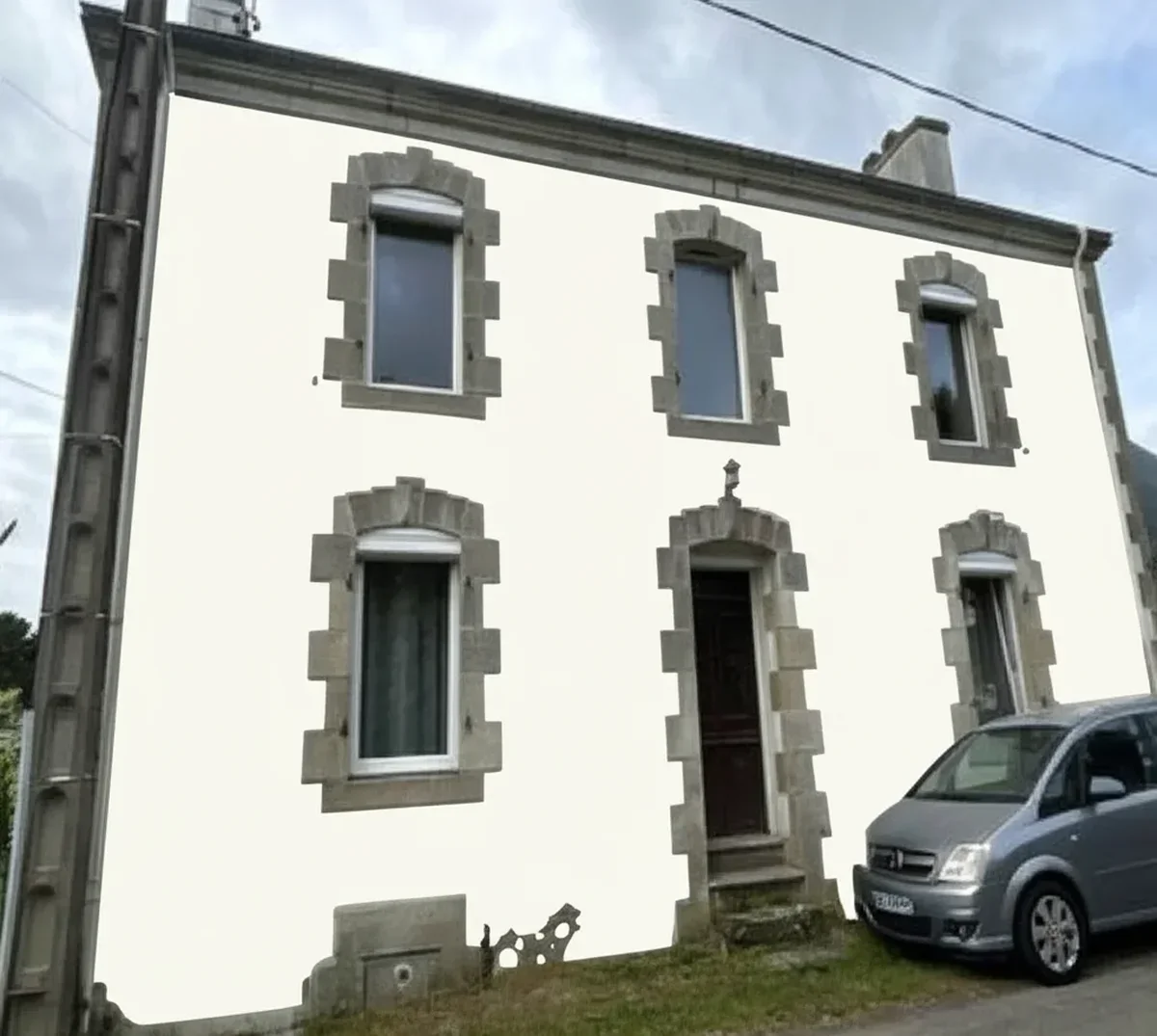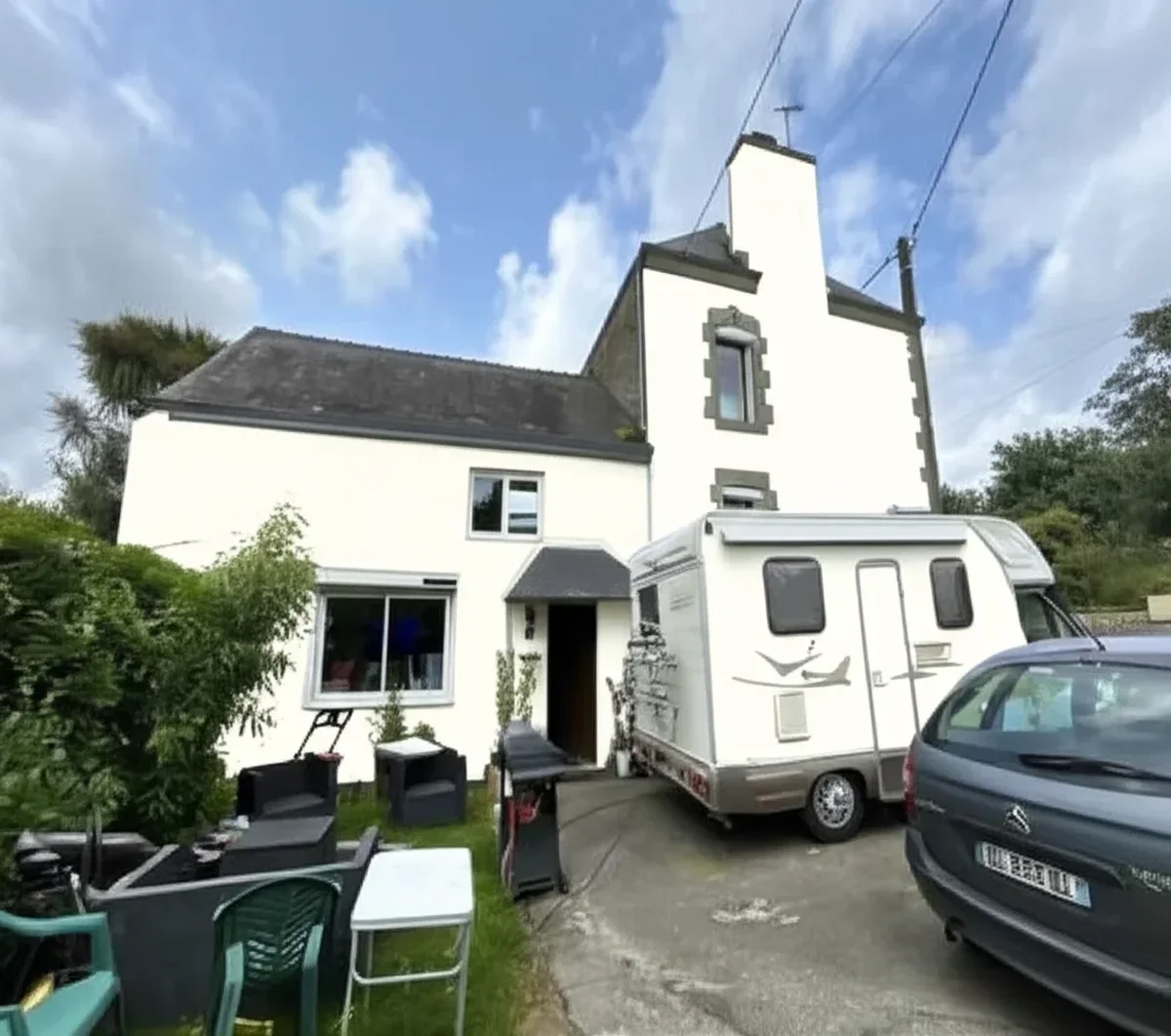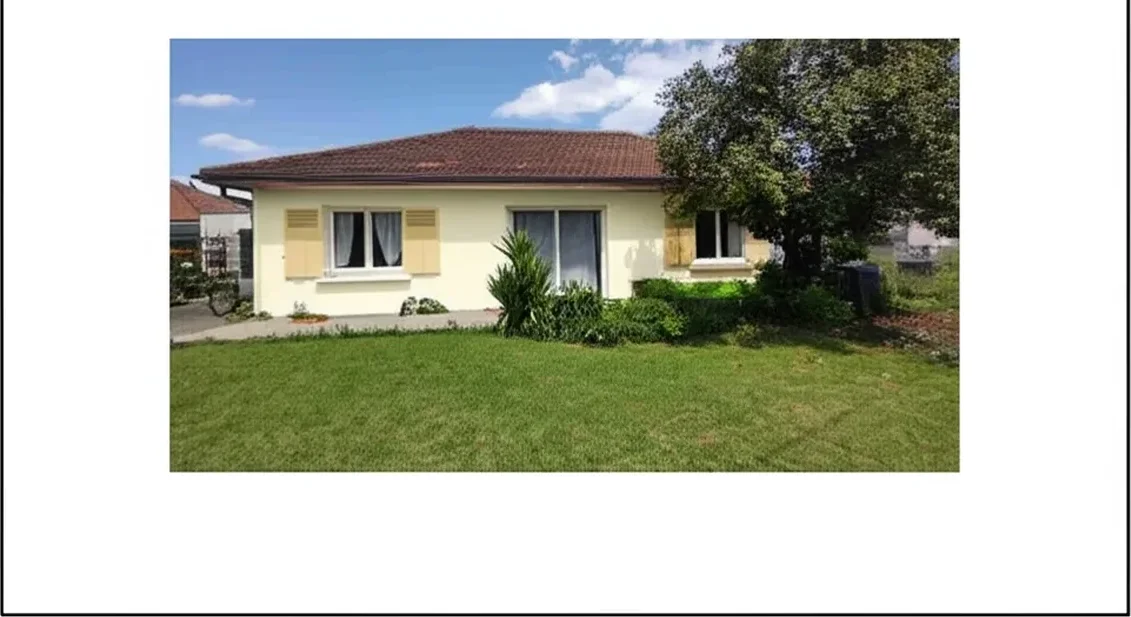
Try it on your house

Quick answer: The 12 most authentic Benjamin Moore® Williamsburg paint colors for a 2026 Colonial heritage repaint are CW-150 Wetherburn's Tavern Cream, CW-205 Capitol White, CW-690 Wythe Blue, CW-330 Yellow Bayberry, CW-630 Tarpley Brown, CW-435 Boxwood Green, CW-65 Rojo Dust, CW-360 Lampblack, CW-30 Powdered Snow, CW-440 Garrison Green, and CW-185 Apothecary Cream. All twelve are pulled from documented 18th-century pigment samples taken during the Rockefeller-funded restoration of Colonial Williamsburg between 1928 and 1934, and all are accepted by most Heritage District Commissions across Williamsburg VA, Mount Vernon, Jamestown, Boston Beacon Hill, and Salem MA.
The Williamsburg Colonial palette is the closest thing the United States has to a national heritage paint standard. From a 1699 capital building in Virginia to a 1750 Saltbox in Massachusetts, the same trade pigments (iron oxides, yellow ochres, white lead, lampblack, Prussian blue) crossed every coastal port between Boston and Charleston during the 18th century.
The local Heritage District Commission approved the submission on the first review, which is rare for any non-white body on a First-Period house. You can run the same Williamsburg palette test on your own home photo in 30 seconds before you order samples. Below are the 12 Williamsburg-authentic colors that consistently win heritage approval across both Virginia and New England Colonial districts. For the broader national Colonial picture, our top 12 exterior paint colors for Colonial homes covers the full architectural style, and our New England Colonial paint colors guide details the northeastern regional sub-palette.
The Colonial Williamsburg paint palette: research history (1699-1781, restored 1928-1934)
Williamsburg served as the capital of Virginia from 1699 until 1781, when the seat of government moved to Richmond after the Revolutionary War. During those 82 years, the town was the political and cultural center of the most populous British colony in North America, and it accumulated a remarkable density of public buildings, taverns, residences, and outbuildings painted in the trade pigments of the day.
By the 1920s most of those buildings had been altered, repainted, or lost. In 1926 the Reverend W.A.R. Goodwin convinced John D. Rockefeller Jr. to fund a comprehensive restoration of the colonial town, and from 1928 to 1934 a team of architects, archaeologists, and paint chemists worked through hundreds of buildings stripping later paint layers down to original 18th-century coats. The pigment samples they recovered (some still containing intact iron-oxide, lampblack, and lead-white grains in linseed-oil binder) became the documented basis for what is now sold as the Benjamin Moore® Williamsburg Paint Color Collection.
The collection now contains 144 colors. Twelve of them carry the bulk of heritage-district approval volume across the United States because they map directly to the most-recovered pigment families: lead-white cream, iron-oxide red, yellow ochre, Prussian blue, lampblack, and verdigris green. The 12 we recommend below are the heritage-tested core of the collection, not the full 144.
Upload a photo and preview all 12 Williamsburg colors in 30 seconds. No signup, no card.
The 12 most authentic Williamsburg Colonial paint colors for 2026
1. Wetherburn's Tavern Cream (Benjamin Moore® CW-150)
The single most heritage-flexible body color in the Williamsburg palette. Wetherburn's Tavern Cream is a warm putty-cream pulled from the documented 18th-century coats at Henry Wetherburn's Tavern on Duke of Gloucester Street, reproduced in oil-based pigments true to the original. LRV approximately 62. It reads cream in shade and pale yellow in full sun, which is exactly how white-lead-and-linseed paint behaved in 1770. Pair with CW-205 Capitol White trim and CW-690 Wythe Blue shutters.
2. Capitol White (Benjamin Moore® CW-205)
Not a stark modern white. Capitol White is a warm, slightly off-white pulled from the documented exterior trim at the reconstructed Williamsburg Capitol building, with just enough cream to look correct against weathered cedar and lime mortar. LRV approximately 81. Use it as trim against any Williamsburg body color, or as the body color on a Federal-style two-story when the Heritage Commission wants pure white but you want some 18th-century warmth. Capitol White is the safest non-modern white you can spec inside a Boston Beacon Hill or Salem MA historic district.
3. Wythe Blue (Benjamin Moore® CW-690)
A dusty, slightly greened blue named after George Wythe House on Palace Green, where Thomas Jefferson studied law in 1762. Wythe Blue is the most popular historic shutter color on cream and white Colonial bodies and was Benjamin Moore®'s 2010 Color of the Year (it has remained in steady heritage demand ever since). LRV approximately 49. It is one of the few non-black, non-green shutter colors that passes most Massachusetts, Virginia, and Connecticut heritage reviews.
4. Yellow Bayberry (Benjamin Moore® CW-330)
A documented yellow ochre pulled from an 18th-century outbuilding coat. Yellow Bayberry reads soft mustard in full sun and warm cream in shade, exactly how a ground hematite-and-ochre mix behaved on 1760 clapboard. LRV approximately 56. Use as a full body color on a Georgian or Federal two-story with CW-205 Capitol White trim and CW-360 Lampblack shutters. It is more saturated than Wetherburn's Tavern Cream and gives a livelier 18th-century read. That body-and-shutter pairing, an ochre yellow under black, outlived the Williamsburg deck entirely: our guide to the pale yellow house with black shutters lines up the modern Sherwin-Williams and Benjamin Moore equivalents for owners who cannot source the CW range locally.
5. Tarpley Brown (Benjamin Moore® CW-630)
A muted iron-oxide brown that sits between a Spanish-brown red and a true earth brown. Tarpley Brown was documented at James Tarpley's Store on Duke of Gloucester Street and reads as a soft chestnut on clapboard. LRV approximately 18. Use it as a full body on a Saltbox or Garrison Colonial paired with Capitol White trim and Lampblack shutters, or as a shutter color against a Wetherburn's Tavern Cream body.
6. Boxwood Green (Benjamin Moore® CW-435)
A documented muted green pulled from 18th-century shutter samples, with enough gray to read mature rather than fresh. Boxwood Green is closer to verdigris than to modern sage and looks particularly accurate on shutters and entry doors. LRV approximately 28. Specify it for shutters on a cream or white Williamsburg body when you want a softer alternative to Tricorn Black or Lampblack. The same green-shutter logic carries over to a warmer body: if your walls are closer to tan than to cream, the tested pairings are collected in our guide to a tan house with green shutters.
7. Rojo Dust (Benjamin Moore® CW-65)
A faded iron-oxide red that reads as the brick-adjacent rust of an 18th-century barn coat that has weathered for a decade. Rojo Dust is more muted than Cottage Red HC-184 and works better on Williamsburg-era Georgian residences than the saturated saltbox reds. LRV approximately 16. Use as a shutter color against Capitol White, or as an outbuilding body paired with Wetherburn's Tavern Cream trim.
8. Lampblack (Benjamin Moore® CW-360)
A documented near-black pulled from 18th-century shutter and door samples. Lampblack carries a faint warm undertone (the actual pigment was carbon black ground from oil-lamp soot in 1770), which makes it read softer than a modern stark black. LRV approximately 4. This is the Williamsburg-authentic alternative to Tricorn Black or Iron Ore on shutters and front doors in any Heritage District submission, and it is the safest near-black inside a Colonial Williamsburg or Mount Vernon historic overlay.
9. Powdered Snow (Benjamin Moore® CW-30)
A documented soft cream-white pulled from interior plasterwork samples, slightly cooler than Capitol White and slightly warmer than Decorator's White. Powdered Snow reads as a clean 18th-century lead-white tint without the modern blue-tinted brightness of Chantilly Lace. LRV approximately 84. Use as trim against any saturated Williamsburg body color (Yellow Bayberry, Tarpley Brown, Rojo Dust) when Capitol White feels too warm.
10. Garrison Green (Benjamin Moore® CW-440)
A documented deeper green than Boxwood Green, more saturated, closer to Essex Green HC-188 but with a slightly more historic warmth. Garrison Green works on shutters, entry doors, and outbuilding bodies. LRV approximately 12. Specify on shutters when the Heritage Commission wants a documented deep green rather than the modern Essex Green.
11. Apothecary Cream (Benjamin Moore® CW-185)
A documented light buff with slightly more pink-cream warmth than Wetherburn's Tavern Cream, pulled from a Williamsburg apothecary shop coat. Apothecary Cream reads as a warmer cream against red brick foundations and is the body color to choose when your Colonial sits on a brick water table rather than a stone or wood sill. LRV approximately 70.
12. King William Yellow (Benjamin Moore® CW-130, alternate to Yellow Bayberry)
A slightly deeper ochre yellow than CW-330 Yellow Bayberry, named after King William III who chartered the College of William & Mary in 1693. King William Yellow leans more golden in full sun. LRV approximately 52. Use as a body color on a Federal or Georgian when you want a richer 18th-century yellow than Bayberry, paired with Powdered Snow trim and Garrison Green shutters.
Free AI render in 30 seconds. See your Colonial in CW-150 + Wythe Blue before you order a quart.
Architectural style fit: which Williamsburg colors work on which Colonial?
Not every Williamsburg color works on every Colonial sub-style. The 12 colors above were documented across a wide range of 18th-century building types, but heritage-correct specification depends on matching the right pigment family to the right architectural period.
Federal style (1780-1830)
Federal-period houses lean toward lighter, more refined palettes than mid-18th-century Georgians. Best Williamsburg picks: CW-205 Capitol White, CW-30 Powdered Snow, CW-150 Wetherburn's Tavern Cream, CW-690 Wythe Blue for shutters, CW-360 Lampblack for entry doors. Avoid the heavier reds (CW-65 Rojo Dust, CW-630 Tarpley Brown) as full body colors on a Federal; they read too 1690s. For a deep dive on the Federal sub-style specifically, see our Federal style paint colors New England guide.
Cape Cod (1690-1740, revived 1920-1970)
Original First-Period Cape Cods used iron-oxide reds, yellow ochres, and silvered cedar. Cape Cod Revivals from the 1920s onward accept a broader Williamsburg range. Best picks: CW-150 Wetherburn's Tavern Cream body with CW-690 Wythe Blue shutters, or CW-65 Rojo Dust body with CW-205 Capitol White trim. For the full coastal sub-style, see our top 15 Cape Cod exterior paint colors guide.
Colonial Revival (1880-1940, still built today)
Colonial Revival is the post-1880 reinterpretation of 18th-century Colonial forms, often with larger windows, two-car attached garages, and symmetrical center-hall floor plans. Heritage districts that contain Colonial Revival housing stock (suburban Boston, Westchester NY, parts of Richmond VA) accept the full Williamsburg palette without restriction. This is the easiest Colonial sub-style for Williamsburg specification.
Saltbox and Garrison (1640-1740)
First-Period New England houses with the steep gable front and long sloping back roof. Best Williamsburg picks: CW-65 Rojo Dust or CW-630 Tarpley Brown body with CW-205 Capitol White trim, or unpainted weathered cedar shake. Avoid pure white as a body color; it was not used on First-Period Saltboxes. For the saltbox-specific deep dive, see our forthcoming saltbox house paint colors New England guide.
Free heritage-correct AI preview before you commit to a Certificate of Appropriateness.
Where to use the Williamsburg palette: heritage districts
The Williamsburg palette is most often required (or strongly recommended) inside designated Heritage District overlays where the local commission has adopted the Benjamin Moore® Williamsburg Paint Color Collection as the documented historic standard.
Colonial Williamsburg Historic District (Williamsburg, VA). The Colonial Williamsburg Foundation manages the original colonial-area buildings to the restored 1928-1934 standard. Privately owned homes inside the surrounding Williamsburg historic overlay submit Certificates of Appropriateness using Williamsburg Collection chips by default.
Mount Vernon (Fairfax County, VA). The George Washington estate sits inside a heritage overlay that recommends Williamsburg-collection colors on privately owned period houses in the surrounding district. CW-150 Wetherburn's Tavern Cream and CW-690 Wythe Blue are the most popular body and shutter combination.
Jamestown Settlement (James City County, VA). The 1607 settlement reconstruction uses limited paint exteriors (most buildings show wattle-and-daub or unpainted clapboard), but the surrounding Williamsburg-Yorktown-Jamestown heritage triangle treats the Williamsburg Collection as the documented historic standard for private homes built after roughly 1700.
Boston Beacon Hill, Back Bay, Salem MA, Concord MA. Most New England Heritage District Commissions accept Williamsburg Collection chips without the "regional sub-palette" objection sometimes raised against newer collections. Always submit a Williamsburg chip with the actual building photo rather than a custom mix or modern color match.
For the rules that govern these submissions in Massachusetts and Virginia specifically, see our HOA-approved exterior colors Massachusetts guide and our HOA paint rules Virginia guide.
Heritage-correct AI preview before you order quarts. Free, 30 seconds, no signup.
Period-correct paint application on a Williamsburg Colonial
Specifying the right color is half the job. The other half is matching the surface preparation and binder system to the heritage standard.
Primer. 18th-century oil-based paint penetrates and seals cedar tannins in a way that modern waterborne primers cannot fully replicate. Specify Sherwin-Williams ProBlock or Benjamin Moore Fresh Start oil primer underneath any Williamsburg-collection finish coat on raw or stripped cedar. Tannin bleed-through is the single most common reason a heritage repaint fails before year three.
Finish coat. Two coats of Benjamin Moore Aura Exterior, Regal Select Exterior, or Sherwin-Williams Duration over the oil primer. Avoid high-gloss sheens on clapboard; heritage commissions almost universally specify low-luster (eggshell or satin) on body and semi-gloss on trim. High-gloss reads as 1990s modern, not 1770 Colonial.
Lead paint safety. Any house built before 1978 may carry lead-bearing coats underneath the modern finish. EPA RRP (Renovation, Repair, and Painting) certification is legally required for any contractor working on pre-1978 housing in the United States. Always hire an RRP-certified painter for a Colonial repaint. Lead encapsulation typically adds 15-25% to the project cost but is non-negotiable.
Cost. A typical 1,800-2,400 square foot Colonial in a Heritage District costs $9,000-$15,000 to repaint professionally in 2026, with the higher end reflecting RRP lead-safe practices, oil-based primer, and heritage paperwork. For region-specific cost guidance, see our Richmond VA exterior painting cost guide. For shutter-specific spec decisions, see our exterior shutter paint colors guide. For Virginia HOA-specific rules outside the historic overlay, see our HOA paint rules Virginia guide.
Three documented Williamsburg color schemes
| Scheme | Body | Trim | Shutters / Door |
|---|---|---|---|
| Classic Williamsburg Cream | CW-150 Wetherburn's Tavern Cream | CW-205 Capitol White | CW-690 Wythe Blue / CW-360 Lampblack door |
| Federal Ivory + Lampblack | CW-30 Powdered Snow | CW-205 Capitol White | CW-360 Lampblack shutters / CW-65 Rojo Dust door |
| Yellow Ochre Georgian | CW-330 Yellow Bayberry | CW-30 Powdered Snow | CW-440 Garrison Green / CW-360 Lampblack door |
Try it on your house
No photo? Try a sample
Source: Benjamin Moore® Williamsburg Paint Color Collection, Colonial Williamsburg Foundation research, and HGTV historic paint guidance, 2026.
Pairing the Williamsburg palette with adjacent national palettes
The Williamsburg logic (cream or ivory body, white or off-white trim, blue or black shutters, red or black door) is the parent of most American heritage palettes still in use. If you are choosing between the Williamsburg Collection and modern best-seller colors, our best exterior paint colors 2026 guide compares the Williamsburg cream against modern off-whites, gray-greens, and dove grays so you can see exactly where the heritage palette diverges from contemporary builder spec. For the broader Colonial style umbrella, return to our colonial home exterior paint colors guide.
Frequently asked questions
What is the most authentic Williamsburg paint color for a Colonial body?
CW-150 Wetherburn's Tavern Cream is the single most heritage-flexible Williamsburg body color. It is documented from an 18th-century tavern coat, reads cream in shade and pale yellow in full sun, and is accepted by virtually all Heritage District Commissions across Williamsburg VA, Mount Vernon, Boston Beacon Hill, and Salem MA. For a more saturated body, CW-330 Yellow Bayberry is the most popular yellow ochre.
Is the Benjamin Moore® Williamsburg Collection actually documented from original 18th-century paint?
Yes. The collection is based on pigment samples recovered during the Rockefeller-funded restoration of Colonial Williamsburg between 1928 and 1934. Restoration paint chemists stripped later coats down to original 18th-century pigment layers (iron oxides, yellow ochres, white lead, lampblack, Prussian blue) and documented the recovered pigments. Benjamin Moore® later collaborated with the Colonial Williamsburg Foundation to produce the modern collection from those documented pigment ranges.
Can I use Williamsburg colors on a New England Colonial in Massachusetts?
Yes. Although the collection was developed with the Colonial Williamsburg Foundation in Virginia, the 18th-century trade pigments documented in Williamsburg (iron oxides, yellow ochres, white lead, lampblack, Prussian blue) were the same pigments used in 18th-century Boston, Salem, Newport, and Portsmouth. Most New England Heritage District Commissions, including Beacon Hill, Salem MA, and Lexington, accept Williamsburg Collection chips as documented historic colors.
What is the best Williamsburg shutter color?
Four options are all heritage-correct depending on the body color. CW-690 Wythe Blue is the most popular shutter against cream and white bodies. CW-360 Lampblack is the Williamsburg-authentic near-black for any body color. CW-435 Boxwood Green is a softer documented green than the modern Essex Green. CW-440 Garrison Green is the deeper documented green when the commission wants a saturated dark shutter without going to lampblack.
How much does it cost to repaint a Williamsburg Colonial in 2026?
A typical 1,800-2,400 square foot Colonial in a Heritage District costs $9,000-$15,000 professionally in 2026, including EPA RRP lead-safe work practices, oil-based stain-blocking primer, two finish coats, and heritage paperwork. Outside historic districts, the same job runs $6,500-$11,000. Brick Federal townhouses with limewash-compatible mineral paint can reach $18,000-$25,000.
Do I need a Certificate of Appropriateness to use Williamsburg colors?
If your house sits inside a designated Local Historic District, yes. Colonial Williamsburg, Mount Vernon, Boston Beacon Hill, Salem MA, and Lexington Center all require pre-approval for exterior paint color changes. Submit a Williamsburg Collection chip with a small mockup photo. Most commissions decide within 30-60 days. Heritage-experienced painters typically prepare the paperwork for an extra $300-600. Outside a designated district, you do not need pre-approval but your HOA may still impose color restrictions.
Can I use Williamsburg colors on a modern Colonial Revival house built after 1980?
Yes, and the result is one of the most flattering palette choices for a Colonial Revival. Modern Colonial Revivals (1980-present) accept the full Williamsburg Collection without heritage restrictions because they are not in designated historic districts. The most flattering combinations are CW-150 Wetherburn's Tavern Cream with CW-690 Wythe Blue shutters, or CW-30 Powdered Snow with CW-360 Lampblack shutters and a CW-65 Rojo Dust front door.
How long does a Williamsburg exterior paint job last?
7-12 years for a quality acrylic system over properly prepared cedar clapboard or shingle with oil-based primer underneath. Cottage Red, Rojo Dust, and other dark iron-oxide bodies typically need refresh coats on south and west elevations 2-3 years earlier than north and east. Use Benjamin Moore Aura Exterior or Sherwin-Williams Duration over Sherwin-Williams ProBlock or Benjamin Moore Fresh Start oil primer for the longest service life.
See your Colonial in Williamsburg CW-150 + Wythe Blue shutters in 30 seconds. Free, no signup.
A Williamsburg Colonial deserves a palette that respects three centuries of documented paint research. Test your favorite Williamsburg scheme on a photo of your own clapboard before you commit to a Heritage District Certificate of Appropriateness. Sources: Benjamin Moore® Williamsburg Paint Color Collection, Colonial Williamsburg Foundation restoration research (1928-1934), HGTV historic paint guidance, Painting Contractors Association (PCA) Historic Preservation Council, 2026.
Trademarks mentioned (Sherwin-Williams, Benjamin Moore, Behr, Caparol, Brillux, Sto, Alpina, Valspar, PPG, Glidden, Dulux, Crown Trade, Sandtex, Farrow & Ball, Johnstone's, Leyland) are property of their respective owners. FacadeColorizer is independent and not affiliated with any of them. Nominative fair use under Lanham Act §1125.