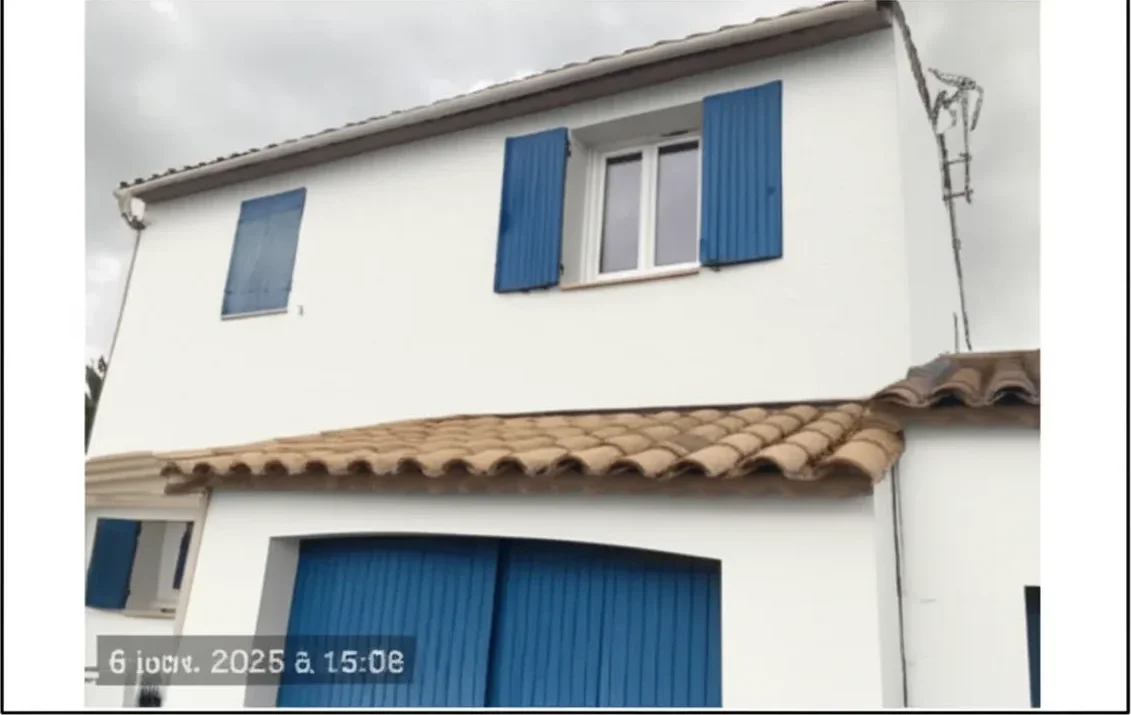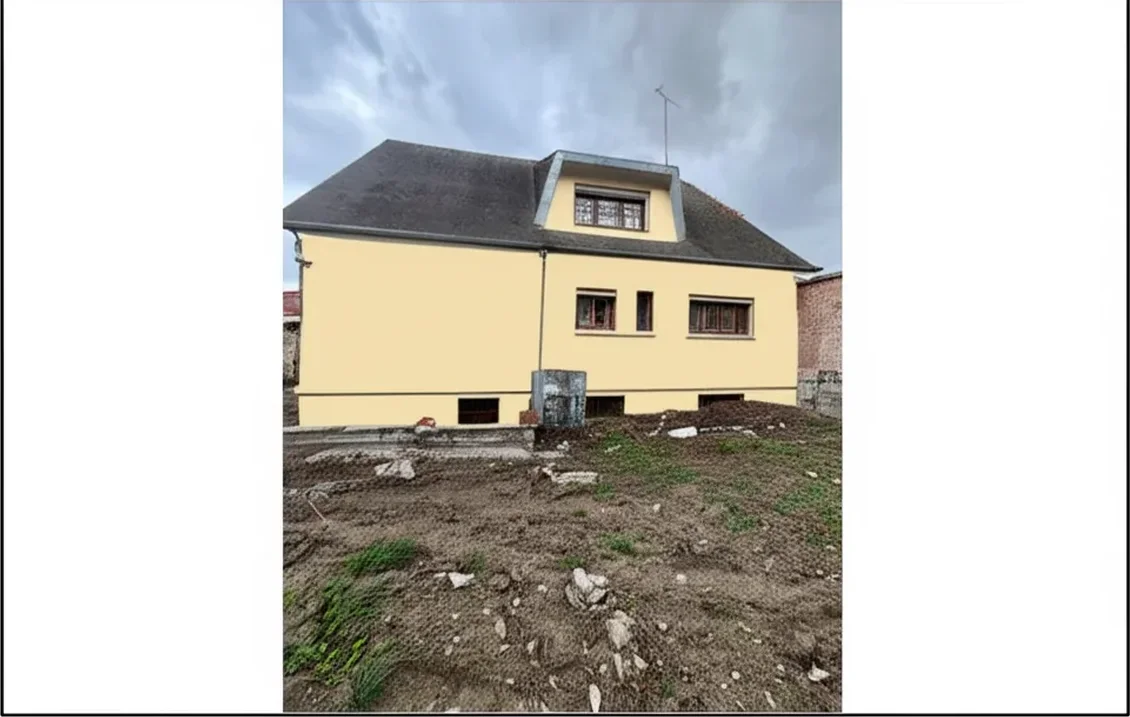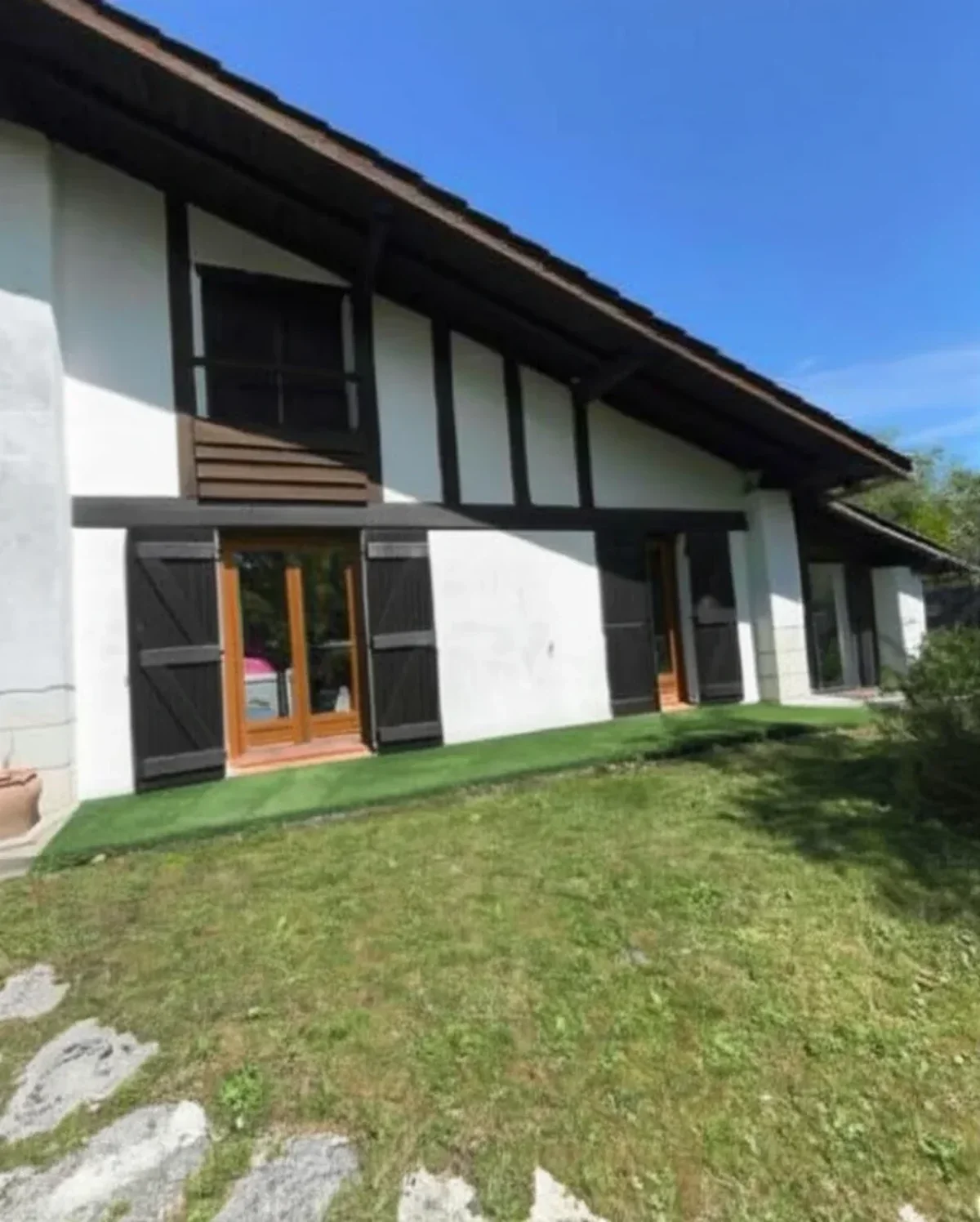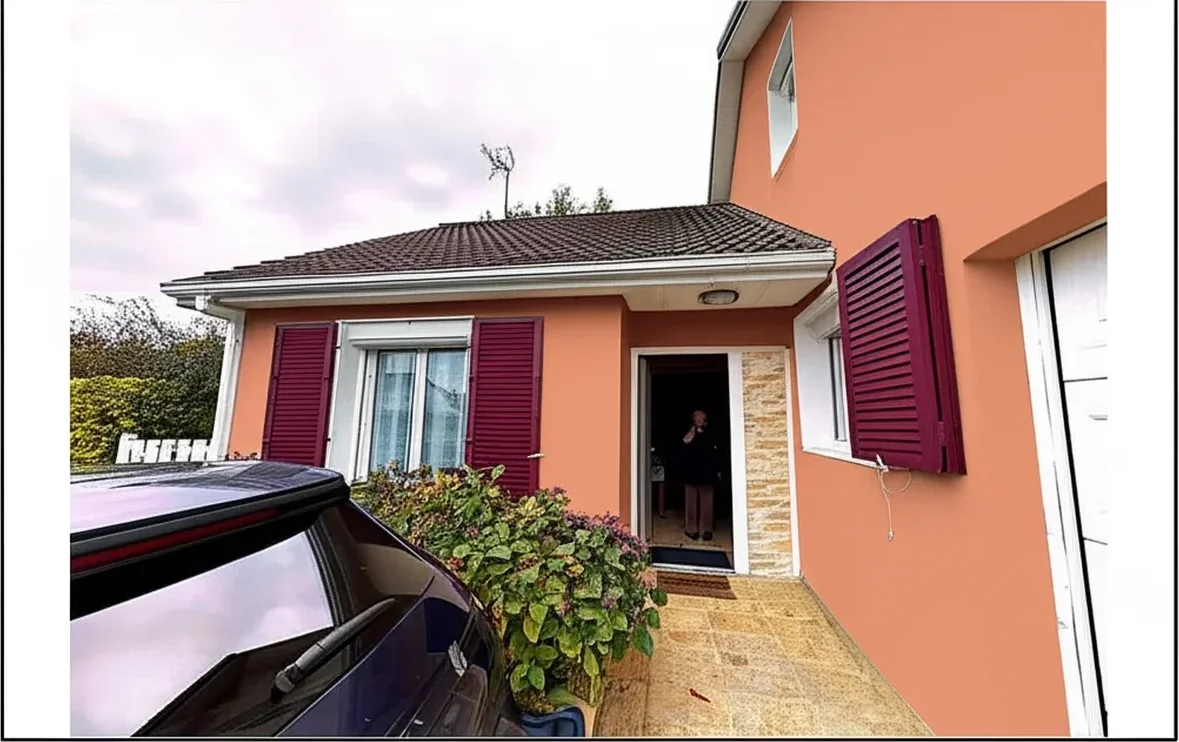
Try it on your house

The first weekend I tried to repaint my own facade, I taped eight swatches to the north wall and stared for three days. By Sunday I had learned the one thing every fan deck hides: a color that looks rich on a 2-inch chip can go chalky across a sun-blasted gable, and a "safe" gray can turn purple in afternoon shade. This is a gallery of exterior house paint inspiration built from that lesson: thirty real-home color ideas, grouped by mood, each with the trim pairing and the light gotcha that decides whether it works on your siding.
Use it as a starting board, not a rulebook. For the broader strategy of picking a palette for your whole lot, our guide to outside house color ideas is the parent hub this feeds into, and our exterior house color combinations breakdown covers the body-trim-accent math. Here we stay visual: good exterior house colors organized so you can shortlist three and test them.
Upload one photo and preview any of these exterior paint choices under your own light in about 30 seconds, free.
How to read this gallery (so the inspiration actually translates)
Three field rules save people from repainting twice. First, the body color reads two to three shades lighter outdoors than on a chip, because the sky throws huge reflected light at it, so pick a touch deeper than feels comfortable. Second, your fixed materials decide your undertone: roof, stone base, and any unpainted brick fight a wrong undertone hard, so match warm to warm. Third, light orientation beats the swatch. A north facade stays cool and shaded, so warm colors look muddy there, while a south facade bakes in sun that washes out pale tones.
Modern and moody: charcoal, black, and deep gray
This is where the most-saved exterior paint design ideas live right now. Dark bodies read architectural and hide grime between washes. The trade-off is real: a true black absorbs heat and shows every lap mark, so in a hot climate I push clients toward a charcoal or a very dark gray-green instead of dead black.
- 1. Charcoal siding + bright white trim + black windows. The modern farmhouse default for a reason. High contrast, photographs beautifully, works on board-and-batten.
- 2. Soft black body + warm wood door. A near-black like a warm off-black plus a natural-stained door keeps it from feeling like a haunted house.
- 3. Dark gray-green + black gutters. Reads black from the curb, green up close. The most forgiving "black" in shade because the green undertone keeps it alive.
- 4. Two-tone charcoal: dark body, slightly darker trim. Tone-on-tone, no white. Minimalist and very current on flat-roof moderns.
- 5. Iron-gray body + cedar accent wall. One section of natural cedar breaks up the mass and adds warmth.
A real opinion: glossy black trim on textured stucco does not work. The sheen catches every bump and the wall looks dimpled, so keep dark exteriors in a low-luster or satin sheen. If a true near-black is your goal, our Tricorn Black undertones guide explains why some blacks stay crisp and others go flat outdoors.
Free AI visualizer. Test dark exteriors on your real siding before you buy a gallon.
Warm and welcoming: greige, taupe, and warm white
If charcoal feels like a lot, this is the safe-but-not-boring lane. Warm neutrals flatter brick and stone, age gracefully, and pass almost any HOA. The risk is going too pale: a high-reflectance warm white blows out to plain white on a sunny south wall, losing the warmth you paid for.
- 6. Warm greige body + creamy white trim + bronze gutters. The transitional crowd-pleaser. Cohesive, soft, never trendy.
- 7. Mushroom taupe + black shutters + natural stone base. Taupe ties brown roofs and stone together; black shutters add the punch.
- 8. Warm white board-and-batten + stained wood porch ceiling. Classic farmhouse without the high-contrast trim.
- 9. Putty beige + olive front door. A muted olive door is the easiest way to add personality to a neutral house.
- 10. Greige body + crisp white trim + cedar shutters. Cedar accents warm the gray side of greige so it never reads cold.
- 11. Soft caramel-tan + dark bronze trim. Reads Tuscan and rich; pairs well with terracotta or clay roofs.
The pairing that quietly carries this whole category is bronze. A warm bronze on gutters, fixtures, and house numbers does more for a neutral facade than another shade of beige ever will. For a warm near-black accent that reads softer than true black, our Iron Ore undertone guide shows how a warm charcoal behaves next to warm bodies.
Classic and timeless: navy, slate blue, and crisp white
Navy is the dark color that scares no buyer. It reads coastal, colonial, and confident at once, and it is the one bold facade choice that consistently helps resale. Slate and steel blues are the lower-commitment cousins.
- 12. Deep navy body + soft white trim + natural wood door. The coastal classic. Add a brass kick plate and you are done.
- 13. Navy siding + black shutters + white trim. Tailored and traditional; the navy reads almost neutral against the black.
- 14. Slate blue-gray + white trim + gray roof. The cool, quiet alternative for a shaded or wooded lot.
- 15. Steel blue body + warm white trim + cedar porch posts. Cedar keeps the cool blue from feeling chilly.
- 16. All-white house + navy door + black lanterns. Flip it: white body, navy as the only accent. Crisp and cheap.
- 17. Dusty denim body + soft cream trim. A faded blue that looks lived-in and friendly on a cottage.
One caution on blue: a navy with a strong purple undertone can go lilac in flat northern light, so look at it in full shade before you buy, not just in sun. For the accent and door colors that flatter a navy facade, our navy house with a bold door breakdown maps the safe pairings.
See body, trim, and door together in one preview, free.
Earthy and natural: sage, olive, and clay
These are the cool exterior house colors for anyone who wants the home to settle into its landscape instead of standing out. Muted greens and warm clays read calm and current and hide pollen better than any white. Sage especially has gone from accent to full-body color over two years.
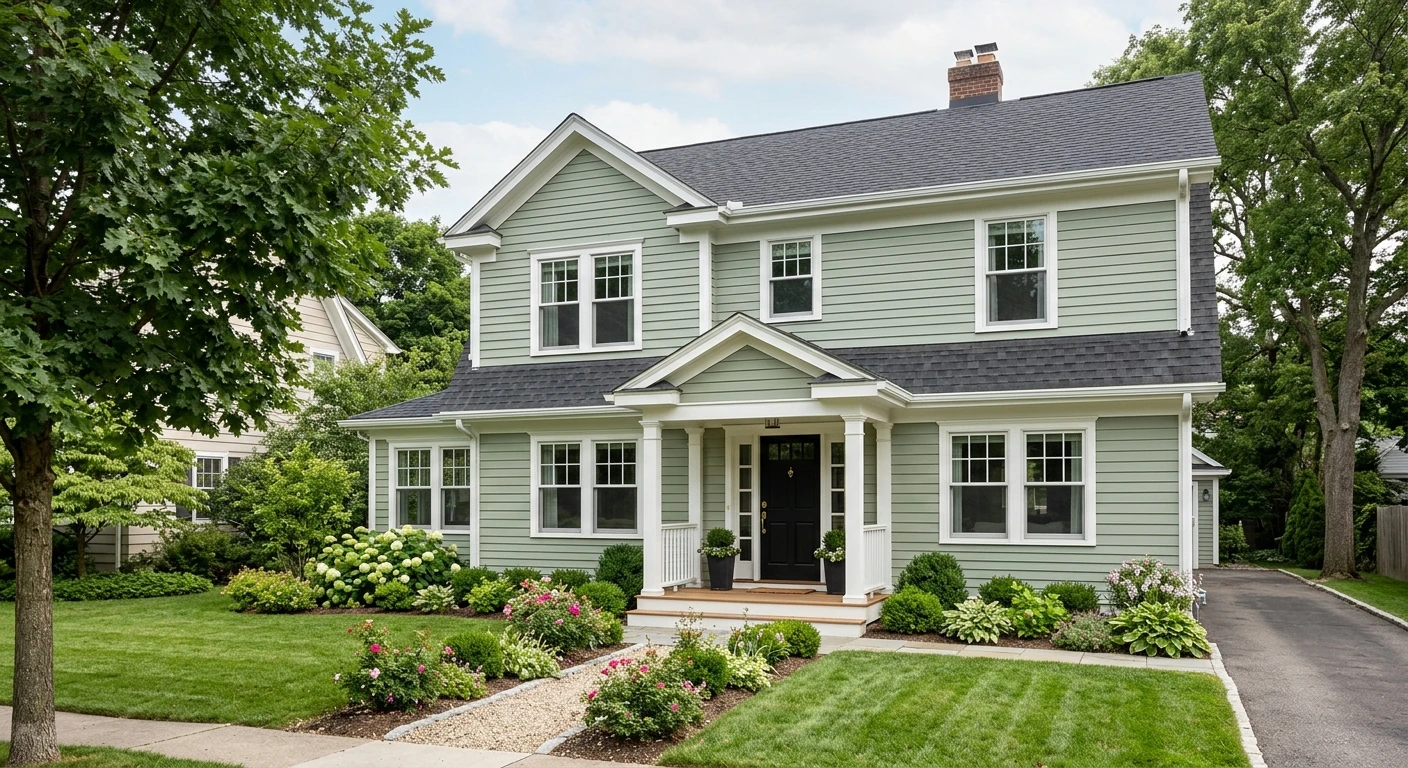
- 18. Muted sage body + creamy trim + black windows. The cottage favorite: soft, grounded, photographs warm.
- 19. Olive-drab siding + warm white trim + wood door. Deeper and moodier than sage; great under tree cover.
- 20. Sage + stone base + bronze gutters. Green and stone are natural partners; bronze ties them.
- 21. Clay-terracotta body + cream trim. Southwestern warmth; pairs with clay tile roofs.
- 22. Sage-gray body + black shutters + brick base. The green-gray bridges siding to existing red brick.
- 23. Deep forest green + white trim + copper accents. Lodge-style and rich for a lake home.
My honest take: a bright, saturated grass-green almost never works on a full facade. It reads cartoonish and dates fast. Stay muted, gray-leaning, or olive and the green looks intentional. Stone and unpainted brick are the warm anchors that pull it together.
Bright and crisp: white, off-white, and soft pastels
A white house is not the easy option people assume. The undertone is everything: the wrong white reads sterile, dingy, or pink depending on your roof and light. Done right, a warm white with contrasting trim and a bold door is timeless and brightens a small lot.
- 24. Warm white body + black trim + black door. The modern farmhouse in reverse: clean and graphic.
- 25. Creamy white + sage shutters + wood porch. Soft and cottagey, zero starkness.
- 26. Greige-white body + charcoal trim + bronze lanterns. Enough greige in the white to never glare.
- 27. Off-white + navy door + black window frames. The crispest budget facelift here.
- 28. Pale blush stucco + warm white trim. A barely-there pink, for Mediterranean and Spanish styles only.
- 29. Soft butter-yellow + white trim + black shutters. Cheerful colonial; keep the yellow muted.
- 30. Crisp white + cedar accent + black hardware. Minimal Scandi-modern; the cedar is the personality.
Whatever white you choose, sample it against your roof: a cool white under a brown roof reads instantly dirty. That single test prevents the most common white-house regret.
Quick reference: matching a scheme to your house
Use this table to shortlist by what you already own, narrowing thirty ideas to three worth sampling.
| Your fixed elements | Body color that flatters it | Trim and accent move |
|---|---|---|
| Red or orange brick base | Warm greige, sage-gray, navy | Creamy trim, black shutters |
| Gray or brown stone | Charcoal, taupe, olive | Bronze gutters, wood door |
| Brown or bronze roof | Warm white, caramel-tan, sage | Skip cool blue-whites for trim |
| Cool gray roof | Navy, slate blue, charcoal, white | Black windows, white trim |
| Wooded, low-light lot | Warm neutrals or sage (skip black) | Cedar accents to warm the shade |
| Open, sun-baked lot | Go deeper than the chip; charcoal, navy hold up | Low-luster sheen to cut glare |
Try it on your house
No photo? Try a sample
Sources: manufacturer exterior color data 2026; HGTV and Better Homes & Gardens curb-appeal coverage; designer field reports compiled by FacadeColorizer.
From inspiration board to painted house
A saved photo is not a plan. The gap between "I love that gray house online" and a finish you live with for ten years is the testing step, the one almost everyone skips. Two ways to close it:
- Sample big and sample late. Roll a 2-by-2-foot patch of each finalist on the real siding, including one section in full shade, and check it morning and evening before you order. A peel-and-stick sample works if you cannot paint directly. Judge trim against your roof, not the chip.
- Preview the whole facade digitally first. Apply any scheme above, body and trim together, to cut thirty ideas to three before you spend a dime on samples. Budgeting too? Our painting cost guide covers the math, and the best exterior paint colors of 2026 roundup ranks the specific shades.
Preview your three favorite schemes side by side on your facade, free.
Curb appeal before and after: real transformations
Nothing sells a paint scheme like a curb appeal before and after. The thirty ideas above are easier to commit to once you have seen what a single repaint does to a tired facade, because the gap between the dated "before" and the refreshed "after" is almost always paint, not new siding. A few patterns repeat in every good transformation: the body color goes a notch deeper and more saturated, the trim sharpens to a cleaner white or black, and the front door earns one confident accent color. Those three moves alone shift a house from forgettable to photographed.
The two transformations worth studying first are the ones that change the most for the least money. A red-brick home that reads orange and dated can be cooled and modernized with the right body and trim around it, and our brick house exterior makeover before and after walks through the exact color decisions that made the brick look intentional instead of aged. On the other end, a low-slung mid-century ranch usually needs contrast and a darker body to gain presence, and our 1960s ranch repaint before and after shows how a charcoal body with crisp trim updated a dated brick-and-siding mix without a remodel.
What the before-and-afters teach that a swatch never will: the "after" almost always uses a color that felt too bold on the chip. Homeowners reach for safe mid-greige, get a flat result, and wonder why the transformation feels thin. The dramatic reveals come from committing a shade deeper, pairing it with high-contrast trim, and resisting the urge to spread three colors thin. Before you pick, line up your own before-and-after digitally: preview a finalist scheme on your current house photo so you can see the reveal on your siding, your roof, and your light, not someone else's.
Frequently asked questions
What is the most popular exterior paint scheme right now?
Charcoal or deep gray siding with bright white trim and black windows, the modern farmhouse look, is the most-saved exterior paint design and the safest crowd-pleaser. Navy with white trim is a close second and tends to help resale. Warm greige with bronze accents is the lower-contrast option that flatters brick and stone, and muted sage has climbed fast as the natural choice.
How do I pick good exterior house colors that fit my home?
Start with what you cannot repaint: the roof, any stone or brick, and your light orientation. Match warm bodies to warm fixed materials and cool to cool, then choose a deeper shade than the chip suggests because facades read lighter outdoors. Narrow to three schemes, preview them on a photo of your house, and sample the finalists on real siding in both sun and shade before buying.
Are dark exterior colors a mistake in a hot climate?
Not a mistake, but a true dead black absorbs heat and shows lap marks and surface flaws, so in a hot, sunny region a charcoal or a very dark gray-green is the smarter call than pure black. Keep dark exteriors in a low-luster or satin sheen rather than gloss, especially on textured stucco, and use a quality exterior product rated for fade resistance.
What trim color works with the most body colors?
A soft, creamy white is the most flexible trim because it flatters warm and cool bodies alike without the harsh contrast a stark blue-white creates. Use crisp white or black for high-contrast modern looks, and bronze on gutters and fixtures to warm a neutral facade. The one rule: test the trim white against your real roof, since a cool white under a brown roof reads dirty.
How many colors should an exterior scheme use?
Three is the reliable formula: a body color, a trim color, and one accent for the door or shutters. Tone-on-tone looks (a dark body with slightly darker trim and no white) are very current on modern homes. More than three colors usually reads busy from the curb, so add interest with a natural material like cedar or stone rather than a fourth paint color.
What makes the biggest difference in a curb appeal before and after?
The body color and trim contrast do most of the work. The strongest before-and-afters go a shade deeper than the chip suggests, sharpen the trim to a clean white or black, and add one confident accent on the front door. New siding is rarely what changes; paint plus that three-part contrast is. To picture your own reveal, preview a finalist scheme on a photo of your house so you judge it on your real siding, roof, and light before buying.
Preview any scheme from this gallery on your facade under your own light before buying a sample.
Disclaimer: FacadeColorizer is an independent paint visualization service, not affiliated with, endorsed by, or sponsored by any paint manufacturer. The schemes here describe general looks, not specific products; on-screen renders approximate real pigment and finish. Sheen, substrate, and prep change the result, so always confirm a chosen color with a manufacturer sample on your own siding, in both sun and shade, before purchase. Sources: manufacturer exterior color data 2026, HGTV and Better Homes & Gardens curb-appeal coverage, designer field reports compiled by FacadeColorizer.