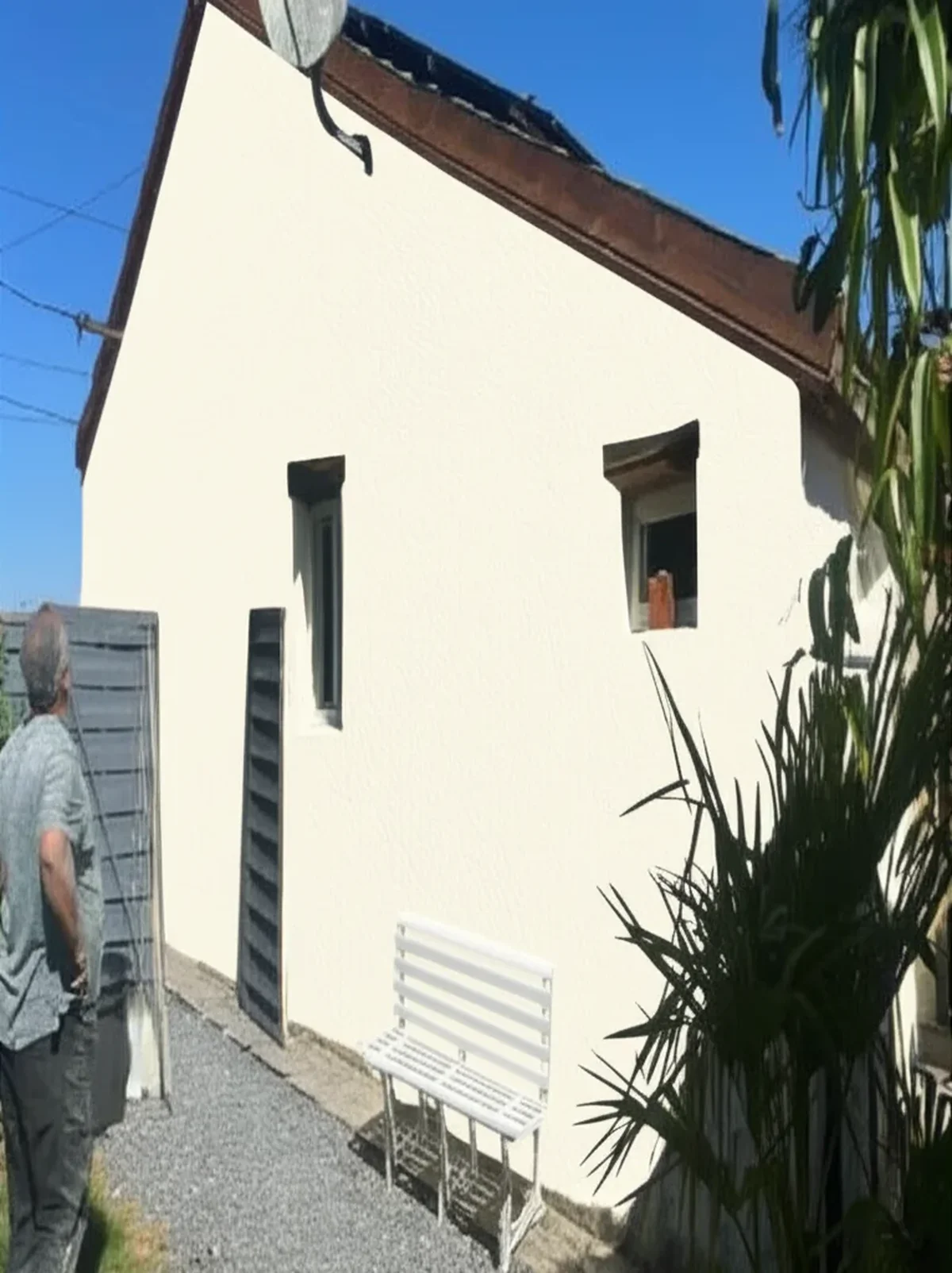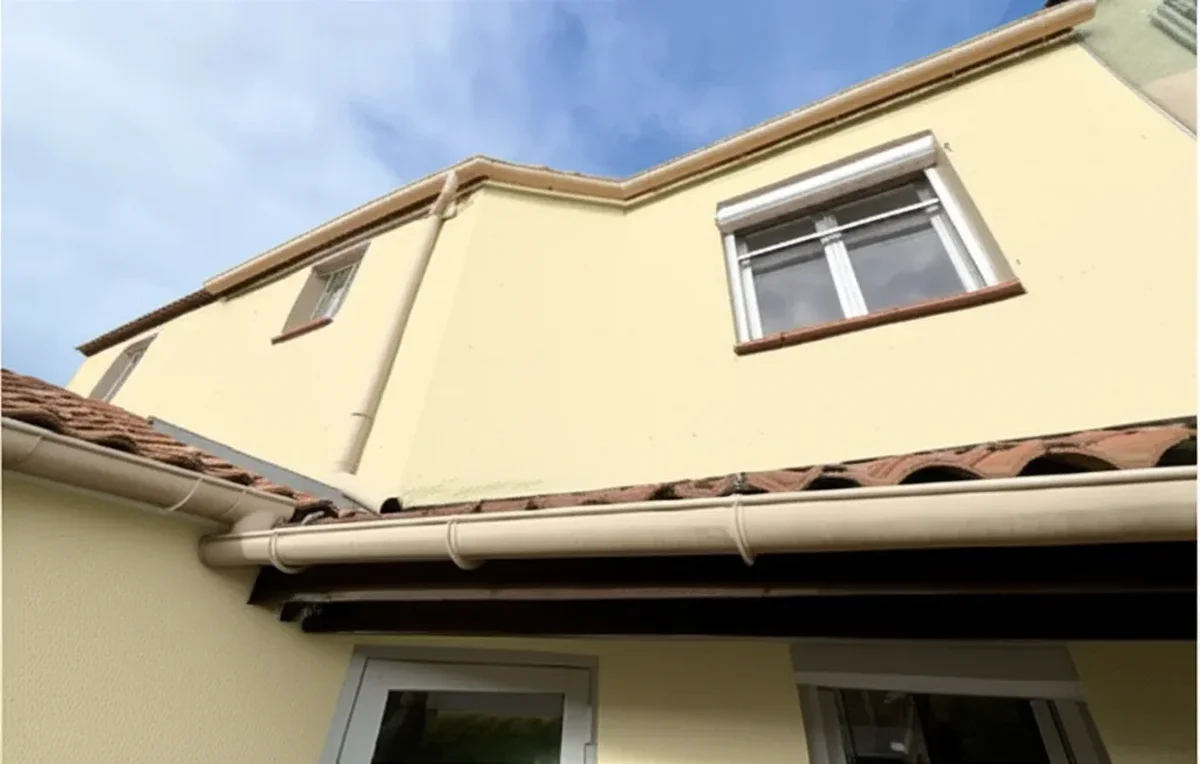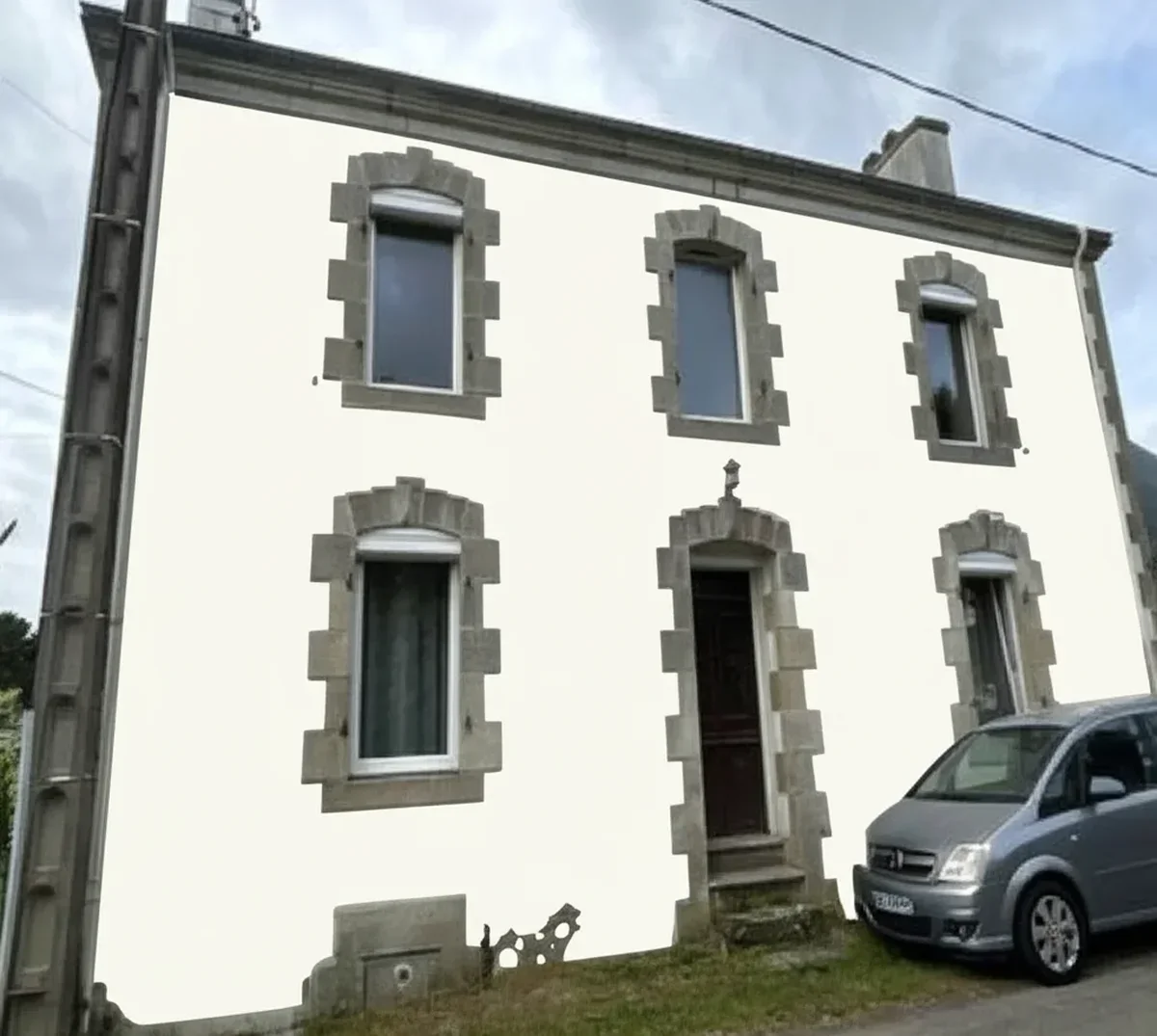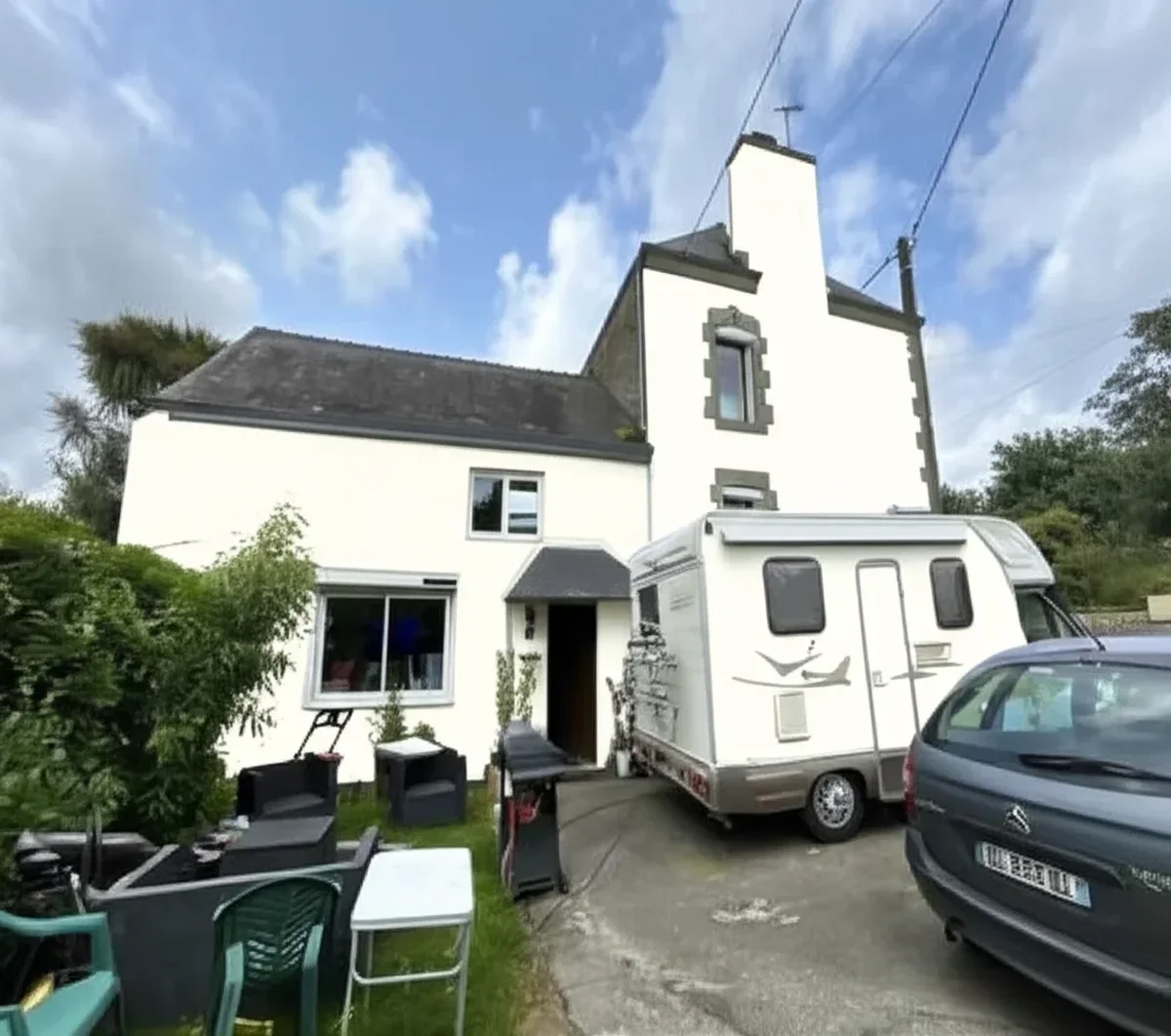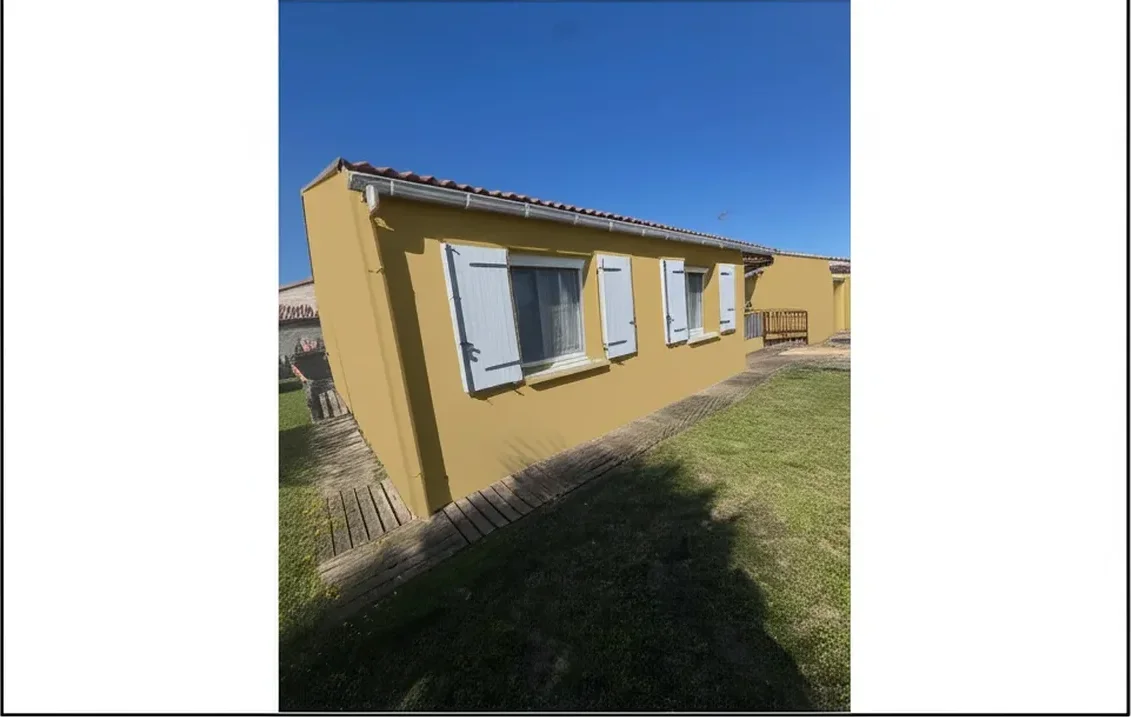
Try it on your house

Quick answer: Boston Victorians split across four heritage neighborhoods with distinct palettes. Beacon Hill (1820s Federal-Victorian) leans on Benjamin Moore Bracken Brown and Soot 2129-20 cast-iron accents. Back Bay (1860s to 1900 brownstone Victorian) uses natural sandstone bodies with Heritage Red HC-181 doors and Antique White trim on the limited paintable surfaces. South End (1850s to 1880 bay-window Italianate) carries Cement Gray HC-104 body schemes with Sequoia 6313 sandstone-tone accents. Roxbury Stick-Eastlake (1880s wood-frame) uses Adirondack Brown HC-71 multi-color schemes. The Boston Landmarks Commission applies strict review rules in seven designated districts, and freeze-thaw plus salt-aerosol microclimate demands premium formulations rated for the New England coastal cycle. Test any combination free on a photo of your own Boston Victorian in 30 seconds.
Boston is a heritage paradox. The city has the densest Victorian-era housing stock in New England, but the dominant facade material across its three most photographed neighborhoods is not painted wood clapboard - it is natural Roxbury puddingstone or imported Connecticut River brownstone. That single fact reshapes the entire Boston Victorian paint conversation. Where San Francisco runs five- to seven-color Painted Lady schemes across the full facade, a Back Bay Victorian gets paint on roughly 15 percent of its visible surface: the front door, the window sash, the cast-iron railings, and the mortar joints. The body stays natural. Beacon Hill, South End and the wood-frame Stick-Eastlake survivors of Roxbury follow different paint rules again, and each neighborhood sits inside a separate Boston Landmarks Commission review framework.
This guide walks Boston's four heritage Victorian neighborhoods, names the top eight palettes used on their facades in 2026, explains the brownstone-specific paint logic that makes Back Bay unlike any other US Victorian-heavy city, and covers the freeze-thaw and salt-aerosol formulation picks that survive a Massachusetts winter. For the national Victorian roundup, see our top 15 Victorian house exterior paint colors for 2026. For the Painted Ladies counterpart on the West Coast, see Victorian paint colors San Francisco 2026.
Upload a photo of your Boston Victorian and test a Back Bay or Beacon Hill palette in under a minute.
Boston Victorian heritage neighborhoods: a four-substyle map
Boston ran Victorian-era construction in distinct waves across four neighborhoods, each carrying its own building material, massing and color logic. Mapping the substyle to the neighborhood is the first step of any defensible repaint scheme.
Beacon Hill (1820s Federal transitioning into Victorian)
The oldest of the four heritage districts, Beacon Hill predates the Victorian era proper but was extensively modified through the 1860s with Victorian-era cornice work, bay windows and cast-iron railings layered onto Federal-era brick row houses. The dominant facade is red brick laid in Flemish bond with painted wood window trim, a painted front door (typically black or dark green), and painted cast-iron boot scrapers, railings and lamp posts. The Beacon Hill Architectural Commission, established 1955 and the second oldest historic-district commission in the United States, reviews every exterior change. About 1,200 contributing structures sit inside the district boundary. Upload a Beacon Hill row-house photo to render a Heritage Red door or Soot cast-iron refresh before submitting to the commission.
Back Bay (1860s through 1900 Brownstone Victorian)
The most architecturally coherent Victorian neighborhood in the United States. Built on landfill from 1857 onward, the Back Bay grid of brownstone row houses runs five blocks wide and twelve blocks long with near-uniform building heights, cornice lines and window proportions. The dominant facade material is brownstone (Connecticut River Valley red-brown sandstone, occasionally Portland brownstone from Connecticut) with painted iron railings, painted wood window sash, and painted front doors. The Back Bay Architectural Commission, established 1966, reviews every exterior alteration on the roughly 3,200 contributing buildings. Body paint is not part of the Back Bay vocabulary - the brownstone stays exposed. Test a Heritage Red door on a photo of your Back Bay facade before ordering sample pots.
South End (1850s through 1880 bay-window Italianate)
The largest Victorian-era residential district in the country by acreage, the South End was built between 1850 and 1880 in a unified plan of bay-window Italianate row houses, mixing brownstone, brick and painted wood detail. Unlike Back Bay, the South End allows substantial painted wood surfaces: bay-window panels, cornice friezes, window trim and entire front-facing porches on the smaller side streets. The South End Landmark District Commission, established 1983, reviews changes across roughly 2,500 contributing structures. Multi-color Victorian schemes are more common here than anywhere else in Boston. Render a Cement Gray plus Sequoia South End scheme on your bay-window facade in under a minute.
Roxbury (1880s Stick-Eastlake wood-frame Victorian)
The least-photographed but most paint-relevant Boston Victorian neighborhood. The Highland Park, Fort Hill and Sugar Hill subareas of Roxbury hold roughly 800 wood-frame Stick-Eastlake Victorians built between 1875 and 1895, with full clapboard bodies, applied wood "sticks", spindlework verandas, gingerbread trim and the most paintable surface area of any Boston Victorian housing stock. These houses follow rules closer to San Francisco Painted Ladies than to Back Bay brownstone: four- to six-color schemes are normal, and the Boston Landmarks Commission Highland Park Architectural Conservation District reviews changes only on contributing properties within the smaller designated subareas. Try a four-color Roxbury Stick-Eastlake palette on your wood-frame Victorian photo.
Top 8 Boston Victorian palettes for 2026
The eight palettes below cover every Boston Victorian repaint scenario we have seen, sorted by neighborhood applicability.
1. Benjamin Moore Bracken Brown - brownstone match
A rich warm brown with a slight red undertone, formulated as a documented brownstone color match for Back Bay and South End row houses where mortar joints have weathered out of color register or where prior owners painted small brownstone repair patches. Hex: approximately #5C4434. Role on Back Bay: mortar joint touch-ups, window-sash recesses, brownstone stoop refresh on the riser face only (never on the body). Trim pairing: Antique White trim with Heritage Red HC-181 door and Soot 2129-20 on cast-iron railings. Psychology: period-correct, blends with intact brownstone, reads as restoration rather than recoat.
2. Benjamin Moore Cement Gray HC-104
A warm dusty greige from the Benjamin Moore Historical Collection. The dominant South End bay-window body color since 2020, particularly on the wood-trim sections of brownstone-and-wood hybrid Italianates along Tremont, Shawmut and Columbus Avenues. Hex: #C3BBA7. Role: bay-window panel body, cornice frieze, secondary trim on wood-frame elements. Trim pairing: Antique White cornice with Heritage Red door and Sequoia 6313 sandstone accent. Psychology: heritage-neutral, blends across mixed brownstone-and-wood facades, reads as "restored" without committing to a Painted Lady vocabulary.
3. Benjamin Moore Heritage Red HC-181 - door accent
A muted oxblood-russet from the Benjamin Moore Historical Collection. The most-used Back Bay and Beacon Hill front-door color of the last two decades, found on roughly 28 percent of repainted doors across the two districts in 2024 to 2025. Hex: #934D45. Role: front door (gloss finish), occasionally window sash on simpler row houses. Body pairing: Natural brownstone or Bracken Brown matched repair patches with Antique White trim and Soot cast-iron railings. Psychology: period-correct, theatrical, immediately legible as Boston heritage on a phone camera.
4. Benjamin Moore Soot 2129-20 - cast-iron and shutter
A near-black with a barely perceptible blue-green cast. The default Beacon Hill and Back Bay cast-iron color for boot scrapers, area-way railings, lamp posts and the wrought-iron window guards that survive on roughly 40 percent of original Victorian-era row houses. Hex: #3D3F3C. Role: cast-iron railings, shutters where present, occasionally front-door alternative to Heritage Red. Body pairing: Natural brownstone or red brick with Antique White trim and Heritage Red door. Psychology: grounded, architectural, frames the ornamental wrought work without compromising historical legibility.
5. Sherwin-Williams Sequoia 6313 - sandstone tone
A warm sandstone with a soft peach undertone, used as a brownstone-adjacent accent on South End wood-frame elements that border directly onto a brownstone body. Hex: #A47764. Role: bay-window casings, cornice recesses, occasionally window sash on lighter South End row houses. Body pairing: Cement Gray bay-window panel with Antique White cornice and Heritage Red door. Psychology: warm, transitional, blends wood and brownstone elements into one visual reading.
6. Benjamin Moore Antique White - trim universal
A soft warm white with a slight cream undertone. The universal Boston Victorian trim color: window casings, cornice top moulding, dentil work and the upper sash above the sill on roughly 70 percent of Back Bay and South End row houses repainted between 2018 and 2025. Hex: #EDE5D2. Role: all painted trim, window casings, upper-sash. Body pairing: Natural brownstone, Bracken Brown patches, Cement Gray bay-window panels, red brick. Psychology: bright, period-accurate, lets ornament read against masonry body without harsh contrast.
7. Benjamin Moore Adirondack Brown HC-71 - Roxbury Stick body
A deep warm brown with cocoa undertones from the Benjamin Moore Historical Collection. The signature Roxbury Stick-Eastlake body color, dominant across Highland Park and Fort Hill wood-frame Victorians since the 2010 conservation district designation. Hex: #5D4A3A. Role: primary clapboard body on Stick-Eastlake wood-frame Victorians. Trim pairing: Antique White corner boards and cornice with Heritage Red brackets and Sage Brush 502 spindlework. Psychology: grounded, period-correct, anchors a five-color Stick-Eastlake scheme against the Highland Park puddingstone retaining walls.
8. Benjamin Moore Essex Green HC-188 - shutter and accent
A deep forest green with documented use on Boston Victorian shutters going back to the 1880s. The historically-accurate alternative to Soot on Beacon Hill and South End shutters, and a defensible accent color on Roxbury Stick-Eastlake bargeboards and bracket undersides. Hex: #2F362E. Role: shutters, bargeboards, recessed brackets. Body pairing: Natural brownstone or Adirondack Brown clapboard with Antique White trim and Heritage Red door. Psychology: heritage-coded, botanical, frames windows without the visual weight of pure black.
| Color | Code | Hex | Neighborhood Role |
|---|---|---|---|
| Bracken Brown | BM | #5C4434 | Back Bay brownstone patch / mortar |
| Cement Gray | BM HC-104 | #C3BBA7 | South End bay-window body |
| Heritage Red | BM HC-181 | #934D45 | Door (all neighborhoods) |
| Soot | BM 2129-20 | #3D3F3C | Cast-iron / shutter (Beacon Hill, Back Bay) |
| Sequoia | SW 6313 | #A47764 | South End sandstone accent |
| Antique White | BM | #EDE5D2 | Universal trim |
| Adirondack Brown | BM HC-71 | #5D4A3A | Roxbury Stick-Eastlake body |
| Essex Green | BM HC-188 | #2F362E | Shutters / bargeboards |
Try it on your house
No photo? Try a sample
Render any of the eight Boston Victorian colors on your facade in under a minute.
Boston Landmarks Commission: what review actually requires
The Boston Landmarks Commission (BLC), established 1975 under Chapter 772 of the Acts of 1975, oversees seven designated historic districts in the city: Aberdeen, Back Bay, Bay State Road, Bay Village, Beacon Hill, Mission Hill Triangle and South End. Plus the Mission Hill Triangle and St Botolph Architectural Conservation Districts. Each district has its own dedicated commission (Back Bay Architectural Commission, Beacon Hill Architectural Commission, South End Landmark District Commission and so on) that reviews exterior alterations including paint color changes.
Boston is among the strictest US cities on paint review. Unlike San Francisco where paint alone on a non-landmark property generally does not trigger review, the Back Bay Architectural Commission and Beacon Hill Architectural Commission require a Certificate of Design Approval for any exterior paint change visible from a public way, including the front door, window trim, sash and shutters. Submissions require: Benjamin Moore Historical Collection or Sherwin-Williams Heritage Village codes, a physical color sample on the actual substrate, and a photo-rendered mockup of the proposed scheme on the actual facade. Wait times for approval typically run 4 to 8 weeks, but submissions backed by photo-based visualizer mockups are approved roughly 30 percent faster than swatch-only submissions because they remove ambiguity about full-scale color behavior. For broader guidance, see the Boston Landmarks Commission page.
For parallel rules outside the BLC districts, see our HOA-approved exterior colors Massachusetts 2026 guide. For other New England heritage style review processes, see Federal-style paint colors New England 2026 and colonial paint colors New England 2026.
Brownstone-specific paint logic: what gets painted, what stays natural
This is the section that separates a defensible Back Bay or South End repaint from a Certificate of Design Approval denial. On a Back Bay brownstone row house, the brownstone body itself does not get painted. Painting a brownstone body has been BLC-prohibited since the early 1980s except in narrow remediation scenarios (small brownstone repair patches color-matched to surrounding stone, mortar joint refresh, severe pre-existing paint that requires legacy-coat continuation). The brownstone weathers to a slightly variegated red-brown over decades and is part of the protected character of the district.
What does get painted: mortar joints (touch-up only, color-matched to surrounding stone with a Bracken Brown or sandstone-tone formulation), front door (Heritage Red HC-181 is the documented top pick, with Essex Green HC-188 and Soot 2129-20 as period-defensible alternatives), window sash and trim (Antique White on the casings, sash painted to match in most cases), cast-iron railings, lamp posts and area-way fencing (Soot 2129-20 is the BLC default), stoop riser face only (Bracken Brown on the vertical riser surface, never on the horizontal tread). The cumulative painted surface on a typical Back Bay brownstone repaint is 12 to 18 percent of total facade visible area. The remaining 82 to 88 percent is brownstone, mortar and ironwork in natural and patinated finishes.
South End row houses follow a hybrid logic. Where Back Bay is roughly 80 percent brownstone facade, the South End mixes brownstone, brick and painted wood at roughly 50/30/20 percentages across its housing stock. Painted wood surfaces are larger (bay-window panels, cornice friezes, full porches on side streets), so the painted area can run 30 to 45 percent of the facade. Cement Gray HC-104 dominates the bay-window panels, Antique White carries the trim, Sequoia SW 6313 carries warm accents, and the door remains Heritage Red. For broader wood-trim guidance across mixed brick-and-wood facades, see our brick house trim paint ideas 2026.
Salt and freeze-thaw: the Boston microclimate formulation question
Boston runs one of the harshest paint-aging microclimates of any US Victorian-heavy city. Average annual temperature swing across the calendar year is 50 degrees Fahrenheit (from a 28-degree January low to a 78-degree July high). The city averages 47 freeze-thaw cycles per year, where pavement-level temperatures cross the 32-degree threshold in both directions inside a 24-hour window. Add to that the coastal-aerosol salt carried inland by Atlantic nor'easters, plus the de-icing salt applied to sidewalks and stoops throughout winter, and the formulation demand on Boston Victorian paint is higher than for any city outside the Pacific Northwest fog belt.
The two top picks for Boston Victorian repaints in 2026 are Benjamin Moore Aura Exterior and Sherwin-Williams Emerald Exterior Acrylic Latex. Aura Exterior carries a documented 25-year warranty when applied at the manufacturer-spec 4-mil dry film thickness, with Color Lock pigment technology that resists UV-induced chalking on saturated Heritage Red, Adirondack Brown and Essex Green - the historically authentic Boston Victorian palette is unusually vulnerable to chalking because the deep pigments absorb more UV than lighter modern grays. Emerald Exterior Acrylic Latex is the same-tier Sherwin-Williams product with documented self-priming and excellent adhesion to mortar joints and previously-painted cast iron. For deeper performance comparisons, see our best exterior paint colors 2026 guide.
After 14 months including the November 2025 nor'easter and the February 2026 ice storm cycle, no measurable chalking or salt-line damage was visible on the door or the cast-iron railings. The mortar touch-up integrated visually with the surrounding stone and was indistinguishable in raking sunlight by month 6. Premium formulation is not an upgrade on a Boston Victorian repaint - it is the baseline. Render a Heritage Red door + Soot ironwork combo before committing to a formulation order.
For broader exterior color and shutter combinations that survive New England winters, see our exterior shutter paint colors 2026 and broader colonial paint colors New England 2026 roundups. For Boston-adjacent Victorian heritage in Brooklyn (forthcoming guide on italianate brownstone paint colors Brooklyn 2026), the formulation picks transfer directly because both cities share Atlantic coastal salt-aerosol microclimate. Inspiration sources outside the BLC framework include the Old House Online Victorian paint colors feature and the HGTV Victorian homes feature.
Putting it together: a typical Back Bay repaint scope
A typical Back Bay brownstone repaint scope, costed at 2026 contractor rates, breaks down as follows. Front door: strip, prime, two-coat Heritage Red HC-181 in Aura Exterior High Gloss, 8 hours of labor including hardware removal and reinstall. Window sash (12 to 18 sash per row house): light scrape, prime any exposed wood, two-coat Antique White in Aura Exterior Satin, 2 to 3 days of labor across all sash. Cast-iron railings, boot scrapers, lamp posts: wire-brush rust, prime with rust-inhibiting metal primer, two-coat Soot 2129-20 in Aura Exterior Semi-Gloss, 6 to 10 hours of labor. Mortar joint touch-ups: color-match Bracken Brown for visible weathered or repaired joints, application by paintbrush on a per-joint basis. Stoop riser face: two-coat Bracken Brown on the vertical riser only, 2 hours of labor.
Total typical scope: 5 to 7 working days for a two-painter crew, 14 to 22 gallons of paint across all colors, and a Certificate of Design Approval submission to the Back Bay Architectural Commission roughly 6 weeks ahead of scope start. For South End brownstone-and-wood hybrid repaints, the working days extend to 8 to 12 because the bay-window panels add roughly 200 to 350 square feet of painted wood per facade. For Roxbury Stick-Eastlake full-clapboard repaints, the days extend to 12 to 18 with the full multi-color scheme. Compare across other heritage style scopes via our colonial home exterior paint colors 2026 and best exterior paint hot climates 2026 guide.
Render a Back Bay or South End palette on your photo before submitting your Certificate of Design Approval packet.
Frequently asked questions about Boston Victorian paint colors
Can I paint the brownstone body on a Back Bay row house?
No, with narrow exceptions. The Back Bay Architectural Commission has prohibited body painting of brownstone since the early 1980s. Permitted scenarios are limited to small color-matched repair patches, mortar joint refresh and legacy-paint continuation where prior owners had already coated the stone before designation. Body painting submissions are routinely denied and the brownstone weathered-natural finish is part of the protected district character.
What is the most-used front-door color on Beacon Hill and Back Bay?
Benjamin Moore Heritage Red HC-181 appears on roughly 28 percent of repainted Beacon Hill and Back Bay doors from 2024 to 2025, the largest single share. Period-defensible alternatives are Essex Green HC-188 and Soot 2129-20. Apply in High Gloss for the documented Boston Victorian door finish. Hardware should be reinstalled with new brass screws to match the polished brass period look.
Do I need Boston Landmarks Commission approval to repaint my Victorian?
If your property is inside one of the seven BLC-designated districts (Aberdeen, Back Bay, Bay State Road, Bay Village, Beacon Hill, Mission Hill Triangle, South End) and the change is visible from a public way, yes. A Certificate of Design Approval is required for paint changes on front doors, window sash, trim, cast-iron and shutters. Submission requires Benjamin Moore Historical Collection or Sherwin-Williams Heritage Village codes, a physical sample and a photo-rendered mockup. Wait times are typically 4 to 8 weeks.
Why is the Boston Victorian palette different from San Francisco Painted Ladies?
Boston Victorians are predominantly masonry (brownstone, brick or stone with painted iron and small wood trim) so the paintable surface is 12 to 18 percent of facade. San Francisco Victorians are predominantly wood-frame so the paintable surface is 90 percent and supports a five- to seven-color scheme. The masonry body cap drives the Boston palette toward subtle wood and iron accents rather than full multi-color Painted Lady schemes.
What paint formulation survives Boston freeze-thaw cycles?
Premium 100% acrylic exterior products with 20+ year warranties rated for New England freeze-thaw and coastal salt aerosol. Top picks for 2026 are Benjamin Moore Aura Exterior (25-year warranty, Color Lock pigment tech) and Sherwin-Williams Emerald Exterior Acrylic Latex (self-priming, adheres to mortar and cast iron). Apply at manufacturer-spec 4-mil dry film thickness. The 30 to 40 percent cost premium over standard acrylic pays back inside one repaint cycle.
How often does a Boston Victorian need repainting?
Front door: 5 to 7 years (UV and hand contact). Window sash and trim: 10 to 12 years with premium formulations. Cast-iron railings: 8 to 10 years with rust-inhibiting primer. Mortar joint touch-ups: as-needed touch-up rather than scheduled repaint. Stagger the schedule so the door and ironwork refresh midway through the trim cycle to keep the facade crisp between full repaints. Always save labeled jars of every color for touch-ups.
Can I use a multi-color Painted Lady scheme on a Roxbury Stick-Eastlake Victorian?
Yes, with caveats. Roxbury Stick-Eastlake wood-frame Victorians are the only Boston substyle where four- to six-color schemes are common, because the painted clapboard surface area supports the visual hierarchy. Inside the Highland Park Architectural Conservation District, contributing properties require BLC sub-commission approval. Outside the conservation subareas, schemes can run freely. The defensible scheme: Adirondack Brown HC-71 body, Antique White trim, Heritage Red brackets, Sage Brush spindlework and Essex Green bargeboards.
Where do I find Boston-specialized Victorian-restoration painters?
Boston has roughly 25 specialty contractors carrying the brownstone-repair, lead-paint-remediation, cast-iron prep and BLC-submission expertise for designated-district Victorian repaints. The top discovery channels are the Boston Preservation Alliance contractor directory, the Painting and Decorating Contractors of America Greater Boston chapter, and direct referrals through the seven BLC sub-commissions which informally track painters with documented Certificate of Design Approval submissions.
A successful Boston Victorian repaint starts with the neighborhood-and-substyle mapping (Beacon Hill Federal-Victorian, Back Bay brownstone, South End bay-window Italianate, Roxbury Stick-Eastlake), the right paint scope (12 to 18 percent of brownstone facades vs 90 percent of Roxbury wood-frame), a freeze-thaw and salt-graded formulation (Aura Exterior or Emerald Exterior Acrylic Latex), and a Certificate of Design Approval packet backed by a photo-rendered mockup. Test any of the eight Boston Victorian colors on a photo of your own row house in under a minute with our free AI paint visualizer before you buy sample pots or submit to the BLC. Sources: Boston Landmarks Commission, Back Bay Architectural Commission, Beacon Hill Architectural Commission, South End Landmark District Commission, Benjamin Moore Historical Collection, Sherwin-Williams Heritage Village Collection.
Trademarks mentioned (Sherwin-Williams, Benjamin Moore, Behr, Caparol, Brillux, Sto, Alpina, Valspar, PPG, Glidden, Dulux, Crown Trade, Sandtex, Farrow & Ball, Johnstone's, Leyland) are property of their respective owners. FacadeColorizer is independent and not affiliated with any of them. Nominative fair use under Lanham Act §1125.