
If your home was built before 1978, the paint on your walls, trim and siding is almost certainly hiding lead. The US Environmental Protection Agency estimates that roughly 36 million housing units across the country still contain lead-based paint, and the federal Renovation, Repair and Painting (RRP) rule (40 CFR Part 745, Subpart E) makes it a federal offense to disturb that paint without certification or strict containment. Civil penalties run up to $40,000 per violation per day.
This guide walks owners and bidders through the 2026 EPA RRP compliance checklist for any pre-1978 home repaint: the federal certification rule for contractors, the surface-area thresholds that trigger RRP (6 sqft interior, 20 sqft exterior), the narrow DIY exemption for owner-occupants, the penalty schedule, and how state-specific add-ons in Connecticut, Massachusetts, Minnesota, Maine and New Jersey stack on top of the federal floor. We close with the smart pre-RRP step nobody talks about: locking your final color on a photorealistic AI render before a Lead-Safe Certified Firm shows up to bid - because once lead-safe containment is in place, repainting because you changed your mind doubles the job cost. Sources: EPA.gov, 40 CFR 745, HUD, state DPH and DEEP databases.
Free AI render - lock the color before the lead-safe quote arrives
1. The 36 million pre-1978 home problem
The US banned lead in residential paint in 1978 (Consumer Product Safety Commission, 16 CFR Part 1303). Anything painted before that date is presumed by federal law to contain lead-based paint, defined as paint with 1.0 mg/cm² or more of lead, or 0.5% by weight. According to EPA estimates published with the 2008 RRP rulemaking and reaffirmed in the 2023 EPA Lead Strategy update, roughly 36 million US housing units still contain lead-based paint somewhere on the property, and about 24 million contain significant deteriorated lead hazards (peeling, chipping, friction surfaces).
The Centers for Disease Control set the blood lead reference value (BLRV) at 3.5 µg/dL in 2021. There is no safe level - lead exposure in children causes irreversible cognitive impairment, lower IQ, attention disorders and developmental delays. The single largest source of childhood lead exposure in the US remains renovation dust from pre-1978 homes. That is why EPA wrote the RRP rule: not to stop repainting, but to keep the dust contained while it happens.
2. EPA RRP rule (40 CFR Part 745): contractor certification & lead-safe practices
The Renovation, Repair and Painting Program took effect April 22, 2010. Under 40 CFR 745 Subpart E, anyone who is paid to disturb paint in a pre-1978 home or child-occupied facility must follow three rules:
- Firm certification - the company must hold a current EPA Lead-Safe Certified Firm certificate (5-year term, $300 application fee, renewed via EPA's Federal Lead-Based Paint Program). In 14 authorized states (including Massachusetts, Wisconsin, Rhode Island, North Carolina, Oregon, Utah and others), the state runs its own equivalent program in lieu of EPA.
- Certified Renovator on every job - at least one worker on site must hold an EPA Certified Renovator credential (8-hour initial training, $200-$300, renewed every 5 years with a 4-hour refresher). The renovator trains other workers in lead-safe work practices on the job.
- Lead-safe work practices - the firm must contain the work area with 6-mil plastic sheeting (10 feet around the work area for exteriors, full floor-to-ceiling for interiors), prohibit high-dust activities (open-flame burning, dry sanding/grinding without HEPA, sanding/grinding without HEPA shroud, machine planing, paint stripper used in poorly ventilated space), HEPA-vacuum all surfaces during cleanup, perform a visual inspection and dust-wipe verification (or cleaning verification card check) and give the client an EPA "Renovate Right" pamphlet before work begins.
RRP also requires recordkeeping for 3 years: signed pamphlet receipt, firm certification, renovator certificate, training documentation for non-certified workers, and a post-work cleaning verification report. If the EPA or a state agency audits the file and a document is missing, that is a separate violation with its own penalty stack.
3. Threshold: 6 sqft interior / 20 sqft exterior
RRP does not apply to every minor touch-up. Federal law gives a "minor repair and maintenance" carve-out for small surface areas:
- Interior: work disturbing less than 6 square feet of painted surface per room.
- Exterior: work disturbing less than 20 square feet of painted surface on the building exterior.
- Component replacement: jobs involving window replacement, demolition of painted surfaces, or any prohibited practice (open flame, machine sanding without HEPA, paint stripping with methylene chloride) never qualify as minor regardless of surface area.
A full-room interior repaint clears the 6 sqft threshold almost instantly - one wall of an 8 x 10 bedroom is 80 sqft. A whole-house exterior repaint clears the 20 sqft exterior threshold on the first siding panel. In practice, every full-coverage repaint of a pre-1978 home is RRP work and must use a Lead-Safe Certified Firm.
The threshold matters for surgical touch-ups: filling a small drywall hole, repainting a single window mullion, dabbing a doorframe scuff. Those legitimately stay outside RRP. The threshold is not a loophole for full repaints.
4. DIY exemption: owner-occupants OK, NOT if rented / daycare / flip
The RRP rule applies to renovation activities performed for compensation. That single phrase carves out the legitimate DIY homeowner - and only the legitimate DIY homeowner.
You ARE exempt from RRP if you are the owner, live in the home as your primary residence, no child under 6 lives in the home, and no woman is pregnant in the home. You can repaint your own walls with no certification. EPA still strongly recommends lead-safe practices for personal safety - this is an exemption from the federal compliance burden, not a determination that the dust is harmless.
You are NOT exempt and MUST hire a Lead-Safe Certified Firm if any of the following applies:
- The home is rented - a landlord performing or paying for the work in a tenant-occupied or about-to-be-tenanted unit is a "renovator for compensation" under the rule. EPA cases against landlord-DIYers run several dozen per year.
- A child under 6 or a pregnant woman lives in the home - even owner-occupied. This is the most commonly missed trigger. Grandparent with toddlers visiting? Visits don't count. Daughter and her newborn move back in temporarily? Now you're triggered.
- The home doubles as a "child-occupied facility" - any pre-1978 building where children under 6 spend 3+ hours/day, 6+ hours/week, 60+ hours/year. Home daycares, in-home preschools, after-school programs, even a regular nanny-share arrangement strip the exemption.
- You are flipping the property - if you own the home but do not live there and intend to sell, the IRS-style "trade or business" test applies. EPA has prosecuted flippers under RRP and the federal Lead Disclosure Rule (24 CFR Part 35 Subpart A).
- You hire any paid help - even a single uncertified day laborer disturbing paint on a pre-1978 home is an RRP violation for which the homeowner can be held jointly liable.
5. Civil penalties up to $40,000 per violation per day
EPA enforces RRP under the Toxic Substances Control Act (TSCA). The 2026 inflation-adjusted civil penalty caps published in the Federal Register are:
- Up to $40,000 per day, per violation for failure to certify, failure to follow lead-safe practices, failure to deliver the "Renovate Right" pamphlet, or false recordkeeping.
- Up to $250,000 / 1 year imprisonment for knowing or willful violations of TSCA reporting and recordkeeping requirements (15 U.S.C. § 2615(b)).
- Treble damages available to tenants and buyers under the federal Lead Disclosure Rule (42 U.S.C. § 4852d) for failure to disclose known lead-based paint before sale or rental of a pre-1978 home.
EPA published more than 60 RRP enforcement actions in 2024 alone. Settlements typically land between $5,000 and $80,000 for first-time violations and routinely climb above $200,000 for repeat or willful conduct. Class-action suits by tenants compound the federal penalty stack. The financial argument for compliance is one-sided: a $300 firm certification plus a $300 renovator class is the cheapest insurance policy in the painting trade.
Decide the color on a photorealistic mock-up - before the containment plastic goes up
6. Pre-RRP workflow: choose colors with AI before hiring a certified contractor
RRP turns a repaint into a containment operation. Once the Lead-Safe Certified Firm seals the work area with 6-mil plastic, sets up the HEPA vacuum, posts warning signs and starts the dust-wipe protocol, changing your mind about the color doubles the job cost: full re-prep, fresh containment, second cleaning-verification cycle, second pamphlet delivery, more billable certified-renovator hours. We see this in the field constantly - the client thought "Repose Gray" was right until the first wall went up, and now they want "Mindful Gray" instead. In a non-RRP home that costs a gallon and two hours. In a pre-1978 RRP job that can cost $1,500-$3,500 extra.
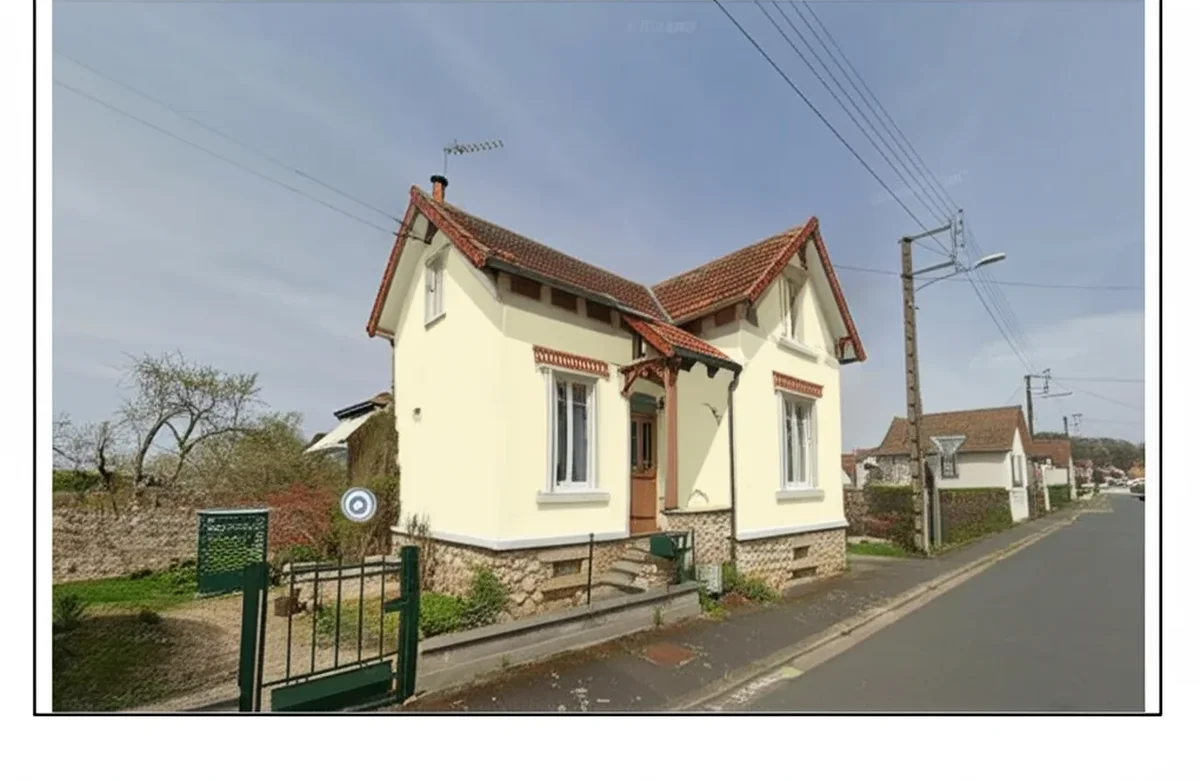
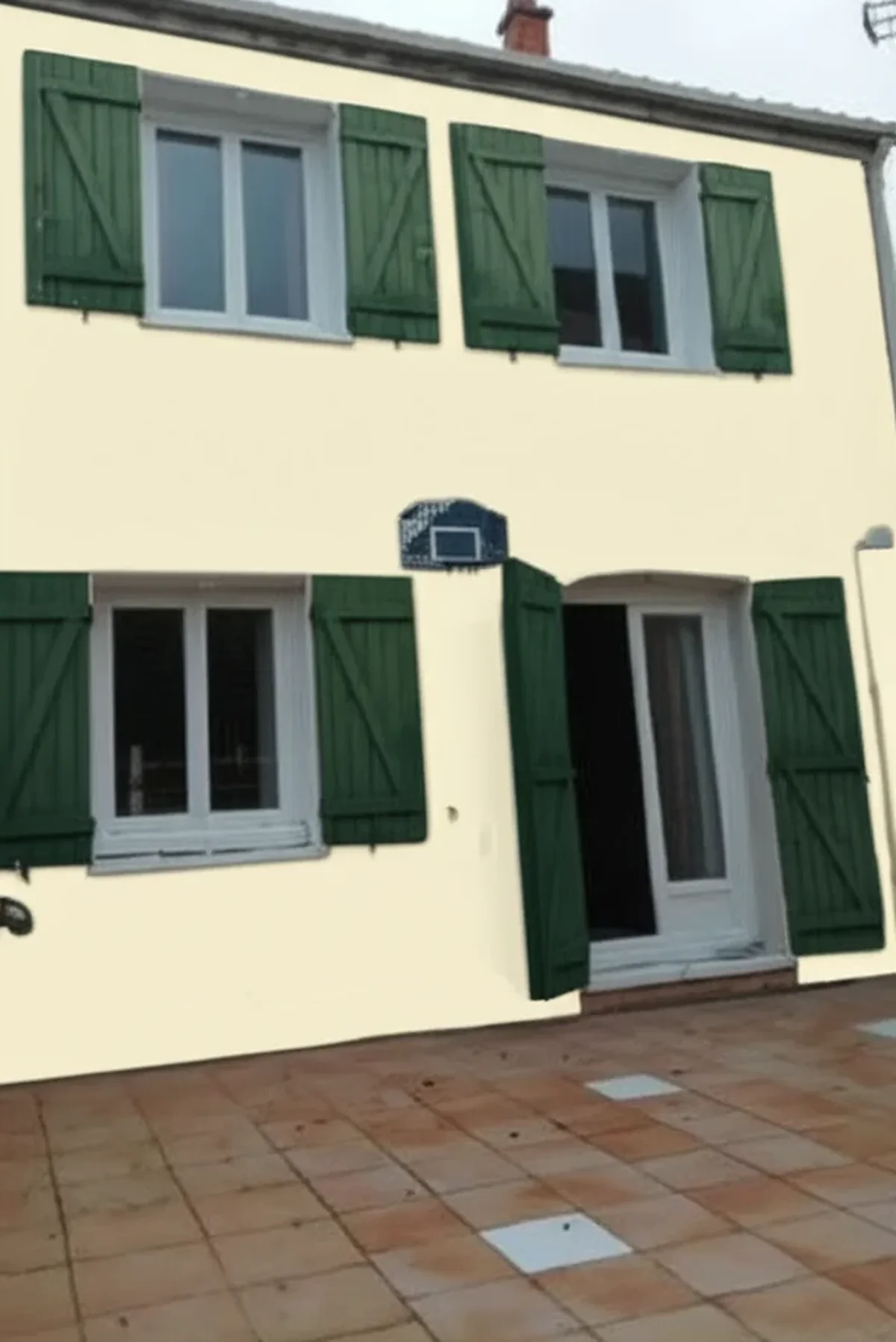
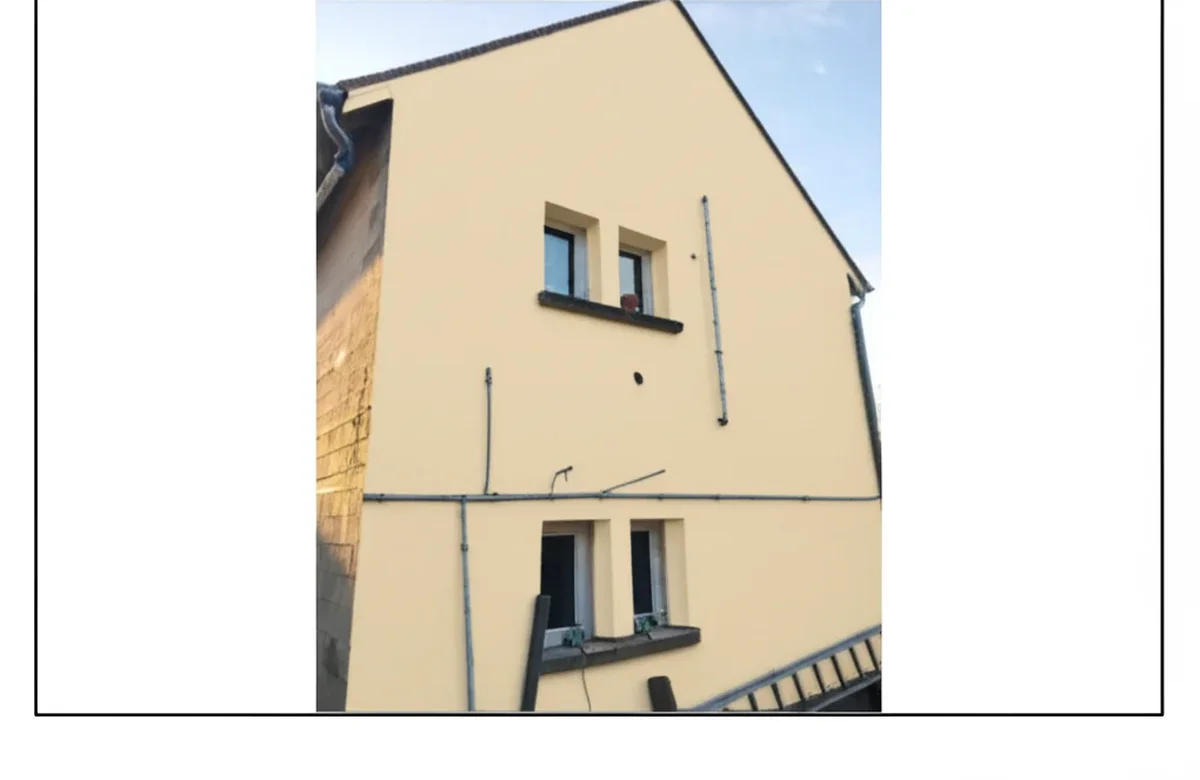
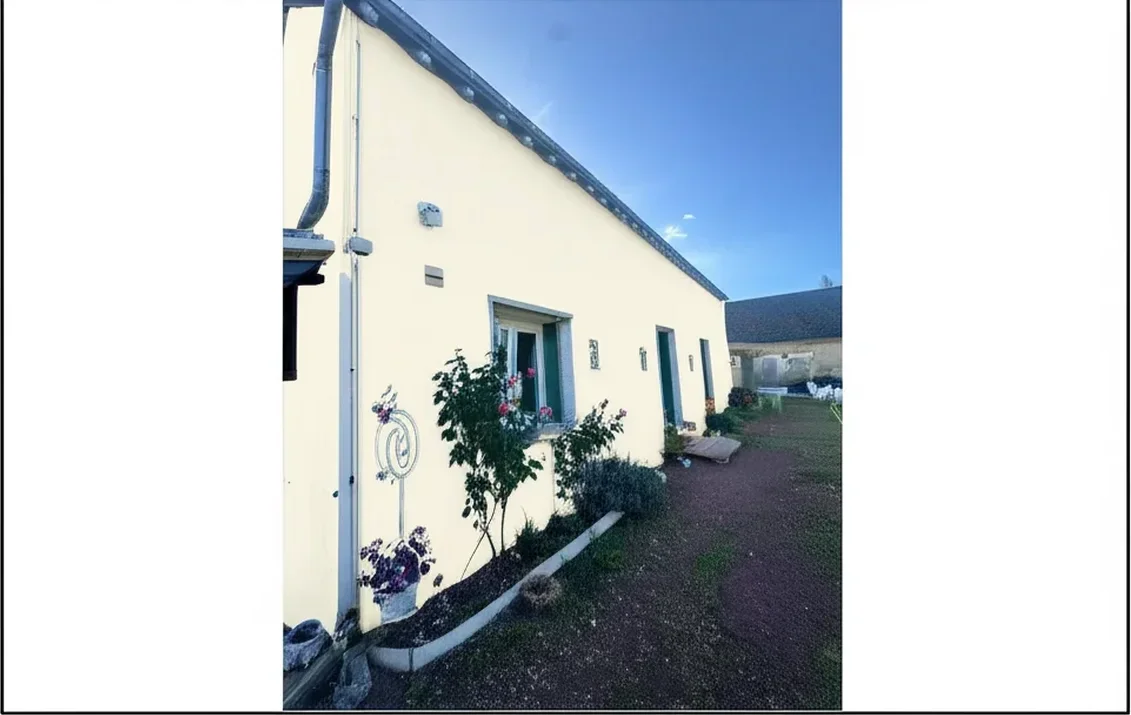
The fix is to spend 30 minutes before the bid call locking the color on a photorealistic render of your actual house. The pre-RRP workflow we recommend to every pre-1978 owner:
- Photograph the surfaces you intend to repaint in daylight, straight-on, full elevation for exteriors, full wall for interiors.
- Upload to the FacadeColorizer AI exterior paint visualizer (or the interior tool) and test 4-6 candidate colors with real Sherwin-Williams, Benjamin Moore or Behr matches.
- Show the top two renders to every household decision-maker - spouse, partner, co-owner, plus your HOA architectural review board if applicable. Get verbal lock-in before the contractor visit.
- Request quotes from Lead-Safe Certified Firms only - search the EPA "Find a Lead-Safe Certified Firm" database at epa.gov/lead or your state's authorized program list.
- Sign the proposal with the locked color code in writing - no verbal changes once containment is up.
- Sign the EPA "Renovate Right" pamphlet receipt at the pre-job walkthrough. Keep your copy for 3 years.
This is the single highest-ROI 30 minutes of any pre-1978 repaint. Cost: zero. Savings: $1,500-$3,500 in avoided re-do plus weeks of avoided re-containment.
7. State-specific add-ons: CT, MA, MN, ME, NJ
Federal RRP is a floor, not a ceiling. 14 states run EPA-authorized RRP programs and several add tougher state-specific requirements on top of the federal baseline. Always cross-check the state add-ons before you bid or hire.
- Connecticut - the Department of Public Health (DPH) requires a separate CT Lead Abatement Contractor or Lead Consultant license for any work touching lead in pre-1978 homes where a child under 6 lives. Stricter than federal RRP: includes a state-issued ID card per worker, $200 fee.
- Massachusetts - the MA Childhood Lead Poisoning Prevention Program (CLPPP) at the Department of Public Health runs its own RRP-equivalent program. Every property where a child under 6 lives must hold a current Letter of Compliance after lead inspection. Landlords face strict liability for childhood lead poisoning regardless of fault under MGL Chapter 111 § 199.
- Minnesota - the MDH Lead Program requires a state Lead Supervisor or Lead Worker license on top of EPA RRP, plus a separate Renovation Firm registration. Penalties up to $10,000 per violation under state law stack on top of federal $40,000/day.
- Maine - the Maine CDC mandates lead inspection before any sale or rental of pre-1978 housing in Lewiston-Auburn, Portland and several other "areas of elevated risk" via state law 22 MRSA § 1322. Lead-Safe Renovation Certification is required statewide.
- New Jersey - under Title 55 of the New Jersey Statutes, every pre-1978 rental unit must be inspected for lead-based paint hazards every 2-3 years (P.L. 2021, c. 182). Non-compliant landlords face $1,000/day in state penalties plus the federal RRP stack.
Other authorized states - Wisconsin, Rhode Island, North Carolina, Oregon, Utah, Iowa, Kansas, Mississippi, Oklahoma, Washington - run programs largely mirrored on the federal baseline but verify the local fee schedule and certified-renovator card before bidding.
8. Frequently asked questions
How do I know if my home was built before 1978?
Check your county assessor's website (free, instant) or look at your property tax record. The year-built field is public record. If the home was built or substantially renovated before April 22, 1978, federal RRP applies. If you cannot determine the build year, the EPA presumes the home is pre-1978 unless a certified lead inspector certifies otherwise.
Can I just test for lead and skip RRP if it's negative?
Yes - if a Certified Lead Inspector or Risk Assessor performs the test (XRF or paint-chip lab analysis) and documents the result. EPA accepts an "opt-out" only when negative results cover every surface to be disturbed. Cost: $300-$600 for a 2-3 hour inspection. Worth it if you plan multiple repaint phases over the years. You cannot use a hardware-store DIY swab - EPA recognizes only EPA-recognized test kits operated by certified personnel.
Does RRP apply to interior trim and doors, or only walls?
RRP applies to any painted surface being disturbed - walls, trim, doors, baseboards, window frames, ceilings, banisters, exterior siding, fascia, soffits, porch floors. Trim and friction surfaces (windows, doors that rub) are actually higher risk than flat walls because friction generates more lead dust. Don't assume "I'm only repainting the trim" puts you outside the rule.
How long is a Lead-Safe Certified Firm certificate valid?
Five years. Renewal is $300 federally (state fees vary). The individual Certified Renovator credential is also valid for 5 years, with a 4-hour refresher course required before expiration. Ask every contractor for both certificates (firm + renovator) and verify in the EPA "Find a Lead-Safe Certified Firm" lookup at epa.gov/lead before signing.
Does RRP apply if I'm only painting over existing paint with no sanding?
Yes, if the surface area exceeds 6 sqft interior or 20 sqft exterior, because any surface preparation - scraping loose paint, light sanding to feather edges, cleaning, even pressure-washing exterior siding - disturbs paint. The only truly RRP-exempt full-coverage scenario is hanging removable peel-and-stick wallpaper over an undisturbed wall, which is not a repaint.
What if my contractor isn't certified - is the homeowner liable?
EPA can issue joint enforcement actions against the renovator and the property owner when the owner "knew or should have known" the work involved disturbing pre-1978 paint. Best practice: get the firm certificate and renovator card before work begins and keep copies for 3 years. If your contractor cannot produce both on request, the right answer is "I'll call a Lead-Safe Certified Firm instead."
How much extra does a Lead-Safe Certified Firm cost versus a non-RRP painter?
Expect a 15-35% premium on labor for a pre-1978 home versus a post-1978 home of the same square footage. The premium covers containment material (6-mil plastic, tape, signage), HEPA vacuum amortization, certified-renovator wage premium, dust-wipe verification, and recordkeeping time. For a 2,000 sqft exterior repaint, that adds roughly $800-$2,200 - far less than the $5,000-$40,000 daily penalty for skipping RRP, and a fraction of the post-job legal exposure if a child later tests positive for elevated blood lead.
Lock the color before the lead-safe containment goes up - 1 free HD render, no signup
RRP is not paperwork - it is the federal floor that keeps lead dust out of your child's bedroom. If your home was built before 1978, the playbook is clear: lock your color on a render before the bid call, hire only EPA Lead-Safe Certified Firms, sign the "Renovate Right" pamphlet, keep the file for 3 years, and stack the state-specific rule on top of the federal one if you live in CT, MA, MN, ME or NJ. Skip any of those steps and you are paying both the medical risk and the $40,000/day enforcement risk. Sources: EPA 40 CFR 745, EPA Lead Strategy 2023, HUD Lead Safe Housing Rule (24 CFR 35), CT DPH, MA CLPPP, MN MDH, ME CDC, NJ Title 55. Ready to lock the color first? Start with the FacadeColorizer AI paint visualizer and walk into the certified-firm bid with the decision already made. See related guides: HOA exterior paint color rules, interior painter licensing & bonding, exterior house painting cost 2026, DIY vs professional exterior painting cost, low-VOC interior paint guide, Colonial home exterior paint colors.