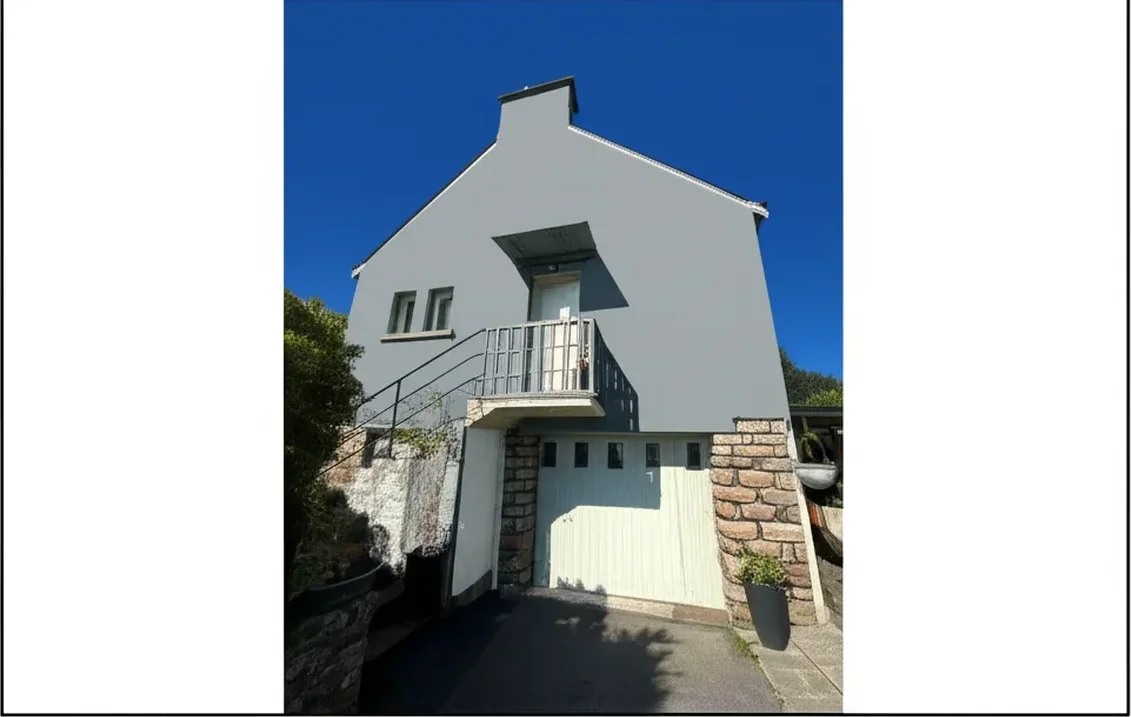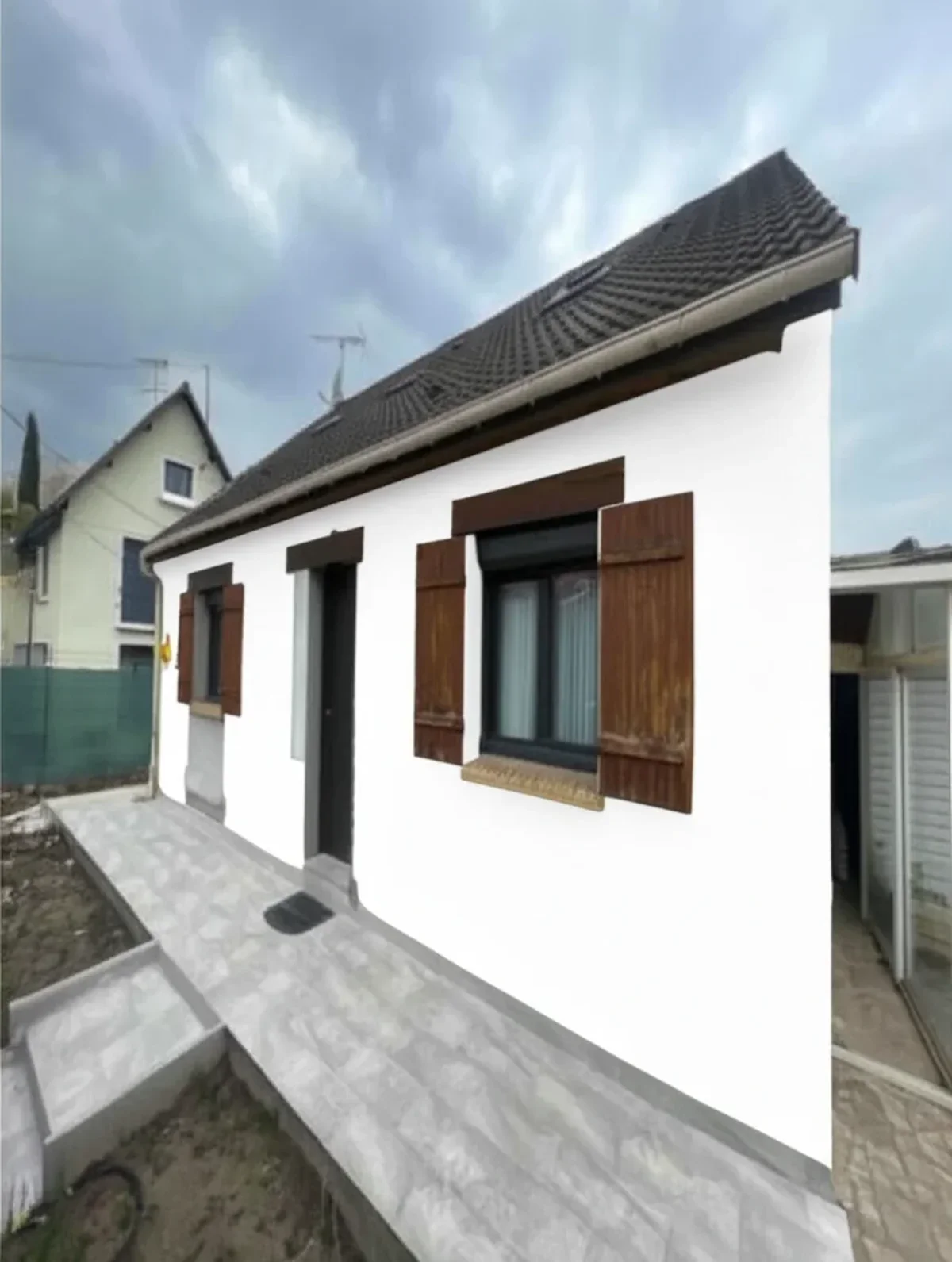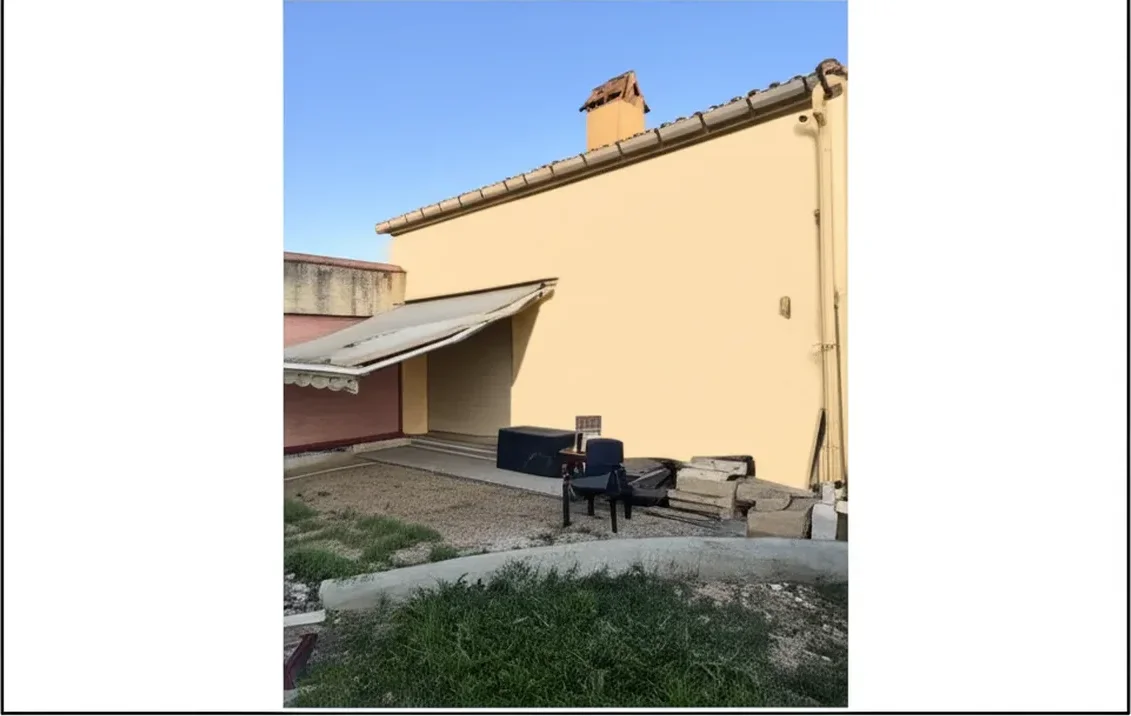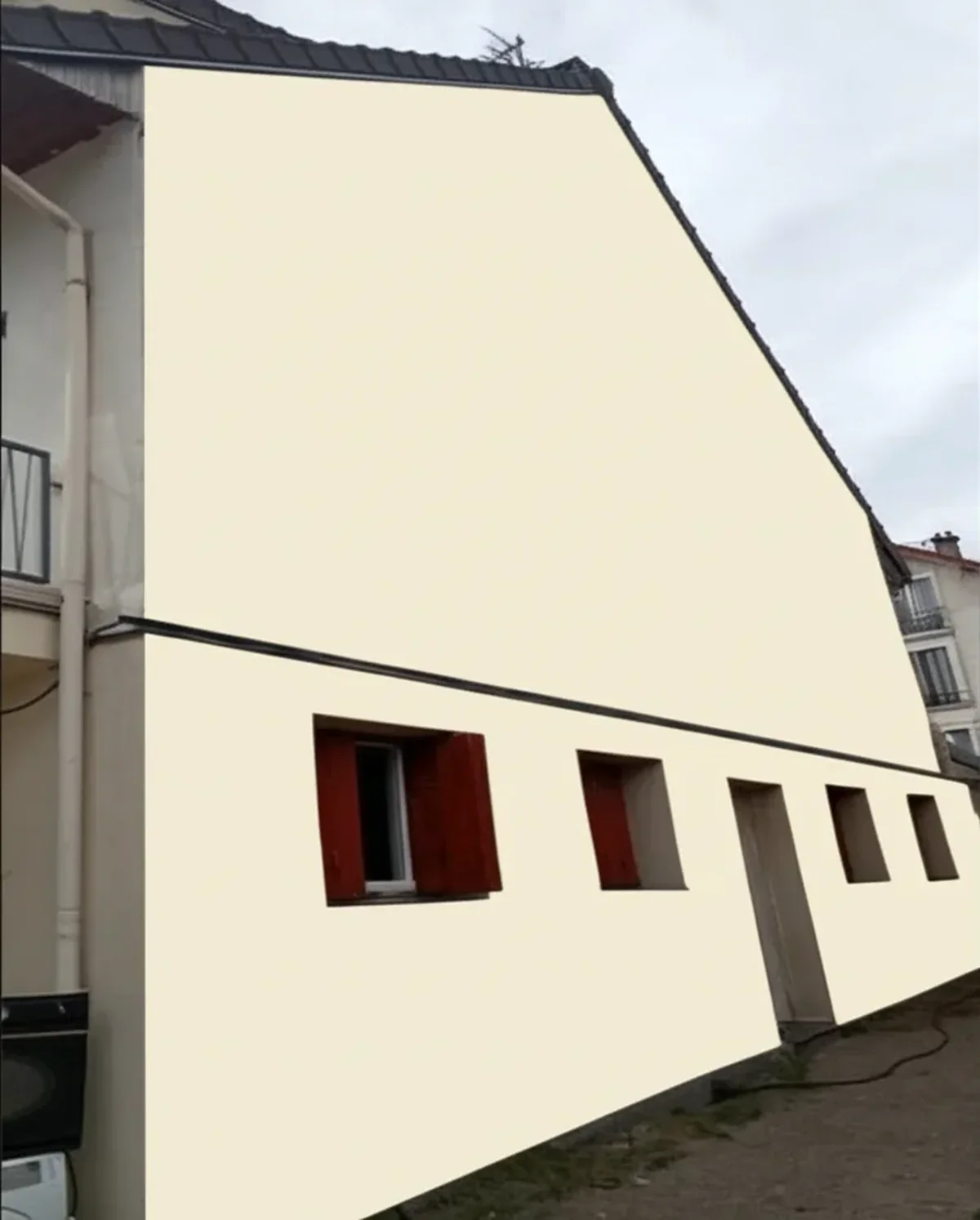
Try it on your house

FacadeColorizer is a free AI exterior colour visualiser built for British homes, gardens and timber buildings. The most searched coloured wood paint outdoor terms in the UK for 2026 cover Sadolin Superdec, Cuprinol Garden Shades, Dulux Weathershield Exterior Gloss, Ronseal Garden Paint and Johnstone's Woodworks, with the top-selling colours being sage green, slate grey, off-white, charcoal black and Oxford blue at 24 to 45 GBP per 2.5 litre tin at B&Q, Wickes and Screwfix.
This 2026 guide explains how opaque coloured wood paint differs from translucent decking stain, which products survive Atlantic westerlies and freeze-thaw cycles best, how to specify the right finish on softwood pine cladding versus hardwood oak garden gates, and how to compare GBP pricing across the major UK retailers. We cover Sadolin Superdec (the British trade favourite for fascia, soffit and weatherboard), Cuprinol Garden Shades (the bestselling colour wood paint at B&Q), Dulux Weathershield Exterior Gloss for front doors and window frames, and Ronseal Garden Paint for sheds, summer houses and pergolas. You will also find a free way to preview every shade on your own timber in 30 seconds before you drive to Wickes for a 38 GBP tin.
For decking specifically (semi-transparent finishes), see our decking stain colours UK 2026 guide. For fence panels, the Cuprinol fence paint colours guide covers the Garden Shades range in depth. For the masonry around a painted wood door, see best exterior paint colours UK 2026.
Coloured Wood Paint vs Stain vs Varnish: What Outdoor Means in 2026
The phrase "coloured wood paint outdoor" covers three quite different product families on UK retailer shelves, and choosing the wrong family is the most common reason a paint job peels within 18 months on a damp British garden building. Understanding the distinction is essential before adding tins to your trolley at Screwfix.
Opaque wood paint (often labelled "exterior wood paint" or "garden paint") sits on the timber surface as a continuous film. Pigment is high, often 30 to 45% by volume in the dry film. Examples include Cuprinol Garden Shades, Ronseal Garden Paint, Sadolin Superdec and Dulux Weathershield Exterior Satinwood. These products mask the grain, deliver strong colour and protect timber from UV. They suit sheds, summer houses, weatherboard cladding, fascia boards, soffits and front doors.
Translucent wood stain (often labelled "wood stain" or "decking stain") penetrates the timber rather than sitting on top. Pigment is low, around 5 to 15%. Examples include Sikkens Cetol Filter 7 Plus, Sadolin Classic and Ronseal Ultimate Protection Decking Stain. The grain remains visible. These suit oak gates, hardwood pergolas, balau decking and listed-building timber where heritage character is part of the spec.
Exterior varnish is essentially a clear, glossy film coat for high-end joinery, oak doors and hardwood window frames where natural grain is the design feature. Outside the scope of "coloured" wood paint, but worth noting because around 12% of British homeowners conflate varnish and paint in initial searches.
For everything else (sheds, fences, garden rooms, summer houses, weatherboard cladding, soffits, fascia, front doors), opaque coloured wood paint is the correct family. This guide focuses on that category. For an overview of UK weathering standards across product families, see the BSI Group standards portal and the Planning Portal for any consent considerations on listed timber buildings.
The 10 Most Popular Coloured Wood Paint Shades in the UK for 2026
British garden colour trends in 2026 lean firmly into muted, earthy, heritage-coded palettes. Bright primary colours have receded from the shelves at Wickes and B&Q, replaced by soft sage greens, dusty slate greys, off-whites with creamy undertones, and a small but growing share of dramatic charcoal black for modern garden rooms. Below are the ten shades dominating coloured wood paint outdoor searches and basket data this year.
1. Willow Sage - Cuprinol Garden Shades
The single best-selling coloured wood paint shade in the UK garden centre channel for the third year running. Cuprinol Garden Shades in Willow at 24 GBP per 2.5 litres delivers a soft, slightly grey-toned sage that complements brick, render and dry-stone walling alike. Particularly strong on summer houses overlooked from a kitchen window in the suburban back gardens of Leeds, Bristol and Birmingham. Coverage around 12 square metres per litre on smooth timber.
2. Urban Slate - Sadolin Superdec
Sadolin Superdec in Urban Slate at 42 GBP per 2.5 litres is the trade decorator's first choice for fascia and soffit on Victorian terraces from Edinburgh's New Town to Bristol's Clifton. The opaque satin finish covers existing dark wood in two coats and carries a strong BS EN 927-3 weathering classification. Pairs beautifully with light limestone masonry and red brick alike.
3. Country Cream - Dulux Weathershield Exterior Satinwood
For Georgian and Edwardian sash window frames, weatherboard cottages in Cornwall and Cotswolds shop fronts, Dulux Weathershield Exterior Satinwood in Country Cream at 36 GBP per 2.5 litres remains the heritage default. Self-levelling, low brush-mark, with strong UV resistance and a satin sheen that hides minor timber imperfections. A British decorator standard for over 30 years.
4. Charcoal Black - Ronseal Garden Paint
Charcoal and true black coloured wood paint is the fastest-growing search term in the FacadeColorizer UK dataset, up 41% year on year. Ronseal Garden Paint in Black at 28 GBP per 2.5 litres covers sheds, summer houses and pergolas with one coat on previously painted timber. Pair with a sage green door or natural oak handle for a 2026 contemporary garden room look. Avoid full south-facing exposure where surface temperatures can exceed 55 Celsius in July, accelerating film failure.
5. Oxford Blue - Dulux Weathershield Gloss
Oxford blue on a front door has been a defining British colour signature since the Edwardian era. Dulux Weathershield Gloss in a deep navy or Oxford blue at 38 GBP per 2.5 litres still leads front-door refresh purchases at B&Q. The high-gloss finish lifts terraced street facades in Manchester, Sheffield and Glasgow West End where rows of identical brickwork rely on door colour for individual character.
6. Forest Green - Johnstone's Woodworks Garden Colour
A traditional shade that has come back strongly with the British cottage garden revival of 2025 to 2026. Johnstone's Woodworks Garden Colour in Forest Green at 32 GBP per 2.5 litres is widely stocked at Wickes and trade merchants. Suits greenhouses, summer house doors, and timber pergola posts running through a perennial border.
7. Off-White Country - Cuprinol Garden Shades
Cuprinol Garden Shades in Country Cream or White Daisy at 24 GBP per 2.5 litres delivers a soft, slightly warmed white that suits coastal cottages in Devon, Cornwall and the Pembrokeshire coast. Pairs beautifully with slate roofs and rendered walls in pale stone or limewashed white.
8. Heritage Red - Sadolin Superdec
For Highland boathouses, Welsh stable doors and the increasingly popular Scandinavian-inspired Falun-red garden rooms now appearing in suburban Edinburgh and Manchester, Sadolin Superdec in Heritage Red at 42 GBP per 2.5 litres holds colour better than any other UK red coloured wood paint. Six to eight year recoat interval on horizontal exposure.
9. Soft Mushroom - Farrow & Ball Exterior Eggshell
For Cotswolds, Cambridge college outhouses and Conservation Area garden rooms where heritage colour matters, Farrow & Ball Exterior Eggshell in Mushroom or Pavilion Gray at 45 GBP per 750 ml carries the most refined finish on the market. Premium pricing, but unmatched depth of pigment and a UK-blended palette curated by professional architectural colourists. Stocked at Farrow & Ball showrooms and selected independent decorating shops.
10. Anthracite Grey RAL 7016 - Sadolin Superdec or Custom Tinted
Match for grey aluminium bi-fold doors and dark grey window frames now standard on new-build extensions across Britain. Sadolin Superdec custom-tinted to RAL 7016 anthracite grey at 48 GBP per 2.5 litres (custom mix surcharge) is the British decorator's go-to for matching a coloured wood paint finish to anthracite aluminium. Available through trade decorator merchants and selected Brewers Decorator Centres.
UK Coloured Wood Paint Brand Comparison Table 2026
On fences the comparison narrows to four tins, and the makers publish the numbers: Cuprinol Garden Shades mixes over 90 colours and covers 3 to 5 m² per litre on rough sawn wood against 10 to 12 on planed; Ronseal Fence Life Plus lists twelve colours at up to 6 m² per litre with two coats on sawn timber and three on planed. Our fence paint colour chart sets them beside Ducksback and One Coat.
Below is a side-by-side comparison of the five major British coloured wood paint outdoor brands across pricing, coverage, recoat interval, weathering class and where to buy. Prices reflect mainstream RRP at B&Q, Wickes and Screwfix in May 2026.
| Brand & Product | Price (2.5 L) | Coverage | Recoat | BS EN 927-3 Class | Stockists |
|---|---|---|---|---|---|
| Cuprinol Garden Shades | 24 GBP | 12 m2/L | 3 to 5 years | Medium | B&Q, Wickes, Homebase |
| Ronseal Garden Paint | 28 GBP | 10 m2/L | 2 to 4 years | Medium | B&Q, Wickes, Screwfix |
| Johnstone's Woodworks | 32 GBP | 11 m2/L | 4 to 6 years | High | Wickes, trade merchants |
| Dulux Weathershield | 36 to 38 GBP | 14 m2/L | 6 years | High | B&Q, Homebase, Dulux Decorator Centres |
| Sadolin Superdec | 42 GBP | 10 m2/L | 6 to 8 years | High | Brewers, trade merchants, Wickes Trade |
| Farrow & Ball Exterior Eggshell | 120 GBP (2.5 L) | 13 m2/L | 5 to 7 years | High | Farrow & Ball showrooms, John Lewis |
Try it on your house
No photo? Try a sample
For projects exceeding 50 square metres of garden timber, Sadolin Superdec and Johnstone's Woodworks deliver the best cost per year of service life despite higher upfront pricing, particularly when factoring in the labour cost of recoating. Cuprinol Garden Shades remains the value-for-money DIY favourite for one-off sheds or fences below 20 square metres. American brands such as Sherwin-Williams and Benjamin Moore are difficult to source in the UK in 2026; they are mentioned here only for context and are not generally recommended unless you have specific access through a trade importer.
Softwood vs Hardwood: Choosing the Right Coloured Wood Paint
Most British garden timber is pressure-treated softwood pine. Sheds, summer houses, fence panels, pergola posts, weatherboard cladding and the vast majority of trade-stocked garden buildings at Wickes and B&Q are all softwood. For softwood, opaque coloured wood paint is the right call: heavy pigment masks the green tint of preservative-treated timber, blocks UV from breaking down the cellulose, and bridges minor checks and splits as they open and close through freeze-thaw cycles.
Hardwoods such as European oak, balau, iroko and accoya behave differently. Hardwood gates, doors and balustrades contain natural oils that resist water-based opaque paints for the first 12 to 18 months. If you must use an opaque coloured wood paint on hardwood (for example, painting an oak garden gate sage green to match a summer house), the trade approach is two coats of Sadolin Superdec applied at least 6 to 12 months after the timber was installed, allowing natural oils to oxidise. Alternatively, switch to a translucent wood stain such as Sadolin Classic or Sikkens Cetol Filter 7 Plus in a "rich teak" or "country oak" shade and accept that the grain will show.
The worst combination we see at FacadeColorizer is a thin coat of Cuprinol Garden Shades applied to a brand-new oak gate, peeling within nine months. The Cuprinol product is excellent on a softwood shed, but it is not the right tool for hardwood. Always match the product to the substrate. Trade decorator guidance from Dulux Trade and Sadolin technical departments is freely available by phone and on their websites.
UK Climate, BS EN 927 Weathering and the Driving-Rain Problem
British timber paint lives a harder life than the equivalent product in southern France or Arizona. Atlantic westerlies push driving rain into end grain across Wales, Cornwall, Scotland and the West of England. Freeze-thaw cycles open up checks in pine planking through winter. Long, damp summers in the North West encourage mould and algae bloom on shaded north-facing elevations. The combination is hostile to any thin or under-pigmented coating.
The British and European Standard BS EN 927 defines four key performance criteria for exterior wood coatings: BS EN 927-1 covers classification, BS EN 927-2 specifies performance, BS EN 927-3 covers natural weathering (the test most quoted by manufacturers), and BS EN 927-5 covers liquid water permeability. A product carrying "BS EN 927-3 high durability" on its label has passed at least 24 months of outdoor exposure with measured pigment loss, gloss retention and film integrity. This standard is the single most reliable indicator of how a coloured wood paint will perform on a Manchester shed.
For broader exterior coating performance on render and masonry (a different family of standards), BS EN 1062 applies. For surface preparation of metal fixings on timber, BS 7079 gives the relevant grit-blast and cleaning grades. Trade decorators specifying for new-build estates typically write all three into a specification document, alongside HSE safe-working-at-height requirements for any timber soffit work over 2 metres.
Coverage, GBP Coverage Cost and Realistic Project Budgets
A 2.5 litre tin of mid-range coloured wood paint typically covers 25 to 35 square metres on smooth previously painted timber, dropping to 15 to 22 square metres on bare, thirsty softwood requiring two coats. Below is a realistic project budget table for common British garden timber jobs.
| Garden Project | Approx Area | Tins Needed | Material Cost (Cuprinol) | Material Cost (Sadolin) |
|---|---|---|---|---|
| Standard 8 x 6 ft shed | 20 m2 | 2 tins | 48 GBP | 84 GBP |
| 10 x 8 ft summer house | 35 m2 | 3 tins | 72 GBP | 126 GBP |
| 12 m of 1.8 m fence panels | 22 m2 | 2 tins | 48 GBP | 84 GBP |
| Front door + frame + porch | 6 m2 | 1 tin (often 1 L) | 14 GBP (1 L) | 24 GBP (1 L) |
| Garden room exterior (4 x 3 m) | 55 m2 | 4 tins | 96 GBP | 168 GBP |
Add roughly 20 to 30 GBP for sundries (brushes, rollers, masking tape, dust sheets, white spirit), or up to 60 GBP if you also need a bottle of fungicidal wash for a north-facing shed showing algae. Labour through a trade decorator in London or the South East typically runs 280 to 420 GBP per day; a typical shed plus summer house is a one-day job for a competent painter.
Listed Buildings, Conservation Areas and Permitted Development
Painting a shed, fence, summer house or garden room in your back garden almost always falls within Permitted Development and does not require planning permission in England, Scotland, Wales or Northern Ireland. Painting your front door, window frames or weatherboard cladding likewise does not normally require consent. However, there are three important exceptions where coloured wood paint outdoor selection becomes a regulated matter.
Listed Buildings. If your property is Grade I, Grade II* or Grade II listed in England and Wales (or A, B or C in Scotland), painting any external timber element including doors, window frames, fascia, soffit, weatherboard or even garden outbuildings within the listed curtilage requires Listed Building Consent from your local planning authority. Bright modern colours such as a charcoal black shed or a sage green door can be refused on a historically pale Georgian property. Always consult the Planning Portal and your local conservation officer before opening a tin.
Conservation Areas. If your home is inside a designated Conservation Area such as Edinburgh New Town, Bath, Hampstead, Clifton Bristol or Bournville Birmingham, an Article 4 Direction may have removed some of the Permitted Development rights that normally cover painting. In practice this rarely catches a garden shed, but it can apply to street-facing front doors, window frames and weatherboard on principal elevations. Check with the planning department of your local council via gov.uk before painting a street-visible front door in a heritage colour you have not seen on the street before.
Leasehold restrictions. Many British apartment leases restrict the colour of front doors and external joinery to a specific palette set by the freeholder or managing agent. Read your lease before painting a flat door Oxford blue. The Citizens Advice service publishes useful guidance at citizensadvice.org.uk for leasehold disputes over external decoration.
For a deep dive on heritage colour compliance, see our companion guide on Conservation Area painting rules UK. For the architectural colour palettes most likely to be approved on a period property, see our Cotswolds, Yorkshire and Cornwall cottage exterior colours guide.
Application: Brush vs Roller vs Sprayer for British Timber
For most coloured wood paint outdoor projects in the UK, a 100 mm synthetic-bristle brush remains the trade decorator's tool of choice. Brushes work pigment into the timber grain, reach into shadow gaps between weatherboard planks and produce a robust film that resists wind-driven rain on Atlantic-facing elevations. Allow a fresh shed of around 20 square metres a half-day with a brush plus cutting-in around hinges and locks.
A 230 mm medium-pile microfibre roller is faster on flat weatherboard cladding and modern smooth-board summer houses, but it can leave a mottled finish on rough-sawn pine and may struggle in shadow gaps. Combine a roller for the open panels with a brush for the joints, edges and gaps; this is the standard "tipping-off" technique used by trade decorators across London and the Home Counties.
Airless sprayers (HVLP or pneumatic) deliver the smoothest finish but are usually reserved for larger garden room and cladding projects above 60 square metres, where the masking and clean-up effort is justified by the labour saving. For typical British back-garden projects below 40 square metres, sprayers add overhead without saving real time. Always check the wind forecast: above 15 mph, overspray drift onto neighbouring property is a legitimate nuisance complaint risk under most local environmental health departments.
How to test it on your own home before you buy
No third-party report replaces your own walls: the same colour reads differently on a north elevation and a south one, next to red brick or a grey roof, under morning and evening light. Take a daylight photo, upload it to the free AI paint visualiser, and run two or three candidates on the same image so the comparison is fair. Keep the one or two that survive the side-by-side, buy a tester pot of each, and brush them out on the actual surface in the actual light before you order the full quantity.
Preview Your Coloured Wood Paint Free Before You Buy
A 250 ml sample tin of Cuprinol Garden Shades or Ronseal Garden Paint costs around 7 GBP, but you usually need to brush it on a hidden offcut of softwood pine that does not match the age, exposure or grain of your real shed. The result rarely predicts what the full elevation will look like on your summer house, weatherboard cladding or front door once the sun comes round. Before committing to 28 GBP per 2.5 litre tin times two or three tins for a typical 25 square metre shed plus fence project, see the colour on your own timber first. Upload a photo of your shed, summer house, fence or front door, apply any of the ten 2026 coloured wood paint shades above, compare willow sage against urban slate against country cream side by side, and share the result with your partner on your phone before you drive to B&Q. It takes 30 seconds, the first preview is free, and the AI engine handles weatherboard cladding, rough-sawn pine, smooth softwood, hardwood gates, summer houses, sheds and timber-framed garden rooms.
For garden colour planning beyond the timber itself, browse our best exterior paint colours UK 2026 guide for the masonry around your front door, our decking stain colours UK 2026 guide for the deck underneath your summer house, and our Conservation Area painting rules guide if your property carries any heritage designation. For US visitors comparing American exterior wood finishes, our outside paint colour ideas guide covers North American brands and palettes.
Frequently asked questions
What is the best coloured wood paint for outdoor use in the UK in 2026?
How much does coloured wood paint outdoor cost in the UK in 2026?
Is Cuprinol Garden Shades or Sadolin Superdec better for a British shed?
Do I need planning permission to paint a shed, fence or summer house in the UK?
What is the difference between coloured wood paint and decking stain?
How long does coloured wood paint last on outdoor timber in the British climate?
What does BS EN 927 mean on a tin of coloured wood paint outdoor?
Trademarks mentioned (Sherwin-Williams, Benjamin Moore, Behr, Caparol, Brillux, Sto, Alpina, Valspar, PPG, Glidden, Dulux, Crown Trade, Sandtex, Farrow & Ball, Johnstone's, Leyland) are property of their respective owners. FacadeColorizer is independent and not affiliated with any of them. Nominative fair use under Lanham Act §1125.