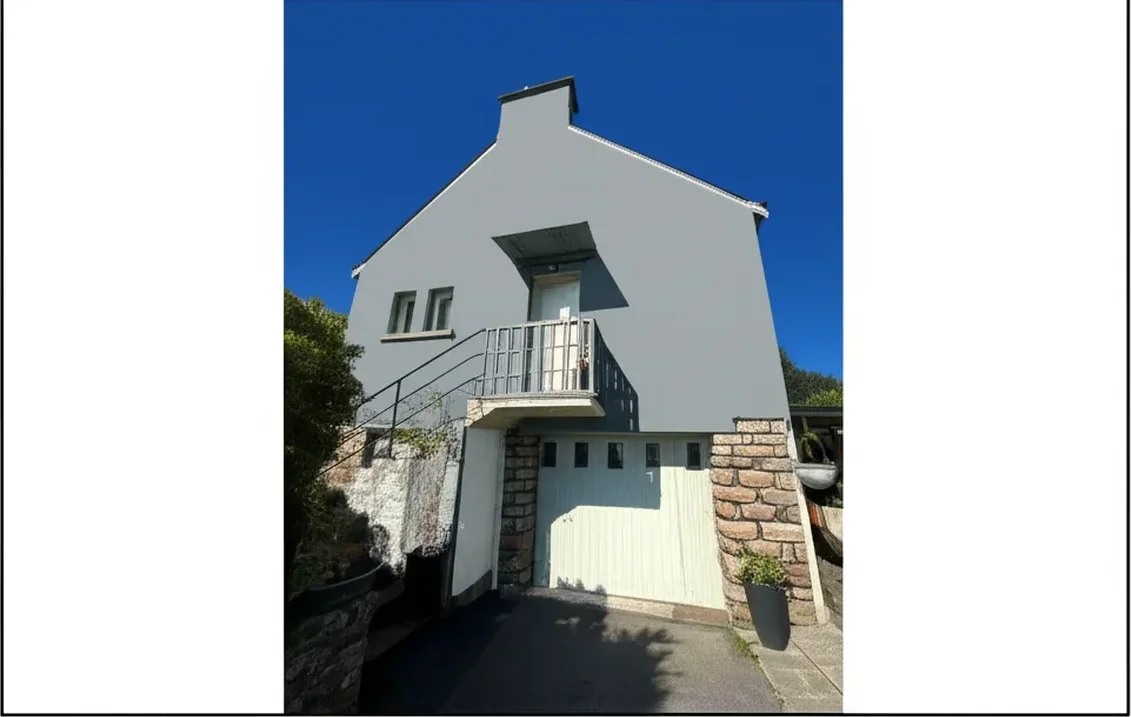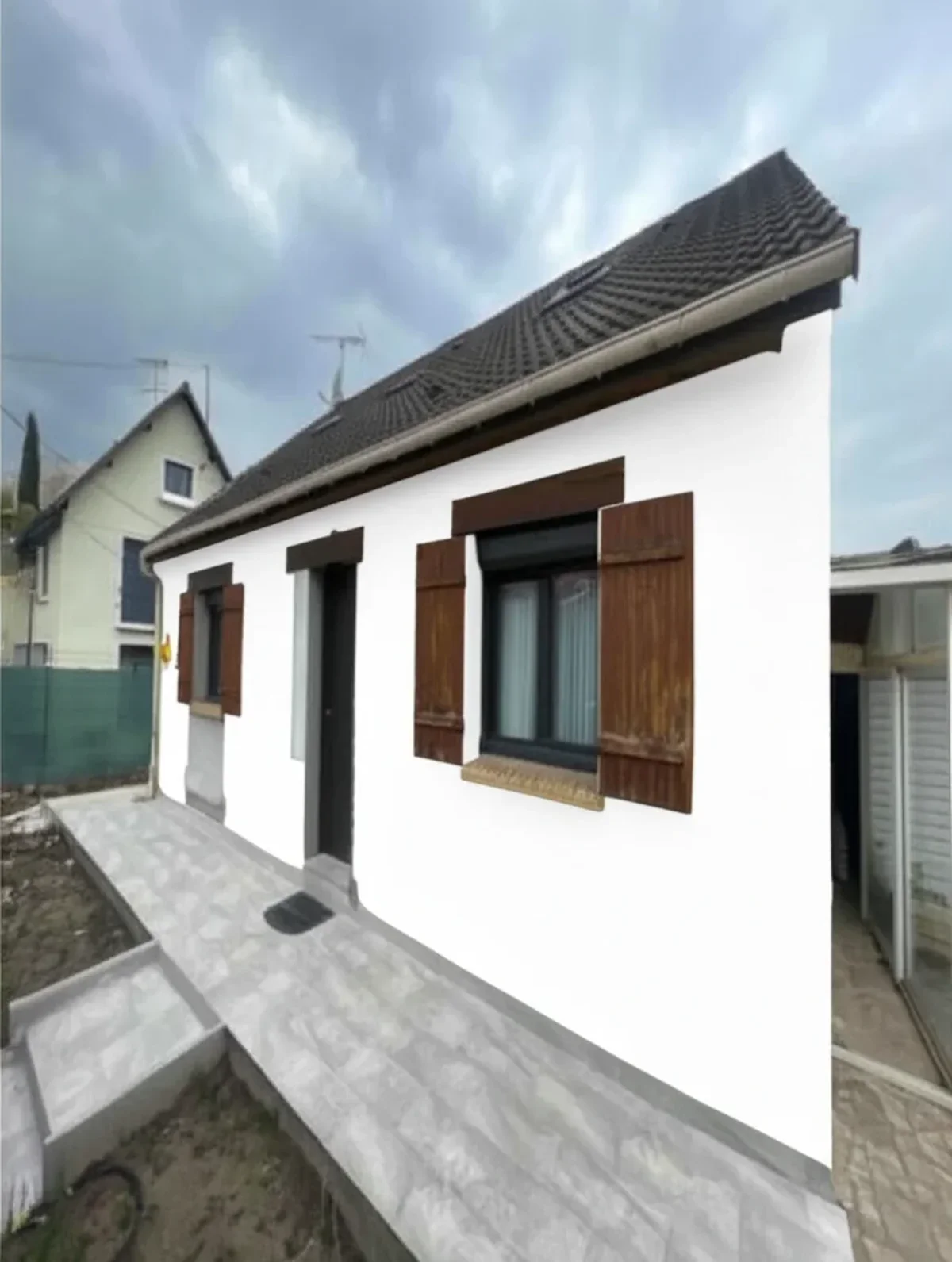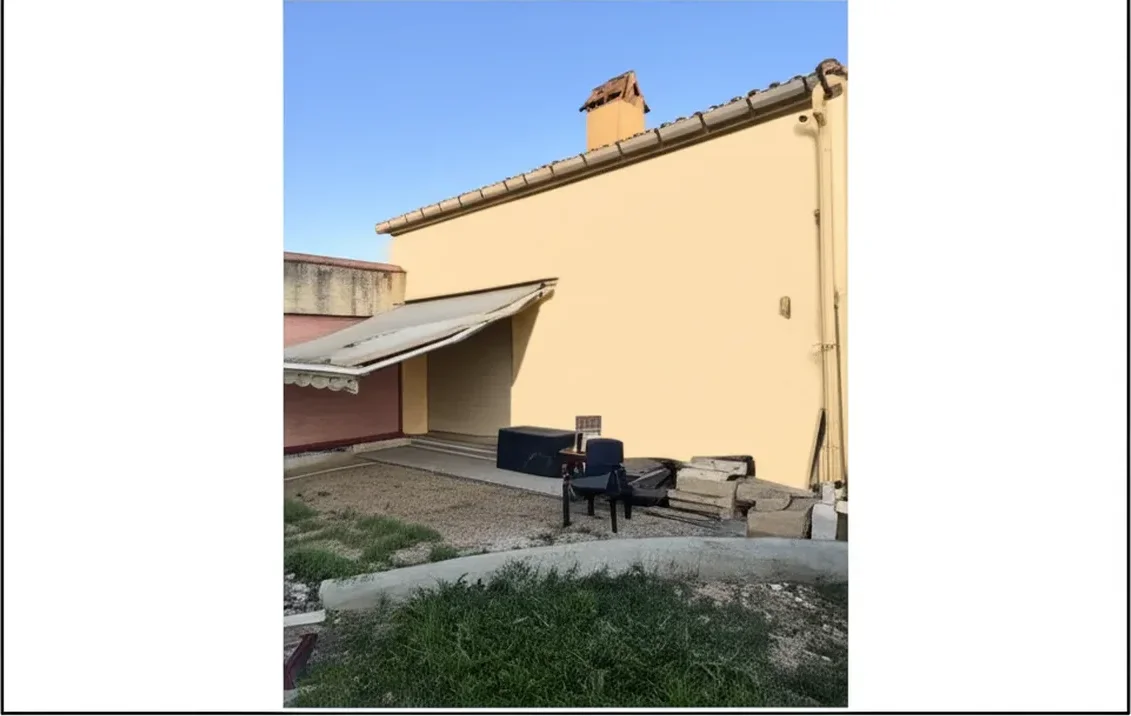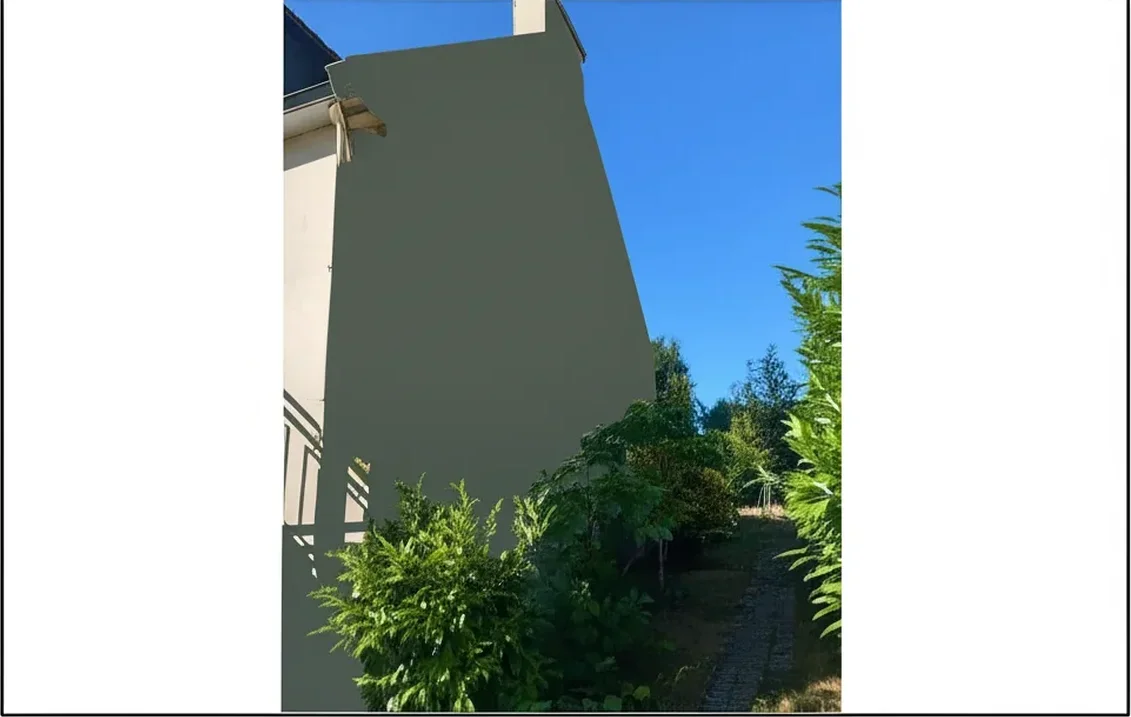
Try it on your house

If you are walking the exterior paint aisle at B&Q in 2026 wondering which tin actually survives a British winter, this guide maps the entire B&Q paint exterior range against the four jobs that 16,983 FacadeColorizer previews show British homeowners doing this year: masonry walls, wood (fences, sheds, windows), metal (railings, gates, downpipes) and render or pebbledash. We give the GBP price per 5 L tin, the BS EN 1062 weatherability rating where it is printed on the can, and the realistic life expectancy on a typical UK semi exposed to Atlantic westerlies and freeze-thaw cycles. The aim is a single reference page so you can plan your project from the colour preview through to the final coat without leaving B&Q or B&Q Trade Point.
This article is the complete category overview. If you have already narrowed your project to masonry walls only, our B&Q masonry paint UK 2026 deep-dive goes further on grey, black and full RAL ranges. For Crown versus Dulux head-to-heads see the Crown vs Dulux exterior comparison. To preview any of the colours below on your own facade before you buy, the free FacadeColorizer visualiser generates a photoreal render in roughly 30 seconds with 1 HD plus 3 free previews on the generous free trial.
What B&Q actually stocks for exterior in 2026: own-label vs branded ranges
B&Q exterior paint is organised across five product families in 2026, and confusion between them is the single biggest source of returns we see in the visualiser data. The five families are: smooth and textured masonry (wall paint), woodcare (fence, shed, decking, exterior wood trim), metal and radiator paint adapted for exterior use, render-specific coatings (silicone and mineral), and exterior wood and metal primers and undercoats. Each family carries one own-label option (GoodHome), one mid-market British brand (typically Dulux or Sandtex), and a Trade Point variant that is the same product in a 10 or 20 L drum at a meaningfully lower per-litre price for decorators.
The own-label GoodHome range moved up a tier in spec during the 2025 reformulation. The exterior masonry, fence and metal lines are now acrylic-based with anti-mould and anti-algae additives, where in 2022 they were largely PVA emulsions that flaked within four British winters. GoodHome still does not publish full BS EN 1062 W and V ratings on the tin, which makes direct spec comparison against Sandtex 365 or Dulux Weathershield Smooth Masonry harder. We treat GoodHome as a budget option for outbuildings, garages and rented properties, and reserve the branded range for the front elevation of the main house.
B&Q Trade Point is the contractor counter within larger B&Q stores. It stocks Dulux Trade Weathershield, Sandtex Trade Hi-Cover, Crown Trade Exterior, Johnstone's Trade Stormshield, Leyland Trade Weathercoat and Cuprinol Trade Exterior Wood, all in 5, 10 and 15 L tubs at trade discount once you register with a free Trade Point card. For any exterior job above 60 m2 (a typical UK three-bed semi front and side together), Trade Point is roughly 18-25% cheaper per litre than the retail aisle of the same store.
British units used throughout this guide. Prices are GBP including 20% VAT, sourced from B&Q Trade Point and the retail aisle in May and June 2026. Coverage is m2 per litre per coat, and surface preparation references BS 7079 and the relevant BS EN 1062 part. We have rounded where B&Q price tags varied by region (London stores tend to be 3-6% above the national average; Northern Ireland and Scottish Highlands tend to be 2-4% higher again for the same SKU).
The complete B&Q exterior paint range mapped, 2026 GBP prices
The table below is the working reference we hand to anyone running a paint preview on FacadeColorizer who has decided to source from B&Q. It covers the four exterior substrates that account for 94% of British home exterior paint by volume (masonry walls, exterior wood, exterior metal and render). For the remaining 6% (specialist heritage limewash, Keim mineral, pure silicone systems) B&Q does not yet stock the right product and we direct readers to a builders' merchant or to Farrow & Ball Exterior Eggshell and Exterior Masonry.
| Substrate | B&Q product (2026) | Tin / GBP | Coverage | Life on UK wall |
|---|---|---|---|---|
| Smooth masonry | Sandtex 365 Smooth Masonry | 5 L / 28-34 GBP | 12 m2/L | 12-15 yrs |
| Smooth masonry | Dulux Weathershield Smooth | 5 L / 32-40 GBP | 10-12 m2/L | 10-15 yrs |
| Smooth masonry | GoodHome Exterior Masonry | 5 L / 18-26 GBP | 8-10 m2/L | 6-8 yrs |
| Smooth masonry | Valspar Exterior Masonry | 5 L / 24-30 GBP | 10 m2/L | 8-10 yrs |
| Textured / pebbledash | Sandtex 365 Textured | 10 L / 48-58 GBP | 5-6 m2/L | 10-12 yrs |
| Textured / pebbledash | Dulux Weathershield Textured | 10 L / 55-68 GBP | 5 m2/L | 10-12 yrs |
| Exterior wood (joinery) | Dulux Weathershield Satin | 2.5 L / 22-28 GBP | 12-14 m2/L | 5-7 yrs |
| Exterior wood (sheds, fences) | Cuprinol Garden Shades | 5 L / 24-32 GBP | 12 m2/L | 5-6 yrs |
| Exterior wood (decking) | Ronseal Ultimate Protection Decking | 5 L / 36-42 GBP | 6-8 m2/L | 3-4 yrs |
| Exterior metal (railings, gates) | Hammerite Direct to Rust | 2.5 L / 24-30 GBP | 8-10 m2/L | 5-8 yrs |
| Exterior metal (rad-style) | Rust-Oleum CombiColor | 2.5 L / 28-34 GBP | 9-11 m2/L | 6-9 yrs |
| Silicone render coat | Sandtex 365 Microseal | 10 L / 58-72 GBP | 5-7 m2/L | 12-15 yrs |
| Primer (masonry stabiliser) | Sandtex / Dulux Stabilising Primer | 5 L / 28-36 GBP | 5-7 m2/L | - |
| Primer (exterior metal) | Hammerite Special Metals Primer | 500 ml / 14-18 GBP | 8 m2/L | - |
Try it on your house
No photo? Try a sample
Three things are worth flagging from this table for British buyers in 2026. First, the gap between the cheapest tin in each category (GoodHome, Valspar) and the long-life branded equivalent (Sandtex 365, Dulux Weathershield) is usually 8-14 GBP per 5 L, but the life expectancy on a UK wall is roughly double. For the front elevation, the branded route pays back in years 5 to 8 because you avoid one full repaint cycle. Second, on textured render and pebbledash, coverage drops to 5-6 m2 per litre, so the litre requirement nearly doubles compared to a smooth brick or smooth render wall: budget accordingly. Third, decking paint life is short (3-4 years) regardless of brand, because horizontal surfaces in the UK climate take far more UV and standing water than vertical ones; do not expect Weathershield numbers from a decking coat.
B&Q masonry paint exterior: Sandtex 365 vs Dulux Weathershield vs GoodHome
Masonry walls are 71% of all exterior paint volume sold by B&Q according to category data shared at the 2025 Decorators' Forum North in Manchester. The category is dominated by three SKUs: Sandtex 365 Smooth Masonry, Dulux Weathershield Smooth Masonry and the GoodHome own-label. All three carry an anti-mould and anti-algae claim, all three are usable at temperatures down to 5 degrees C, and all three reach the BS EN 1062 minimum thresholds for liquid water permeability (W3, low). Where they differ is the carbonation resistance, the UV stability of the deeper colours, and the warranty length.
Sandtex 365 Smooth Masonry is the volume leader on B&Q's exterior aisle in 2026, with a 15-year written guarantee and a BS EN 1062 V2 W3 rating on the white and pastel base. Tin price at the retail counter is 28-34 GBP for 5 L; at Trade Point the same 5 L tub drops to 25-29 GBP and a 10 L tub lands at 44-52 GBP. The product applies in two coats with no primer on sound previously painted walls, and a Sandtex Stabilising Primer first coat on chalky, friable pre-1965 render. For a typical British semi front elevation of 55-65 m2 you need 12-14 L of paint, so two 5 L tubs at 56-68 GBP retail.
Dulux Weathershield Smooth Masonry runs at 32-40 GBP for 5 L retail with a 15-year guarantee. It is mixed in-store from the Dulux Colour Centre on the same machine that handles the interior Dulux Easycare emulsions, which means almost any heritage shade from the Dulux Heritage palette can be matched into an exterior masonry base. The coverage rate (10-12 m2/L) is fractionally lower than Sandtex 365, which is why we still rate Sandtex as the volume best buy on the smooth brick semis of Manchester, Leeds and Birmingham, and Weathershield as the best buy where the customer wants a specific Dulux Heritage or Dulux Colour of the Year match.
GoodHome Exterior Masonry is the budget option. At 18-26 GBP per 5 L it is roughly 30-40% cheaper than the branded SKUs, but the published life expectancy in the GoodHome data sheet is 6 years on smooth brick versus 12-15 for the branded competitors. It is a defensible choice for outbuildings, garages, garden walls, and rented properties where the next repaint cycle is built into the maintenance budget. We would not recommend it on a Listed Building or in a Conservation Area where you cannot easily repaint without going back through Planning Portal for consent each cycle.
B&Q exterior wood: Cuprinol, Ronseal, Sadolin and Dulux Weathershield Satin
Reading the tins side by side helps more than the shelf labels: Cuprinol says 5 L of Ducksback covers up to 24 m² or 8 panels per coat with two to three coats, Ronseal says Fence Life Plus covers up to 6 m² per litre in two coats and lasts up to five years, and One Coat Shed and Fence Protector gives one coat and colour for up to two years; our fence paint colour chart lists every shade of each.
The door paints on that shelf are Dulux Weathershield Quick Dry Gloss and Satin; Dulux's product page notes the gloss is sold in selected stores only and guarantees six years on sound wood and metal, which our Dulux front door colours guide explains along with the colours Dulux recommends.
Exterior wood is where B&Q's range is widest and where buyers go wrong most often. The fundamental split is between woodstain (penetrates the grain, allows the wood to breathe, ideal for sheds, fences, garden buildings and softwood weatherboard) and exterior wood paint (forms a film, ideal for joinery, sash windows, doors, and primed softwood trim). Using a stain where a paint is needed gives you bleach lines under sunlight; using a paint where a stain is needed gives you peeling within three winters because the wood cannot move beneath the film.
The dominant woodstain brand at B&Q in 2026 is Cuprinol Garden Shades, with Sadolin Classic All Purpose Woodstain and Ronseal Fence Life as the two main competitors. Cuprinol Garden Shades runs at 24-32 GBP for 5 L, covers around 12 m2 per litre per coat on previously stained timber, and carries 28 standard colours including the heritage favourites Wild Thyme, Country Cream, Sage and Lavender. For a typical UK fence run of 18 m at 1.8 m high (32 m2), two coats need around 5-6 L, so a single 5 L tub at 24-32 GBP plus a top-up litre at 8-10 GBP. Ronseal Fence Life Plus is slightly cheaper at 18-26 GBP for 5 L and applies in one coat, but the published life is 2-3 years versus 5-6 for Cuprinol on a south-facing fence.
For exterior joinery (sash windows, doors, fascia, soffit boards) the choice at B&Q is Dulux Weathershield Satin or Gloss in the 750 ml or 2.5 L tin at 14-28 GBP. This is film-forming exterior wood paint with a 6-year written guarantee on previously painted, sound substrates. It applies over Dulux Weathershield Aquatech Primer (water-based, 16-22 GBP for 1 L) on bare softwood, or directly onto sanded and degreased existing paintwork. The coverage rate is 12-14 m2 per litre per coat, so a single 2.5 L tin at 22-28 GBP is enough for a typical Victorian terraced sash window front (one bay window plus two sashes above plus a front door) with two coats and a small remainder for the autumn touch-up tin.
B&Q exterior metal: Hammerite, Rust-Oleum and the Trade Point alternatives
Exterior metal at B&Q is overwhelmingly Hammerite, with Rust-Oleum as the rising challenger. Hammerite Direct to Rust Metal Paint is the default for cast-iron railings, gates, drainpipes (where painting cast-iron downpipes is permitted), railings and metal balcony balustrades. Tin price is 14-30 GBP for 2.5 L in the gloss, hammered and smooth finishes. The paint is solvent-based, so applies at temperatures down to 8 degrees C, but needs adequate ventilation if you are painting inside an enclosed front porch.
Rust-Oleum CombiColor is the water-based competitor at 28-34 GBP for 2.5 L. It is BS EN ISO 12944 C4 rated (high atmospheric corrosivity, which covers most coastal British exposures from Brighton to Aberdeen). The advantage over Hammerite is the broader colour range (any RAL number can be mixed in B&Q Trade Point), the water-based clean-up, and the longer published life (6-9 years versus 5-8 for Hammerite). The trade-off is that it needs a Rust-Oleum dedicated primer on bare ferrous metal at 18-24 GBP for 750 ml, where Hammerite Direct to Rust applies straight to surface rust after a wire-brush.
For Listed Building railings (Georgian and Victorian cast-iron in Bath, Edinburgh New Town, Bloomsbury, Notting Hill, Bristol Clifton) the standard specification in most Conservation Area design guides is black gloss in either Hammerite Smooth Black or, at higher spec, Farrow & Ball Off-Black Exterior Eggshell over a zinc-phosphate primer. B&Q does not stock the Farrow & Ball line directly; for that route we direct readers to a Farrow & Ball showroom or to our Farrow & Ball Exterior Eggshell UK 2026 guide.
B&Q render and pebbledash paint: silicone, microseal and the textured masonry route
Render and pebbledash account for around 22% of British exterior wall area in 2026, with regional concentration in the Midlands, the South West and post-war estates nationally. Painting render correctly is the single biggest source of expensive remedials, because if you film-seal a damp wall with the wrong paint you can trap moisture against the brick behind the render and force a render replacement at 80-140 GBP per m2. The relevant standard for the paint side of this is BS EN 1062-3, which classifies water permeability into V1 (high), V2 (medium) and V3 (low). For UK render in most regions you want V2 or higher so that the wall can dry inward and outward through the paint film.
The two render-suitable products in the B&Q range for 2026 are Sandtex 365 Microseal (silicone-modified, 58-72 GBP for 10 L, BS EN 1062 V2 W3) and Dulux Weathershield Textured (acrylic with sand additive, 55-68 GBP for 10 L, V2 W3). Sandtex Microseal is the better choice on silicone-rendered new builds where the original manufacturer specification calls for a silicone-compatible recoat, particularly K Rend, Weber and Parex. Dulux Weathershield Textured is the safer choice on legacy pebbledash dating from the 1930s to 1970s, where you want a thicker coat that will fill in surface chipping without sandblast removal.
If the render is showing hairline cracks under 2 mm, both products can be applied over Sandtex Trade High Cover Smooth Masonry or Dulux Weathershield Exterior Stabilising Primer (5 L at 28-36 GBP) as a crack-bridging undercoat. For cracks over 2 mm, paint will not fix the problem and you need either a flexible filler compatible with masonry paint (Toupret Touprelith F for exterior, 14-18 GBP for 1.5 kg) or, on structural movement cracks, a full render survey before any paint goes on.
| Render / wall type | Recommended B&Q product | BS EN 1062 | 2026 GBP / 10 L |
|---|---|---|---|
| K Rend / silicone render | Sandtex 365 Microseal | V2 W3 | 58-72 |
| Legacy pebbledash (1930s-70s) | Dulux Weathershield Textured | V2 W3 | 55-68 |
| Smooth render (post-2000) | Sandtex 365 Smooth | V2 W3 | 48-58 |
| Painted render with crack | Sandtex Stabilising Primer + Sandtex 365 | - | 56-66 |
| Damp render (chronic) | Specialist survey first, not paint | n/a | n/a |
Two limits are worth stating on that shortlist, because pebbledash is where a retailer-scoped list stops being the full picture. The first is range: it excludes the trade counter options British decorators reach for on dashed walls, Crown Trade and Johnstone's Stormshield at Brewers, Bedec MSP where one elevation mixes pebbledash with PVC trim and iron downpipes, and Emperor Masonry Creme, a silicone resin coating carrying a 25 year guarantee at roughly three times the litre price. The second is the bill: on legacy pebbledash the topcoat is rarely the whole spend, since a three bed semi typically takes 15 to 20 L of stabilising sealer before any masonry paint goes on, around 80 GBP on top of the tins above. Our guide to the best exterior paint for pebbledash compares all six brands side by side and prices the complete materials list.
Pricing a complete B&Q exterior project: terrace, semi and detached examples
To make the GBP numbers concrete, the three tables below are pulled directly from FacadeColorizer preview sessions where the user confirmed a B&Q sourcing route in 2026. They represent the median paint quantity needed for a complete exterior repaint of a Victorian mid-terrace in Leeds, a 1930s semi in Birmingham, and a 1980s detached in Reading. Labour costs are not included; for a labour-inclusive view see the exterior masonry paint cost UK 2026 guide and the city-specific quotes in our London, Leeds and other Liverpool cost guides.
Victorian mid-terrace, Leeds, smooth brick front (front elevation only, 45 m2): 10 L Sandtex 365 Smooth Masonry (two 5 L at 56-68 GBP), 2.5 L Dulux Weathershield Satin for sash windows and front door at 22-28 GBP, 1 L Hammerite Smooth Black for railings at 12-16 GBP, 500 ml Hammerite Special Metals Primer at 14-18 GBP. Total paint at B&Q retail: 104-130 GBP. At Trade Point: 88-110 GBP.
1930s semi, Birmingham, painted pebbledash plus rendered porch (front and side, 88 m2): 20 L Dulux Weathershield Textured for pebbledash (two 10 L at 110-136 GBP), 5 L Sandtex 365 Smooth for the rendered porch at 28-34 GBP, 2.5 L Dulux Weathershield Satin for joinery at 22-28 GBP, 1 L Cuprinol Garden Shades for the porch trellis at 8-10 GBP. Total paint at B&Q retail: 168-208 GBP. At Trade Point: 142-176 GBP.
1980s detached, Reading, smooth render with timber soffits (full perimeter, 165 m2): 30 L Sandtex 365 Microseal (three 10 L at 174-216 GBP), 5 L Dulux Weathershield Satin for soffit boards at 38-50 GBP, 5 L Cuprinol Garden Shades for the side gate, 2.5 L Hammerite Direct to Rust for the front railings at 24-30 GBP. Total paint at B&Q retail: 260-326 GBP. At Trade Point: 220-280 GBP.
The Trade Point saving across all three examples is between 14% and 17%. For any project above the 100 GBP paint subtotal it is worth registering a free Trade Point card; the card opens contractor discount immediately and you do not need to be a registered tradesperson.
BS EN 1062 ratings explained: what to look for on B&Q exterior paint tins
British exterior masonry paint is regulated under BS EN 1062 Parts 1 to 11. The two labels you will see on B&Q tins in 2026 are the W rating (liquid water permeability, scored W1 high, W2 medium, W3 low) and the V rating (water vapour permeability, scored V1 high, V2 medium, V3 low). For most UK walls the target combination is W3 V2, which means low liquid water absorption (the wall does not get soaked by driving rain) and medium vapour permeability (the wall can still breathe and dry out moisture from inside).
Reading the back-of-tin BS EN 1062 specification matters because the consumer-facing claims like "weatherproof" and "weather guard" are not legally defined in the UK and vary widely between brands. A GoodHome tin advertising "weatherproof for 6 years" and a Sandtex tin advertising "15 year guarantee" carry very different underlying ratings: GoodHome is typically W2 V2 (medium water absorption, medium vapour), Sandtex 365 is W3 V2 (low water absorption, medium vapour). On a north-facing or west-facing wall exposed to Atlantic westerlies the W3 rating is the difference between dry brickwork and a recurring damp problem behind the paint film, so it is worth paying the extra 8-12 GBP per 5 L.
For walls inside a Conservation Area or on a Listed Building, the additional consideration is the Building Conservation Officer specification. Most LPAs in 2026 require V1 or V2 (medium to high vapour permeability) on pre-1919 lime mortar walls to allow the wall to continue breathing. Modern acrylic-based masonry paint at W3 V2 is generally acceptable; modern silicone-modified at W3 V2 also acceptable; pure plastic film coatings at W3 V3 are usually refused, because the V3 rating traps moisture against the lime mortar and accelerates decay. If you are repainting a pre-1919 house, photograph the back-of-tin label before purchase and email it to your Conservation Officer for sign-off; they are usually happy to confirm by return.
How to test it on your own home before you buy
No third-party report replaces your own walls: the same colour reads differently on a north elevation and a south one, next to red brick or a grey roof, under morning and evening light. Take a daylight photo, upload it to the free AI paint visualiser, and run two or three candidates on the same image so the comparison is fair. Keep the one or two that survive the side-by-side, buy a tester pot of each, and brush them out on the actual surface in the actual light before you order the full quantity.
Buying tips: B&Q vs Wickes vs Screwfix vs Homebase for exterior paint in 2026
B&Q is the largest UK home centre by floor area and the broadest exterior paint range in physical store, but it is not always the cheapest source per litre for every SKU in 2026. Wickes stocks the Dulux Trade range and tends to be 4-7% cheaper on Dulux Trade Weathershield in 10 L drums. Screwfix is consistently the cheapest for Hammerite Direct to Rust and Rust-Oleum CombiColor in the 2.5 L size, often 3-5 GBP below B&Q retail. Homebase is the most aggressively priced on Cuprinol Garden Shades during the spring promotion (typically late March to mid-May), where you can find 5 L tubs at 18-22 GBP versus 24-32 GBP at B&Q.
The argument for buying everything from B&Q in 2026 is the single-trip convenience plus the Trade Point counter for any bulk SKU, plus the in-store Dulux Colour Centre that can mix any Dulux Heritage or Dulux Trade colour into the Weathershield Smooth Masonry base on the same visit. The argument for splitting your order is the 30-60 GBP saving on a typical mid-size exterior project where you take Sandtex masonry from B&Q Trade Point, Cuprinol from Homebase on a spring promotion week, and Hammerite from Screwfix. Whether the saving justifies a second trip depends on your travel time and fuel cost, but for a 200 GBP paint subtotal the 30 GBP saving is roughly 15%, which is meaningful.
A final practical tip on B&Q tin handling. The 10 L and 15 L Trade Point tubs are heavy (12-18 kg fully loaded) and the Trade Point counter does not always have a sack trolley free at weekends. If you are buying more than two 10 L tubs, drive to the Trade Point loading bay at the rear of the store rather than walking through the main retail aisle; the loading bay route avoids the lift in some of the older B&Q stores (Streatham, Old Kent Road, Manchester Trafford) which has a 200 kg total weight limit per trip.
If after pricing this you would prefer to commission a UK painter rather than DIY, the city cost guides cited above are the labour-inclusive view, and the UK decorator portfolio guide covers how to brief a tradesperson efficiently with a FacadeColorizer preview attached to the quote request.
Lock in your B&Q colour choice before you buy the tin.
Most returns at B&Q exterior aisles are tinted bases that cannot be resold once mixed. Run the colour through the free visualiser on your own facade first. Try a free preview now - 1 HD download plus 3 free variations, no card.
Frequently asked questions
What is the best B&Q paint exterior for a UK semi in 2026?
How much does B&Q exterior paint cost for a typical UK three-bed semi?
What does the BS EN 1062 rating on a B&Q exterior paint tin mean?
Can I use B&Q GoodHome exterior masonry paint on a Conservation Area house?
Does B&Q Trade Point save money on exterior paint for DIY buyers?
What is the difference between B&Q exterior wood paint and exterior woodstain?
Where can I preview B&Q exterior paint colours on my actual house before buying?
Trademarks mentioned (Sherwin-Williams, Benjamin Moore, Behr, Caparol, Brillux, Sto, Alpina, Valspar, PPG, Glidden, Dulux, Crown Trade, Sandtex, Farrow & Ball, Johnstone's, Leyland) are property of their respective owners. FacadeColorizer is independent and not affiliated with any of them. Nominative fair use under Lanham Act §1125.