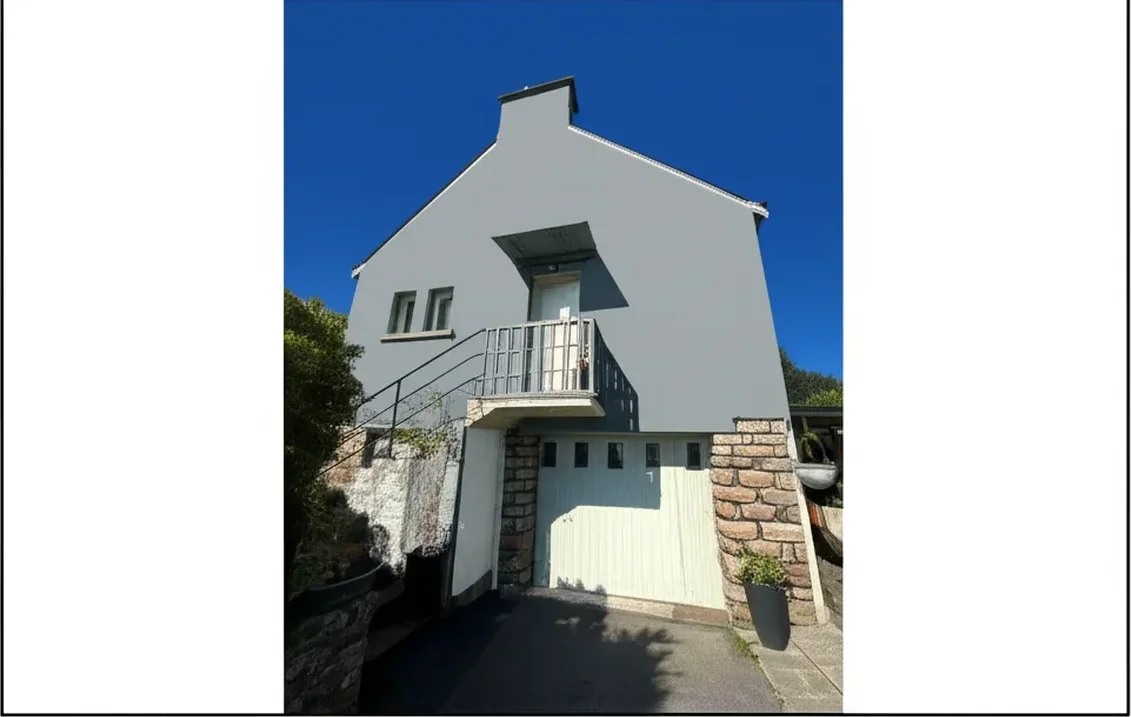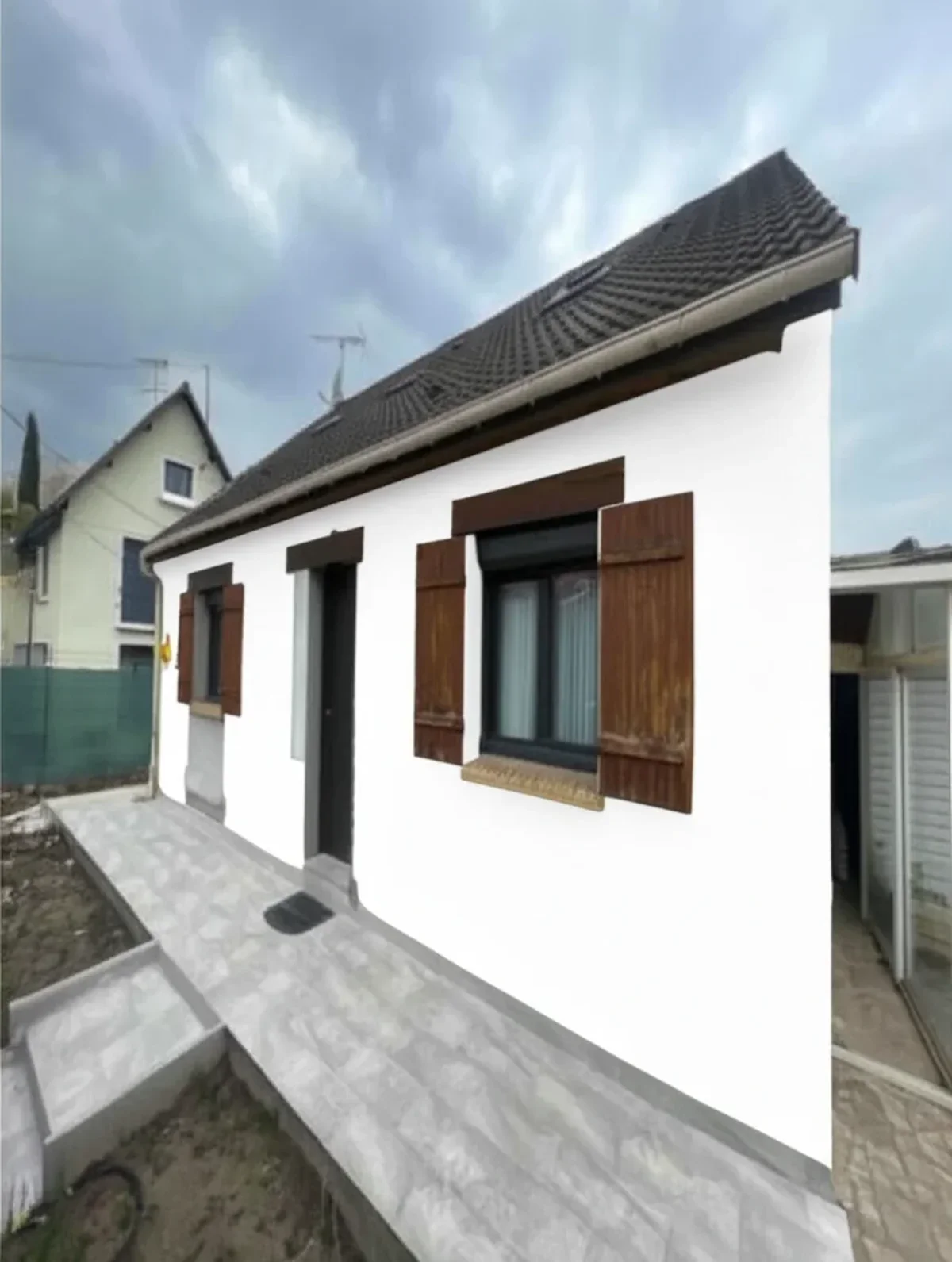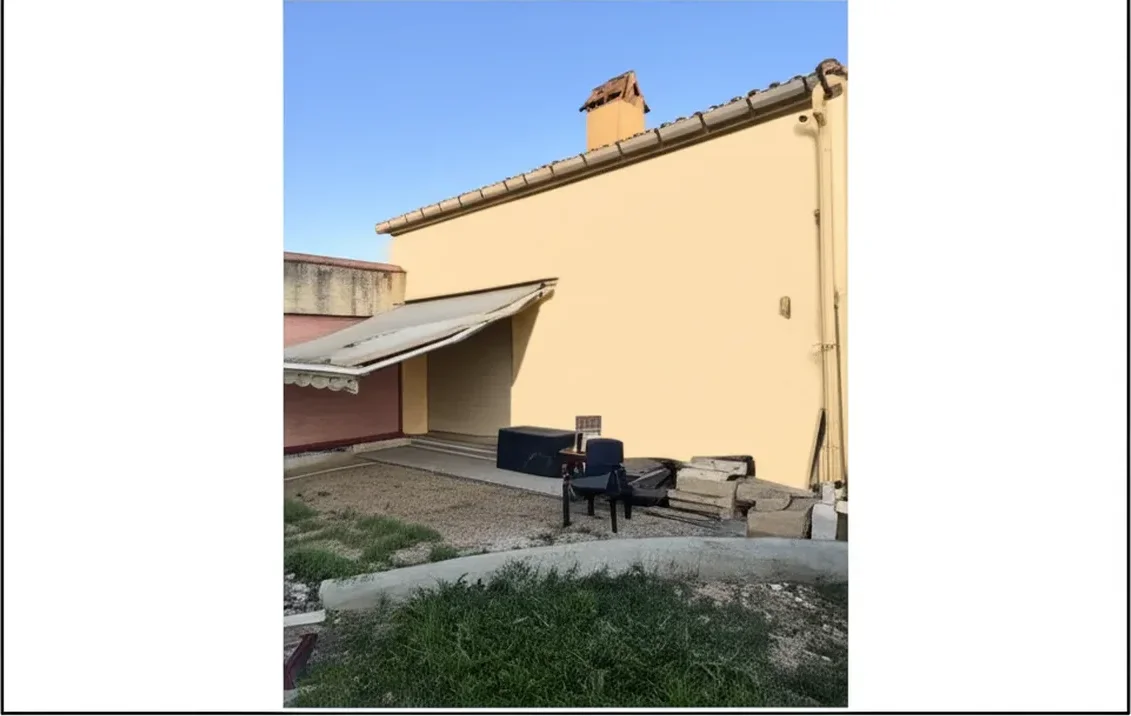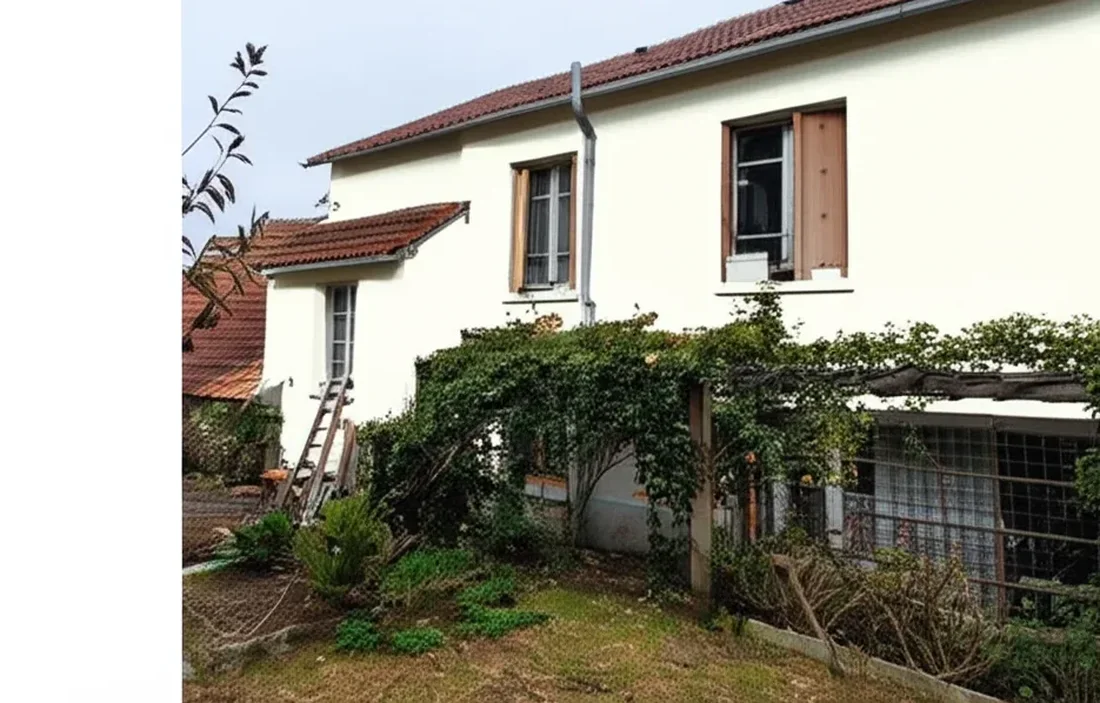
Try it on your house

FacadeColorizer is a free AI exterior colour visualiser for British homes and gardens. The most searched decking stain colours in the UK for 2026 are slate grey, charcoal black, rich teak, golden cedar and warm walnut, with Ronseal Ultimate Protection, Cuprinol Anti-Slip Decking Stain and Sadolin Superdec dominating Wickes, B&Q, Screwfix and Toolstation shelves at 28 to 45 GBP per 2.5 litre tin.
This 2026 guide compares the five top UK decking stain brands across opacity, weather resistance under driving rain and freeze-thaw, anti-slip credentials, BS EN 927 durability classes and real GBP pricing at B&Q, Wickes and Screwfix. You will find a black decking stain section (the fastest-growing British garden colour of 2026), slate grey and cedar comparisons, a coverage table in square metres per litre, application advice for Atlantic westerlies and a free way to preview every shade on your own deck in 30 seconds before you buy a 38 GBP tin.
For garden colour pairings on neighbouring fence panels see our best exterior paint colours UK 2026 guide, and for boundary timber treatments see our Cuprinol fence paint colours guide.
The 8 Most Popular Decking Stain Colours in the UK for 2026
British decking lives a harder life than its Californian or Texan equivalent. Atlantic westerlies push driving rain into end grain, winter freeze-thaw cycles open up checks in softwood pine, and UV from low-angle sun bleaches softwoods within a single season. Colour choice in 2026 is no longer purely cosmetic; it is the front line of timber preservation. Below are the eight shades dominating searches and Wickes basket data this year.
1. Slate Grey: the new British neutral
Slate grey has overtaken cedar as the UK's best-selling decking stain colour. It complements light limestone paving, anthracite aluminium bi-folds, and the dark grey render finishes now standard on extensions across Manchester, Leeds and Bristol. Ronseal Ultimate Protection Decking Stain in Slate at 38 GBP per 2.5 litres delivers a semi-transparent slate that lets the timber grain breathe through. For a more uniform, paint-like finish on weather-beaten boards, Cuprinol Anti-Slip Decking Stain in Urban Slate at 34 GBP per 2.5 litres is the better choice; the fine aggregate also lifts wet-weather grip on north-facing London terraces.
2. Charcoal Black: 2026's bold statement
Decking stain black is the fastest-growing search term in the FacadeColorizer UK dataset, up 38% year on year. The look pairs a black deck with a pale dry-stone wall, oak garden room cladding or a charcoal-rendered house elevation, an aesthetic championed by London garden designers and increasingly visible in Edinburgh new-build mews developments. Sadolin Superdec Satin Black at 42 GBP per 2.5 litres is technically an opaque wood stain, sitting between traditional stain and paint, with proven BS EN 927-3 weather performance. Ronseal Ultimate Protection in Ebony offers a softer near-black with translucent depth for buyers who want grain visibility. Be warned: south-facing black decks can hit 60 Celsius surface temperature under July sun, so reserve true black for shaded or north-facing zones.
3. Rich Teak: the timeless safe choice
Rich teak remains the default British choice when in doubt. It is warm, mid-brown, instantly recognisable, and forgiving on softwood pine that has already weathered a season. Cuprinol Ducksback in Rich Teak is a 5-year exterior wood treatment at around 26 GBP per 5 litres at Wickes; it is technically aimed at sheds and fences but is widely used on low-traffic decks. For genuine foot-traffic durability, Ronseal Ultimate Protection in Rich Mahogany at 38 GBP per 2.5 litres carries a 3-year guarantee on horizontal surfaces.
4. Golden Cedar: the heritage warm shade
Slightly lighter and more orange than teak, golden cedar suits cottage gardens in the Cotswolds, Yorkshire stone properties, and any deck where you want the timber to look freshly milled. Johnstone's Woodworks Cedar at 32 GBP per 2.5 litres delivers strong UV resistance through Western Red Cedar pigment. Sikkens Cetol HLS Plus in Cedar is the trade-specification choice at 65 GBP per 2.5 litres, used by professional decorators who want a 5-year recoat interval rather than the typical 2 to 3 years from DIY products.
5. Walnut: deep, neutral, contemporary
Walnut sits between teak and ebony, deep enough to hide stains from spilled wine and barbecue grease, neutral enough to suit any garden palette. Ronseal Ultimate Protection in Walnut is the highest-rated darker-brown stain on Wickes and B&Q, with a true semi-transparent finish that reveals grain. Pair walnut decking with a Farrow & Ball Card Room Green garden room or a Dulux Weathershield Slate Grey rendered wall for a quietly luxurious modern British garden.
6. Country Oak: the natural pretender
Country oak is the closest match to clear-finished timber, ideal for new pressure-treated decking installed in the last 12 months that you do not want to colour heavily. Cuprinol Ducksback Forest Oak is the most economical option at Toolstation and Screwfix at around 23 GBP per 5 litres. For exposed coastal decks in Cornwall or Pembrokeshire, step up to Sadolin Quick Drying Woodstain Country Oak with its proven BS EN 927-3 medium-durability rating.
7. Forest Green: garden room continuity
A small but growing trend in 2026 is matching the deck stain to a painted garden room or summerhouse in a single foliage green. Cuprinol Garden Shades in Seasoned Oak or Wild Thyme is technically not a decking stain (low foot-traffic spec), but Cuprinol now ships Anti-Slip Decking Stain in Forest Oak for owners who want the green tone underfoot too. Expect to recoat every 2 years on horizontal surfaces.
8. Driftwood Grey: weathered Cornish look
Lighter than slate, almost silver-grey, driftwood mimics the look of naturally weathered timber without waiting two years for the bleach to set in. Sadolin Superdec Light Grey at 42 GBP per 2.5 litres delivers a slightly chalky opaque finish, beloved by coastal-property owners from St Ives to Whitstable. Pair driftwood decking with Farrow & Ball Stone Blue front-facing summerhouse joinery for a quintessential British seaside look.
UK Decking Stain Brands: Direct Comparison Table 2026
The table below compares the five most-stocked UK decking stain ranges across price (GBP at Wickes / B&Q list, May 2026), coverage in square metres per litre, weather durability under BS EN 927-3 and typical recoat interval on a fully-exposed deck in southern England.
| Brand / Product | Price (2.5 L) | Coverage | BS EN 927-3 | Recoat Interval |
|---|---|---|---|---|
| Ronseal Ultimate Protection Decking Stain | 38 GBP | 12 m2/L | Medium | 2-3 years |
| Cuprinol Anti-Slip Decking Stain | 34 GBP | 10 m2/L | Medium | 2 years |
| Sadolin Superdec Opaque Wood Stain | 42 GBP | 11 m2/L | High | 5-8 years |
| Sikkens Cetol HLS Plus | 65 GBP | 14 m2/L | High | 5 years |
| Johnstone's Woodworks Decking Stain | 32 GBP | 12 m2/L | Medium | 2-3 years |
Try it on your house
No photo? Try a sample
Note that BS EN 927-3 is the European weathering test used by all major UK manufacturers; "Medium" durability typically equates to a 2 to 3 year recoat cycle in southern England, "High" to 5 years plus. The standard does not assess slip resistance; for that, check the British HSE slip resistance guidance if your deck serves public-facing premises such as a pub garden or holiday let.
Decking Stain Black: Why It Works in a British Garden
The pivot from teak to decking stain black is the single most important UK garden colour story of 2026. Search interest for "decking stain black" has risen 42% year on year on Google UK according to public Search Console trends, and the FacadeColorizer dataset confirms a parallel jump in black previews across South East and London garden uploads.
Why now? Three reasons. First, the architectural shift towards charcoal and slate-grey rendered house elevations (Sandtex Trade Slate Grey, K Rend Anthracite) creates pressure for the deck to colour-match. Second, the rise of black-framed aluminium bi-fold doors makes pale cedar decks look dated overnight. Third, garden designers from London suburbs to Brighton seafront properties have championed the "shadow gap" aesthetic where dark horizontal surfaces visually recede, letting planting take centre stage.
The two strongest black products on UK shelves in 2026 are Sadolin Superdec Satin Black (opaque, paint-like, ultra-durable, 42 GBP per 2.5 L) and Ronseal Ultimate Protection in Ebony (semi-transparent, grain visible, 38 GBP per 2.5 L). Cuprinol does not currently produce a true black anti-slip decking stain in its core range; its closest match is "Urban Slate", which reads charcoal grey in daylight rather than true black.
Where to Buy: Wickes, B&Q, Screwfix and Toolstation Compared
Pricing varies more than you might expect across British DIY retailers. The same 2.5 litre tin of Ronseal Ultimate Protection can range from 36 to 41 GBP depending on retailer, season and click-and-collect offers. Below is the May 2026 retailer matrix for the most commonly searched products.
| Retailer | Ronseal Ultimate (2.5 L) | Cuprinol Anti-Slip (2.5 L) | Sadolin Superdec (2.5 L) | Click & Collect |
|---|---|---|---|---|
| B&Q | 38 GBP | 34 GBP | 42 GBP | Same day |
| Wickes | 36 GBP | 33 GBP | 41 GBP | Same day |
| Screwfix | 39 GBP | Not stocked | 43 GBP | 1 hour |
| Toolstation | 37 GBP | 32 GBP | Not stocked | Same day |
Trade buyers should consider Brewers Decorator Centres for Sikkens Cetol HLS Plus, which is rarely stocked at high-street DIY chains. Independent specialist retailers including Decorating Centre Online and Paintshack also carry Sadolin Quick Drying Woodstain and the Sikkens trade range with delivery across England, Wales and Scotland in 2 to 3 working days.
Application: Beating the British Weather
The Met Office records show that southern England averages 130 days of measurable rainfall per year, with Manchester, Glasgow and Belfast reaching 150 plus. The application window for decking stain is therefore narrower than the product label suggests. Manufacturers specify a minimum 24 to 48 hour dry period before and after application, but in practice you need 72 hours of fair weather to be safe on a 25 square metre family deck.
Best practice: time the job for May to mid-September, target an air temperature between 10 and 25 Celsius, avoid morning dew (start no earlier than 10am in spring and autumn), and follow British safety guidance for working at height if you are stretching to reach a raised deck balustrade. Surface preparation should comply with the principles of BS 7079 (preparation of steel substrates) where metal balusters are involved, and BS EN 927-1 wood pre-treatment guidance for the deck boards themselves.
Sand softwood pine to 80-grit before staining; do not sand finer than 120-grit on decking as the stain will struggle to key. Apply two coats with 4 to 6 hours between coats, brushing along the grain in one continuous pass per board to avoid lap marks. End grain (board ends) needs an extra third coat, as this is where Atlantic-westerly driven rain attacks the timber first.
Listed Buildings, Conservation Areas and Permitted Development
Decking colour itself rarely triggers a planning issue, but the deck structure can. If you live in a Conservation Area or your home is Listed, raising a deck above 30 centimetres or building it within 2 metres of the property boundary may exceed your Permitted Development rights. Always consult the official Planning Portal decking guidance before installation, particularly in London boroughs with strict supplementary planning documents.
For colour itself, conservation officers in places like Bath, Cambridge and Edinburgh's New Town occasionally express informal preferences against very dark or very bright deck stains on visible terrace gardens. If your deck is overlooked from a listed neighbouring property, a heritage-friendly mid-brown teak or country oak shade is the safest visual choice. See our companion guide on Conservation Area painting rules UK for related compliance points.
Hardwood vs Softwood: Different Stain Strategies
Most British decking is pressure-treated softwood pine, designed to be stained heavily to mask the green-tint preservative. However, hardwood decks built from European oak, balau or iroko have become more common in middle-tier London new-builds, and these timbers behave entirely differently under stain.
Hardwoods contain natural oils that resist water-based stains for the first 6 to 12 months. The recommended approach for hardwood is a clear or near-clear oil-based product such as Sikkens Cetol Filter 7 Plus in Natural or Osmo UV-Protection Oil, applied lightly to allow the timber's own grain and patina to develop. Heavy opaque black or grey stains on European oak will fail prematurely as the natural oils prevent proper adhesion.
Softwood pine decks, by contrast, benefit from heavier pigmentation. The pigment particles physically block UV from breaking down the cellulose in the wood surface, extending the deck's life by years. Slate grey, walnut, ebony and rich teak shades all provide strong UV protection. Pale shades (cedar, country oak) protect less and require recoating every 18 to 24 months on south-facing pine decks.
How to test it on your own home before you buy
No third-party report replaces your own walls: the same colour reads differently on a north elevation and a south one, next to red brick or a grey roof, under morning and evening light. Take a daylight photo, upload it to the free AI paint visualiser, and run two or three candidates on the same image so the comparison is fair. Keep the one or two that survive the side-by-side, buy a tester pot of each, and brush them out on the actual surface in the actual light before you order the full quantity.
Preview Your Decking Stain Free Before You Buy
A 250 ml sample tin of Ronseal or Cuprinol decking stain costs about 9 GBP, but you usually need to brush it on a hidden offcut of timber that does not match your real deck's age, exposure or grain pattern. The result rarely predicts what the full deck will look like once the sun comes out. Before committing to 38 GBP per 2.5 L tin times three or four tins for a typical 25 square metre garden deck, see the colour on your own deck first. Upload a photo, apply any of the eight 2026 stain colours above, compare slate grey against ebony against rich teak side by side, and share the result on your phone with a partner before you drive to Wickes. It takes 30 seconds, the first preview is free, and the AI engine handles softwood pine, hardwood balau, composite and grooved boards.
For an extended guide to garden colour planning beyond the deck itself, browse our UK cottage exterior paint colours guide, our best deck paint guide for opaque finishes, or learn the difference between stain and paint in our companion deep-dive at best exterior paint colours UK 2026.
Frequently asked questions
What are the most popular decking stain colours in the UK in 2026?
What is the best black decking stain in the UK?
How much does decking stain cost in the UK in 2026?
How long does decking stain last in the British climate?
Do I need planning permission to install or stain a deck in the UK?
Should I use stain or paint on my UK deck?
How many simulations is the 2026 Facade Colour Barometer based on?
Trademarks mentioned (Sherwin-Williams, Benjamin Moore, Behr, Caparol, Brillux, Sto, Alpina, Valspar, PPG, Glidden, Dulux, Crown Trade, Sandtex, Farrow & Ball, Johnstone's, Leyland) are property of their respective owners. FacadeColorizer is independent and not affiliated with any of them. Nominative fair use under Lanham Act §1125.