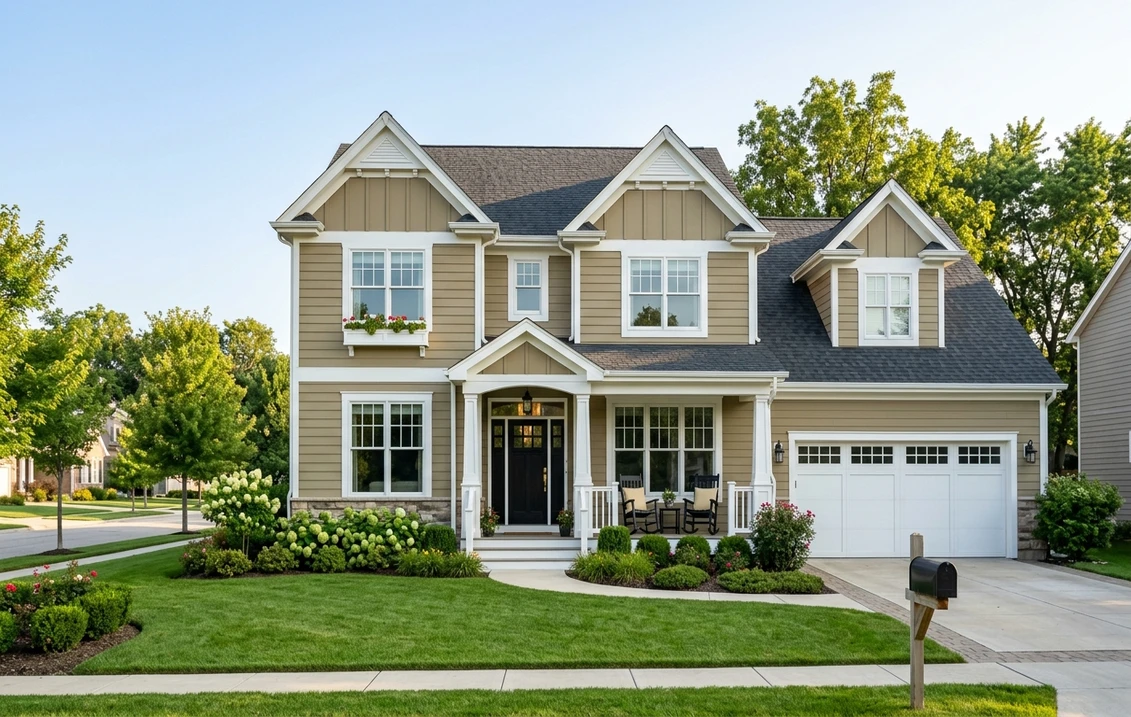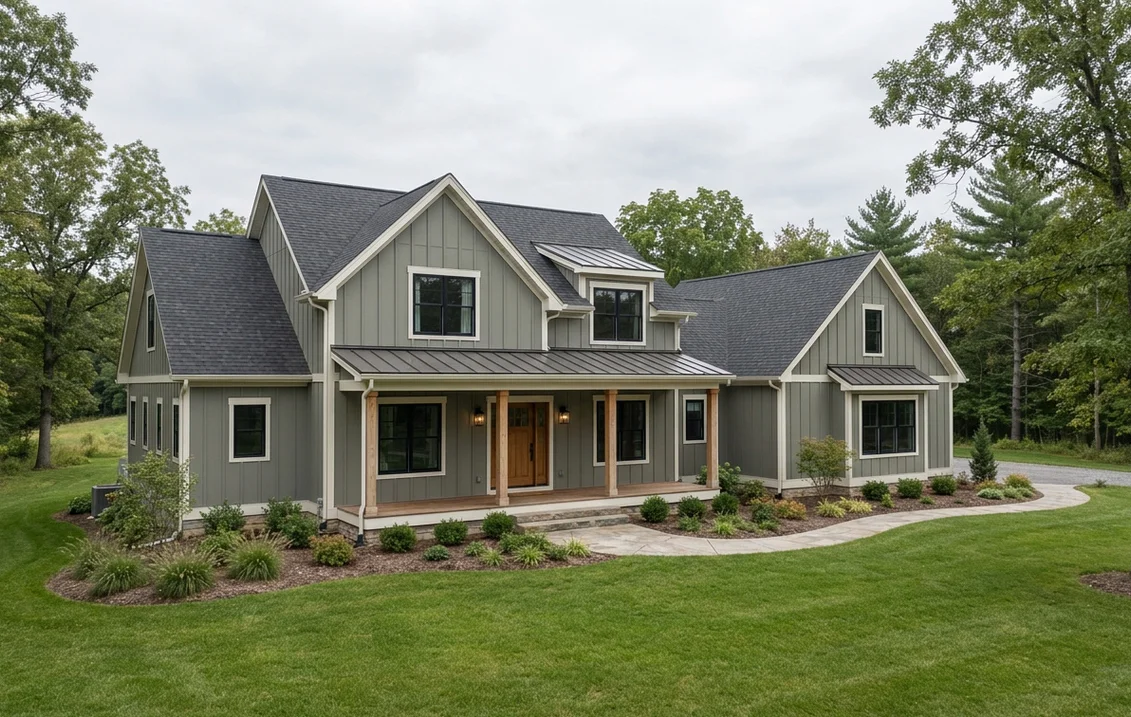

Sherwin-Williams Illusive Green (SW 9164) is a muted mid-dark gray-green that lives up to its name: on the chip it looks like a soft gray, on a house it shows a quiet green, and in shade it slips back to gray. Its Light Reflectance Value (LRV) is about 29 and its screen rendering is #92948D (RGB 146, 148, 141). Sherwin-Williams files it in its Neutral family. Outdoors it gives a calm, natural color that fits farmhouses, cottages and wooded lots, without the "trendy sage" look of brighter greens.
The code, LRV, color family, collection and the coordinating colors come from the official Sherwin-Williams Illusive Green SW 9164 page and the brand's public color data, read on 26/11/2026. Delta E 2000 distances to other colors are our own calculations from published screen values, and the exterior advice is our color reasoning, not a manufacturer statement. Gray-greens change with the light more than most colors, so test a large sample on the house first.
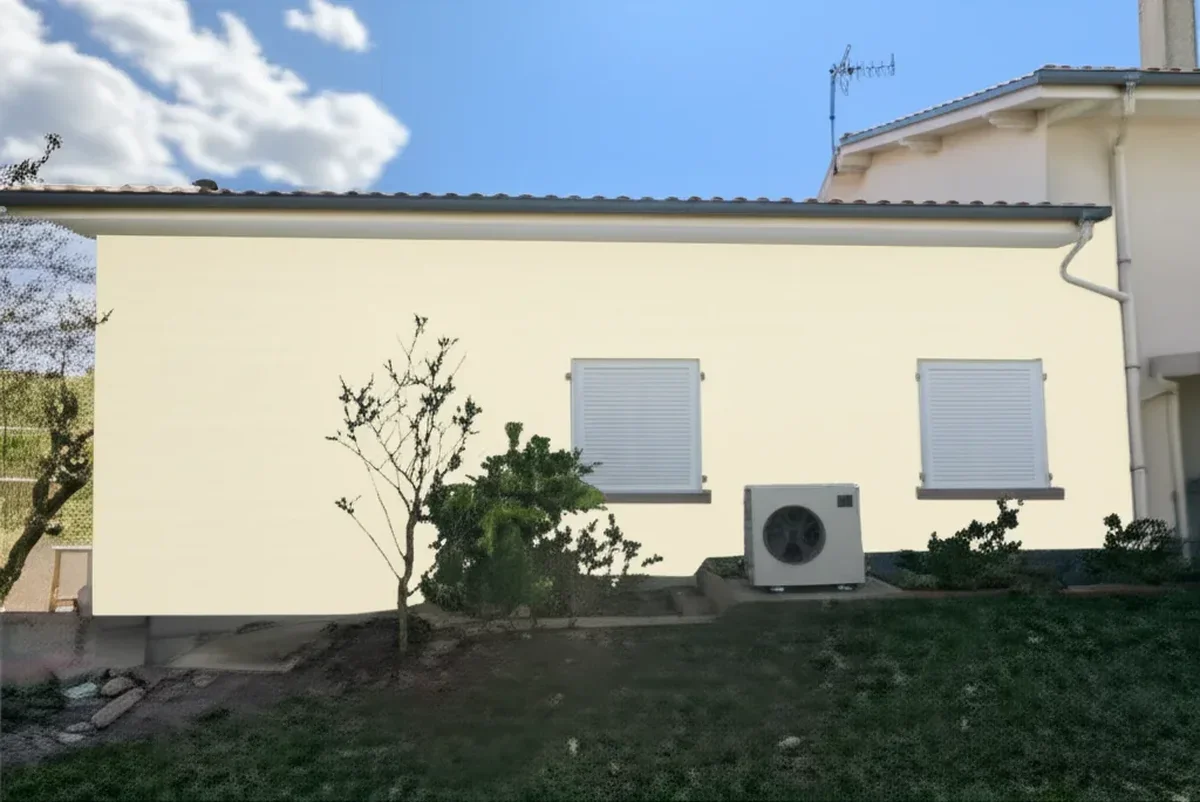
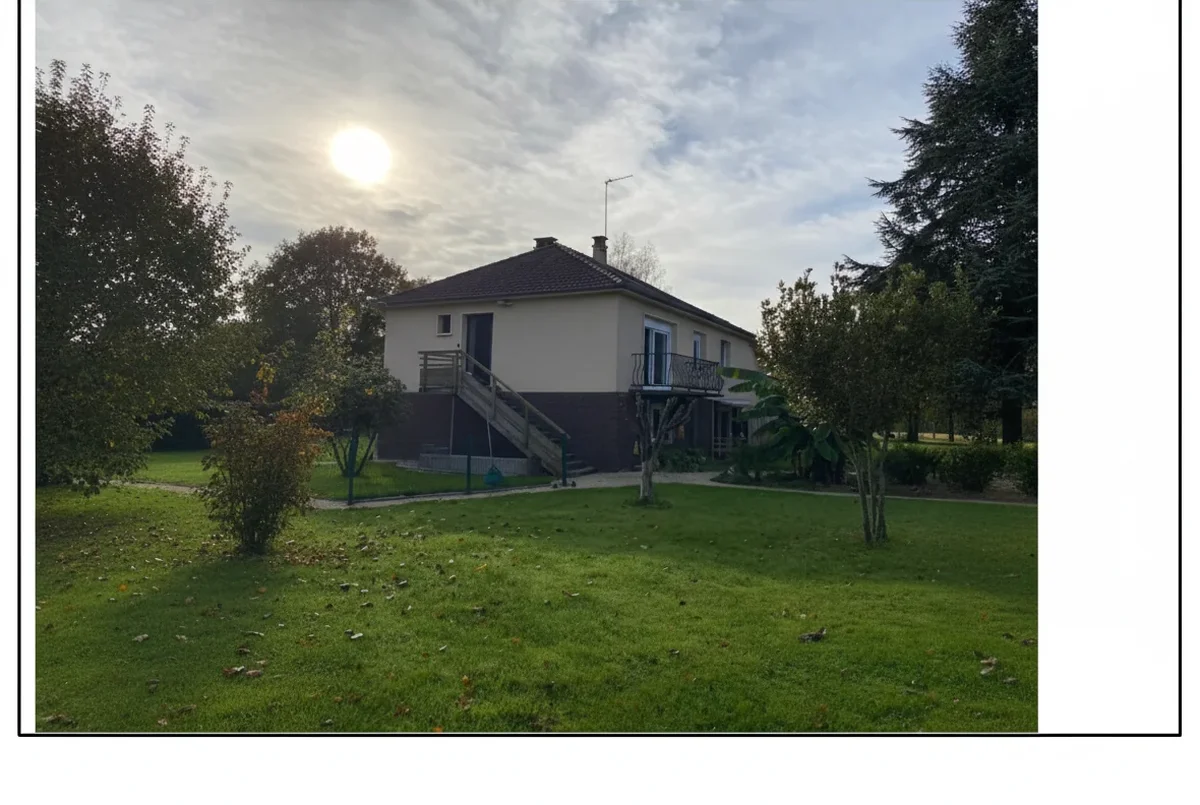
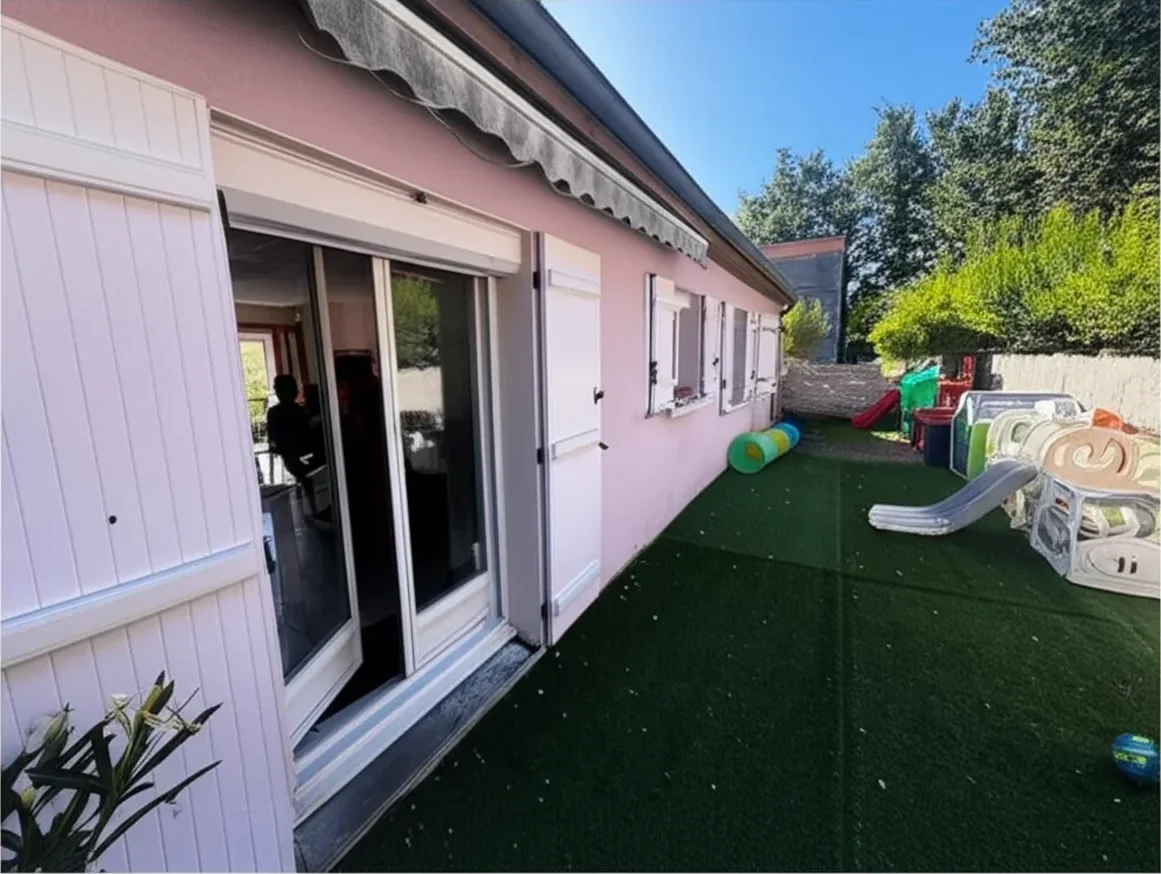
Upload a photo of your home and preview SW 9164 on the siding in seconds. More options on our exterior paint visualizer page.
What Sherwin-Williams publishes for SW 9164
| Attribute | Sherwin-Williams Illusive Green SW 9164 |
|---|---|
| Color name and code | Illusive Green, SW 9164 |
| Light Reflectance Value | About 29 (29.27 in the brand's data) |
| Screen hex and RGB (approximate) | #92948D (RGB 146, 148, 141) |
| Color family | Neutral |
| Collection | Nurturer |
| Use | Interior and exterior |
| Coordinating colors listed by Sherwin-Williams | Navajo White SW 6126 and Blonde SW 6128, with Reserved White SW 7056 as the white |
| Undertone reading (our analysis) | Gray with a soft green cast; very little yellow, no blue |
Try it on your house
- 1Your photoPhoto
- 2Your colorColor
- 3HD render in ~30 sHD render in ~30 s
Your photo is used only to create your preview. JPG, PNG, HEIC (iPhone)
LRV measures how much visible light a color reflects, from 0 (black) to 100 (perfect white). At about 29, Illusive Green is a mid-dark color: clearly deeper than the popular light sages, lighter than charcoals and forest greens. Outdoors, sunlight lifts it, so on a sunny facade it often looks like a mid-tone. In shade or on a cloudy day it looks closer to its real depth. This balance is what makes it useful on houses: it has enough body to look like a real color, but it does not make a house feel heavy.
Why it looks gray on the chip and green on the house
The screen values are close together: red 146, green 148, blue 141. Green leads by a hair and blue trails by a few points. On a small chip, that reads as a neutral gray. On a large wall, the eye has more surface to pick up the tiny green lead, and outdoor light adds its own green from lawns and trees. The result is a color that changes character with its surroundings, which explains both its name and the very different photos you find online.
It also explains why Illusive Green is often compared with Evergreen Fog, Sherwin-Williams' 2022 Color of the Year. The two have almost the same depth, but Evergreen Fog has a little more yellow, so it reads more clearly as sage. Illusive Green is the cooler, grayer of the two. Our Evergreen Fog undertones guide describes that warmer option, and the Evergreen Fog vs October Mist comparison places it among other gray-greens.
Sun, shade and facade orientation
| Facade exposure | How Illusive Green tends to look | What to plan for |
|---|---|---|
| South-facing front | A lighter, clearly green-gray for most of the day | Its most "green" version; check that it does not look washed out at noon |
| North-facing front | A cool, slate-like gray | The green almost disappears; a creamy trim keeps it warm |
| East-facing front | Fresh green-gray in the morning, flatter gray later | Judge the sample at the hours you see the house most |
| West-facing front | Gray at midday, warmer and slightly olive at sunset | Evening light flatters it; good with wood accents |
| Wooded lot | Reflected leaf light pulls it strongly toward green | Lovely in nature; under dense shade it looks darker than the chip |
Siding profile changes the result too. Lap siding and shingles cast a thin shadow under each board, which deepens the color and makes it look grayer. Board and batten does the same in vertical lines, and gives a farmhouse look that suits Illusive Green well. Smooth stucco and panels show the color most faithfully. If your siding is textured, compare your sample with a painted scrap of the same material.
Illusive Green next to Tin Lizzie, Cornwall Slate, Evergreen Fog and Rainstorm
Several colors sit very close to SW 9164. We calculated the Delta E 2000 distance from published screen values. Below about 1, two colors are very hard to tell apart; between 1 and 2 the difference shows side by side; between 2 and 5 it shows on a wall; above 5 most people see a different color.
| Color | Screen hex | LRV | Delta E 2000 to SW 9164 (our calc.) | How it differs |
|---|---|---|---|---|
| SW 9164 Illusive Green (reference) | #92948D | about 29 | 0 | Muted gray-green |
| SW 9163 Tin Lizzie | #939591 | about 30 | 1.60 | The closest SW color: a touch grayer and cooler |
| BM CSP-50 Rainstorm | #939692 | luminance about 31 (calc.) | 1.67 | The closest Benjamin Moore color we measured, slightly cooler |
| SW 9131 Cornwall Slate | #949488 | about 29 | 2.39 | Same depth, a little warmer and more khaki |
| SW 7660 Earl Grey | #969A96 | about 32 | 2.52 | Slightly lighter and cooler, a hint of blue-green |
| SW 9130 Evergreen Fog | #95978A | about 30 | 2.91 | Same depth, more yellow: a clearer sage |
| BM 1475 Graystone | #99958C | luminance about 31 (calc.) | 3.20 | Warmer, more taupe |
| SW 7024 Functional Gray | #ABA39A | about 37 | 7.43 | Lighter and warmer, no green |
| SW 6185 Escape Gray | #ABAC9F | about 41 | 7.79 | One step lighter, warmer sage-gray |
| SW 6186 Dried Thyme | #7B8070 | about 21 | 8.90 | Deeper and greener: a good door or shutter color |
The table answers the most common question. If you want Illusive Green but grayer, Tin Lizzie is the next sample; if you want a cross-brand option, Benjamin Moore Rainstorm is the closest we found; if you want more sage, Evergreen Fog is the step to take. If you find Illusive Green too dark once it is up, look one step lighter at Escape Gray SW 6185 on a house, which keeps a sage cast at an LRV near 41. For the broader family of greens on houses, our sage green exterior paint guide lines up the options from pale to deep.
Trim, door and roof pairings
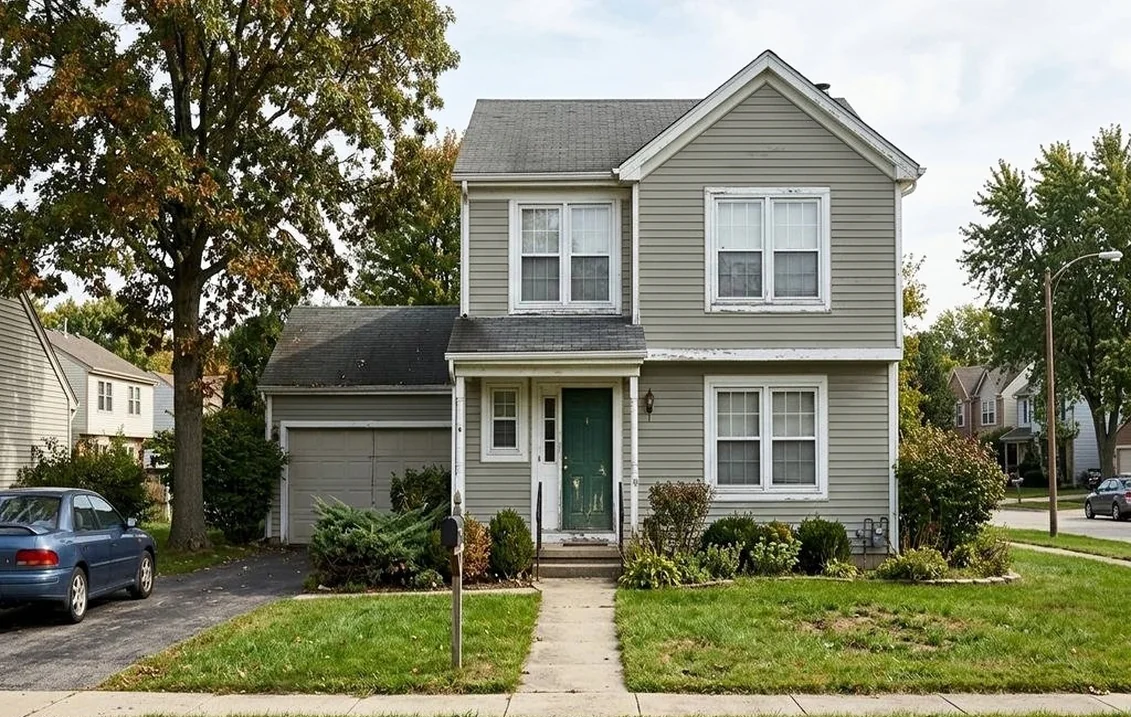
Sherwin-Williams pairs Illusive Green with warm partners: Navajo White SW 6126, a creamy off-white near LRV 72, Blonde SW 6128, a soft golden beige near 54, and Reserved White SW 7056 as its white. That choice is telling. A cool gray-green looks best when warm colors surround it; a stark blue-white makes it look colder and flatter.
| Element | Pairing with SW 9164 | Result |
|---|---|---|
| Trim (warm) | Navajo White SW 6126 | A coordinating cream from the brand: soft, friendly contrast |
| Trim (clean) | Reserved White SW 7056 | The brand's coordinating white: fresher, still not stark |
| Accent | Blonde SW 6128 on a porch ceiling, door or window sash | Adds warmth; very cottage |
| Front door | Natural or stained wood, black, or Dried Thyme SW 6186 | Wood warms the scheme; black adds a modern edge |
| Shutters | Iron Ore SW 7069 or a deep bronze | Dark anchors that keep the body calm |
| Roof | Charcoal shingles, black or dark bronze metal, weathered cedar | Charcoal is the safest; wood shingles push it toward a cabin look |
| Stone and brick | Gray fieldstone, limestone, or a muted brick | Cool stones blend in; very orange brick can fight with the green |
If your windows are white vinyl, hold a sample of Illusive Green against them in daylight. A cool factory white can look a little blue against the gray-green; in that case paint the wood trim in Navajo White and let the windows read as a separate element. For a complete scheme with a green body, crisp trim and a dark door, see our sage green house with white trim and a black door.
House styles that suit Illusive Green
- Modern farmhouses: board and batten, black windows and a warm wood door give a softer alternative to the usual white farmhouse.
- Cottages and Cape Cods: with Navajo White trim and a stained door, it looks like old painted wood rather than a trend color.
- Cabins and wooded lots: it blends into the trees and turns greener in summer.
- Ranch houses: a mid-dark body gives a low house more presence without looking heavy.
- Craftsman bungalows: pair it with a cream trim and a deeper door; see our craftsman exterior colors for the period palette.
- Less suitable: a house in deep, all-day shade, where it reads as a flat dark gray, or a neighborhood of bright whites where it may look gloomy.
Preparation and paint
A mid-dark color like Illusive Green shows uneven coverage, lap marks and patches of old primer more than a white does, so plan two full coats over a clean, sound surface. Sherwin-Williams presents Emerald Exterior Acrylic Latex as its top exterior line; its product page and data sheet list coverage, application temperatures and sheens. Satin is the usual siding sheen because it sheds dirt and still hides minor flaws.
- Clean and repair. Wash off dirt and mildew, replace rotten boards and caulk gaps before painting.
- Use a tinted primer over bare wood or a much lighter old color; it helps the topcoat cover evenly.
- Watch the heat. Mid-dark colors absorb more sun than light ones; vinyl siding needs a vinyl-safe formula and the siding maker's approval.
- Paint out of direct sun and keep a wet edge to avoid lap marks.
If the house was built before 1978, old paint may contain lead. The US Environmental Protection Agency's Renovation, Repair and Painting program requires contractors who disturb paint in pre-1978 homes to be certified and to follow lead-safe practices. Ask your painter about certification before scraping or sanding.
Three exterior schemes with Illusive Green
| Scheme | Body | Trim | Door and accents | Roof |
|---|---|---|---|---|
| Warm cottage | Illusive Green SW 9164 | Navajo White SW 6126 | Blonde SW 6128 porch ceiling, stained oak door | Charcoal shingles |
| Modern farmhouse | Illusive Green SW 9164 | Reserved White SW 7056 | Black door and window frames | Black standing-seam metal |
| Forest cabin | Illusive Green SW 9164 | Navajo White SW 6126 | Dried Thyme SW 6186 door, copper lanterns | Weathered cedar shingles |
For the brand's wider exterior range, start with our Sherwin-Williams exterior paint guide.
How to test Illusive Green outside
- Paint large boards. Two coats on at least 2 by 2 feet; a chip will look gray, a board shows the green.
- Test in sun and in shade, and next to your lawn or a tree line if you have one.
- Add a neighbor. Put Tin Lizzie (grayer) and Evergreen Fog (more sage) beside it to see which way you lean.
- Hold the trim color next to it. Compare Navajo White and Reserved White with your existing windows.
- Look from the street at different times of day, 30 to 50 feet away.
Can you use Illusive Green indoors too?
Yes. Sherwin-Williams lists SW 9164 for both interior and exterior use, and many people who like it on the house want to carry it inside, on a front door seen from the hall, on kitchen cabinets or in a mudroom. Indoors, the green side is quieter than outdoors because there is no lawn or foliage to reflect. In a north-facing room it reads close to a soft slate gray; in a south-facing room the green shows more. With an LRV near 29 it is a mid-dark wall color, so it works best in rooms with decent daylight or as a cabinet and built-in color next to lighter walls. For interior gray-greens with more sage, compare it with Evergreen Fog before deciding.
Preview Illusive Green on your own house
With a color that changes as much as Illusive Green, a chip and a hex code are not enough. Upload a photo of your house and the visualizer shows SW 9164 on the siding, so you can see whether it reads green or gray on your facade and compare it with Tin Lizzie or Evergreen Fog before buying samples.
If you like the depth of Illusive Green but want no green at all, Functional Gray SW 7024 is a warmer, slightly lighter gray at an LRV of about 37.
One step lighter than Illusive Green, with a warmer khaki side, sits Rare Gray SW 6199 (LRV about 38).
Sources and references
- Sherwin-Williams, Illusive Green SW 9164: code, LRV, screen rendering, color family, collection, coordinating colors (read 26/11/2026).
- Sherwin-Williams, Tin Lizzie SW 9163 and Evergreen Fog SW 9130: official pages of the nearest colors compared.
- Sherwin-Williams, Emerald Exterior Acrylic Latex: product page and data sheet of the brand's premium exterior line.
- Benjamin Moore, Rainstorm CSP-50: official page of the closest Benjamin Moore color by our calculation.
- US Environmental Protection Agency, Lead Renovation, Repair and Painting Program: rules for disturbing paint in homes built before 1978.
Frequently asked questions
Is Illusive Green SW 9164 green or gray?
What is the LRV of Illusive Green?
What trim color goes with Illusive Green?
What is the difference between Illusive Green and Evergreen Fog?
What is the Benjamin Moore equivalent of Illusive Green?
Trademarks mentioned (Sherwin-Williams, Benjamin Moore, Behr, Caparol, Brillux, Sto, Alpina, Valspar, PPG, Glidden, Dulux, Crown Trade, Sandtex, Farrow & Ball, Johnstone's, Leyland) are property of their respective owners. FacadeColorizer is independent and not affiliated with any of them. Nominative fair use under Lanham Act §1125.