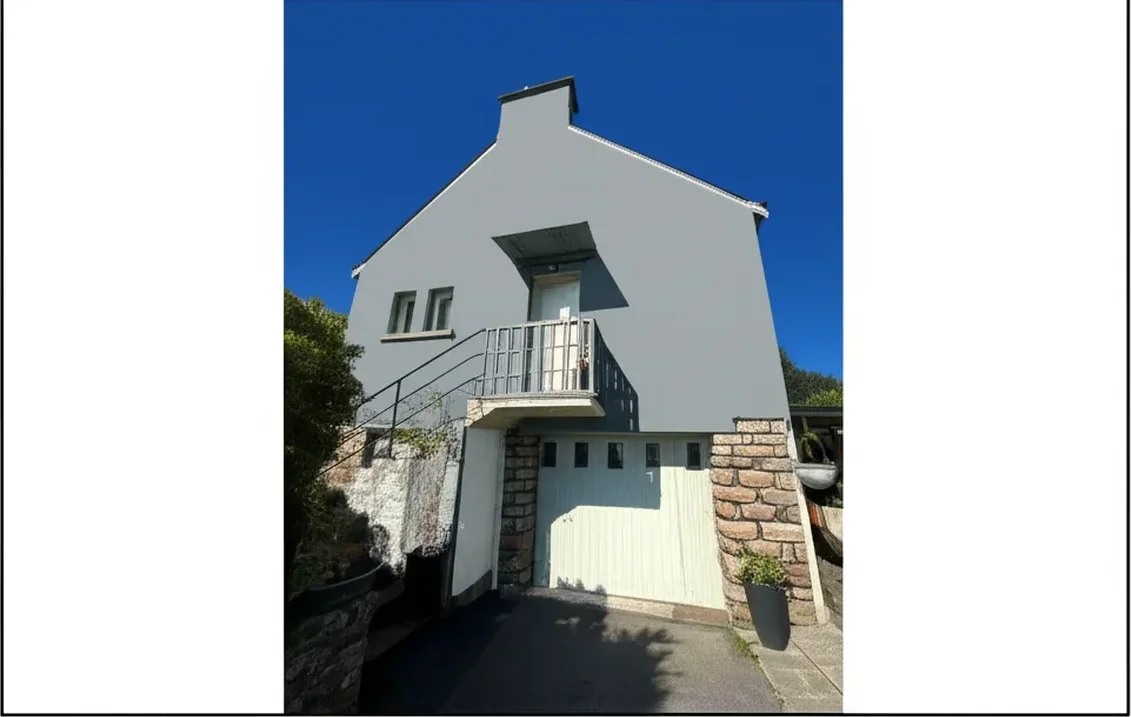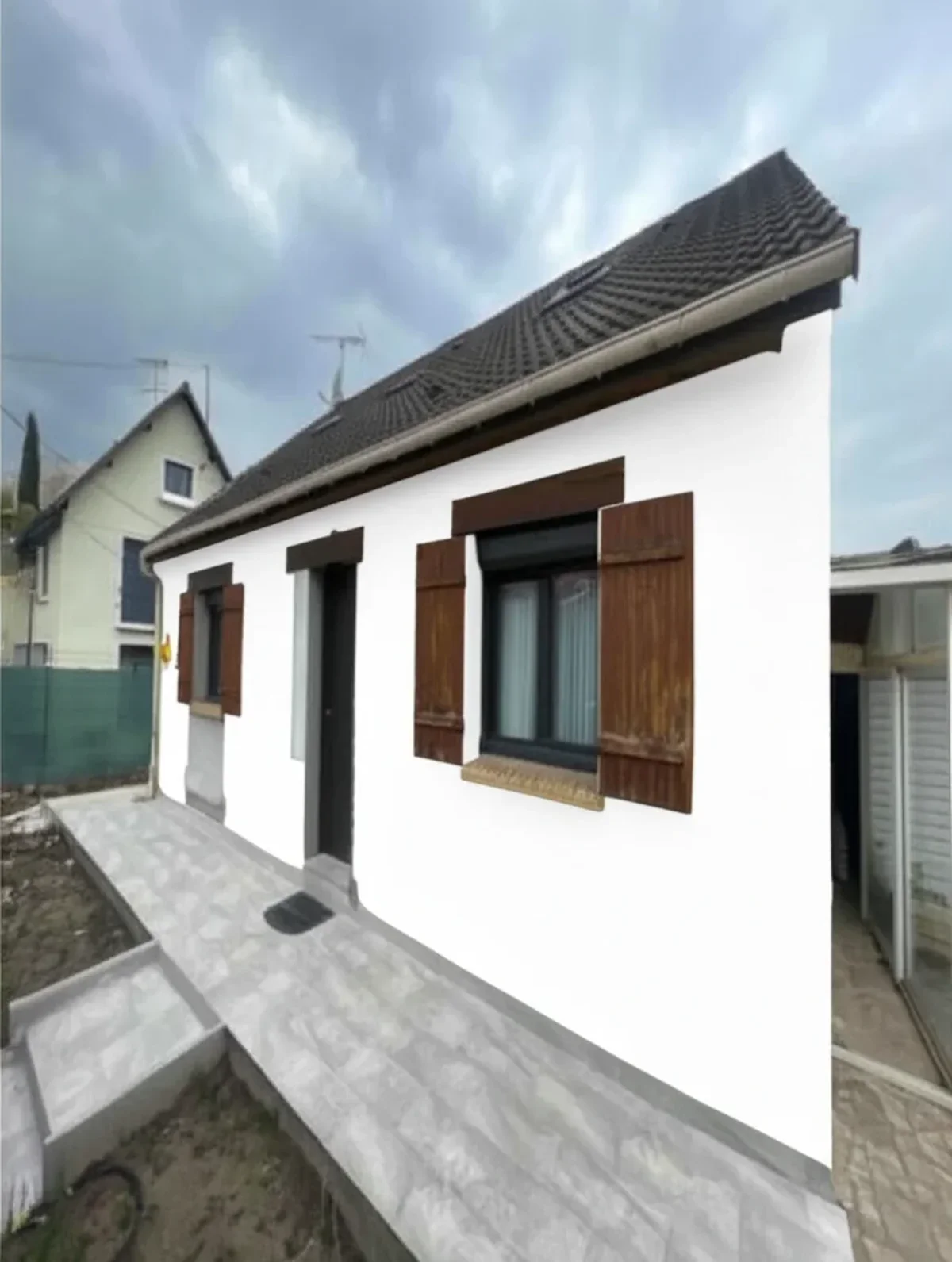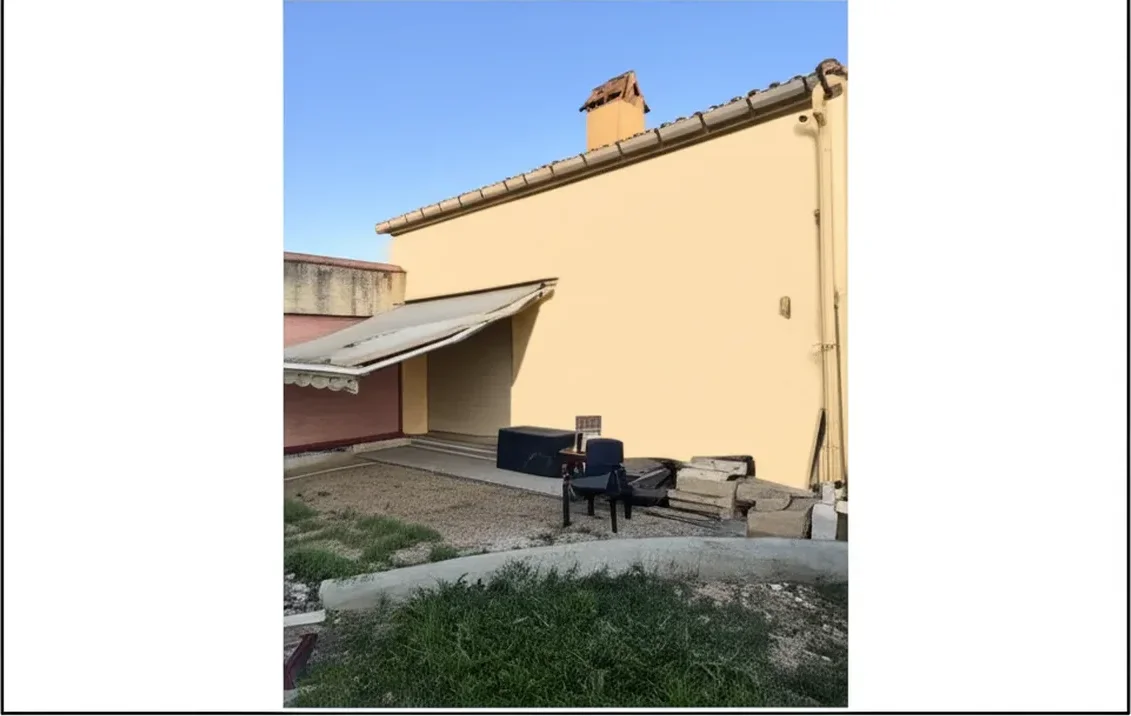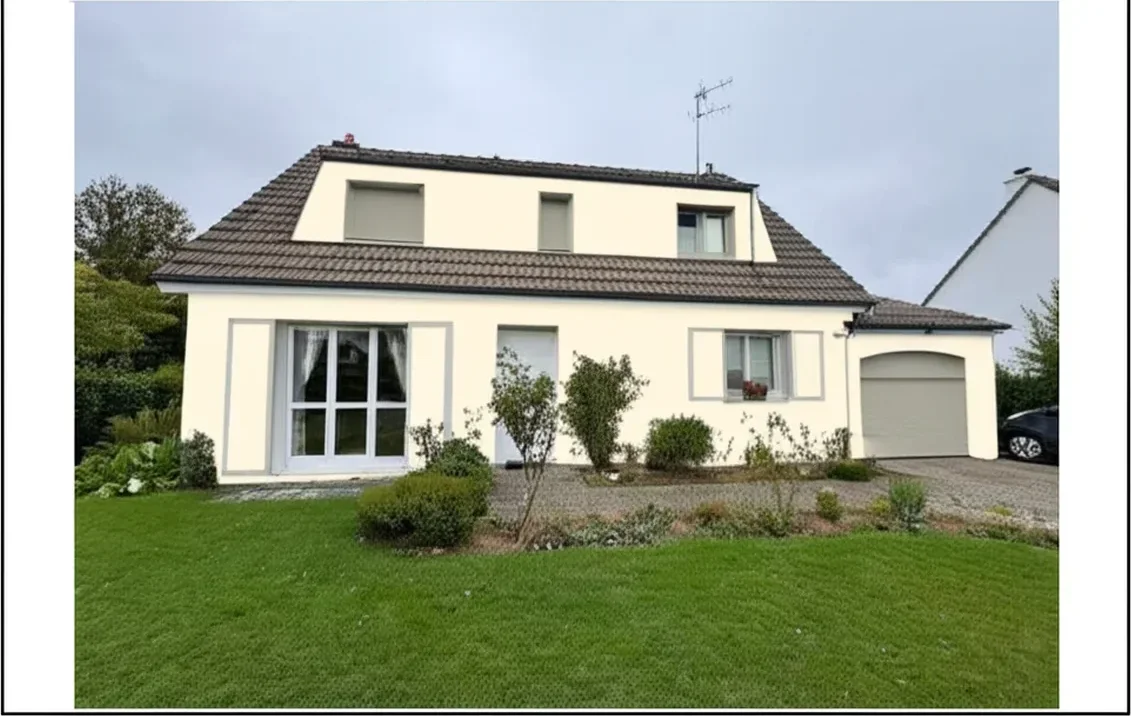
Try it on your house

Masonry primer is the unsung hero of any successful exterior repaint in the UK, and getting it wrong is by far the most common cause of premature topcoat failure on render, pebbledash and external brickwork. Across 16,983 previews on FacadeColorizer, masonry primer paint queries from London, Manchester, Birmingham, Leeds, Bristol and Edinburgh now sit in the top ten exterior preparation categories, with British homeowners asking how to bind chalky render, neutralise alkali bloom on new lime plaster and stabilise a dusty Victorian elevation before a single tin of topcoat is opened. This guide compares the masonry primer products that British decorators actually specify, gives realistic GBP prices from B&Q Trade Point, Wickes, Screwfix and Homebase, decodes the BS EN 1062 and BS 7079 surface preparation standards, and explains when a stabilising primer is the right answer and when you need to step up to a high-build alkali-resistant base coat instead.
What masonry primer paint actually does on UK render and brick
Masonry primer paint is a thin penetrating coating designed to bind loose dust, lock down friable substrate, even out porosity and create a uniform key for the topcoat above. Unlike interior emulsion primers covered under BS EN 13300, exterior masonry primers must also resist driving rain, freeze-thaw cycling, UV degradation and the alkaline salts that migrate out of fresh render, mortar and lime-based substrates. In British conditions, where annual rainfall ranges from 600 mm in the South East to 1,800 mm in the Lake District and West Highlands, that protective brief is non-negotiable.
There are three masonry primer types you will see on UK shelves: solvent-borne stabilising solutions (sometimes still called stabilising primer), water-based acrylic primer-sealers and high-build alkali-resistant masonry primers. Each has a different job. Stabilising solutions soak deep into chalky, powdery render and bind it from the inside out. Acrylic primer-sealers seal porous concrete render, sand-cement and brickwork without changing breathability. High-build alkali-resistant primers are used on new render less than six months old, or where efflorescence (white salt bloom) keeps returning.
The rule of thumb British trade decorators use is simple: if the substrate dusts off on your fingertip, you need a stabilising solution. If a water droplet absorbs in under five seconds, you need a sealer-primer. If you can still smell ammonia or see white crystalline bloom, you need an alkali-resistant base coat and you should wait another four to eight weeks before any colour goes on top.
BS EN 1062 and BS 7079 standards for masonry primer paint
UK masonry coatings are governed by two main British and European standards. BS EN 1062 covers the performance of exterior masonry coatings, classifying them across permeability to water (W class), permeability to water vapour (V class), crack-bridging (A class), film thickness (E class) and gloss (G class). The classes that matter for a masonry primer are V1 to V3 (vapour-open is V1, vapour-tight is V3) and W3 (low water permeability). A correctly specified primer keeps the wall breathing while shedding driving rain.
BS 7079, the British surface preparation standard, sets out the cleanliness grades expected before any coating is applied: SA 2.5 for blast-cleaned metalwork, P Sa 2 for power tool cleaning, and equivalent visual standards for masonry. For your render or brickwork the practical interpretation is straightforward: no loose material, no organic growth, no laitance, no efflorescence, dry below 18% moisture content. The official Health and Safety Executive guidance for working at height during this prep work is published at hse.gov.uk.
Always verify the BS EN 1062 V and W class printed on the tin before purchase. Sandtex 365 stabilising solution, Dulux Weathershield Stabilising Primer, Crown Trade Stabilising Solution and Johnstone Trade Stormshield Stabilising Primer all carry full BS EN 1062 declarations on the technical data sheet, which is the document professional decorators ask for before they will quote.
Six best masonry primer paint products UK 2026 compared (GBP prices)
Prices and coverage figures below were verified in May 2026 at B&Q Trade Point, Wickes, Screwfix and Homebase, plus direct trade pricing from Dulux and Sandtex. Coverage is the manufacturer's stated figure for sound, prepared render; expect 30 to 50% lower coverage on heavily textured pebbledash, rough cast or unfilled brickwork. All products listed meet the relevant BS EN 1062 sub-classes and carry full COSHH technical data sheets for trade application.
| Masonry primer product | Best for | Coverage (m2/L) | Price 5 L (GBP) | BS EN 1062 class | Where to buy |
|---|---|---|---|---|---|
| Sandtex 365 Stabilising Solution | Chalky render, dusty Victorian elevations | 8 to 12 | 22 to 30 | V2 / W3 | B&Q, Wickes |
| Dulux Weathershield Stabilising Primer | Powdery sand-cement render, pebbledash | 6 to 10 | 28 to 36 | V2 / W3 | B&Q Trade Point, Homebase |
| Crown Trade Stabilising Solution | Trade contracts, social housing repaints | 8 to 10 | 24 to 32 | V2 / W3 | Screwfix, Crown Decorating Centre |
| Johnstone Trade Stormshield Primer | Coastal homes, driving rain exposure | 7 to 10 | 26 to 34 | V2 / W3 | Johnstone Decorating Centre, Screwfix |
| Leyland Trade Acrylic Primer-Sealer | Budget social housing, new build estates | 10 to 14 | 18 to 24 | V2 | Leyland Decorating Centre |
| Zinsser Peel Stop Triple Thick | Heavily flaking older paintwork | 3 to 5 | 32 to 38 | V3 | Screwfix, B&Q |
Try it on your house
No photo? Try a sample
For typical UK semi-detached houses with around 90 m2 of paintable elevation, expect to need two 5 L tins of stabilising solution for a single coat, with a second pass on the worst-affected gable end. Total primer outlay for a three-bedroom semi sits between 45 and 75 GBP across the trade brands above.
Preview your topcoat colour on a primed wall before you commit to 75 GBP of stabilising solution.
FacadeColorizer renders Sandtex, Dulux Weathershield, Crown Trade and Johnstone shades onto a photo of your own brick, render or pebbledash so you can confirm the look on your real elevation before booking a decorator.
Try the free UK colour visualiserWhich masonry primer for render, brick or pebbledash?
The substrate dictates the primer, not the brand. The decision tree below covers the typical UK exterior wall types you will encounter on Victorian terraces in Manchester, 1930s semis in Birmingham, post-war pebbledash in Leeds and modern monocouche render on new build estates in Bristol and around the M25.
| Substrate | Recommended masonry primer | Coats | Drying time | Common UK location |
|---|---|---|---|---|
| Sand-cement render, sound | Acrylic primer-sealer | 1 | 4 hours | 1970s semis, Manchester, Leeds |
| Sand-cement render, chalky | Solvent stabilising solution | 1 to 2 | 16 to 24 hours | Pre-1939 stock, London terraces |
| Pebbledash | High-build acrylic primer | 2 | 6 hours | 1930s semis, Birmingham, Bristol |
| Monocouche render, less than 6 months old | Alkali-resistant primer | 1 | 12 hours | New build estates UK-wide |
| Facing brick, sound | Acrylic primer-sealer (thinned 10%) | 1 | 4 hours | Post-war estates, Edinburgh |
| Lime render or limewash | Mineral silicate primer only | 1 to 2 | 24 hours | Listed Buildings, Cotswolds |
For lime render and limewash on Listed or Conservation Area properties, never use a solvent stabilising solution. It bridges the breathability the lime depends on and traps moisture in the wall, leading to spalling on the next freeze-thaw cycle. The Society for the Protection of Ancient Buildings publishes clear practical guidance for historic substrates, and any work to a Listed Building needs Listed Building Consent under the Planning (Listed Buildings and Conservation Areas) Act 1990. Read the official guidance at planningportal.co.uk before you order primer.
How to apply masonry primer paint correctly in UK conditions
Application looks straightforward but small errors compound. The British climate gives you a narrow window: surface dry, ambient temperature above 8 degrees Celsius, no rain in the next 12 hours, no fog or dew expected overnight, and a relative humidity below 80%. Met Office postcode-level forecasts at metoffice.gov.uk are the trade standard reference for picking a window. The realistic UK painting season runs April to early October, with August and September the most reliable.
Brush, roller and spray all work, but stabilising solutions are best applied by 4 inch synthetic brush worked across the substrate in two directions to drive the binder deep into the chalky surface. For pebbledash and rough cast, a 12 mm long pile masonry roller is faster but uses 30% more product. Spray application (HVLP or airless) is appropriate only on uniform large elevations such as gable ends and detached houses; on terraces or where neighbours can be affected, overspray makes spray application impractical. Always work top down, complete one elevation at a time, and never stop mid-wall, otherwise the join shows up as a sheen difference once the topcoat goes on.
The word synthetic in that first sentence is doing real work. Water-based and water-thinned stabilisers swell natural bristle within an hour, and a splayed brush stops driving binder in and starts dragging it across the surface. Filament stiffness then follows the substrate: smooth render takes a standard block, while pebbledash pockets 4 to 6 mm deep need a noticeably stiffer filament or the primer bridges the hollows instead of soaking into them. Our comparison of the best masonry paint brush for pebbledash sets out which UK blocks hold that stiffness through a full elevation.
The three most common failure modes British decorators see in 2026 are: applying solvent stabilising solution over old masonry paint (creates a soft, gummy layer that fails on the next freeze), priming when the substrate is over 18% moisture (entrapped water blows the topcoat within one winter), and skipping the manufacturer's stated overcoat window (the primer skins, then the topcoat does not key properly). A moisture meter from Screwfix at around 30 GBP pays for itself on the first job.
Alkali-resistant masonry primer for new render and new build
Some topcoats carry their own alkali claim, which is what Dulux's Alkali Guard wording on Weathershield means; the others need the stabilising primer under them on new render. Which topcoats claim what is set out in our guide to UK masonry paint brands.
New build estates across the UK use cement-based monocouche render or thin-coat polymer-modified render that is highly alkaline (pH 12 to 13) for the first six months. Standard masonry paint applied directly will saponify within the first winter, going chalky, washing off in driving rain and showing pin-prick efflorescence (saponification bloom). The fix is an alkali-resistant masonry primer, which neutralises the surface chemistry and locks the binder before any colour goes on.
Sandtex Alkali-Resistant Primer, Dulux Trade Alkali Resisting Primer and Crown Trade Alkali Resistant Primer are the three trade standards used by most NHBC-registered decorators across England, Wales, Scotland and Northern Ireland. Expect 26 to 35 GBP per 5 L from a Crown Decorating Centre or Johnstone Trade depot. Coverage is around 8 m2 per litre on a smooth render, with a 12 hour minimum recoat window.
If the render is less than four weeks old, do not paint at all. Even with alkali-resistant primer, the substrate needs time to carbonate (the free lime needs to react with atmospheric CO2 to drop the pH below 11). NHBC-registered developers usually warranty the render surface only after six months of weathering, which is why most reputable trade decorators refuse first-coat work on a brand new render until the spring after handover.
Masonry primer paint vs masonry paint vs stabilising solution: the differences
These three terms are used interchangeably on B&Q, Wickes and Homebase shelves, but they are different products and they do different jobs. A masonry primer is a thin penetrating coating designed to bind dust and provide a sealed, even base. A masonry paint is a thicker decorative topcoat designed to deliver colour, weather resistance and a finish. A stabilising solution is a sub-category of masonry primer, usually solvent-borne with a deeper acrylic or alkyd resin that penetrates further than a water-based primer.
For a fuller comparison of UK masonry paints themselves see our guide to brick paint UK 2026 and the best paint for pebbledash walls UK. For conservation rules that govern when you can paint historic brick at all, see our conservation area painting rules and the related damp-proof exterior paint UK guide. For colour selection across the most common British house styles, the best exterior paint colours UK 2026 guide covers Dulux, Sandtex and Farrow & Ball palettes.
The simplest mental model is plumbing: the primer is the pipework, the topcoat is the tap, the stabilising solution is the descaler you use when the pipework is corroded. Skip the descaler when needed and the whole system fails sooner than it should. Skip the stabilising solution on a chalky Victorian elevation in Liverpool, Glasgow or Newcastle and your topcoat will peel within 18 months no matter what you spend on Dulux Weathershield, Crown Clean Extreme or Farrow & Ball Exterior Masonry.
Total UK 2026 cost: masonry primer plus topcoat for a typical semi
For a typical three-bedroom UK semi with around 90 m2 of paintable elevation (front, rear and one gable) the realistic 2026 cost breakdown sits as follows: stabilising primer at 45 to 75 GBP, two coats of premium masonry topcoat at 280 to 380 GBP, sundries (brushes, rollers, masking, sheets) at 60 to 100 GBP, scaffolding hire for a two-storey property at 600 to 950 GBP for two weeks, and decorator labour at 1,400 to 2,200 GBP. Total DIY supply cost runs 985 to 1,505 GBP, and full trade quotes typically come in between 3,200 and 4,800 GBP depending on region (Greater London quotes 25 to 40% higher than the North East or Yorkshire).
The primer is the smallest line item but the most consequential. Saving 30 GBP by skipping it can cost 2,800 GBP eight years sooner because the topcoat fails and the whole job has to be redone. For consumer guidance on dealing with substandard decorating work, the official UK consumer rights portal is citizensadvice.org.uk, which lists the Consumer Rights Act 2015 protections that apply when a paint job fails within the 6 year limitation period.
Compared to US Sherwin-Williams or Benjamin Moore equivalents, UK trade masonry primers are typically 10 to 20% cheaper per litre but cover slightly less surface area per coat (UK substrates are more textured on average), so the per-square-metre cost ends up broadly similar.
Stop second-guessing the topcoat colour over your fresh primer coat.
Upload a photo of your render, pebbledash or brick, preview Sandtex 365, Dulux Weathershield, Crown Trade and Farrow & Ball Exterior on your actual elevation, then take the swatch to your nearest B&Q, Wickes or Crown Decorating Centre.
Open the free UK colour visualiserMasonry primer paint UK 2026 verdict
Masonry primer paint is the single highest-leverage 30 GBP of any UK exterior repaint, and getting it right protects every other pound you spend on Sandtex, Dulux Weathershield, Crown Trade or Farrow & Ball topcoat above. For chalky Victorian render, choose a solvent-borne stabilising solution rated BS EN 1062 V2/W3. For new render less than six months old, step up to an alkali-resistant base coat from Sandtex, Dulux Trade, Crown Trade or Johnstone Trade. For sound modern render, an acrylic primer-sealer is usually enough. Always verify the BS EN 1062 class on the tin, always check moisture content below 18%, always work within a 12 hour rain-free Met Office window, and always preview your final topcoat colour against the primer on your real elevation before you commit.
Frequently asked questions
What is masonry primer paint used for in the UK?
How much does masonry primer paint cost in the UK in 2026?
Do I need masonry primer before painting render or brick in the UK?
What is the difference between masonry primer and stabilising solution?
Can I use masonry primer on a Listed Building or Conservation Area property?
Which masonry primer is best for new render in the UK?
How long does masonry primer take to dry in UK weather?
Trademarks mentioned (Sherwin-Williams, Benjamin Moore, Behr, Caparol, Brillux, Sto, Alpina, Valspar, PPG, Glidden, Dulux, Crown Trade, Sandtex, Farrow & Ball, Johnstone's, Leyland) are property of their respective owners. FacadeColorizer is independent and not affiliated with any of them. Nominative fair use under Lanham Act §1125.