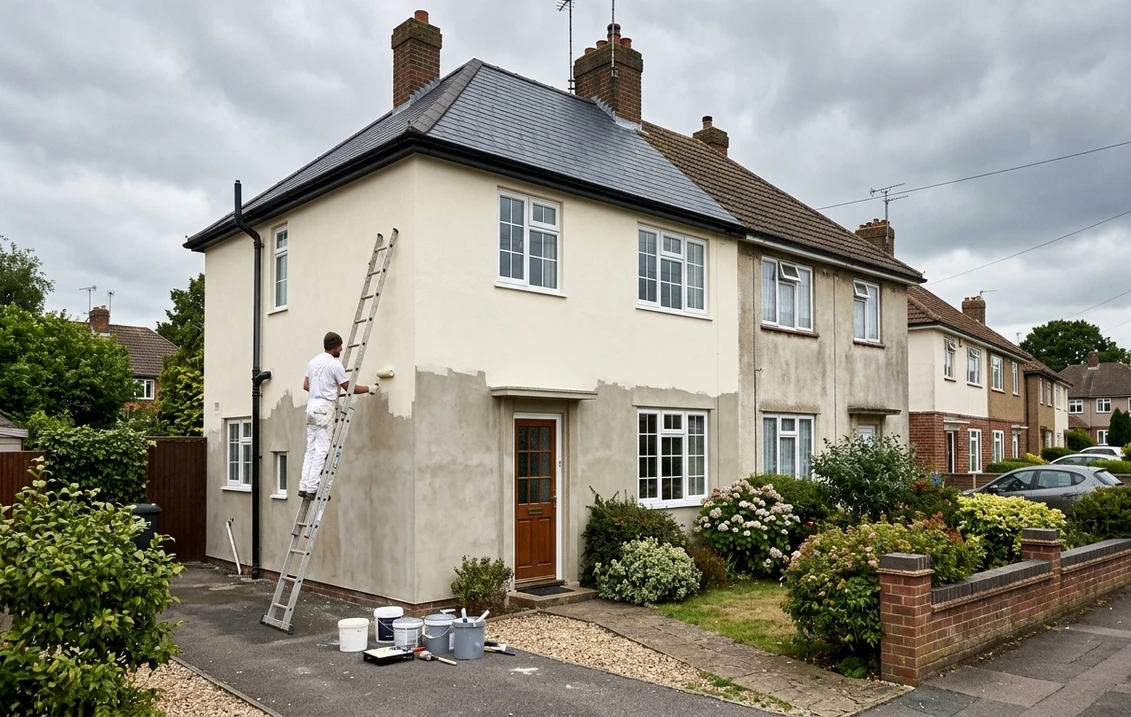
Try it on your house

There is no single best masonry paint for a British house, because render, pebbledash, old brick and a cracked garden wall each want a different product, and because the three claims that matter (years of protection, rain resistance, coverage) are only worth anything when they come from the manufacturer's own datasheet. This guide takes the brands a UK homeowner can actually buy, Sandtex, Dulux Weathershield, Johnstone's Stormshield, Leyland Granocryl, Bedec Extra-Flex and the seasonal Aldi tin, and puts them side by side on what their makers and retailers publish, then matches each to the wall it suits. It also covers the thing most guides skip: on a pre-1919 solid wall, the question is not which masonry paint but whether a modern masonry paint at all.
What a masonry paint has to do on a UK wall
Four jobs at once: shed wind-driven rain, let the moisture already in the wall escape as vapour, stay flexible as render warms and cools, and hold its colour under UV. The British Standard that classifies exterior masonry coatings on exactly these properties is BS EN 1062-1, "coating materials and coating systems for exterior masonry and concrete", which classes products by water vapour transmission, liquid water permeability and crack bridging. A datasheet that quotes its classes is telling you something measurable; a tin that only says "15 years" is telling you the marketing. On an old solid wall the vapour side of that equation is the one that matters, and it is where the cheap tin and the expensive one most often fail in the same way.
The brands, on their own datasheets
Sandtex Microseal Smooth Masonry is the decorator's default. Sandtex describes it on its product page as breathable, dirt resistant and resistant to mould and algae, with "15 years trusted durability", "rainproof in just 1 hour", coverage of 12 to 16 square metres per litre and a recoat time of 3 to 4 hours, in 45 ready-mixed colours from Brilliant White and Cornish Cream through Plymouth Grey and Slate Grey to Anthracite and Black. Dulux Weathershield Smooth Masonry is the all-rounder: the Dulux range page lists two coats, a four-hour drying time and fifteen years of protection, "Alkali Guard Technology" against salts from new render and anti-fade technology, and the colour-mixing version gives up to 15 square metres per litre and a 2 to 4 hour recoat, in any mixed colour. Johnstone's Trade Stormshield Smooth Masonry is the trade pick: retailer datasheets give "15+ years" of durability, rain resistance "after just 20 minutes", up to 17 square metres per litre, touch dry in an hour, recoat in 2 to 4 hours, application between 2 and 35 degrees and anti-carbonation protection, in Brilliant White and Black off the shelf and tinted to order otherwise (Next Day Paint, Stormshield Smooth Masonry).
Leyland Trade Granocryl Smooth Masonry is the budget trade option, listed by retailers such as The Range with "10 years of protection from weathering", a flexible film that resists flaking, about 10 square metres per litre, two coats, and advice not to apply below 10 degrees or when rain is imminent. Bedec Extra-Flex is the one that is not a paint in the usual sense: retailers describe it as a water-based, modified acrylic, flexible coating for roughcast, pebbledash, brickwork and render that "can bridge fine cracks", with stretch quoted at up to 400 percent, coverage of 9 to 11 square metres per litre, a 4 hour recoat and two to three coats (Brewers Decorator Centres, Bedec Extra-Flex Smooth Masonry 5 L, listed at £52.49 excluding VAT). Aldi masonry paint is a Specialbuy that appears in spring and early summer: a 2023 Aldi leaflet listed a 5 litre tin at £9.99 in white, grey or cream, "suitable for external use", and the tin publishes no BS EN 1062 class and no guarantee period; it is a garden-wall and outbuilding paint, not a front-elevation paint, and it is not stocked year-round.
| Product (published data) | Protection claimed | Rain resistance | Coverage | Colours | Best for |
|---|---|---|---|---|---|
| Sandtex Microseal Smooth | 15 years | 1 hour | 12 to 16 m² per litre | 45 ready-mixed | Smooth render, the default repaint |
| Dulux Weathershield Smooth | 15 years | Not stated on the range page | Up to 15 m² per litre | Short ready-mixed list; mixed to order | New render (Alkali Guard), any mixed colour |
| Johnstone's Trade Stormshield Smooth | 15+ years | 20 minutes | Up to 17 m² per litre | White, Black, tinted to order | Trade jobs, showery weather, concrete |
| Leyland Trade Granocryl Smooth | 10 years (retailer listing) | Not stated | About 10 m² per litre | Limited ready-mixed | Budget repaints, outbuildings, large areas |
| Bedec Extra-Flex | Flexible coating, stretch up to 400 % | Not stated | 9 to 11 m² per litre, 2 to 3 coats | Ready-mixed and tinted | Hairline-cracked render and pebbledash |
| Aldi masonry paint (seasonal) | None published | Not stated | Not published | White, grey, cream (2023 leaflet) | Garden walls and sheds, not the house |
Try it on your house
No photo? Try a sample
Two reading notes. Coverage figures are for smooth, sealed surfaces; pebbledash and roughcast take far more, and a first coat on bare render always covers less than the sheet. And "15 years" is a durability claim for the film under the maker's conditions (sound substrate, two coats, correct weather), not a colour guarantee; dark shades fade and chalk within that period on sunny elevations whatever the brand, which is why Dulux's anti-fade wording and Sandtex's dirt resistance claim deserve more attention on anthracite than on magnolia. For the two retail brands head to head on a real wall, our Sandtex vs Dulux Weathershield comparison goes substrate by substrate.
Which paint for which wall
- Sound, previously painted smooth render: any of the three 15-year paints; Sandtex if you want a ready-mixed colour, Weathershield if you want a mixed one, Stormshield if the weather window is tight. This is the easy case and the price per litre is the deciding factor.
- New or recently patched render: a product with an alkali claim, which is Weathershield's Alkali Guard wording, or a stabilising primer under the others; new render is alkaline and burns ordinary paint.
- Pebbledash and roughcast: a textured or at least a thick-bodied paint applied with a long-pile roller; budget half as much paint again, and avoid very dark colours that show every missing pebble. Our guide to painting pebbledash walls has the quantities and the brush-versus-roller question.
- Hairline-cracked render: a flexible coating such as Bedec Extra-Flex, at the full two to three coats, after the cracks have been raked and filled; a standard paint telegraphs the cracks through within a season.
- Bare brick: think twice; painting brick is close to irreversible and traps moisture in soft bricks. If the brick is already painted, a breathable masonry paint is the repaint.
- Garden walls, sheds, outbuildings: the budget tins earn their place here, including the seasonal Aldi paint; nobody needs a 15-year claim on a bin store.
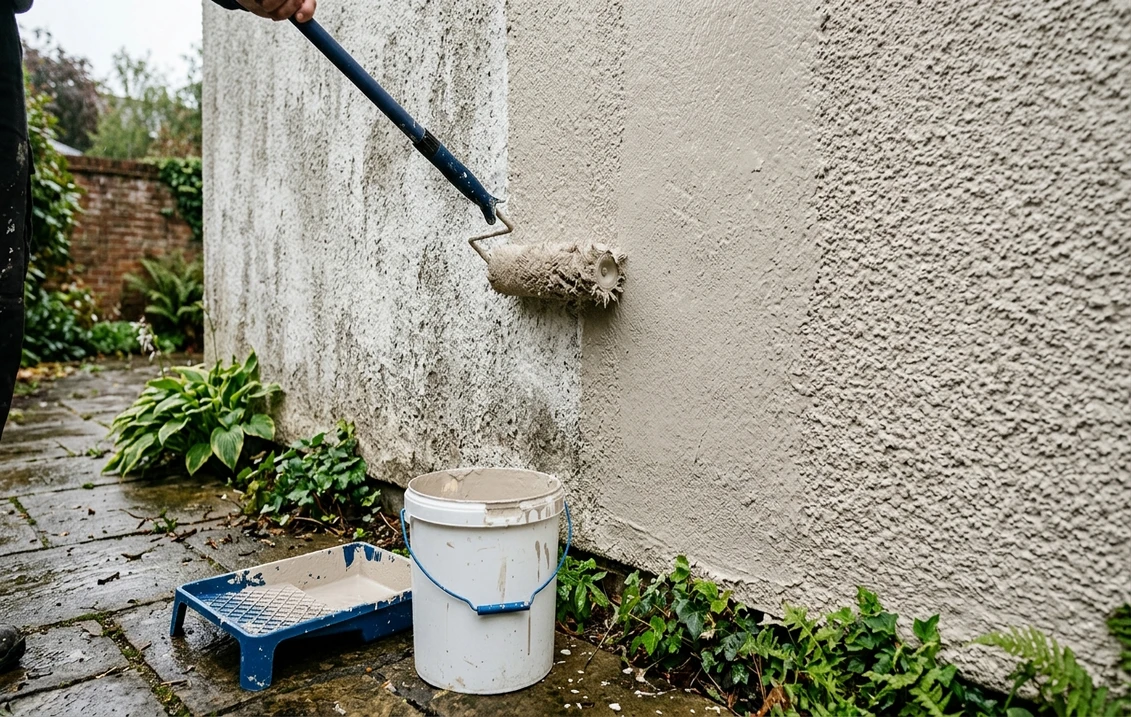
Pre-1919 solid walls: when "which masonry paint" is the wrong question
For the full comparison on those walls, limewash at four or more coats and 3 to 4 square metres per litre against masonry paint and the mineral silicate alternative, with the listed building consent table, see our limewash versus masonry paint guide.
A large share of British houses, every Victorian and Edwardian terrace included, have solid walls in porous brick and lime that manage rain by absorbing it and letting it evaporate. The conservation guidance of a local planning authority puts the risk in one sentence: "Most modern external paints provide a water tight barrier which can have the same effect as using concrete render trapping water in walls which rely upon evaporation to prevent long term damp problems", and "Preventing the building from breathing increases the build up of moisture in the walls and is one of the main causes of damp found in older houses" (Tendring District Council, technical advice on painting listed buildings and conservation areas). The booklet calls limewash "the most breathable" exterior finish. On a lime-rendered cottage, then, the answer is a limewash or a mineral silicate paint, not any product in the table above; on a previously painted render in sound condition, a modern paint that describes itself as breathable (all three 15-year products do) adds little risk. Our guide to anthracite and dark grey masonry paint goes further into breathability and the render makers' reflectance limits for dark colours.
Colours the UK buys, and what they do to the choice
Sandtex's 45-colour chart is a fair map of British taste: whites and creams (Brilliant White, Chalk Hill, Cornish Cream, Magnolia), stones and sands (Sandstone, Mid Stone, Pebble Beach), greys from French Grey and Gallery Grey through Plymouth Grey and Slate Grey to Anthracite, a few greens, blues and reds, and Black. Light colours are the forgiving end: they hide chalking, stay cool and suit every brand. Dark colours change the product question: on insulated thin-coat render the render manufacturer sets a reflectance limit, on any wall the dark shades fade sooner, and the tinted anthracites from Weathershield or Stormshield behave differently from Sandtex's ready-mixed one. For the whole range of what is selling, our guide to the best exterior paint colours for UK homes puts the greys against the creams and greens.
Preparation decides more than the brand
- Wash and treat. Pressure-wash dirt and algae at low pressure; treat green growth with a fungicidal wash and let it dry fully.
- Scrape and stabilise. Flaking paint back to a firm edge; chalky, powdery render stabilised with the brand's stabilising primer, or the new paint peels with the old.
- Fill and rake. Hairline cracks raked out and filled with exterior filler; wider cracks are a render repair, not a paint job.
- Mask. Sills, brick plinths, uPVC frames: masonry paint on brick does not come off.
- Weather window. A dry surface, temperatures above the sheet's minimum (10 degrees for Granocryl, 2 for Stormshield), no rain for the rainproof period, no painting in direct summer sun on a south or west wall.
- Two coats. Every protection claim above assumes two coats; one coat voids it, and on a textured wall the first coat is a primer in all but name.
Planning: when the colour needs permission
In England painting the outside of a house is normally permitted development. The Planning Portal's guidance says that "you will not need to apply for planning permission to paint or maintain the external walls", with two exceptions: "in some areas these rights have been removed (by way of what is known as an article 4 direction)", common in conservation areas, and a listed building, which needs "listed building consent, unless it is repainting in the existing colour" (Planning Portal). Planning is devolved in Wales and Scotland, and leaseholders need the freeholder's consent whatever the planning position. Our guide to conservation area painting rules explains how to check for an Article 4 direction before buying paint.
Where to buy, and what the price per litre is really buying
Sandtex and Dulux Weathershield are on the shelf at B&Q, Wickes, Homebase and Screwfix and at decorator centres; Johnstone's and Leyland are trade brands sold through Brewers, Dulux Decorator Centres, Screwfix and online trade suppliers; Bedec through decorator centres and specialist online sellers; Aldi only in store, seasonally. Prices move, so check them on the day, but read them per square metre rather than per tin: a paint that covers 15 square metres per litre at a higher price often costs less per wall than a cheaper one that covers 10, and the labour, scaffolding and preparation on a house front dwarf the paint in any case. Our exterior house painting cost guide shows what a decorator charges to put it on.
Test it on your own house first
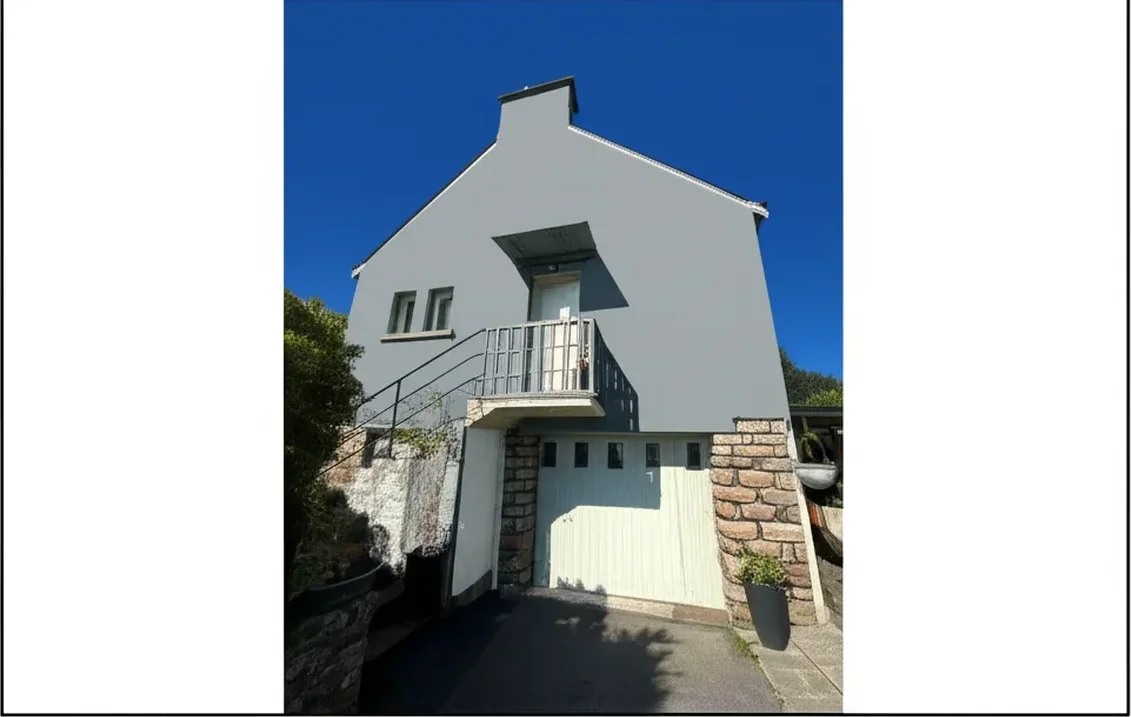
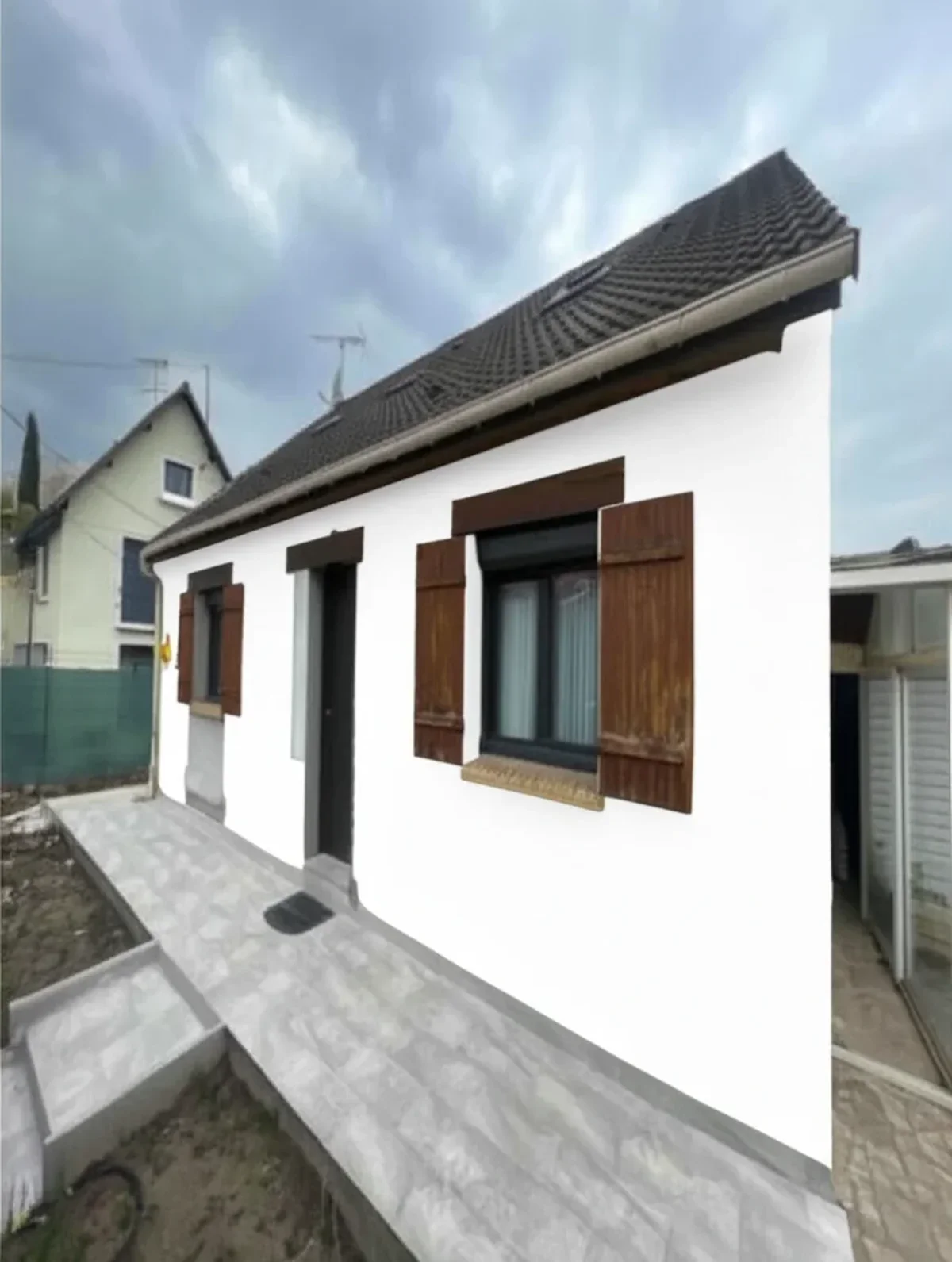
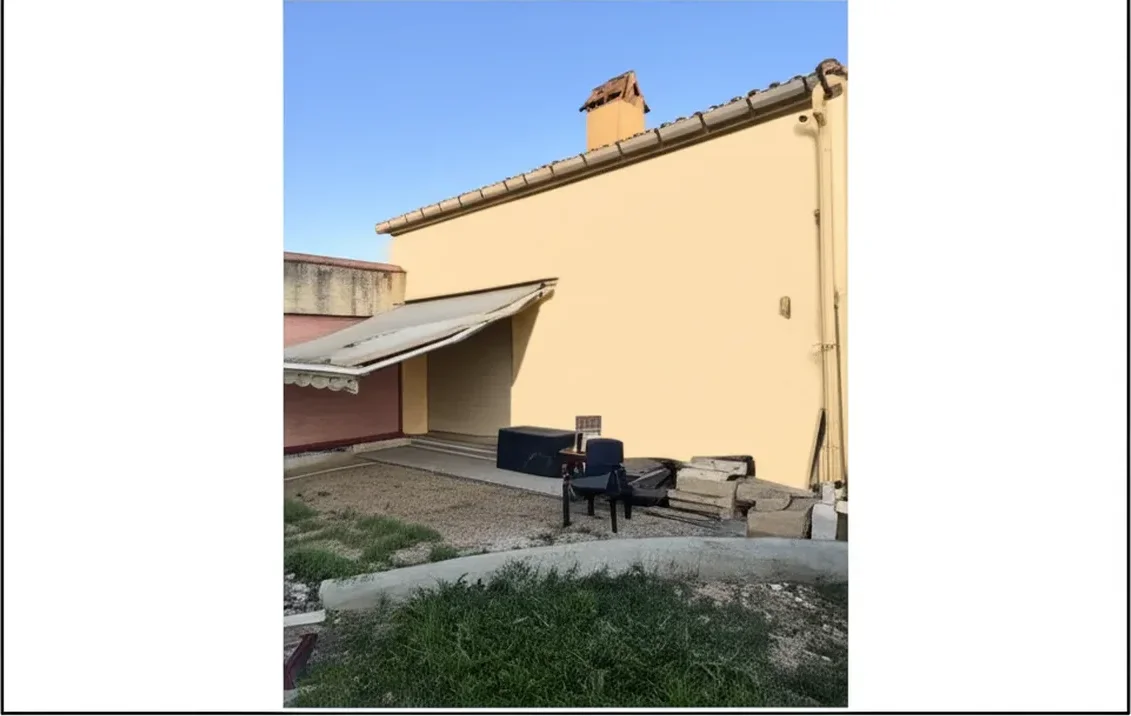
The brand decides how long the paint lasts; the colour decides whether you like living behind it. Photograph the house from the pavement in flat daylight, apply two or three candidate colours to the walls on the photo, compare them against the roof, the neighbours and the window frames, then buy a tester of the winner in the product you have chosen and paint a square metre on the sunniest wall. Look at it on a bright day and a dull one before ordering the tins.
Sources and references
- Sandtex, Microseal Smooth Masonry Paint: durability, rainproof time, coverage, recoat, the 45 colours.
- Dulux, Weathershield range and Paint Mixing Weathershield Smooth Masonry: coats, drying, 15 years, Alkali Guard, anti-fade, coverage.
- Next Day Paint, Johnstone's Trade Stormshield Smooth Masonry: durability, rain resistance, coverage, temperatures, colours.
- The Range, Leyland Granocryl Smooth Masonry Paint and Brewers, Bedec Extra-Flex Smooth Masonry: retailer datasheets for the two trade products.
- BSI, BS EN 1062-1: classification of coatings for exterior masonry.
- Tendring District Council, painting advice for listed buildings and conservation areas (PDF): breathability of solid walls and limewash.
- Planning Portal, paint the outside: permitted development, Article 4, listed building consent.
Frequently asked questions
What is the best masonry paint in the UK?
Is Aldi masonry paint any good?
Which masonry paint should I use on pebbledash?
Can I use modern masonry paint on an old brick or lime-rendered house?
Trademarks mentioned (Sherwin-Williams, Benjamin Moore, Behr, Caparol, Brillux, Sto, Alpina, Valspar, PPG, Glidden, Dulux, Crown Trade, Sandtex, Farrow & Ball, Johnstone's, Leyland) are property of their respective owners. FacadeColorizer is independent and not affiliated with any of them. Nominative fair use under Lanham Act §1125.