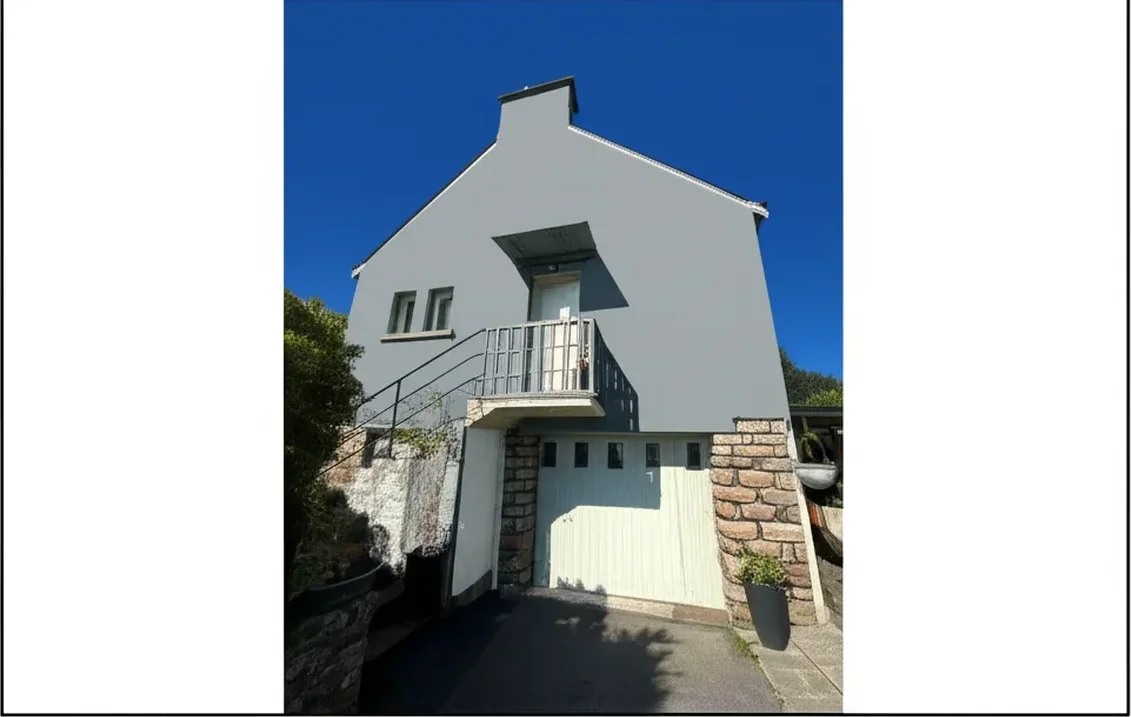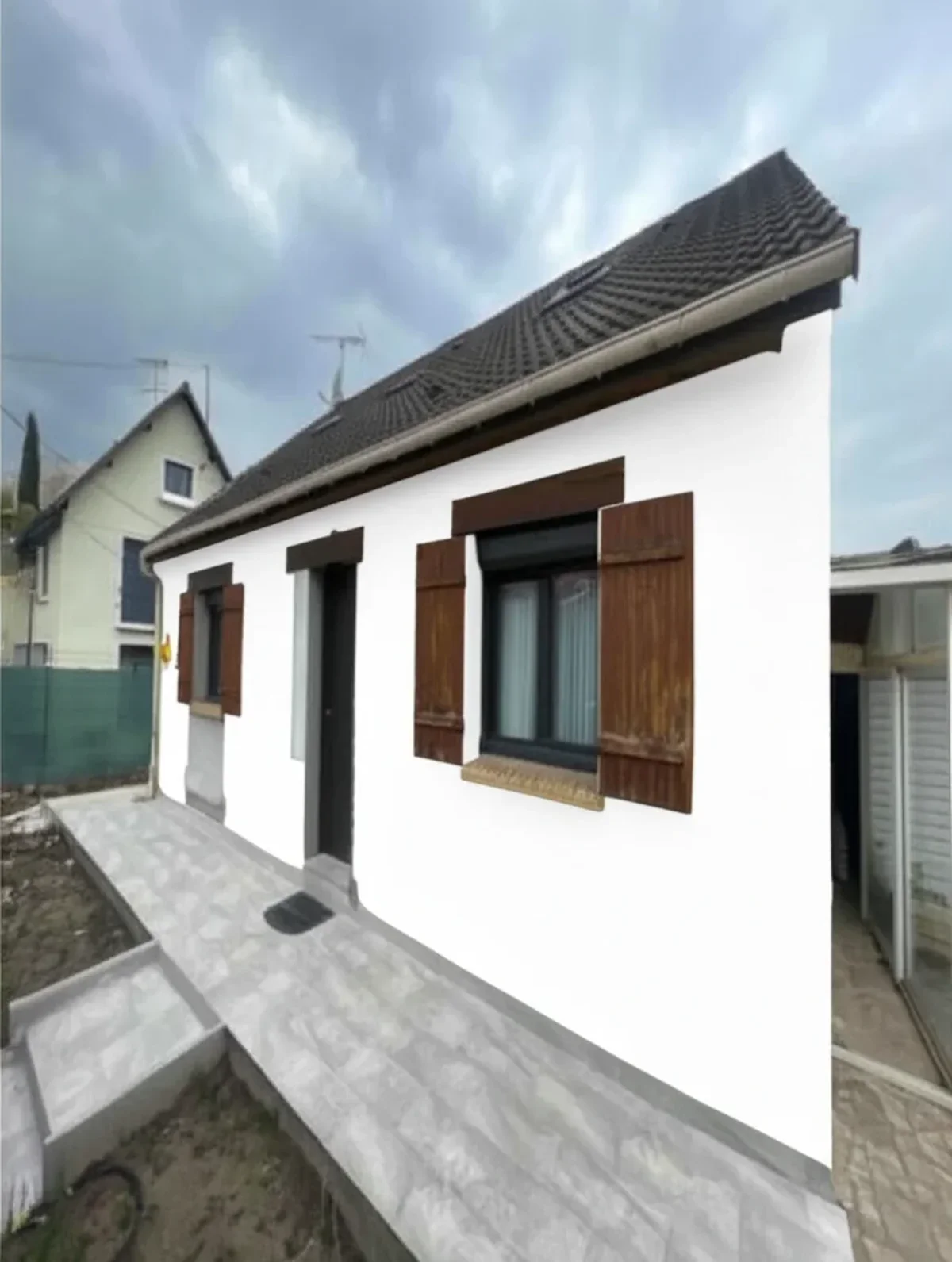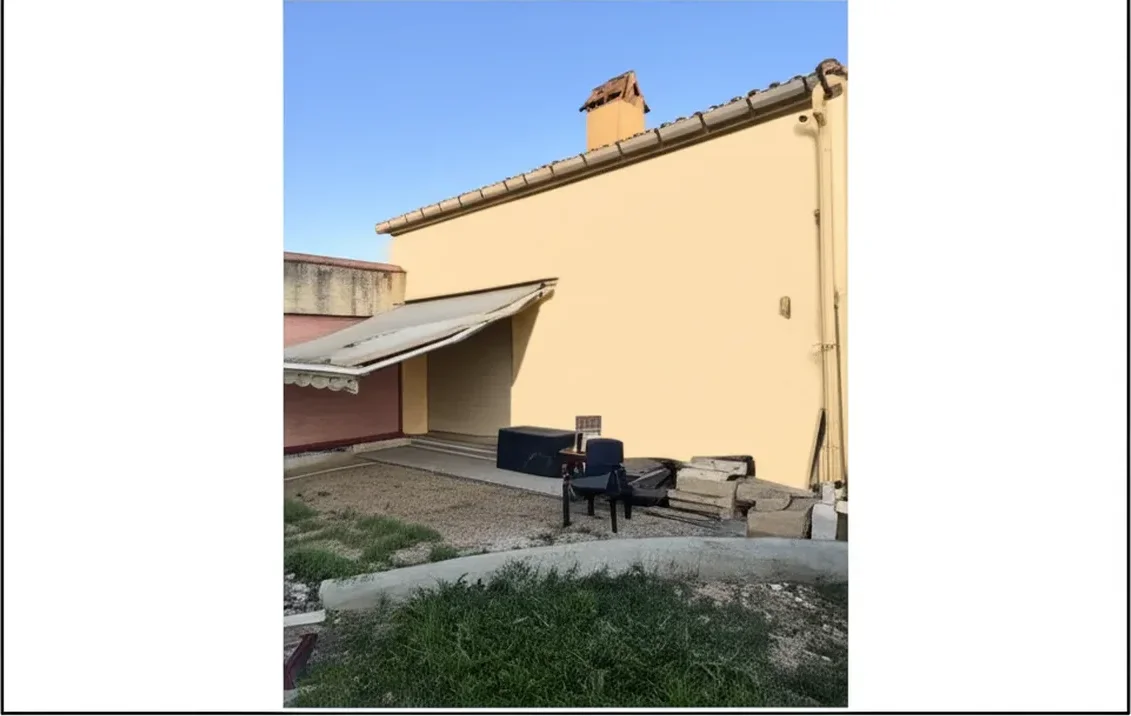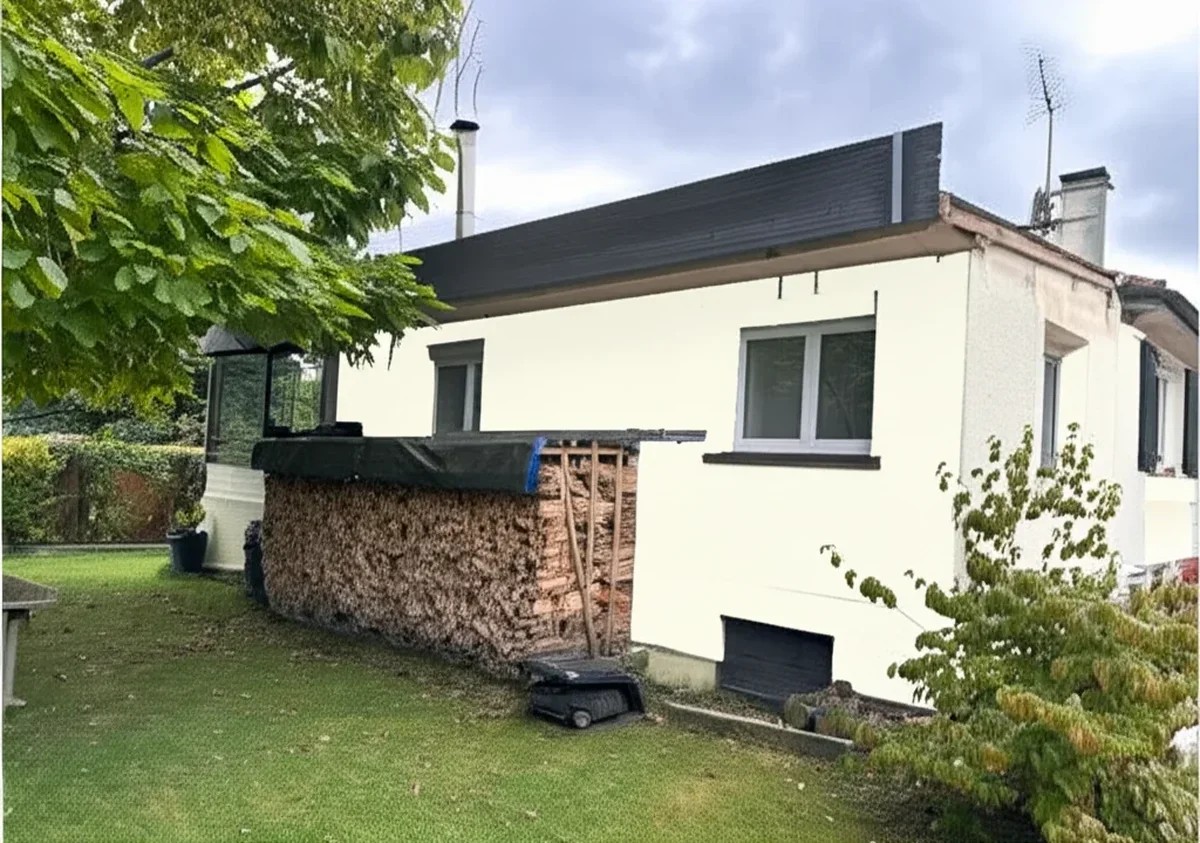
Try it on your house

Textured masonry paint is the workhorse coating for British exterior walls that have seen a few winters. Rendered semis, pebbledash bungalows and Victorian brick terraces with sand and cement repairs all benefit from a coating that bridges hairline cracks, breathes against damp and stands up to Atlantic westerlies. After running 16,983 preview simulations through FacadeColorizer (including a heavy share of UK rendered and pebbledashed homes), we have a clear picture of which finishes British homeowners actually go ahead with, and which they back out of once they see the colour on their own facade. This 2026 guide breaks down textured masonry paint by brand, BS EN 1062 rating, application method and GBP cost per square metre, with examples from London, Manchester, Birmingham, Leeds, Bristol and Edinburgh.
What Textured Masonry Paint Actually Is (And When You Need It)
Standard smooth masonry paint is a thin, brush-friendly coating that sits on the surface. Textured masonry paint, by contrast, contains fine aggregate (often crushed silica or polymer beads) suspended in an acrylic or pliolite binder. The result is a film thick enough to bridge cracks of around 0.3 to 1.5 mm, hide small surface imperfections and add a tactile finish that is close to fresh render or pebbledash.
You typically need a heavy textured masonry paint rather than a smooth one when:
- Your render has hairline crazing or settlement cracks under 1.5 mm.
- Your pebbledash has lost pebbles and you want to even out the appearance without a full re-render.
- Old painted walls have brush marks, patches or sand and cement repairs visible through the previous coat.
- You are coating a north-facing or coastal elevation that takes a beating from driving rain and freeze-thaw.
The defining standard for exterior masonry coatings in the UK is BS EN 1062-1, which classifies coatings by film thickness, crack-bridging ability and water vapour permeability. A textured exterior masonry paint typically sits in the E3 to E5 thickness class (around 100 to 400 microns dry film) compared with the E1 to E2 of smooth emulsions.
Heavy Textured vs Fine Textured vs Smooth: The Three Tiers
British paint aisles in B&Q, Wickes and Screwfix shelve textured masonry paint into three rough categories. Knowing the difference avoids buying a 5 litre tub that does not match your wall.
| Finish | Aggregate size | Crack bridging | Coverage per 5 L | Typical use |
|---|---|---|---|---|
| Smooth masonry | None | Up to 0.1 mm | 60-70 m2 | Sound render, brick, new builds |
| Fine textured | 0.2-0.5 mm | Up to 0.5 mm | 40-50 m2 | Light crazing, mild patch repairs |
| Heavy textured masonry paint | 0.5-1.5 mm | Up to 1.5 mm | 20-30 m2 | Pebbledash, heavily repaired render |
Try it on your house
No photo? Try a sample
The coverage drop is the key planning number. A heavy textured masonry paint covers around half the area of a smooth equivalent because the film is much thicker. A typical three-bedroom semi with around 140 m2 of rendered facade will need 8-10 litres of smooth or 14-18 litres of heavy textured paint over two coats. Always allow an extra tub when ordering from Wickes or Screwfix because dye lots can vary if you re-order mid-job.
Best Textured Masonry Paint UK 2026: Brand by Brand
Hairline-cracked render is the case where a textured paint is not enough: a flexible coating such as Bedec Extra-Flex, with stretch quoted at up to 400 percent and applied in two to three coats, bridges the cracks that a standard paint telegraphs through within a season. The trade-off against the regular smooth and textured ranges is in our comparison of UK masonry paints by wall type.
We compared the six brands British decorators specify most often in 2026 quotes that came through FacadeColorizer previews. Pricing is RRP from dulux.co.uk, sandtex.co.uk, B&Q and Wickes as at June 2026.
| Brand and product | Type | Price per 5 L (GBP) | Guarantee | Where to buy |
|---|---|---|---|---|
| Sandtex Ultra Smooth Masonry (textured option) | Acrylic, fine textured | around 42 | 15 years | B&Q, Wickes, Screwfix |
| Sandtex High Cover Smooth Masonry | Pliolite, fine textured | around 45 | 15 years | Trade counters |
| Dulux Weathershield Textured | Acrylic, fine to medium | around 48 | 15 years | B&Q, Homebase, dulux.co.uk |
| Crown Trade Sandtex Trade Matt | Acrylic, fine textured | around 40 | 15 years | Crown Decorating Centres |
| Johnstone Trade Stormshield Textured | Acrylic, fine to medium | around 38 | 15 years | Johnstone branches, Screwfix |
| Leyland Trade Granocryl Smooth (textured variant) | Acrylic, fine textured | around 28 | 10 years | Leyland SDM, Screwfix |
Sandtex remains the default name British homeowners ask for, in the same way Hoover became shorthand for vacuum cleaners. The Sandtex Ultra Smooth and X-treme X-Posure variants both have textured options that handle most UK rendered and pebbledashed homes well. Dulux Weathershield Textured is the premium high-street option and the only one with a 15 year guarantee you can register online through your Dulux account. Crown Trade is the decorator favourite for big estate jobs and pebbledash bungalow refreshes. Johnstone Stormshield and Leyland Granocryl give trade-quality results at a lower per-litre cost, particularly when bought from Screwfix on weekday trade days.
Mention of US brands like Sherwin Williams Loxon, Benjamin Moore Aura or Behr Premium Plus is included only for international readers. None of these are widely stocked in UK trade counters, so for a British project you should stick to the six brands above.
Heavy Textured Masonry Paint: When the Extra Build Pays Off
A heavy textured masonry paint costs roughly 20 percent more per square metre than a fine textured equivalent, because you use more paint per coat and often need a primer or stabilising solution underneath. The extra spend pays off in three specific UK scenarios.
1. Pebbledash that has lost pebbles. Across 1930s Edwardian and inter-war semis in Manchester, Birmingham and Leeds, original pebbledash is often patchy. A heavy texture coating builds enough film thickness to hide bare patches without going to the cost of a full re-render. Sandtex 10 Year Exterior Eggshell, applied at a heavy build over Sandtex Stabilising Solution, is the typical recipe.
2. Coastal and exposed walls. A Cornwall, Devon or Brighton sea-facing elevation gets battered by driving rain and salt aerosols. A thicker film in BS EN 1062 class W3 (low permeability to driving rain) protects the substrate underneath. Dulux Weathershield Textured and Sandtex X-treme X-Posure are designed for exactly this exposure.
3. Listed or conservation walls that need a low gloss, sympathetic finish. In a Conservation Area or for a Listed Building, planners often want a matt textured finish that reads like traditional limewash or render rather than a plastic-y modern coating. Check the Planning Portal for your local Listed Building Consent rules before you start: changing the colour or texture of a Listed wall can need consent even when no other work needs Planning Permission.
Want to see textured masonry paint colours on your actual wall first? Upload one photo of your house and FacadeColorizer previews the finish before you buy. Try the free Visualiser (1 HD preview plus 3 free variations included on the generous trial).
Application: How to Lay Down Textured Masonry Paint That Lasts
The fastest way to make 45 GBP per litre paint look like 4 GBP paint is to put it on a dirty, damp or chalky wall. UK masonry has three failure modes that ruin texture finishes: efflorescence (white salt bloom), friable chalky surfaces and trapped damp. HSE work-at-height rules apply for anything above ground floor, so factor in tower scaffold hire from Wickes or HSS at around 80-120 GBP per week if you cannot reach with a ladder safely.
The decorator recipe most UK trades follow on heavily textured masonry paint jobs:
- Prep: Soft wash with sugar soap and a stiff brush. Treat any green growth with Sandtex Stabilising Solution biocide. Rinse and let dry for 48 hours minimum.
- Repair: Fill cracks over 1.5 mm with a flexible exterior filler. Heavy textured masonry paint bridges hairlines, not structural cracks.
- Stabilise: On chalky or previously distempered walls, apply Sandtex Stabilising Solution or Dulux Weathershield Stabilising Primer. This stops the new film from delaminating with the old chalk.
- First coat: Thinned with up to 10 percent water (check tin instructions). 4 inch masonry brush or 14 mm pile roller. Long pole for upper courses.
- Second coat: Full strength, full build. Roller across, then lay off vertically for an even texture.
- Cure: Avoid frost or driving rain within 24 hours of application. UK weather windows in spring and early autumn are the safest.
Textured Masonry Paint Cost UK 2026: GBP per Square Metre
Decorators charging through Checkatrade or Rated People in early 2026 quote between 12 and 22 GBP per square metre for a two-coat heavy textured masonry paint job, materials included, on a standard semi. Premium brands (Dulux Weathershield Textured, Sandtex X-treme) sit at the top end. Budget Leyland or own-brand Wickes paint sits at the bottom.
For a 140 m2 rendered three-bedroom semi in Birmingham or Leeds, that works out to 1,680 to 3,080 GBP all in for a fully prepped, two-coat repaint. London and Edinburgh prices typically run 15 to 25 percent higher because of access, parking and labour rates. DIY material cost alone for the same area sits at around 400 to 550 GBP if you buy heavy textured masonry paint from B&Q on a 10 percent decorator's discount day.
For a deeper breakdown by city and elevation type, see our exterior masonry paint cost UK 2026 guide and the UK exterior rendering cost guide if you are weighing repainting against re-rendering.
Choosing Colours That Suit British Light
British daylight is famously flat. A colour that looks crisp under Phoenix sun reads cool and bluish on a Manchester November afternoon. Textured masonry paint colours also behave differently from smooth: the aggregate scatters light and pulls down the saturation by around 10 to 15 percent, so the chip in the B&Q swatch always looks darker than the wall once it is up.
The shades British homeowners actually pick in 2026 (from the FacadeColorizer preview dataset) cluster around:
- Off-whites and stones: Dulux Almond White, Farrow & Ball Wimborne White, Sandtex Magnolia. Forgiving, kerb-appeal safe, suits 1930s semis.
- Soft greys: Crown Trade Pearl Grey, Dulux Egyptian Cotton, Farrow & Ball Cornforth White. Modern, popular for rendered new-builds.
- Sandstones and creams: Sandtex Wholemeal, Dulux Natural Stone. Match Cotswold and Yorkshire vernacular.
- Heritage darks: Farrow & Ball Down Pipe, Dulux Heritage Black Sand. Period townhouses, Edinburgh and London terraces.
If you are in a Conservation Area or near a Listed Building, your local authority will usually want a heritage-appropriate palette: warm whites, soft greys, sandstones rather than primary colours. Check with your conservation officer before ordering 25 litres.
For more on regional shade choices, see our Cotswold, Yorkshire and Cornwall cottage exterior colour guide and the UK render colour ideas guide.
Common Mistakes With Textured Exterior Masonry Paint
From running thousands of previews against UK rendered and pebbledashed homes, the same five mistakes come up:
- Painting damp walls. Moisture trapped under a thick film blisters within one freeze-thaw cycle. Use a damp meter or wait 48 hours after rain.
- Skipping stabilising solution on chalky walls. Old distempered or chalky surfaces shed dust. New paint delaminates within 18 months. Sandtex Stabilising Solution at around 30 GBP per 5 L is cheap insurance.
- Using a smooth roller on heavy texture. Short pile rollers (under 12 mm) cannot carry enough paint into the aggregate and leave dry patches. Use 14 to 18 mm pile.
- Overworking the second coat. Heavy textured masonry paint sets fast in summer. Lay it off once and move on; going back over half-set paint pulls the texture and shows brush marks.
- Ignoring the BS EN 1062 spec. Buying a class W3 driving-rain-resistant paint matters more than the colour swatch when you face a coastal or exposed elevation.
For a fuller deep dive see our seven mistakes when rendering a UK house and the damp-proof exterior paint UK guide.
How to test it on your own home before you buy
No third-party report replaces your own walls: the same colour reads differently on a north elevation and a south one, next to red brick or a grey roof, under morning and evening light. Take a daylight photo, upload it to the free AI paint visualiser, and run two or three candidates on the same image so the comparison is fair. Keep the one or two that survive the side-by-side, buy a tester pot of each, and brush them out on the actual surface in the actual light before you order the full quantity.
Textured Masonry Paint and UK Regulations
For most homes, repainting your facade in a similar colour is allowed under Permitted Development and needs no Planning Permission. The exceptions matter:
- Listed Buildings: Any change to a Listed wall, including colour change of textured masonry paint, can need Listed Building Consent. Check with your local council planning department first.
- Conservation Areas: Some areas have Article 4 Directions removing Permitted Development rights for facade colour change. Always check.
- Scotland: Different rules apply under Scottish Government planning. Edinburgh and Glasgow tenement facades often have additional title-deed restrictions.
- Flats and shared walls: Lease terms often require freeholder consent before changing the colour of a textured exterior masonry paint coating on a shared facade.
For specific conservation rules, see our UK conservation area painting rules guide.
Ready to test a colour on your facade? Upload your photo and preview Sandtex, Dulux, Crown or Farrow & Ball shades in seconds. Start your free FacadeColorizer preview.
The Short Verdict
For most British rendered or pebbledashed homes in 2026, the right answer is a fine to medium textured masonry paint from Sandtex, Dulux Weathershield or Crown Trade at 38 to 48 GBP per 5 litres, applied over Sandtex Stabilising Solution on a clean dry wall in spring or early autumn. Heavy textured masonry paint earns its place on patchy pebbledash, heavily repaired render and exposed coastal walls. Always preview the colour on your own facade before you commit: British daylight, aggregate scatter and your neighbour's kerb appeal all change the answer faster than the swatch in the tin.
For related reading, see our guides on Sandtex paint UK 2026, Dulux masonry paint UK 2026 and B&Q masonry paint UK 2026.
Frequently asked questions
What is textured masonry paint?
How much does heavy textured masonry paint cost in the UK in 2026?
Is textured exterior masonry paint better than smooth for pebbledash?
What BS EN standard applies to textured masonry paint in the UK?
Do I need Planning Permission to paint my house with textured masonry paint in the UK?
Where can I buy textured masonry paint in the UK?
Can I preview textured masonry paint colours before buying?
Trademarks mentioned (Sherwin-Williams, Benjamin Moore, Behr, Caparol, Brillux, Sto, Alpina, Valspar, PPG, Glidden, Dulux, Crown Trade, Sandtex, Farrow & Ball, Johnstone's, Leyland) are property of their respective owners. FacadeColorizer is independent and not affiliated with any of them. Nominative fair use under Lanham Act §1125.