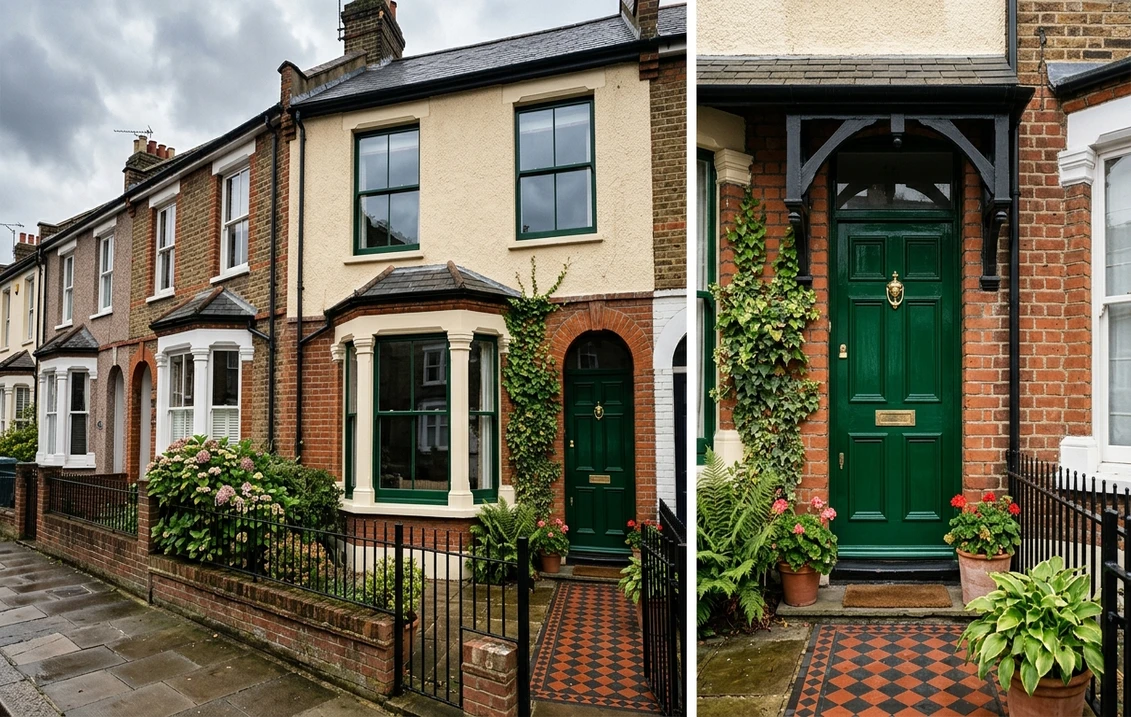
Try it on your house

A front door is the one exterior surface in Britain that gets repainted for pleasure rather than maintenance, and Dulux Weathershield is the range most people reach for, because it is on the shelf at B&Q, Wickes and the Dulux Decorator Centre and because its colours can be mixed to almost anything. This guide covers the Dulux products that actually go on a door (undercoat, Quick Dry Gloss, Quick Dry Satin), what Dulux itself publishes about them (guarantee years, coverage, drying times, temperatures), the colours Dulux recommends for doors and the families British streets favour, the preparation that decides whether the finish lasts, and the planning rules that still apply to a door in a conservation area. No popularity statistics: we do not have them, and neither does anyone selling you a tin.
The Dulux products that go on a front door
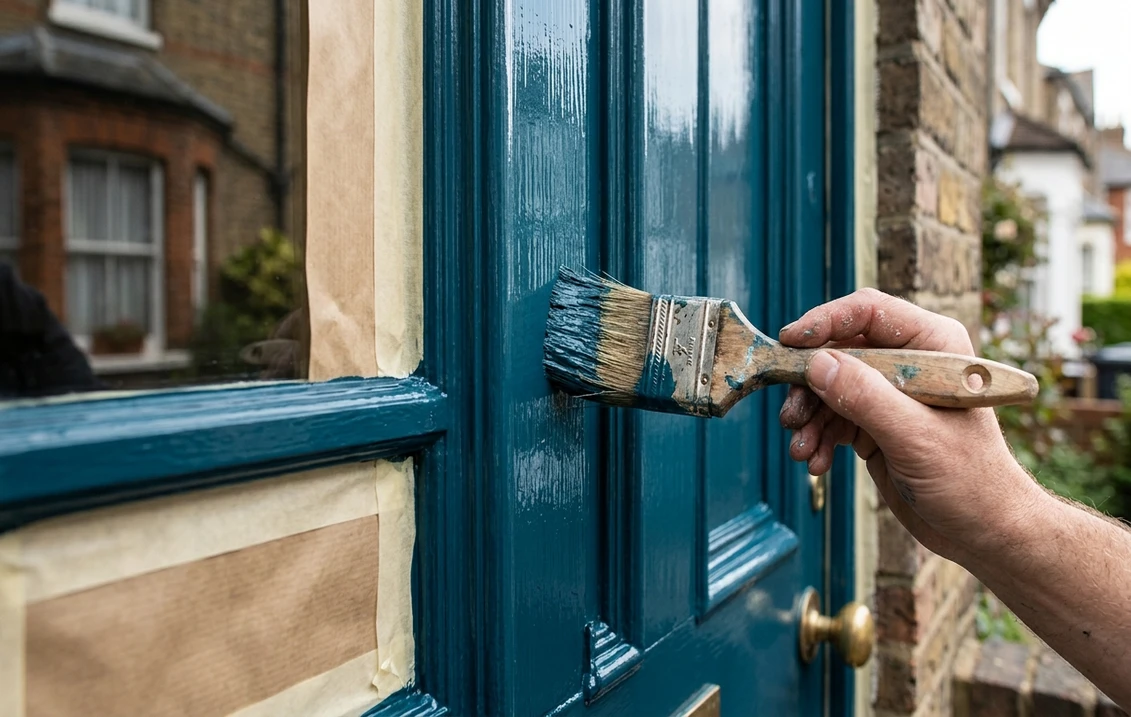
Dulux's own guidance for a gloss door is a three-coat system. The Weathershield advice page recommends "one coat of Dulux Weathershield Quick Dry Exterior Flexible Undercoat for excellent coverage and opacity, using an acrylic bristle brush", then "Dulux Weathershield Quick Dry Exterior High Gloss, a water-based product which is low odour, acrylic based and better for the environment", applied as "two coats of your chosen colour, leaving four hours to dry between them" (Weathershield, painting a front door in exterior gloss). The product page for Weathershield Quick Dry Exterior Gloss adds the figures: it "guarantees 6 year weather protection" on exterior wood and metal in good condition, covers "up to 16m2/litre", is "touch dry in 2 hours", needs "6 hours to dry", should be applied "above 10 degrees Celsius" and only "in dry conditions and when bad weather is not forecast", and is finished "with 1 or 2 coats"; it is listed at £33 and "can only be purchased from selected stores". For a mid-sheen door, Dulux's front-door feature recommends Weathershield Quick Dry Satin, which it says will "protect your front door for up to 10 years" (Dulux, three front door makeovers). The trade version, Dulux Trade Weathershield Exterior Quick Drying Gloss, is sold through decorator centres such as Brewers, which lists it as mixable to the 5,768 colours of the Dulux Trade Weathershield colour cards with a lifespan of up to 8 years; Decorating Centre Online quotes six years of all-weather protection for its colour-matched version.
| Product (Dulux's own figures) | Finish | Protection | Coverage and drying | Role on the door |
|---|---|---|---|---|
| Weathershield Quick Dry Exterior Flexible Undercoat | Undercoat | Part of the system | One coat, acrylic bristle brush | Opacity and adhesion under a colour change |
| Weathershield Quick Dry Exterior Gloss | High gloss, water-based | 6-year guarantee (wood and metal in good condition) | Up to 16 m² per litre; touch dry 2 h; 6 h to dry; 1 or 2 coats; above 10 °C | The classic glossy British door |
| Weathershield Quick Dry Satin (Multisurface) | Mid-sheen | "Up to 10 years" (Dulux feature) | Two coats over undercoat | Modern, forgiving on imperfect doors; composite and uPVC |
| Dulux Trade Weathershield Exterior Quick Drying Gloss | Gloss, trade | Up to 8 years (retailer listing) | 5,768 mixable colours | Decorators; any colour card shade |
Try it on your house
No photo? Try a sample
The colours Dulux puts on its own doors
Dulux's front-door feature is the most useful starting point, because it names colours and the products they were painted in. The three makeovers use "Teal Voyage" on the door in Weathershield Quick Dry Satin, with the frame in "Black" Weathershield All Weather Masonry, which Dulux says gives "long-lasting colour and protection for up to 15 years"; "Honey Mustard" on the door with "Pure Brilliant White" trim and "Concrete Grey" masonry; and "Vast Lake", a dusty blue, in Weathershield Multisurface Quick Dry Satin. The colours are mixed to order (Dulux calls the service MixLab), which is why a Dulux door colour is rarely limited to the ready-mixed tins on the shelf: the Weathershield gloss and satin bases take the whole Dulux colour card, and the trade version the 5,768 Trade shades.
The front door families on British streets
Without pretending to a league table, five families cover most doors in the country, and each has a Dulux route. Deep greens, the heritage choice on Victorian and Edwardian terraces, read as almost black in shade and as rich green in sun, and suit brass furniture. Navies and dusty blues, from a near-black navy to Dulux's Vast Lake, are the most forgiving with red brick and cream render; our guide to blue front door colours goes shade by shade. Black and charcoal are the London townhouse standard and the modern default with grey windows. Reds and burgundies are the traditional cottage and 1930s semi choice, warm against buff brick. Yellows and teals, Honey Mustard and Teal Voyage among them, are the statement doors, best on a plain, pale facade where the door is the only colour. Whites and greys, finally, are the quiet option on rendered houses where the windows do the work.
| Family | Dulux colour named for doors | Suits | Finish |
|---|---|---|---|
| Teal and deep green | Teal Voyage | Victorian terraces, cream render, brass furniture | Gloss on panelled timber, satin on flush doors |
| Dusty blue and navy | Vast Lake | Red brick, 1930s semis, coastal towns | Satin (Multisurface) or gloss |
| Mustard and yellow | Honey Mustard | Pale render with Pure Brilliant White trim, Concrete Grey masonry | Satin |
| Black and charcoal | Black (Dulux frames it in All Weather Masonry) | Townhouses, grey windows, white render | High gloss |
| White and pale grey | Pure Brilliant White | Rendered houses where windows carry the colour | Gloss, two coats |
Pairing the door with windows, masonry and the street
Dulux's own makeovers show the method: the door colour is chosen with the frame and the masonry, not on its own. Teal Voyage sits against a Black frame; Honey Mustard against Pure Brilliant White trim and Concrete Grey masonry. The rule that follows is simple. With white uPVC windows, almost any saturated door works, because the white frames the colour. With anthracite or black windows, a dark door disappears into the frame and a mid-tone (dusty blue, sage, mustard, brick red) gives the entrance back its weight. On red brick, blues and greens are the safe contrasts and reds compete; on cream or white render, the door can go as dark as you like; on painted grey render, warm colours (mustard, terracotta, burgundy) read better than another cool shade. Brass furniture suits greens, navies and blacks; chrome and black ironmongery suit greys, whites and the brighter colours. And look along the street before you decide: a terrace of six doors in six strong colours reads as cheerful, a semi whose door clashes with the attached neighbour's reads as a mistake, so the neighbour's colour is part of the brief.
Where to buy, and the difference between the tins
Weathershield Quick Dry Gloss and Satin are sold in B&Q, Wickes, Homebase, Screwfix and the Dulux Decorator Centres, usually in Pure Brilliant White and Black ready-mixed and in a short list of ready-mixed colours, with everything else tinted in store. Dulux's own product page notes that the Quick Dry Gloss "can only be purchased from selected stores" and not online, so check stock before the weekend. The Trade product is the same chemistry at trade prices in 1, 2.5 and 5 litre tins through Brewers and the Decorator Centres; a door needs well under a litre per coat, so the 750 ml and 1 litre tins are the right size and a 2.5 litre tin is money left in the shed. Buy the undercoat from the same range: a Weathershield topcoat over a generic undercoat is where most "it peeled after a year" stories start.
Preparation: the part that decides the six years
- Furniture off, glass masked. Take off the knocker, letterplate and numbers rather than painting round them; mask the glazing. Dulux's own first step is to cover "areas that don't need painting with masking tape" and sand lightly.
- Wash and key. Sugar soap, rinse, dry; then a light sand over the whole door so the undercoat has a key. Flaking paint back to a firm edge; bare timber spot-primed.
- Fill and sand. Exterior filler in dents and open joints, sanded flush; on a panelled door, work the mouldings with a sanding sponge.
- Undercoat. One coat of Weathershield Quick Dry Undercoat, left to dry. On a strong colour change (white to teal, or navy to mustard), ask for the undercoat tinted toward the topcoat.
- Two topcoats. Gloss or satin, brushed with the grain, mouldings first, then panels, then rails and stiles; four hours between coats per the Weathershield guidance, six hours to dry per the product page.
- Weather. Above 10 °C, no rain forecast, out of direct afternoon sun; the water-based gloss is touch dry in 2 hours, which is why it suits a British weather window better than the old solvent gloss.
- Leave it open. Keep the door ajar on blocks until the last coat is hard, or the weather strip will print into the paint.
Composite, uPVC and metal doors
The Weathershield system is written for wood and metal; the product page's guarantee covers "exterior wood and metal" in good condition. Composite and uPVC doors are a different question: Dulux points to its Multisurface Quick Dry Satin for them, and the preparation changes, with a thorough degrease and a light abrasion of the GRP or uPVC skin rather than sanding to timber. Two cautions apply. A dark colour on a uPVC or composite door raises the surface temperature in sun and can distort the slab, so a manufacturer's warranty may exclude repainting dark; check it before you buy a tin of navy. And a factory-finished composite door often carries its own ten-year finish; painting it starts a new clock. Our guide to front door colours for UK homes covers the door materials in more depth.
Conservation areas, listed buildings and the colour of a door
Painting a front door is normally permitted development in England, with two exceptions the Planning Portal sets out: an Article 4 direction, common in conservation areas, can remove permitted development rights for changes to the front of a house, and a listed building needs listed building consent for changes to its appearance "unless it is repainting in the existing colour" (Planning Portal). Some conservation areas go further and publish door colour palettes; a quick call to the council's conservation officer before buying the paint is cheaper than repainting a door back. Leaseholders in flats need the freeholder's consent whatever the planning position. Our guides to conservation area painting rules and painting a listed building explain the procedure.
Beyond Dulux: the other door paints on the UK shelf
Dulux is not the only system. Sandtex, Crown and Johnstone's all make exterior gloss and satin for doors, Farrow & Ball's Exterior Eggshell is the heritage choice at a heritage price, and Little Greene's Intelligent Exterior Eggshell is the designer's. The reasons to stay with Dulux for a door are practical: the three-product system (undercoat, gloss, satin) is on every high street, the published figures on guarantee, coverage and drying are easy to find, and the colour you saw on a neighbour's door can be matched in store. The reason to look elsewhere is a specific colour, a heritage finish, or a decorator who works with another trade range; in all three cases the preparation rules above do not change. For the exterior walls rather than the door, our guide to the best masonry paint compares the brands on their datasheets.
Test the colour on your own door first
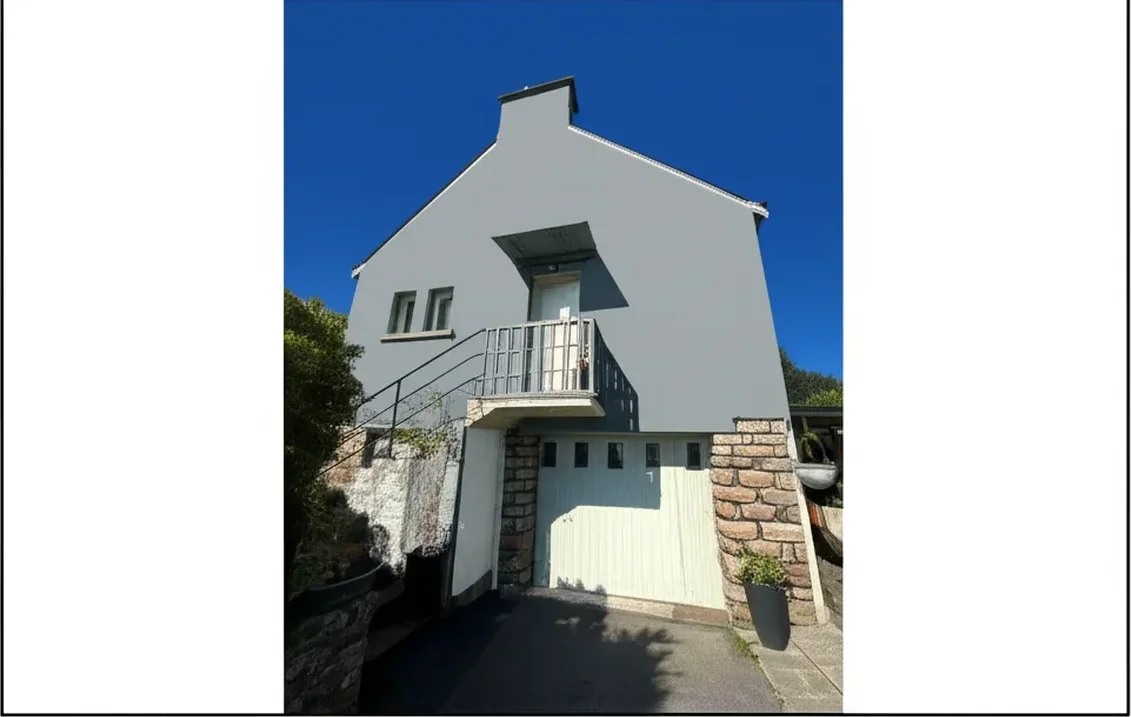
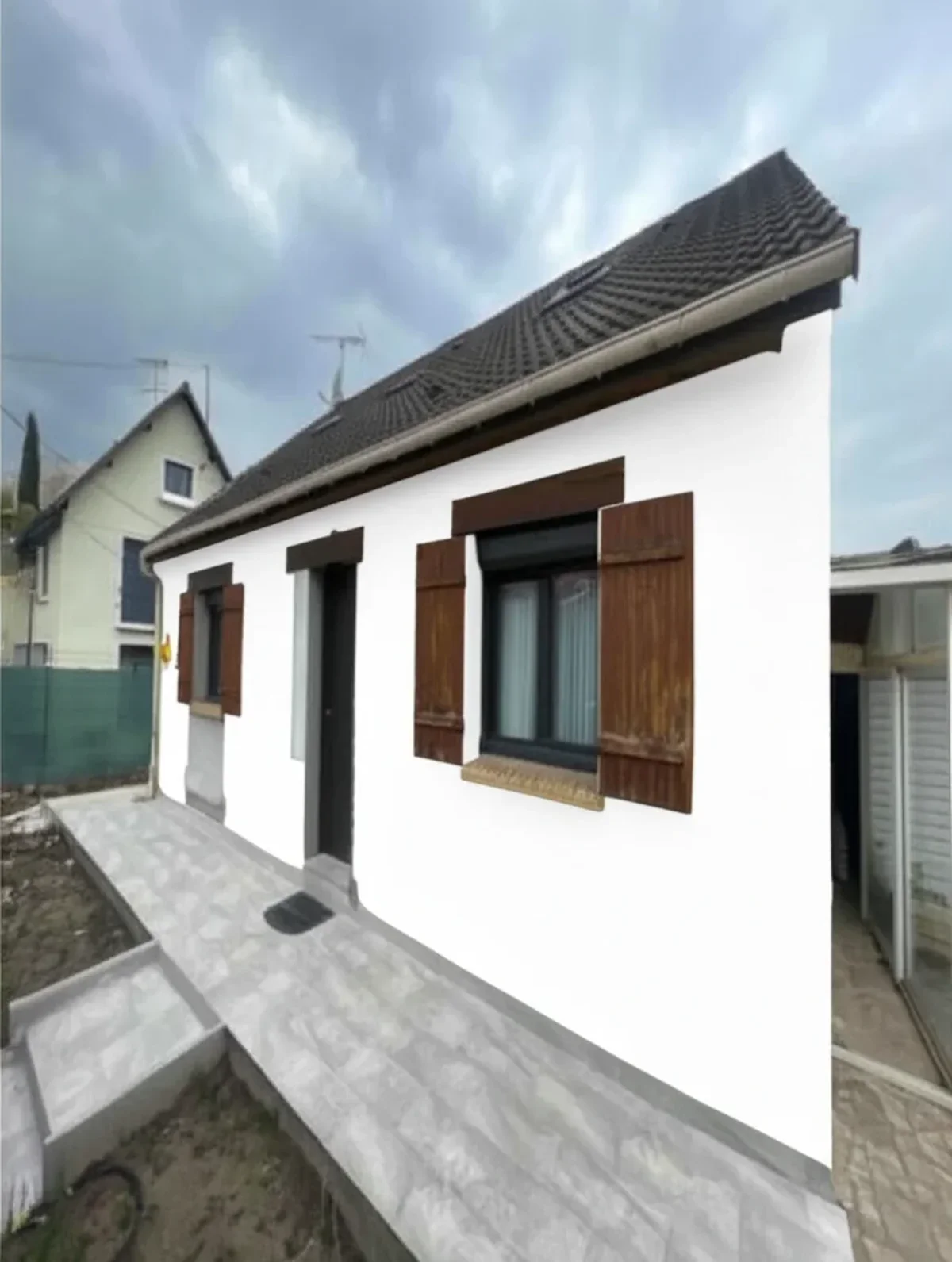
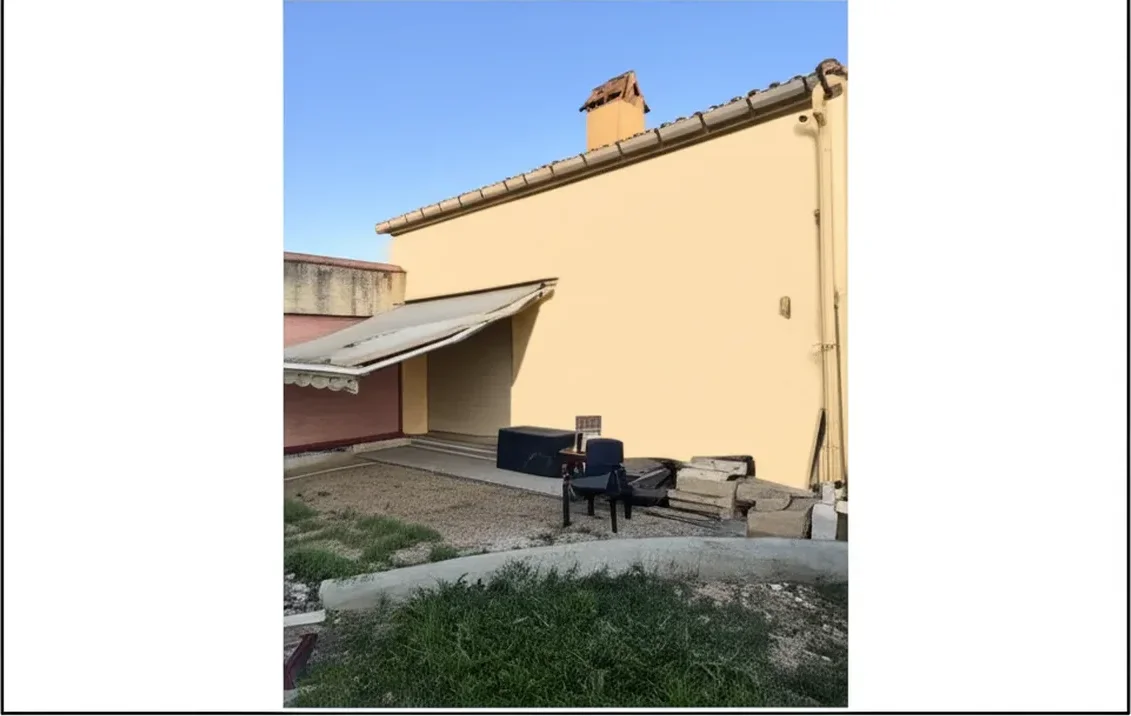
A door colour is judged from the pavement against brick, render, windows and the neighbours' doors, and no chip shows that. Photograph the front of the house in flat daylight, apply two or three candidate colours to the door on the photo, and compare them with the window frames and the masonry before you ask for a mix. Then paint a tester on a panel in the real product, gloss or satin, and look at it on a bright day and a dull one. A glossy navy and a satin navy are two different doors.
Sources and references
- Dulux, Weathershield Quick Dry Exterior Gloss: 6-year guarantee, coverage, drying times, temperature, coats, price, availability.
- Dulux, Three front door makeovers: Teal Voyage, Vast Lake, Honey Mustard, Concrete Grey, Pure Brilliant White, Black; Quick Dry Satin up to 10 years, All Weather Masonry up to 15 years; application steps.
- Weathershield, Front door painted in exterior gloss: undercoat, water-based high gloss, two coats four hours apart.
- Brewers, Dulux Trade Weathershield Exterior Quick Drying Gloss and Decorating Centre Online: trade colour range, lifespan claims.
- Planning Portal: permitted development, Article 4 directions, listed building consent.
Frequently asked questions
Which Dulux paint do I use on a front door?
What front door colours does Dulux recommend?
How long does Dulux Weathershield last on a front door?
Do I need permission to change my front door colour?
Can I use Dulux Weathershield on a composite or uPVC door?
Trademarks mentioned (Sherwin-Williams, Benjamin Moore, Behr, Caparol, Brillux, Sto, Alpina, Valspar, PPG, Glidden, Dulux, Crown Trade, Sandtex, Farrow & Ball, Johnstone's, Leyland) are property of their respective owners. FacadeColorizer is independent and not affiliated with any of them. Nominative fair use under Lanham Act §1125.