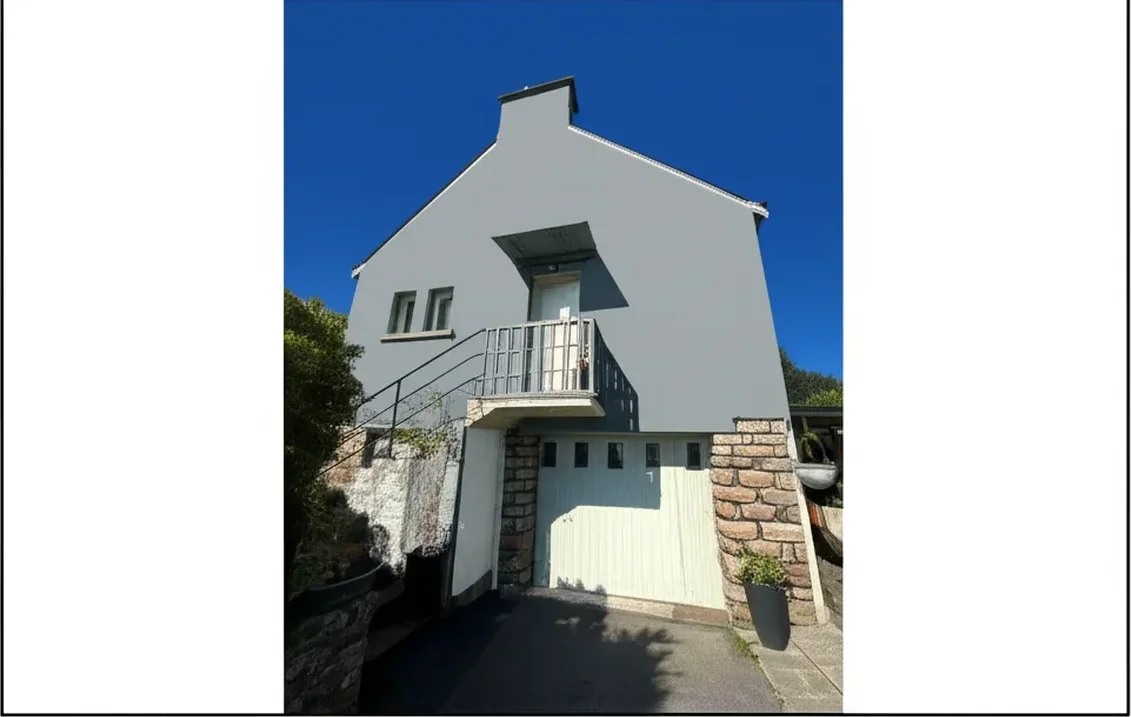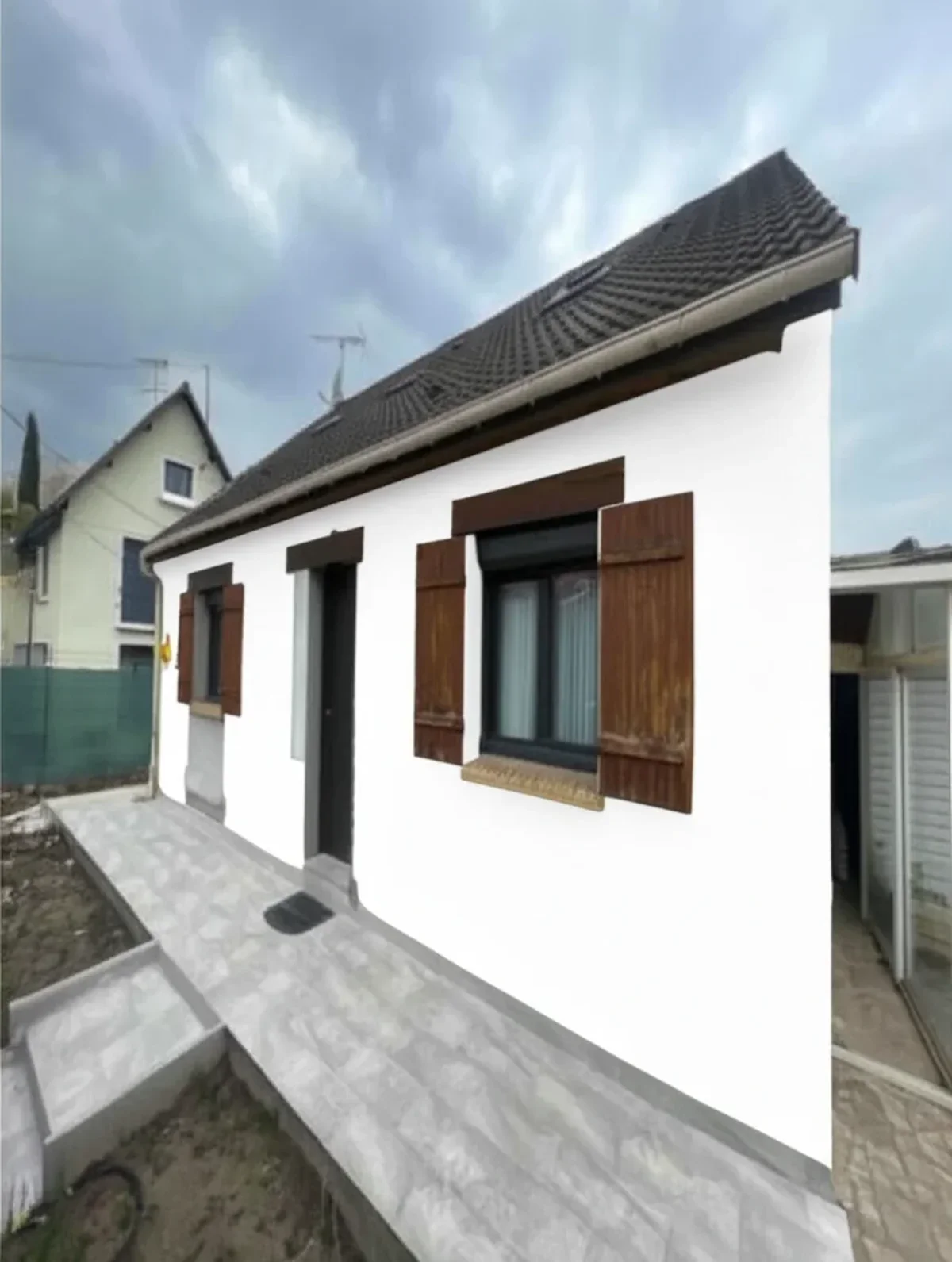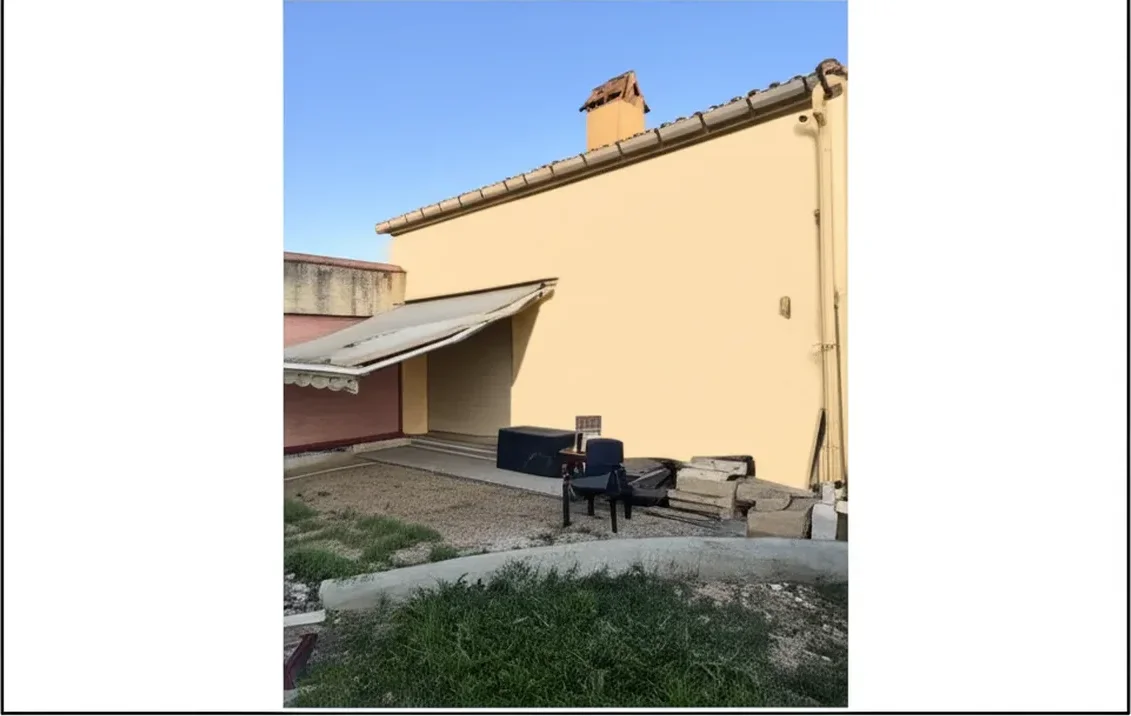
Try it on your house

If you are repainting timber fascias, sash windows, a front door or render trim on a UK property this season, dulux exterior wood paint colours are the default short-list at Wickes, B and Q and most independent decorators merchants between Brighton and Edinburgh. Across 16,983 facade previews generated in the FacadeColorizer dataset, Dulux Weathershield Exterior High Gloss and Dulux Trade Weathershield Exterior Satin emerged as the two most common British timber-coating selections, with greys, off-whites and heritage greens dominating front doors on Victorian and Edwardian terraces. This 2026 guide unpacks the full shade card, GBP pricing across UK retailers, coverage figures under BS EN 1062, and how to preview dulux external paint colours against your own brickwork before you ever crack open a tin.
The Dulux Exterior Wood Paint Range in 2026: Three Tiers Explained
Dulux ships its exterior timber range under three main banners in the United Kingdom, and confusing them at the merchant counter is the single biggest reason householders end up with a finish that peels by year three. The consumer-facing tier is Dulux Weathershield Exterior, available at B and Q, Homebase and Wickes in 750ml and 2.5L tins. The professional tier is Dulux Trade Weathershield Exterior, sold through Brewers, Dulux Decorator Centres and Crown Decorating Centres, in 1L, 2.5L and 5L. The premium opaque-wood-stain tier sits under the Cuprinol Garden Shades and Cuprinol Less Mess labels for fencing and garden timber, which we cover only briefly because they are not strictly exterior wood paint in the traditional gloss-or-satin sense.
The Weathershield exterior wood paint colours card contains 38 standard shades plus an unlimited tint base for Dulux Colour Mixing at participating B and Q and Homebase stores, which means you can theoretically order any of the 2,000+ Dulux interior colours in a Weathershield exterior wood base. That tinting capability is what makes exterior paint colors dulux searches so high-volume in the UK, householders see a heritage green on a National Trust property, photograph it, and ask the merchant to match it into Weathershield gloss.
The catch most homeowners discover too late is that not every Dulux interior colour is rated for full UV exposure. Reds, oranges and certain magentas fade faster on south-facing sash windows than the manufacturer-mixed Weathershield standard shades, because the Weathershield base pigments are pre-selected for lightfast performance under BS EN 1062-11. If you tint a magenta from the Dulux Colour Heritage range into Weathershield gloss for a south-facing London front door, expect noticeable fade by the second summer. The same colour mixed in the standard Weathershield range will hold longer because Dulux substitutes more lightfast pigments at the factory.
Coverage, Drying Times and BS EN 1062 Compliance
Dulux publishes coverage figures for each Weathershield exterior wood line on the technical data sheet (TDS) and on the back of the tin. For the standard high gloss, the headline figure is up to 17 square metres per litre on a smooth, primed timber substrate, which translates to roughly 42.5 m2 from a 2.5L tin in one coat. Real-world coverage on weathered softwood fascias is closer to 12-14 m2 per litre because the timber drinks more, and two coats are mandatory for the manufacturer warranty.
The Weathershield range conforms to BS EN 1062-1 (the British and European standard for coatings on mineral and porous substrates exposed to weather) and is independently tested for water vapour transmission, water permeability and crack-bridging. For pure wood applications the more relevant sub-clauses are BS EN 927-2 (wood coating performance) and BS 6150 (code of practice for painting buildings). Decorators members of the Painting and Decorating Association (PDA) will reference these on quote specifications when bidding on Listed Building or Conservation Area work.
| Product | Finish | Coverage (m2/L) | Recoat (hours) | 2.5L price (GBP) |
|---|---|---|---|---|
| Dulux Weathershield Exterior High Gloss | Gloss | 17 | 16 | 32 |
| Dulux Weathershield Exterior Satin | Satin | 16 | 16 | 30 |
| Dulux Trade Weathershield Exterior Gloss | Gloss | 17 | 16 | 38 |
| Dulux Trade Weathershield Exterior Undercoat | Matt | 15 | 16 | 28 |
| Dulux Weathershield Quick Dry Satin | Satin | 14 | 4 | 34 |
Try it on your house
No photo? Try a sample
Prices above were checked at B and Q, Wickes and Brewers between February and April 2026 and represent typical shelf price, not promotional discount. Trade pricing through a Dulux Decorator Centre account is usually 10-15 percent below shelf, but requires a trade card.
The 12 Most Popular Dulux Exterior Wood Paint Colours in the UK
Pulled from 16,983 FacadeColorizer previews and cross-referenced against the Dulux UK 2026 best-seller list shared by the manufacturer on dulux.co.uk, the following shades dominate British exterior timber decisions. The list skews towards low-chroma greys, off-whites and heritage greens because UK Conservation Area officers and Listed Building consent applications historically favour these tones for sash windows, front doors and render reveals.
- Pure Brilliant White - the default sash window white, also called PBW on quote sheets.
- Timeless - a very pale off-white with a hint of warm yellow, popular for Edwardian fascias in Bristol and Edinburgh.
- Natural Hessian - cream-beige, frequent on Cotswold stone surrounds.
- Goose Down - cool pale grey, dominant on London semi-detached front doors since 2022.
- Chic Shadow - mid-grey with green undertone, paired with anthracite render.
- Night Jewels 4 - very dark charcoal, popular for modern barn conversions.
- Sapphire Salute - deep navy, the 2024-2026 front door trend in Manchester and Leeds.
- Sage Green - heritage colour, common on Victorian sash windows in Conservation Areas.
- Fired Earth - terracotta-red, used on rural timber porches in Yorkshire.
- Stoneware - warm grey with brown undertone, neutral pebbledash trim.
- Mineral Mist - soft blue-grey, coastal Brighton and Cornwall properties.
- Coffee Bean - dark espresso brown, garage doors and modern front entries.
The reference card from Dulux is downloadable at dulux.co.uk, but the printed swatch differs from on-wall application by up to 15 percent in perceived lightness because the swatch is matt and the gloss finish reflects more light. This is the single biggest reason householders return tins for refund within the first 48 hours.
Listed Buildings and Conservation Areas: What You Can and Cannot Use
Roughly 376,000 buildings in England carry a Listed status (Grade I, Grade II* or Grade II) per Historic England, and another 2.5 million properties sit inside one of the 10,400 Conservation Areas designated under the Planning (Listed Buildings and Conservation Areas) Act 1990. For all of these, exterior timber colour is a planning matter, not a personal preference.
Listed Building Consent is required for any external change to a Listed property, including repainting a timber front door in a different colour family. Conservation Area Consent is needed less often (most repainting in a Conservation Area is Permitted Development), but specific Article 4 Directions can pull paint colour into the planning net. Your local authority Conservation Officer is the gatekeeper, and most will accept a written submission with a Dulux Heritage colour reference plus a FacadeColorizer preview image rendered on the actual building.
For more detail on the consent process and which colours typically pass first time, the Planning Portal publishes free guidance and a postcode search to identify whether your property sits in a designated area. Welsh applicants should reference gov.wales, and Scottish applicants gov.scot, since the consent regime differs slightly across the four nations.
Preview your Dulux exterior wood paint shade on your actual building before buying. Upload one photograph of your front elevation and FacadeColorizer renders the 12 most popular Dulux Weathershield shades on your sash windows, fascias and front door in under 30 seconds. First preview is free.
Dulux Weathershield Exterior Wood Paint Colours vs Sandtex, Crown and Johnstone
On a front door the relevant products are Weathershield Quick Dry Exterior Gloss (six-year guarantee, up to 16 square metres per litre, touch dry in two hours) and Quick Dry Satin, over the Quick Dry Undercoat; our Dulux front door colours guide goes through the system and the colours Dulux itself recommends, Teal Voyage, Vast Lake and Honey Mustard among them.
Dulux is not the only game in town. Sandtex (owned by AkzoNobel, same parent as Dulux) is the dominant masonry brand but its trim and gloss range targets the same timber substrates. Crown Trade Fastflow and Johnstone Trade Aqua Guard compete head-on at the trade counter. Leyland Trade Hi-Gloss is the budget option at independent merchants.
| Brand | Flagship Exterior Wood Line | Typical 2.5L (GBP) | Coverage (m2/L) | Best Use Case |
|---|---|---|---|---|
| Dulux Weathershield Exterior | High Gloss + Satin | 32 | 17 | Sash windows, fascias, soffits |
| Sandtex Trade X-Tra Tough Gloss | Gloss | 36 | 14 | Coastal timber, salt spray exposure |
| Crown Trade Fastflow | Quick-dry gloss | 34 | 15 | Doors, tight recoat windows |
| Johnstone Trade Aqua Guard | Water-based gloss | 33 | 14 | Low-odour, indoor decorator preference |
| Leyland Trade Hi-Gloss | Gloss | 22 | 13 | Budget rental and leasehold timber |
| Farrow and Ball Exterior Eggshell | Eggshell | 78 | 10 | Heritage doors, low-traffic timber |
For US comparison, brands such as Sherwin-Williams Emerald Exterior, Benjamin Moore Aura Exterior and Behr Marquee dominate the equivalent timber-paint market. They are typically not stocked at UK retailers and shipping is uneconomic for a 1-gallon tin. We mention them only for readers cross-shopping internationally.
The official Sandtex range is detailed at sandtex.co.uk and Crown Trade at crownpaints.co.uk, both useful for cross-spec on a single building when you mix brands across different elevations.
Where to Buy Dulux Exterior Wood Paint in the UK
Dulux Weathershield Exterior is stocked at B and Q (in-store and online with Click and Collect), Wickes, Homebase, Toolstation (limited shade range), Screwfix (Trade Weathershield only) and independent decorator merchants such as Brewers, Crown Decorating Centres and Dulux Decorator Centres. Trade pricing requires a free account at a Dulux Decorator Centre, set up in 10 minutes with proof of trade.
For one-off projects on a single 2.5L tin, B and Q and Wickes are typically cheapest because of regular weekend promotional discounts of 15-25 percent off retail. For volume purchases above 10 litres, the Dulux Decorator Centre price beats every retailer once trade discount is applied. Homebase shifted to a partnership model in 2023 and now stocks a narrower Dulux range than Wickes, so the colour you want may not be in store.
Screwfix is the cheapest source for Dulux Trade Weathershield Undercoat at typically 23 GBP for 2.5L, but the colour range online is limited to whites and base colours. For tinted colours on the Trade line, order direct from a Dulux Decorator Centre or via the Dulux Trade app, which most UK painters carry on their phones.
Surface Preparation: Why 70 Percent of Failed Exterior Wood Paint Jobs Fail at Sanding
The single biggest reason a freshly painted sash window peels by the second winter is not the paint, it is the surface preparation. The British Coatings Federation (BCF) and the Painting and Decorating Association both reference BS 7079 (preparation of steel substrates) and BS EN ISO 12944 (corrosion protection of steel structures) for metalwork, and for timber the de facto standard is BS 6150 plus the manufacturer TDS.
The minimum prep sequence for previously painted exterior timber is: scrape loose paint with a 2-inch scraper, sand the entire surface with 120-grit followed by 180-grit, fill cracks and nail holes with a flexible exterior filler such as Toupret Murex or Ronseal Multi Purpose Wood Filler, sand smooth, dust off with a tack cloth, spot-prime any bare wood with Dulux Trade Weathershield Multi Surface Primer (sold at Wickes and B and Q for around 24 GBP per litre), apply Dulux Trade Weathershield Exterior Undercoat in the appropriate tone for your topcoat, allow to dry overnight, then apply two thin coats of Dulux Weathershield Exterior High Gloss or Satin with a synthetic brush in the timber grain direction.
Working time matters. The manufacturer specifies recoat after 16 hours at 20 degrees Celsius and 50 percent relative humidity. In typical UK conditions of 14 degrees and 75 percent humidity, the practical recoat window is closer to 24 hours and you should never paint timber outdoors if rain is forecast within 8 hours, regardless of the tin label. The Met Office five-day forecast at metoffice.gov.uk is the practical reference for scheduling exterior work.
Health and Safety: VOC, Lead and Pre-1970 Timber
Modern Dulux Weathershield Exterior is classified as Category A/d under the EU VOC Directive, with VOC content below 300 g/L for solvent-based exterior gloss. The water-based Quick Dry Satin sits below 130 g/L. Neither product is restricted for residential application in the UK as of 2026, but professional decorators should consult the Health and Safety Executive guidance on Control of Substances Hazardous to Health (COSHH) for sanding lead-painted timber.
Lead-based exterior paint was phased out of UK consumer sale in 1992 and from professional supply earlier under the Control of Lead at Work Regulations. Any timber painted before 1970 should be presumed lead-positive until tested with a lead test kit (sold at Screwfix for around 12 GBP for a pack of two swabs). If positive, do not dry sand. Use chemical strippers such as PeelAway 1 or wet-sanding with extraction, and wear an FFP3 respirator. For Listed Buildings, the Conservation Officer may require a lead removal method statement before consent is granted.
How to test it on your own home before you buy
No third-party report replaces your own walls: the same colour reads differently on a north elevation and a south one, next to red brick or a grey roof, under morning and evening light. Take a daylight photo, upload it to the free AI paint visualiser, and run two or three candidates on the same image so the comparison is fair. Keep the one or two that survive the side-by-side, buy a tester pot of each, and brush them out on the actual surface in the actual light before you order the full quantity.
Further Reading on FacadeColorizer
If you are mid-project on a UK exterior, these guides on FacadeColorizer drill deeper into adjacent decisions:
- Dulux Weathershield Colours UK 2026: Smooth Masonry Range, Coverage and Finish covers the masonry side of the same product family.
- Sandtex vs Dulux Weathershield: UK Comparison if you are choosing between the two parent brands.
- Farrow and Ball vs Dulux Heritage: Exterior Comparison for heritage front-door projects.
- Best Paint for Pebbledash Walls UK for hybrid wood-and-pebbledash facades.
- Conservation Area Painting Rules UK for the planning process around colour changes.
Bottom Line for UK Householders in 2026
For the average semi-detached or terraced UK property in 2026, two 2.5L tins of Dulux Weathershield Exterior High Gloss in a heritage neutral (Timeless, Goose Down or Sage Green) at around 32 GBP per tin will cover front-door, sash windows, fascias and soffits on a standard 8-metre frontage with two coats. Total paint spend is roughly 64 GBP plus 30 GBP for primer, undercoat, brushes and filler, for a total materials cost of about 94 GBP before labour.
Decorator labour on the same frontage is typically 380-520 GBP across two days, which makes the colour decision the largest single risk in the budget. A 30-second FacadeColorizer preview before you order paint or book the decorator is, on the FacadeColorizer dataset, the most reliable way to remove that risk.
Frequently asked questions
What are the most popular Dulux exterior wood paint colours in the UK in 2026?
How much does Dulux Weathershield Exterior wood paint cost in 2025-2026?
Are dulux external paint colours suitable for Conservation Areas and Listed Buildings?
What is the coverage of Dulux Weathershield Exterior wood paint per litre?
Can I preview dulux exterior wood paint colours on my own house before buying?
Is Dulux Weathershield better than Sandtex or Crown Trade for exterior wood?
Where can I buy Dulux Weathershield Exterior wood paint in the UK?
Trademarks mentioned (Sherwin-Williams, Benjamin Moore, Behr, Caparol, Brillux, Sto, Alpina, Valspar, PPG, Glidden, Dulux, Crown Trade, Sandtex, Farrow & Ball, Johnstone's, Leyland) are property of their respective owners. FacadeColorizer is independent and not affiliated with any of them. Nominative fair use under Lanham Act §1125.