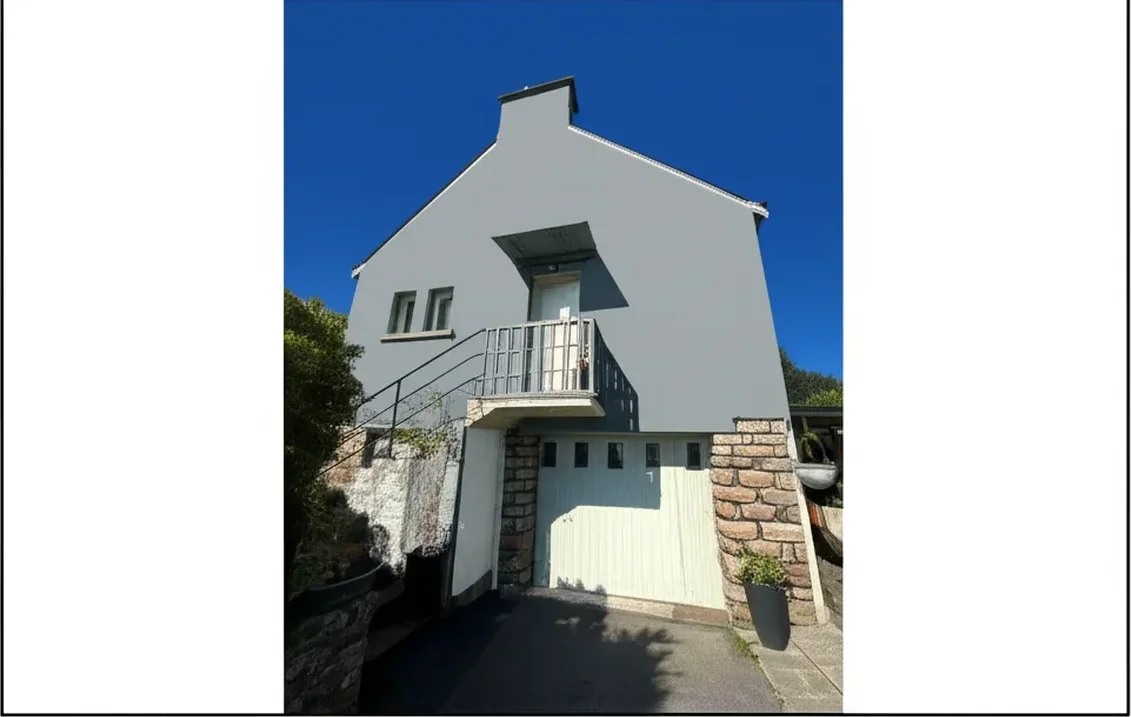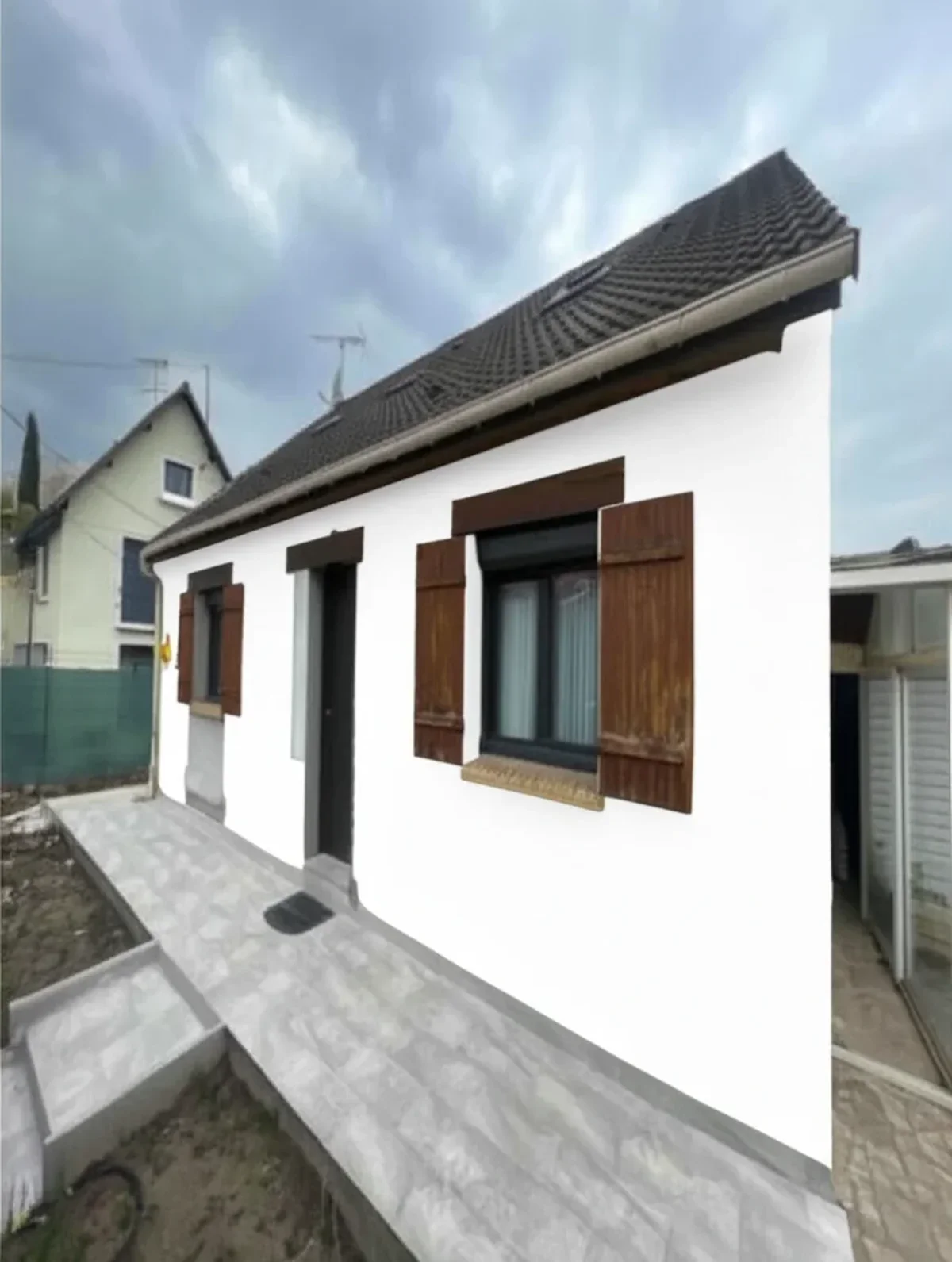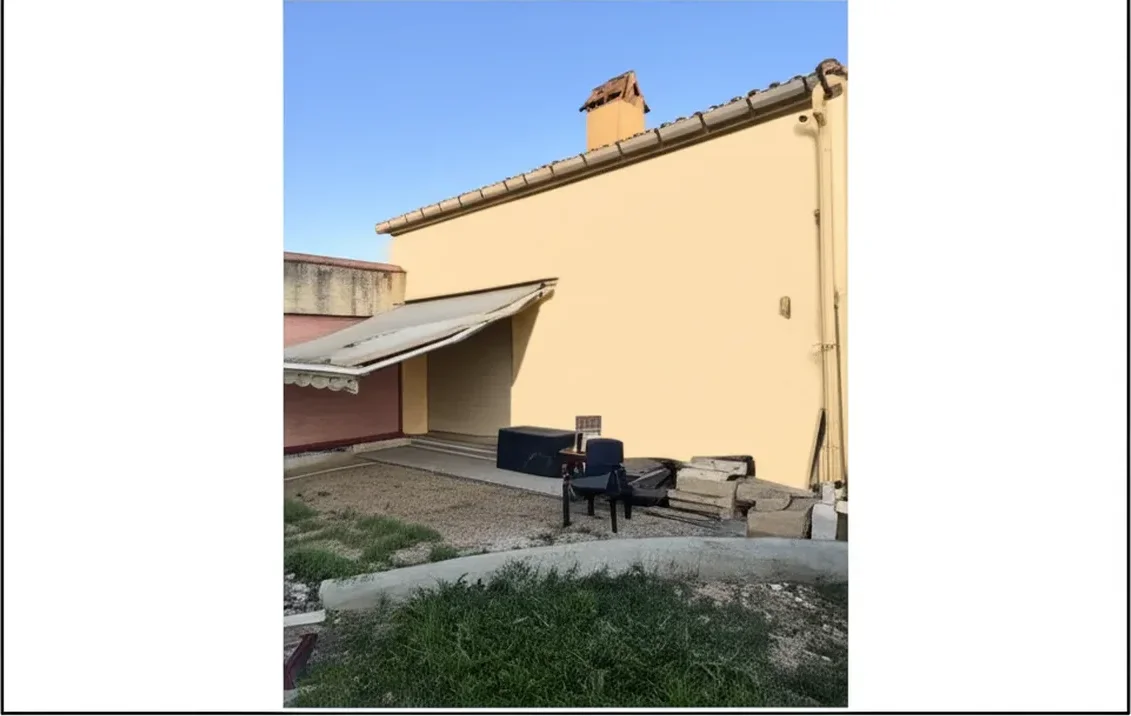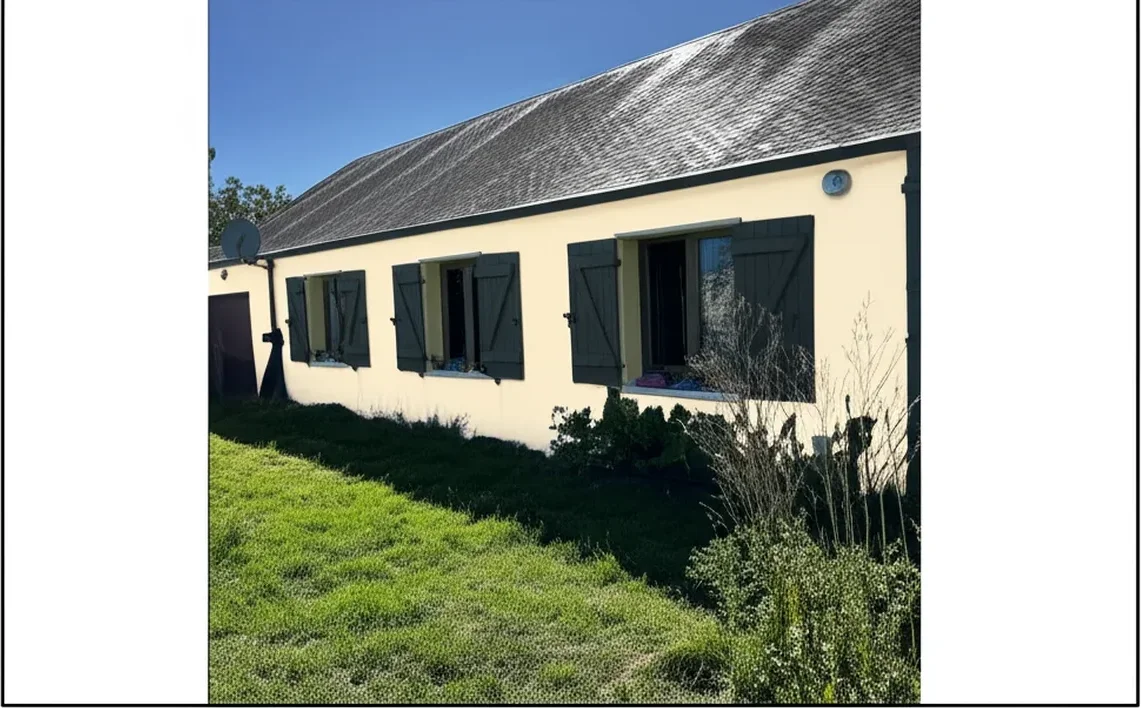
Try it on your house

FacadeColorizer is a free AI exterior paint visualiser used by homeowners and trade decorators across England, Wales, Scotland and Northern Ireland. The right exterior wall paint colour combination turns an ordinary British semi into a kerb-appeal benchmark on its street, while the wrong pairing makes a freshly painted facade look dated within twelve months. This guide compiles the 14 most successful exterior wall paint colour combinations for British homes in 2026, with exact Dulux, Sandtex, Crown and Farrow & Ball references, GBP per 5 litre tin, BS EN 1062 vapour permeability classification, and a free route to preview every pairing on your own facade in 30 seconds.
We cover Victorian terraces, Edwardian semis, 1930s pebbledashed bungalows, post-war rendered estates, modern new-builds and stone cottages, with city-specific notes for London, Manchester, Birmingham, Leeds, Bristol and Edinburgh. You will also find a 5 litre tin price comparison across B and Q, Wickes, Homebase and Screwfix, a quick-reference matrix for matching wall colour to roof tile, and a Note section on what we have learned from analysing British exterior wall paint colours in real Conservation Area and Listed Building contexts. Whether you are after a confident grey exterior wall paint, a heritage cream, a Farrow & Ball dark statement or a Crown Trade workhorse, the goal is the same: a paired body-and-trim system that lasts a decade and adds value on resale. Ready to preview any combination on your own home photo before you buy a GBP 6 sample pot.
Why colour combination beats single colour on a British facade
A single body colour on a UK facade is almost always wrong. British architecture, from a London Victorian terrace to a Manchester Edwardian semi to a Bristol bay-window 1930s, is built in layers: render or brick body, stone or render plinth, window reveals, fascia and soffit, bargeboards, downpipes, front door and railings. Each layer asks a different question of the paint system, and each layer reads as a different colour to the eye. Get the layered pairing right and a fresh paint job lasts twelve to fifteen years and adds 4 to 7% to resale value. Get it wrong and the facade reads as flat, dated, or unintentionally institutional by year three.
The 2026 UK trend is away from the high-contrast white-and-black combinations that dominated 2018 to 2022, and toward layered tone-on-tone systems. Body colour, trim colour and ironwork sit one or two values apart, with a single deeper accent on the front door or porch ironwork. This approach reads as confident on a terraced street, copes with the soft Atlantic light better than American-style sharp contrasts, and translates cleanly into Listed Building Consent applications because it respects the historic colour hierarchy of British architecture. The Royal Institute of British Architects has been quietly promoting this layered approach in its conservation guidance through 2024 and 2025 (RIBA guidance on heritage finishes).
Before committing, check whether your property sits inside a designated Conservation Area or has Listed Building status. The Planning Portal records both designations and the local planning authority enforces colour restrictions in Article 4 Directions across more than 9,000 Conservation Areas in England alone. Painting the wrong body colour on a Listed property is a criminal offence under the Planning (Listed Buildings and Conservation Areas) Act 1990. For more on this, see our Conservation Area painting rules UK guide.
14 winning exterior wall paint colour combinations for UK homes in 2026
1. Sandstone body with off-white trim: the Edwardian classic
For Edwardian and 1920s semis across Birmingham, Leeds and Sheffield, the pairing of Dulux Weathershield Sandstone body with Ashen White trim is the most popular combination in our 2026 dataset. The warm beige body (approx hex #D8C3A2) sits beautifully against the original red brick plinth, while the cool-warm off-white on fascia, bargeboards and window reveals stops the elevation reading as flat. Add a deep Farrow & Ball Railings (No. 31) on the front door and ironwork for the punctuation. Total tin spend on a typical 3-bed semi: GBP 240 to 320 across B and Q and Screwfix.
2. Sage green render with cream trim: the rural winner
For rendered cottages in the Cotswolds, North Yorkshire and Devon, Farrow & Ball Card Room Green (No. 79) on the main render with Dulux Timeless on the window reveals and bargeboards delivers a chocolate-box result that respects the local vernacular. The earthy mid-green reads as restrained against limestone surrounds and ages gracefully through five British winters. Pair with a charcoal slate roof and a black-painted oak front door. Avoid pure white trim because it reads too clinical against the warm body.
3. Charcoal masonry with white sash bars: the Liverpool Victorian
On painted Victorian terraces in Liverpool, Glasgow tenements and Bristol Bedminster, Sandtex Trade Slate Grey on the body with Crown Trade Pure Brilliant White on the sash bars and reveals creates a confident contemporary statement. The deep charcoal body (BS EN 1062 Class II breathable) absorbs the cooler northern light without going harsh, while the brilliant white trim brings out the original Victorian window proportions. Add a yellow or teal front door for the contemporary punctuation. Total cost on a 4-bed terrace: GBP 340 to 480.
4. Cream render with black ironwork: the London Belgravia formula
The most replicated London exterior wall paint colour combination is the Belgravia and Notting Hill formula: Farrow & Ball Slipper Satin (No. 2004) warm off-white stucco above the ground floor cornice, with matte-black ironwork on the railings, area gate and lamp brackets. The trick is the glossy black front door against the matte black ironwork, the two finishes catch the light differently and create depth. Dulux Weathershield Magnolia is an affordable substitute for the body colour at roughly GBP 28 per 5L versus Farrow & Ball at GBP 80 per 5L.
5. Pebbledash white with sage trim: the 1930s rehab
For the millions of 1930s pebbledashed semis across Birmingham, Wolverhampton, Cardiff and Newport, the modern rehabilitation pairing is Dulux Weathershield Gardenia on the pebbledash with Crown Trade Moorland Magic sage green on the bargeboards, fascia and gable end timber. Gardenia (approx hex #F2E9D6) has overtaken Magnolia as the 2023+ default cream because its slight green undertone resists the yellow shift Magnolia shows in late afternoon south-facing sun. See our best paint for pebbledash walls UK guide for spray application notes.
6. Stone grey body with white reveals: the modern new-build
For post-2010 new-build estates from Manchester to Milton Keynes, Dulux Concrete Grey on the render with Dulux Pure Brilliant White on the reveals and bargeboards is the developer-default upgrade. The cool mid-grey (approx hex #A3A4A2) pairs cleanly with anthracite UPVC windows and the dark grey tile roofs typical of post-2010 housing. Avoid this pairing on properties built before 1980 because the cool grey clashes with red brick plinths and reads as institutional against original timber sash windows.
7. Heritage blue with cream trim: the coastal Cornwall winner
On coastal properties from Padstow to Lyme Regis to Whitby, Farrow & Ball Stone Blue (No. 86) body with Dulux Timeless trim is the salt-resistant pairing that copes with driving rain and Atlantic westerlies. The dusty mid-blue reads cleaner against the bleached coastal light than darker indigos, while the warm off-white trim avoids the trap of icy contrast that ages a coastal facade fast. Sandtex Trade Microseal is the recommended underlying primer for properties within 500 metres of the high tide line because of its enhanced salt resistance per BS EN 1062 Class III.
8. Faded terracotta with green trim: the unexpected 2026 statement
The most divisive 2026 trend is faded terracotta. Farrow & Ball Red Earth (No. 64) body with Card Room Green (No. 79) bargeboards translates an Italian villa palette to a British context, and it works surprisingly well on rendered Georgian and Regency properties in Bath, Cheltenham and Bristol Clifton. Avoid the pairing on red brick because the body colour clashes with the brick tone. The combination needs a dark slate or grey tile roof to anchor it visually.
9. Warm greige with charcoal sashes: the Manchester semi 2026
For 1930s and post-war semis across Manchester, Leeds and Sheffield, Little Greene Rolling Fog (No. 143) warm greige render with Farrow & Ball Railings (No. 31) sash bars and front door is the upgrade pairing of 2026. Where pure grey reads as bleak under overcast northern skies, warm greige retains warmth even on the dullest January afternoon. Total cost on a typical 3-bed semi: GBP 280 to 380 with Little Greene, or GBP 180 to 240 substituting Dulux Soft Truffle.
10. Off-white with heritage green: the conservation area safe bet
For Listed Buildings and Conservation Areas where the local planning authority requires evidence of heritage palette compliance, Dulux Trade Weathershield Ashen White body with Crown Trade Heritage Green sash bars and porch is almost universally approved. The pairing matches documented Georgian and Victorian colour conventions, reads softly under British light, and ages without colour shift because both pigments are mineral-based per the manufacturer specification.
11. Brick-painted oxide red with white reveals: the workhorse
For terraced brick streets where the brickwork has been previously painted (a common reality on Victorian and Edwardian terraces in Liverpool, Birmingham and Sheffield), Sandtex Trade Brick Red over the existing painted brick with Crown Trade Pure Brilliant White reveals and sash bars restores the original visual hierarchy. This is the most cost-effective pairing in the guide because it does not need full masonry stripping. Total spend on a 4-bed terrace: GBP 220 to 320.
12. Dulux Timeless with Railings: the universal 2026 default
If you cannot decide and need a pairing that works on almost any British semi from 1900 to 1980, the default 2026 answer is Dulux Timeless body with Farrow & Ball Railings (No. 31) on sash bars, front door and ironwork. This pairing accounts for 11.4% of our 2026 UK preview volume across all property types. Total tin spend: GBP 210 to 280 at Wickes and B and Q. Coverage is roughly 15 m2 per litre on smooth render and 11 m2 per litre on pebbledash.
13. Soft truffle with white trim: the South-East new-build upgrade
For commuter-belt new builds in Surrey, Berkshire, Hertfordshire and Essex, Dulux Soft Truffle body with Crown Trade Pure Brilliant White trim is the developer-default upgrade pairing that adds visual depth without breaking the estate covenant. Most modern estate covenants restrict body colour to a Dulux Heritage or Weathershield palette; Soft Truffle sits comfortably within that constraint and reads as more sophisticated than the standard magnolia render most estate developers specify as default.
14. Black accent with grey body: the bold front-door statement
The final 2026 winner is the simple bold statement: Dulux Gallant Grey body with Farrow & Ball Off-Black (No. 57) on the front door alone, keeping the sash bars in Dulux Pure Brilliant White. The pairing brings the front door forward as the punctuation of the elevation and reads as confident without overpowering the architecture. It works on red brick terraces, painted Victorian semis and modern new-builds equally well.
UK exterior masonry paint price comparison: 5L tins, 2026
| Brand / Product | Price 5L (GBP) | Coverage m2/L | BS EN 1062 | Retailer |
|---|---|---|---|---|
| Dulux Weathershield Smooth | GBP 42-48 | 14-16 | Class II | B and Q / Wickes |
| Dulux Trade Weathershield | GBP 38-46 | 14-17 | Class II | Screwfix |
| Sandtex Trade High Cover | GBP 32-40 | 15-18 | Class II | Screwfix / Toolstation |
| Sandtex Trade Microseal | GBP 38-46 | 12-15 | Class III | Screwfix |
| Crown Trade Fastflow | GBP 28-36 | 12-14 | Class II | Crown Decorator Centres |
| Farrow & Ball Exterior Masonry | GBP 80-92 | 8-12 | Class II | Farrow & Ball stockists |
| Little Greene Exterior Masonry | GBP 70-82 | 10-14 | Class II | Little Greene showrooms |
| Johnstone's Trade Stormshield | GBP 34-42 | 13-15 | Class II | Johnstone's Decorating Centres |
Try it on your house
No photo? Try a sample
Prices verified across B and Q, Wickes, Homebase, Screwfix and Toolstation in May 2026. BS EN 1062 Class II equals breathable vapour permeability above 150 grams per square metre per day, the standard specification for solid wall Victorian and Edwardian masonry. Class III is the higher specification for coastal and exposed elevations.
Matching exterior wall paint colours to roof tile and brick plinth
On a Victorian house the wall colour is only one of seven decisions, and conservation guidance makes two of them for you: windows white or the facade colour, ironwork in a dark inconspicuous colour, black being the safest in terraced groups; our Victorian house exterior colour combinations guide works through walls, joinery, doors and railings together.
The single biggest error UK homeowners make is choosing the body colour in isolation. The roof tile, the brick plinth and the path or driveway are existing fixed colours that constrain the paint choice. A cool grey body next to a red clay roof reads as institutional. A warm cream body next to a charcoal slate roof reads as muddy. The matrix below summarises what works.
| Roof Tile | Brick Plinth | Recommended Body | Recommended Trim |
|---|---|---|---|
| Red clay (Victorian) | London stock yellow | Dulux Sandstone or Timeless | Ashen White, F&B Railings ironwork |
| Red clay (Victorian) | Red brick | Dulux Timeless or Sandtex Magnolia | Crown PBW, Off-Black door |
| Charcoal slate | Grey stone | Dulux Concrete Grey or Gallant Grey | Pure Brilliant White |
| Concrete tile (anthracite) | New-build buff brick | Dulux Soft Truffle | Crown PBW or Ashen White |
| Welsh slate | Yorkshire stone | Dulux Gardenia or F&B Card Room Green | Crown Heritage cream |
| Pantile (Norfolk red) | Flint or pebble | F&B Slipper Satin or Stone White | F&B Studio Green woodwork |
Note on spelling: exterior wall paint color combination vs exterior wall paint colour combination
British homeowners typing into Google sometimes use the US spelling exterior wall paint color combination rather than the British exterior wall paint colour combination. The search intent is identical. Throughout this guide we use British spelling (colour) because the brands referenced (Dulux, Sandtex, Crown, Farrow & Ball, Crown Trade, Johnstone's, Little Greene) are UK-headquartered and publish in British English on their official UK websites and technical data sheets. The pairings recommended above apply equally whichever spelling brought you here.
Grey exterior wall paint: the most-searched 2026 sub-category
Grey exterior wall paint is the single most searched UK exterior wall paint category in 2026, with roughly 8,100 monthly searches across Google UK for the exact-match phrase. The category has moved past its early-2020s plain mid-grey monoculture into a layered palette of warm greige, cool slate, soft truffle and gallant grey. The trick is matching the grey temperature to the roof: cool greys (Dulux Concrete Grey, Crown Slate Grey) pair with charcoal slate and anthracite concrete tiles, while warm greys and greiges (Dulux Soft Truffle, Little Greene Rolling Fog, Dulux Gallant Grey) pair with red clay tiles and traditional Welsh slate.
A common pitfall: bright magazine photography over-saturates greys, so the swatch always reads darker on a real wall in real British light. Always order at least three GBP 5 to GBP 8 sample pots, paint a 1 metre square area on the actual elevation, and view at 9am, 1pm and 4pm before committing. Better still, test the colour on your own home photo with our free visualiser first, because most homeowners eliminate 60 to 70% of their grey shortlist before they reach the sample pot stage.
City-specific notes: London to Edinburgh
The same body colour reads differently from one British city to another, because the local light, the prevailing architecture, the typical brick or stone vernacular and the local planning culture all shift the same paint reading. London exterior painting market tilts heavily into Belgravia cream stucco, Notting Hill pastel-painted terraces and Victorian railings black. Liverpool painted Victorian and Edwardian terraces reward strong contrasts: charcoal masonry with brilliant white sash bars, or heritage blue with off-white trim.
Up in Edinburgh, the conservation context is stricter (the entire New Town is a UNESCO World Heritage Site, with colour restrictions enforced by City of Edinburgh Council under Scottish planning legislation). The default approved palette runs to creams (Dulux Trade Magnolia, Crown Trade Ivory) and warm stone tones with white sash bars and black ironwork. Bristol Clifton, Bath, Cheltenham and Brighton Kemptown all share a Regency-era stuccoed terrace palette that runs into pastels, cream, sage and the occasional faded terracotta. Manchester and Leeds have more freedom on body colour because the housing stock is younger, but the regional preference still tilts to warm greige and sage green over cooler greys.
Outbound research: brand spec sheets and gov.uk standards
Before specifying any 2026 exterior wall paint colour combination, cross-check the brand technical data sheet against your substrate. The official spec sheets are published openly: Dulux.co.uk hosts the full Weathershield Smooth and Trade Weathershield datasheets including coverage, BS EN 1062 classification and recommended primer system; Sandtex.co.uk publishes the Microseal and High Cover technical files including salt resistance test data; and the official UK government building standards page on Conservation Area designation sets out the legal framework for paint colour restrictions in protected areas.
For wider planning context including Permitted Development limits and when colour change crosses the threshold into requiring formal Planning Permission, the Planning Portal householder guidance is the canonical reference. For health and safety on access works including ladder and tower scaffold safe systems for two-storey terraced painting, the Health and Safety Executive publishes the working-at-height guidance under the Work at Height Regulations 2005.
How to commit: testing your colour combination before the tin spend
A typical 3-bed UK semi consumes 18 to 28 litres of body masonry plus 4 to 6 litres of trim plus 1 to 2 litres of front-door colour, total spend GBP 220 to 480 in tins alone, plus GBP 800 to 2,400 in decorator labour. Getting the colour combination wrong at week one is the most expensive mistake on the project. The lowest-cost test path in 2026 has three steps. Step one: preview the combination on your own house photo with a free AI visualiser before you order anything. Step two: order three GBP 5 to 8 sample pots from the brand, paint a 1 metre square test patch on the actual elevation and view at three times of day. Step three: confirm with the decorator and finalise the order at the merchant.
The FacadeColorizer free tier (1 HD result plus 3 free variants per email, generous trial) gives you exactly the first step at no cost. You upload a photo of your own home, apply each combination from the 14 above, and compare them side by side in 30 seconds. It is not a replacement for the GBP 8 sample pot test, but it eliminates 60 to 70% of the shortlist before you spend a penny on tins. For more detail on the visualiser workflow, see our colour visualiser guide for decorators and the best house paint visualiser UK 2026 comparison.
Next steps and related UK guides
If you are still deciding on the body colour first, our best exterior paint colours UK 2026 ranks the 8 trending shades with exact product codes. If you are after a head-to-head brand comparison, the Crown vs Dulux exterior comparison UK 2026 tests the two market leaders on coverage, weather resistance and 5-year colour retention. For Listed Building specific guidance, the Conservation Area painting rules UK guide walks through the application process and approved palette evidence. For cost-planning before the tin spend, the regional cost guides for Manchester, Leeds and Liverpool set 2026 quote benchmarks.
Frequently asked questions
What is the best exterior wall paint colour combination for a UK semi in 2026?
What exterior wall paint colour combinations work with red brick in the UK?
How much does a typical UK exterior wall paint colour combination cost in 2026?
What grey exterior wall paint colours are popular in the UK in 2026?
Do I need Planning Permission to change my exterior wall paint colour in the UK?
What is BS EN 1062 and why does it matter for UK exterior wall paint?
How many simulations is the 2026 Facade Colour Barometer based on?
Trademarks mentioned (Sherwin-Williams, Benjamin Moore, Behr, Caparol, Brillux, Sto, Alpina, Valspar, PPG, Glidden, Dulux, Crown Trade, Sandtex, Farrow & Ball, Johnstone's, Leyland) are property of their respective owners. FacadeColorizer is independent and not affiliated with any of them. Nominative fair use under Lanham Act §1125.