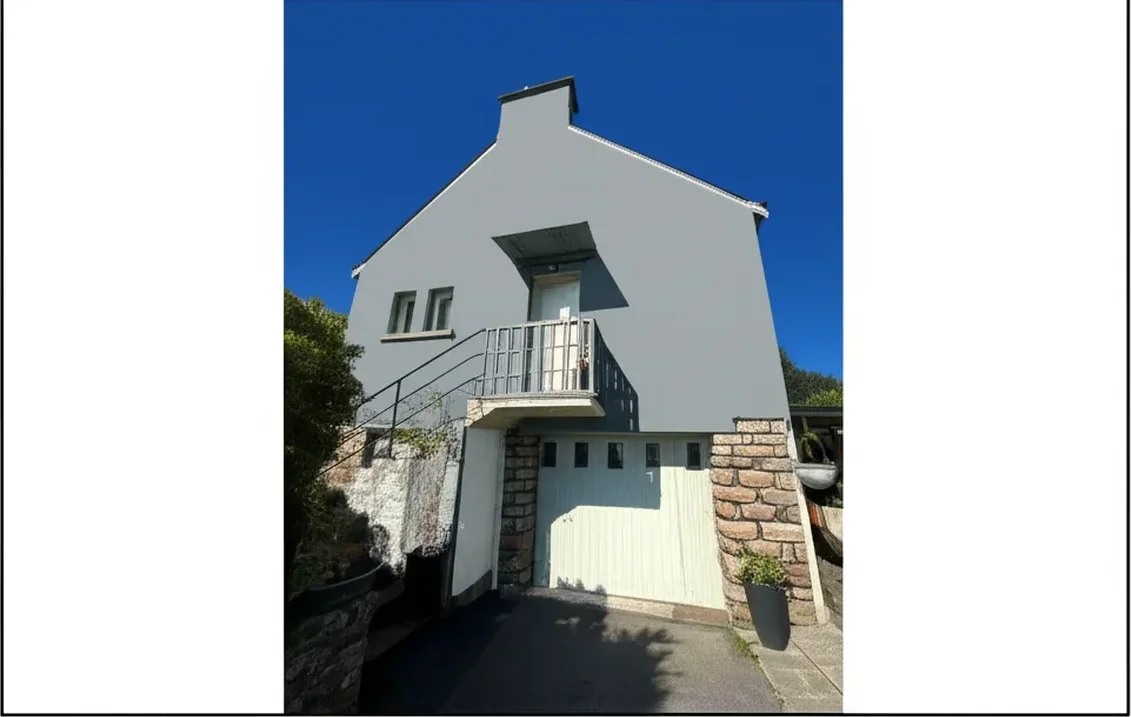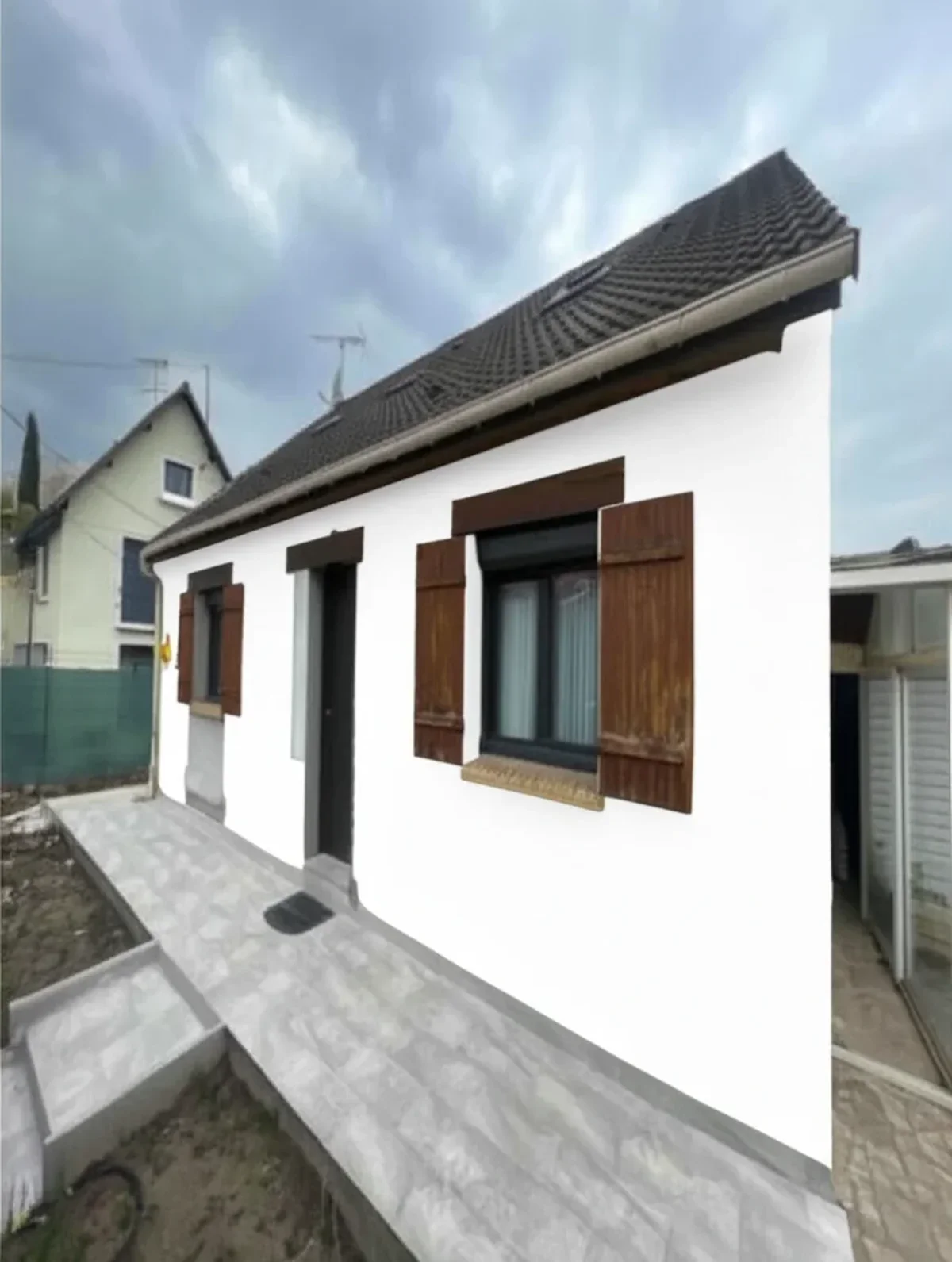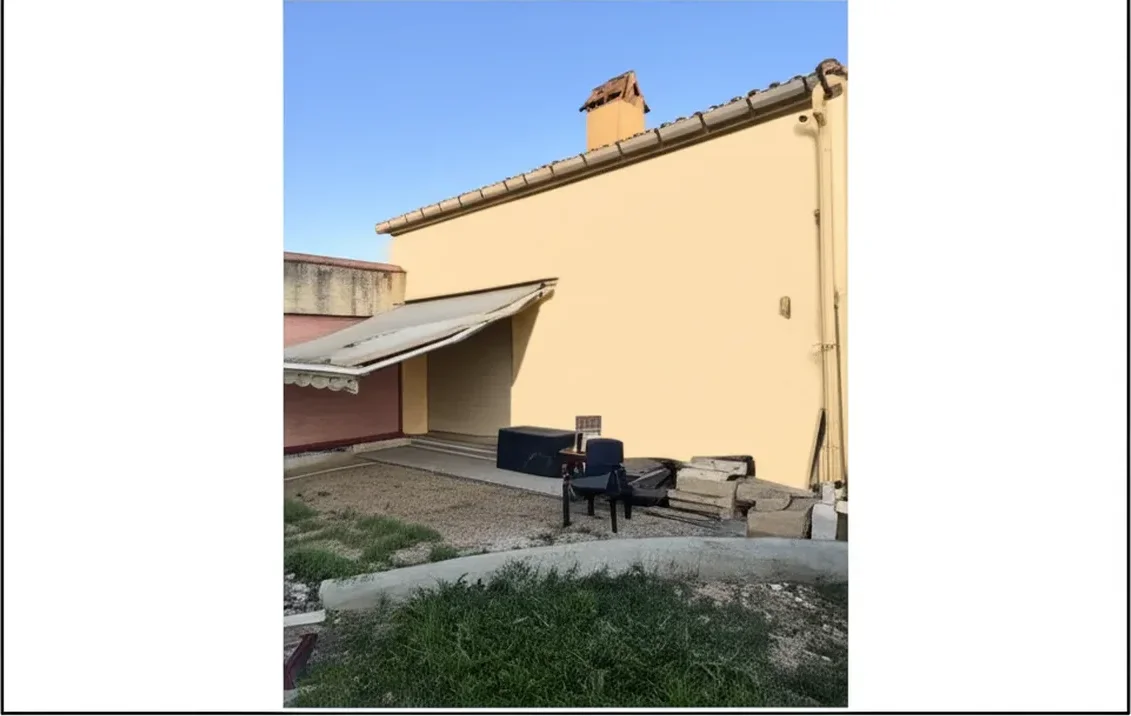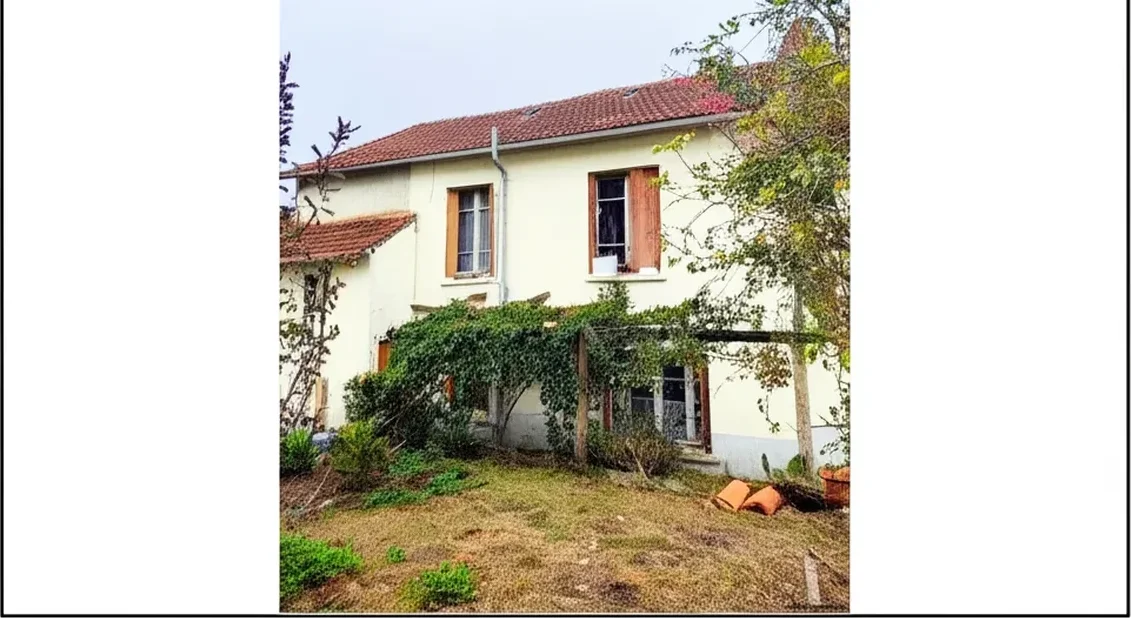
Try it on your house

FacadeColorizer is a free AI exterior colour visualiser for British homes. The most searched pink outdoor paint shades in the UK for 2026 are dusty rose, soft blush, Suffolk pink, coral terracotta and chalk pink, with Dulux Weathershield Smooth Masonry, Sandtex 10 Year Exterior Paint, Crown Trade Clematis, Farrow & Ball Exterior Masonry and Cuprinol Garden Shades dominating shelves at B&Q, Wickes and Screwfix from 36 to 78 GBP per tin.
This 2026 guide compares the leading UK pink outdoor paint options across masonry, wood and metal substrates: opacity, weather resistance under driving rain and freeze-thaw, BS EN 1062 exterior coating classes, application advice for Atlantic westerlies and real GBP pricing at B&Q, Wickes and Screwfix. You will find dedicated sections on pink outdoor wood paint for fences, sheds and front doors, pink masonry paint for render and brick, a coverage table in square metres per litre, application notes for British climate and a free way to preview every pink shade on your own facade in 30 seconds before you spend 48 GBP on a 5 litre tin you might not use.
For complementary palettes once you have settled on a pink, see our best exterior paint colours UK 2026 guide, and for cottage-specific pink to cream pairings see our cottage exterior paint colours guide.
The 8 Most Popular Pink Outdoor Paint Colours in the UK for 2026
Pink is the surprise British exterior shade of 2026. After a decade of charcoal, slate grey and off-white rendered elevations dominating new-builds across Manchester, Leeds, Bristol and Birmingham, a generation of homeowners is rediscovering historic pinks for cottages, terraced fronts, garden rooms, front doors and render bands on suburban semis. East Anglia has always painted in pink (the famous Suffolk pink villages), and a soft revival is spreading through the Cotswolds, the South Downs and parts of east London. The eight shades below cover the searches and Wickes basket data driving the 2026 pink revival.
1. Suffolk Pink: the heritage British neutral
Suffolk pink is the historic English exterior pink, made traditionally by mixing pig's blood, sloes or rosehips into lime render in Lavenham, Long Melford, Coggeshall and Kersey since at least the 14th century. It is the only mainstream British pink that reads as period-correct on a half-timbered or lime-rendered cottage. Dulux Weathershield Smooth Masonry in Old English Pink at 48 GBP per 5 litres delivers a flat, breathable finish with proven 15-year weather durability under BS EN 1062-1. For period authenticity, Farrow & Ball Setting Plaster No. 231 in Exterior Masonry at 78 GBP per 5 litres is the closest match to historic lime-and-pigment Suffolk pink. Suffolk pink belongs to a small family of British regional heritage shades tied to a specific lime tradition, and the South West equivalent is Cornish cream exterior masonry paint, the buttery off-white that has covered granite and cob cottages from Penzance to Padstow for three centuries. If your property sits outside East Anglia, that regional match is usually the more period-correct starting point.
2. Dusty Rose: muted, modern, forgiving
Dusty rose sits between Suffolk pink and chalk pink, muted enough to look contemporary on a 1930s semi in Croydon or a new-build in Reading, soft enough to suit any planting palette in a back garden. Sandtex 10 Year Exterior Masonry Paint in Dusty Rose at 44 GBP per 5 litres is the most-bought dusty rose at Sandtex's registered UK stockists, with a microseal water-repellent additive that handles freeze-thaw cycles in north-facing valleys from Sheffield to Glasgow without micro-cracking. Pair dusty rose masonry with Farrow & Ball Wimborne White window reveals for a quietly luxurious south-west London terrace look.
3. Soft Blush: warm, pale, north-light friendly
Soft blush is the lightest mainstream pink still considered architectural rather than residential-twee in 2026. It pairs powerfully with cream-rendered upper floors, pale Cotswold stone window surrounds and white timber sash window joinery on Edwardian and Victorian semis in Edinburgh, Bath and Bristol. Dulux Heritage Pink Slip at 42 GBP per 2.5 litres delivers a barely-there pink with strong period authority. For exterior wood, Johnstone's Trade Stormshield Soft Blush at 38 GBP per 2.5 litres carries a BS EN 927-3 high durability rating for fascia boards, soffits and front doors.
4. Coral Terracotta: warm orange-pink for stucco
Coral terracotta is the warmest mainstream exterior pink in 2026, with strong orange undertones that pop against white or cream window reveals. It works best on traditional stucco frontages in Brighton, Hove and parts of Cheltenham. Dulux Weathershield Smooth Masonry in Coral Terracotta at 48 GBP per 5 litres is the most-stocked option at B&Q. The shade is best matched with off-white window joinery (Dulux Trade White Cotton, never brilliant white) and a slate or grey clay tile roof rather than a red clay tile, to avoid the over-warm "Mediterranean villa" effect that dates a British facade quickly.
5. Chalk Pink: cool, contemporary, ultra-pale
Chalk pink is the cool sister to soft blush, reading almost off-white at distance with a barely perceptible pink ghost. It is the 2026 trend shade for owners wanting the warmth of pink without committing to a colour that reads obviously pink from the kerb. Crown Trade Clematis Chalk Pink at 39 GBP per 2.5 litres works on cladding boards, garage doors and contemporary garden rooms. Pair chalk pink with grey fibre cement weatherboard and polished concrete for a quintessential modern British coastal-house aesthetic, seen increasingly in Pembrokeshire, Northumberland and along the Suffolk coast.
6. Plaster Pink: rich, architectural, deeper pink
For owners wanting a pink with real presence at distance, plaster pink is the deep architectural choice. Farrow & Ball Setting Plaster No. 231 at 78 GBP per 5 litres Exterior Masonry is the premium pick for owners of period properties in Hampstead, Clifton or Edinburgh's New Town. For trade-spec at lower cost, Leyland Trade Exterior Smooth Masonry in Plaster Pink at 36 GBP per 5 litres holds its own on most suburban semis. Plaster pink reads quite different at noon (warm, terracotta-leaning) versus 5pm British summer light (cooler, almost rose), which is exactly why previewing it on your own home photograph is essential before you buy.
7. Garden Rose: pink outdoor wood paint for sheds and fences
Garden rose is the leading 2026 British pink outdoor wood paint shade for fences, sheds, summer houses and garden gates, technically a stain-paint hybrid rather than a true paint. Cuprinol Garden Shades in Sweet Pea at 32 GBP per 5 litres is the most-sold pink outdoor wood paint at Wickes for 2026, with a 6-year guarantee on shed cladding and 4 years on fence panels. Compare it directly with Ronseal Garden Paint in Pink Pebble at 28 GBP per 2.5 litres if you prefer a more chalky, pale finish with a closer Suffolk-pink read.
8. Salmon: brick-friendly mid-warm pink
For homeowners with red or buff London stock brick who need to refresh painted render bands, garage doors or porch surrounds without clashing, salmon pink delivers harmony rather than contrast. Sandtex Microseal in Salmon Pink at 44 GBP per 5 litres handles uneven brick render and pebbledash patches without lap marks; its self-priming formulation reduces a typical two-day job to one weekend, even in damp early-spring conditions.
Pink Outdoor Paint Specifications: Coverage, Weather Class, GBP Prices
The table below compares the seven leading UK pink outdoor paint products by tin size, coverage in square metres per litre on smooth render, BS EN 1062 weather class and street price at B&Q, Wickes and Screwfix in early 2026. Coverage on pebbledash or textured render is typically 50 to 60% of the smooth-render figure, so always double-check before you buy.
| Product | Tin size | Coverage (m2/L smooth) | BS EN 1062 class | Recoat life | Price (GBP) |
|---|---|---|---|---|---|
| Dulux Weathershield Smooth Masonry | 5 L | 14 | A1 | 15 years | 48 |
| Sandtex 10 Year Exterior | 5 L | 13 | A2 | 10 years | 44 |
| Crown Trade Clematis | 5 L | 12 | A2 | 10 years | 42 |
| Johnstone's Trade Stormshield | 5 L | 12 | A2 | 8 years | 38 |
| Leyland Trade Smooth Masonry | 5 L | 11 | B1 | 6 to 8 years | 36 |
| Farrow & Ball Exterior Masonry | 5 L | 10 | A2 | 12 years | 78 |
| Cuprinol Garden Shades (wood) | 5 L | 12 | n/a (wood) | 6 years shed | 32 |
Try it on your house
No photo? Try a sample
A typical British semi has 60 to 80 square metres of front-and-side rendered or pebbledashed elevation. For two coats of any pink masonry paint above, budget two 5 litre tins for smooth render or three tins for pebbledash. Total paint spend for a pink refresh on a semi works out at 72 to 234 GBP depending on the chosen brand. Pinks need particularly careful surface preparation: any moss, algae or efflorescence salts that would be invisible under grey or charcoal will show as patches under chalk pink or soft blush. Treat the substrate with a fungicidal wash 48 hours before painting, ideally before a 24-hour dry spell.
UK Climate and Pink Pigment: Why Pinks Fade Faster than Greys
Pink outdoor paint pigments are sensitive to UV light in a way that greys, browns and off-whites are not. Iron oxide reds, the pigment base for most exterior pinks, gradually lose chroma in direct sunlight, especially on south and south-west facing elevations. Combined with British driving rain and freeze-thaw cycles in the north and Scotland, this means a 10-year recoat interval for a south-facing pink elevation is realistic; for north-facing or sheltered pinks, expect 12 to 15 years from a premium product. The Health and Safety Executive provides exterior coatings application guidance at hse.gov.uk that is worth reviewing for safe use of fungicidal washes and exterior solvents.
British climate splits the country into three exterior coatings zones. Zone 1 (south-east and south-west coasts) faces UV exposure plus salt spray; pinks here benefit from premium A1 weather class products like Dulux Weathershield. Zone 2 (Midlands and north of England) faces moderate driving rain (100 to 150 wet days/year); A2 class products like Sandtex 10 Year Exterior are usually sufficient. Zone 3 (Scotland, north-east coast, Welsh uplands) faces high driving rain (150+ wet days/year) plus freeze-thaw; here, only A1 or A2 class with proven track record (Dulux Weathershield, Farrow & Ball Exterior Masonry, Sandtex Microseal) should be considered.
Listed Buildings, Conservation Areas and Pink Paint in the UK
If your home is a Listed Building (Grade I, Grade II* or Grade II in England, Wales and Northern Ireland; Category A, B or C in Scotland), a colour change from cream to soft blush, dusty rose or Suffolk pink usually requires Listed Building Consent from your local authority. The Planning Portal at planningportal.co.uk sets out the application process. Heritage colour advice often favours Suffolk pink and soft blush on listed lime-rendered or half-timbered cottages in East Anglia, the Cotswolds and Devon; modern coral terracotta and chalk pink are typically rejected on listed elevations as historically inauthentic.
If your home sits within a Conservation Area, your Permitted Development rights for repainting may be reduced under an Article 4 Direction. London boroughs such as Camden, Westminster, Kensington and Chelsea, Hackney and Islington have multiple Conservation Areas with Article 4 Directions covering colour changes. Brighton and Hove, Bath, Edinburgh and Bristol operate similar regimes. Where Article 4 is in force, a switch from cream render to Suffolk pink render usually triggers a full Planning Application. Citizens advice on planning rights is summarised at Citizens Advice planning permission. See our companion guide on Conservation Area painting rules UK for borough-by-borough notes.
Heritage colour guidance generally accepts pale pinks (Suffolk pink, soft blush, plaster pink) on Victorian and Edwardian semis as historically authentic, particularly in East Anglian villages where pink limewash has been continuously practised. Coral terracotta and brighter salmon are typically considered inappropriate on listed terraces in Bath or Edinburgh's New Town, where pale Cotswold sandstone, lime render and historic cream tones dominate the visual character. For a Conservation Area refresh, Suffolk pink on render combined with off-white window joinery is usually a safe heritage-friendly compromise.
Masonry vs Wood vs Metal: Pink Outdoor Paint Strategies
Most British houses combine three exterior substrates: smooth or textured render (masonry), painted timber (fascia, soffit, sash window joinery, front door, garage door, gable boards), and metal (downpipes, gutters, balustrades, railings, ironwork). A successful pink outdoor scheme uses different products on each substrate, not the same tin everywhere. This is doubly important for pinks, which look like very different colours on render versus painted timber versus glossy metalwork.
Masonry (render, brick, pebbledash): always use a true exterior masonry paint such as Dulux Weathershield, Sandtex Microseal or Crown Trade Clematis. These products are formulated to breathe, releasing trapped moisture vapour rather than blistering. For pebbledash specifically, see our deep-dive guide on best paint for pebbledash walls UK. Pink masonry tends to show patches more clearly than greys; pre-treat any moss or algae with a fungicidal wash.
Timber (fascia, soffit, doors, fences): use a dedicated exterior wood paint or opaque stain such as Sadolin Superdec, Cuprinol Garden Shades or Johnstone's Stormshield. These contain flexibility additives that allow the coating to move with timber expansion and contraction through freeze-thaw cycles. Avoid using exterior masonry paint on timber; it cracks within 18 months. For a soft pink front door, Farrow & Ball Exterior Eggshell in Setting Plaster No. 231 at 75 GBP per 2.5 litres reads beautifully against a Suffolk pink rendered facade.
Metal (downpipes, balustrades, garage doors): use a direct-to-metal paint such as Hammerite, Rust-Oleum Mathys or Crown Trade Quick Drying Gloss with a metal primer. Galvanised steel requires a special galvanised primer or a direct-to-galvanised product such as Hammerite DTG; standard exterior paint flakes from zinc within a single year. For cast iron rainwater goods on a Suffolk pink facade, avoid black: two coats of Hammerite Smooth in Cream or Off-White deliver a softer 10-year finish that complements the pink rather than chopping it visually.
Pink Outdoor Wood Paint: Sheds, Fences, Gates, Summer Houses
A pink fence usually means Cuprinol Garden Shades, the only mainstream fence paint mixed to order from over 90 colours, which needs a minimum of two coats and covers only 3 to 5 m² per litre on rough sawn boards; our fence paint colour chart gives the full coverage and drying figures for it and the three Ronseal and Cuprinol alternatives.
The British pink outdoor wood paint category is dominated by two products: Cuprinol Garden Shades and Ronseal Garden Paint. Cuprinol Garden Shades is a water-based opaque wood stain that lets the grain of cladding boards show through; it carries a 6-year guarantee on sheds and 4 years on fence panels, with a coverage of about 12 m2 per litre on smooth timber. Pink shades in the Cuprinol Garden Shades range include Sweet Pea (mid soft pink), Pink Honeysuckle (cooler dusty pink) and Beach Hut (warm coral). At 32 GBP per 5 litre tin at B&Q, Wickes and Screwfix, it is the value benchmark for fences and sheds.
Ronseal Garden Paint is a solid-colour opaque finish that hides timber grain, available in Pink Pebble (chalky pale pink), Pink Sands (warm blush) and Rose Garden (deeper plaster pink). At 28 GBP per 2.5 litre tin, it is slightly cheaper than Cuprinol per square metre and offers a more uniform finish suitable for modern garden rooms. For a higher-spec opaque wood stain on a garden room used year-round, Sadolin Superdec in Soft Blush at 42 GBP per 2.5 litres carries a BS EN 927-3 high durability rating and a 10-year recoat interval. Sadolin Superdec is the trade decorator's choice for summer houses and outbuildings that double as home offices.
| Wood paint | Shade family | Tin | Guarantee shed | Guarantee fence | Price (GBP) |
|---|---|---|---|---|---|
| Cuprinol Garden Shades Sweet Pea | Mid soft pink | 5 L | 6 years | 4 years | 32 |
| Cuprinol Garden Shades Beach Hut | Warm coral | 5 L | 6 years | 4 years | 32 |
| Ronseal Garden Paint Pink Pebble | Chalk pale pink | 2.5 L | 5 years | 3 years | 28 |
| Ronseal Garden Paint Rose Garden | Deeper plaster pink | 2.5 L | 5 years | 3 years | 28 |
| Sadolin Superdec Soft Blush | Pale opaque pink | 2.5 L | 10 years | 7 years | 42 |
| Johnstone's Stormshield Soft Blush | Pale pink gloss | 2.5 L | 8 years | 6 years | 38 |
| Farrow & Ball Exterior Eggshell Setting Plaster | Heritage plaster pink | 2.5 L | 8 years | n/a | 75 |
Application: Painting Pink in the British Climate
British painting season for exterior pink masonry runs broadly from mid-April to late September, with a sweet spot in May and June where evening temperatures stay above 8 degrees Celsius and rainfall is more predictable than spring. Most pink masonry paints require an application temperature between 8 and 25 degrees Celsius and a dry surface for at least 24 hours after coating. A driving Atlantic rain shower within 4 to 6 hours of application will streak the still-wet paint film, especially with paler pinks (chalk pink, soft blush), where streaks show more clearly than under deeper colours. Check the Met Office 5-day forecast and pick a window with at least 36 hours dry weather forecast. Surface preparation under BS 7079 is essential for a 10-year finish.
For pink outdoor wood paint, the window is more forgiving: Cuprinol Garden Shades dries to touch in 1 hour and is rain-resistant within 4 hours. A typical fence panel takes 250 ml of Garden Shades per face per coat; a 6 by 6 foot panel needs roughly 500 ml total for two coats, so a 5 litre tin covers 10 fence panels with two coats each. Apply with a 4-inch synthetic brush or a short-pile roller, finishing in long vertical strokes parallel to the cladding direction to avoid lap marks. For sheds, treat the roofing felt edges and the base of the cladding with a clear preservative before painting; trapped moisture under pink paint shows through as dark patches within 6 months.
How to test it on your own home before you buy
No third-party report replaces your own walls: the same colour reads differently on a north elevation and a south one, next to red brick or a grey roof, under morning and evening light. Take a daylight photo, upload it to the free AI paint visualiser, and run two or three candidates on the same image so the comparison is fair. Keep the one or two that survive the side-by-side, buy a tester pot of each, and brush them out on the actual surface in the actual light before you order the full quantity.
Preview Your Pink Outdoor Paint Free Before You Buy
A 250 ml sample tin of Dulux Weathershield or Sandtex 10 Year Exterior costs about 8 to 10 GBP, but you usually need to brush it on a small render patch that does not match the colour, texture or weathering of the rest of your facade. The result rarely predicts what the full elevation will look like on a sunny May afternoon. Before committing to 48 GBP per 5 litre tin times two or three tins for a typical 60 square metre semi-detached frontage, see the colour on your own home first. Upload a photo, apply any of the eight 2026 pink outdoor paint shades above, compare Suffolk pink against dusty rose against soft blush side by side, and share the result on your phone with a partner before you drive to B&Q. It takes 30 seconds, the first preview is free, and the AI engine handles smooth render, pebbledash, painted brick, fibre cement weatherboard and timber fascia.
For neighbouring colour planning beyond the pink elevation itself, browse our UK cottage exterior paint colours guide, our companion white outdoor paint UK guide for window reveals and trim, or learn the differences between pink and grey masonry palettes in our best exterior paint colours UK 2026 deep-dive.
Frequently asked questions
What are the most popular pink outdoor paint colours in the UK in 2026?
What is the best pink outdoor wood paint in the UK?
How much does pink outdoor paint cost in the UK in 2026?
How long does pink outdoor paint last in the British climate?
Do I need planning permission to paint my house pink in the UK?
Can I use pink outdoor paint on pebbledash render?
What is Suffolk pink and where can I see real examples?
Trademarks mentioned (Sherwin-Williams, Benjamin Moore, Behr, Caparol, Brillux, Sto, Alpina, Valspar, PPG, Glidden, Dulux, Crown Trade, Sandtex, Farrow & Ball, Johnstone's, Leyland) are property of their respective owners. FacadeColorizer is independent and not affiliated with any of them. Nominative fair use under Lanham Act §1125.