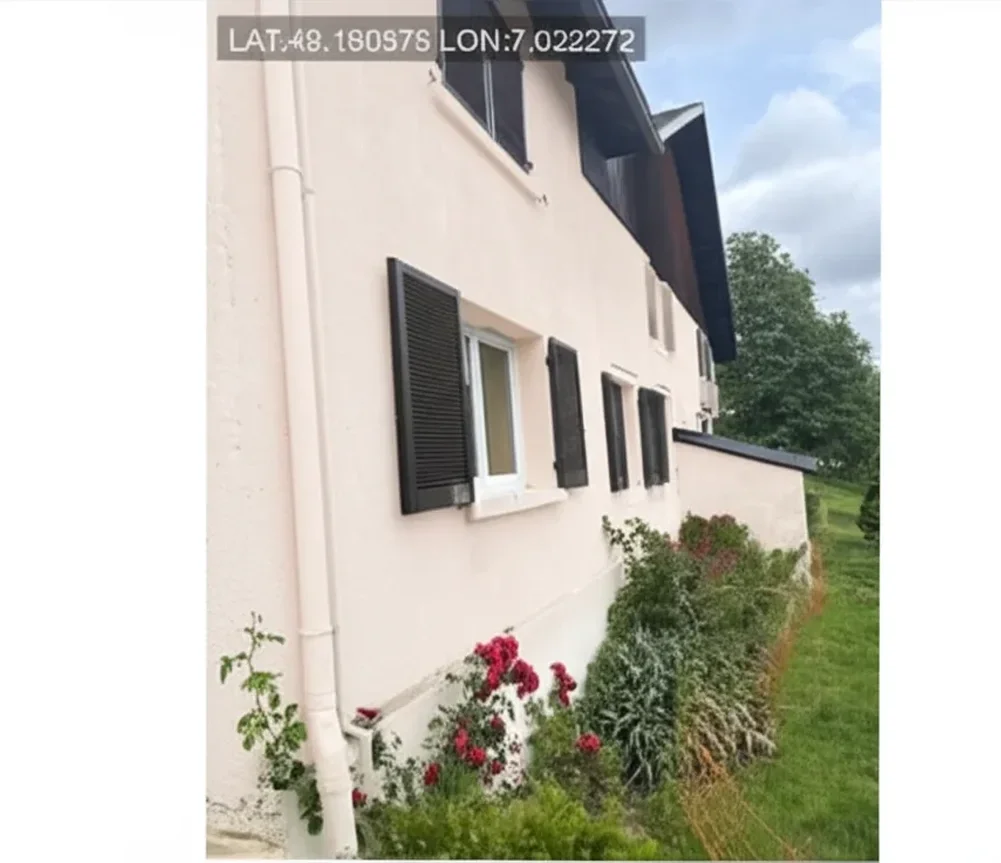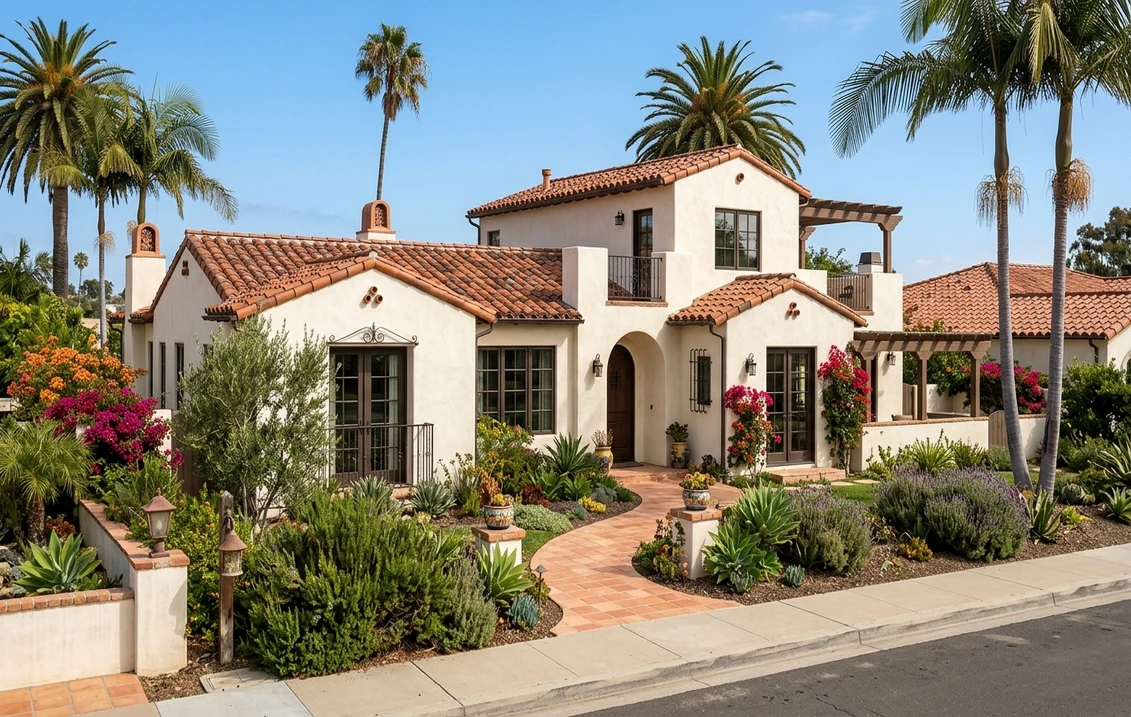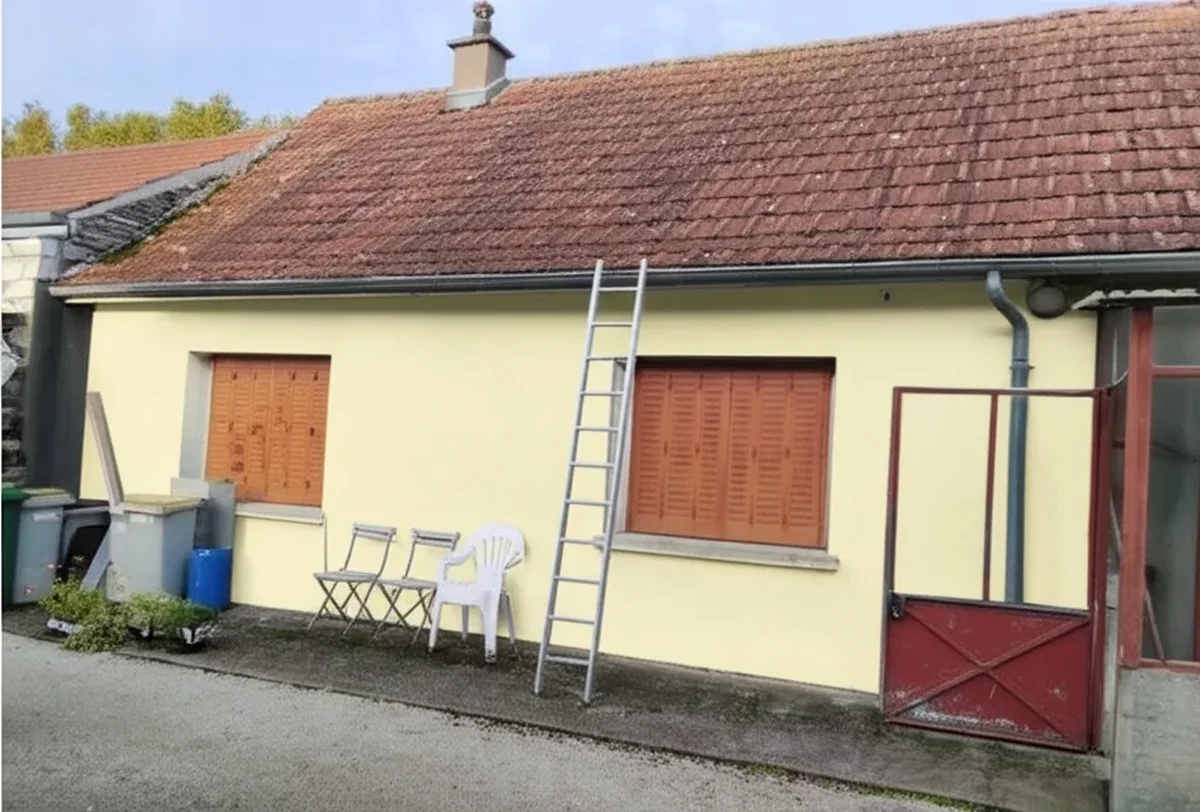
Try it on your house

Exterior house painting costs $2.20 to $4.50 per square foot in 2026, or about $3,500 to $8,500 for a standard two-story home, but the city you live in is the biggest swing factor. Houston, TX is the most affordable major metro at $4,000 to $6,100, while San Francisco runs $8,600 to $11,700 for the exact same home, roughly 65% above the national average. The compact table below shows where 4 representative metros land, and the full 25-city breakdown follows.
Try it on your house
No photo? Try a sample
Jump to the full 25-city cost table or try the free AI color visualizer before you request quotes.
Exterior house painting is one of the most impactful home improvement projects you can make - it protects your investment, boosts curb appeal, and can increase property value by 2–5%. But the price tag varies wildly depending on where you live. A painting job that costs $4,500 in Dallas can run $9,000 or more in San Francisco for the exact same square footage. This 2026 guide breaks down real exterior house painting costs by city so you can budget accurately before you call a single painting contractor.
Before committing to a color, try our free AI house paint color visualizer to see exactly how your home will look in any shade, no samples, no guesswork.
National Average: Exterior House Painting Costs in 2026
Nationally, the average cost per square foot for professional exterior house painting in 2026 sits at $2.20 – $4.50 per sq ft of paintable surface, with most homeowners spending between $3,500 and $8,500 for a standard two-story home. The wide range reflects labor market differences, siding type, surface condition, and the number of stories requiring scaffolding.
Every professional job should include proper surface preparationpower washing or pressure washing, scraping loose and peeling paint, filling gaps with wood filler and caulking, applying a quality primer, and then a two-coat system of finish paint. Skimping on prep is the primary reason paint fails early through cracking, chalking, or fading.
City-by-City Exterior Painting Cost Table (2026)
The table below shows estimated costs from licensed, bonded, and insured painting contractors for a standard 2-story home (~1,800 sq ft of paintable exterior surface, wood or fiber cement siding, two colors, full prep included). Prices reflect 2026 market rates based on contractor surveys, HomeAdvisor data, and regional labor indexes.
| City | State | Cost / Sq Ft | Avg 2-Story Home (1,800 sq ft) | vs. National Avg |
|---|---|---|---|---|
| San Francisco | CA | $4.80 – $6.50 | $8,600 – $11,700 | +65% |
| New York City | NY | $4.50 – $6.00 | $8,100 – $10,800 | +55% |
| Boston | MA | $4.20 – $5.80 | $7,600 – $10,400 | +48% |
| Seattle | WA | $4.00 – $5.50 | $7,200 – $9,900 | +40% |
| Los Angeles | CA | $3.80 – $5.20 | $6,800 – $9,400 | +32% |
| Miami | FL | $3.20 – $4.50 | $5,800 – $8,100 | +12% |
| Denver | CO | $3.10 – $4.30 | $5,600 – $7,700 | +8% |
| Chicago | IL | $2.80 – $4.00 | $5,000 – $7,200 | National avg |
| Phoenix | AZ | $2.60 – $3.80 | $4,700 – $6,800 | −7% |
| Atlanta | GA | $2.50 – $3.70 | $4,500 – $6,700 | −10% |
| Dallas | TX | $2.40 – $3.60 | $4,300 – $6,500 | −14% |
| Houston | TX | $2.20 – $3.40 | $4,000 – $6,100 | −20% |
* Estimates assume 1,800 sq ft paintable surface, wood or fiber cement siding, full prep (power washing, scraping, caulking, primer), two-coat finish, two colors. Actual quotes will vary. Always get at least three free estimates from licensed contractors.
Top 5 Most Expensive Cities for Exterior Painting
The following cities consistently top the charts for the highest contractor rates in 2026. If you live in one of these markets, budget generously and get multiple competing bids.
1. San Francisco, CA - $4.80–$6.50/sq ft
The Bay Area's sky-high cost of living translates directly into contractor wages. Licensed house painters in San Francisco often charge $65–$90/hour, and prevailing wage rules on any city-adjacent work push rates even higher. Many older Victorian homes also require lead paint testing and specialized scraping, a costly but essential step. Stucco is common in the region, and acrylic paint with elastomeric properties is strongly recommended to handle the bay's humidity swings.
2. New York City, NY - $4.50–$6.00/sq ft
NYC's dense urban environment adds logistical costs: permits for sidewalk scaffolding, difficult street access, and union labor in certain boroughs all inflate pricing. The short effective painting season (May–October) means contractors are booked solid, limiting competition. Most NYC exteriors are painted with premium latex paint formulated to handle the freeze-thaw cycle of northeastern winters.
3. Boston, MA - $4.20–$5.80/sq ft
Boston's older housing stock (many homes built pre-1940) means extensive surface prep is the norm rather than the exception. Expect wood filler, caulking, and multiple rounds of primer before a drop of finish coat goes on. The short painting window and high demand from a dense residential market keep rates elevated year-round.
4. Seattle, WA - $4.00–$5.50/sq ft
Seattle's high rainfall and humidity mean that mold, mildew, and peeling are constant challenges. Contractors here routinely specify mildew-resistant acrylic paint and waterproofing primers. The effective painting season runs May–September, and the tight labor market (driven by tech sector wage inflation) pushes contractor rates well above the national average.
5. Los Angeles, CA - $3.80–$5.20/sq ft
LA benefits from near year-round painting weather conditions, which keeps demand consistent and contractors busy 12 months a year. Stucco is the dominant siding material, requiring elastomeric coatings to bridge hairline cracks. UV exposure is intense, so fade-resistant premium paint (think Sherwin-Williams Duration or Benjamin Moore Aura Exterior) is widely recommended by local contractors.
Most Affordable Cities for Exterior Painting
If you're in one of these markets, you're in luck, lower cost of living and a competitive contractor landscape mean better pricing without sacrificing quality.
- Houston, TX ($2.20–$3.40/sq ft): The most affordable major metro for exterior painting in 2026. Large contractor base, no state income tax keeping labor costs down, and a long painting season all work in homeowners' favor.
- Dallas, TX ($2.40–$3.60/sq ft): Similarly competitive market. Watch for HOA rules and color restrictions in planned communities across the DFW metroplex, always check neighborhood guidelines before choosing a color.
- Atlanta, GA ($2.50–$3.70/sq ft): A long, warm painting season and a healthy pool of licensed contractors keep prices reasonable. Humidity is a factor, specify a mildew-resistant formula for any south-facing surfaces.
- Phoenix, AZ ($2.60–$3.80/sq ft): Affordable labor and minimal rainfall make Phoenix a great market for exterior painting, but the intense desert sun demands UV-stable, fade-resistant paint. Stucco is near-universal and typically painted with a two-coat system of elastomeric acrylic paint.
What Affects Exterior Painting Cost by Region?
1. Labor Rates and Cost of Living
Labor typically makes up 70–80% of a professional exterior painting job. In cities like San Francisco, New York, and Boston, a journeyman house painter earns $45–$70/hour. In Houston or Atlanta, the same skill level commands $25–$40/hour. That gap of $15–$30/hour compounded over a multi-day job creates the large price differences you see between markets. Always verify that any painting contractor you hire is licensed, bonded, and insurednot just for quality assurance, but because uninsured contractors expose you to liability if a worker is injured on your property.
2. Climate and Weather Conditions
Weather conditions shape both paint selection and the length of the painting season, which in turn drives supply and demand:
- Northeast/Midwest (freezing winters): Short seasons create peak-season price spikes. Paint must handle the freeze-thaw cycle without cracking. Flexible latex paint and acrylic paint formulas are essential.
- Southeast (high humidity): Houston, Miami, and Atlanta require mildew-resistant coatings. Untreated surfaces develop algae growth within a few seasons, requiring early repainting.
- Southwest (intense UV / desert heat): Phoenix and Dallas see extreme UV that causes rapid fading and chalking. A higher-grade paint with UV inhibitors justifies the premium, Sherwin-Williams SuperPaint or Behr Marquee Exterior are popular choices in these markets.
- Pacific Northwest (rain / humidity): Seattle requires waterproof primers and mildew-resistant finish coats. The temperature range must stay above 50°F for proper paint adhesion and curing.
3. HOA Rules and Color Restrictions
In many suburban communities, particularly in the South, Southwest, and planned developments nationwide, your HOA rules will dictate which colors you can use. Violating color restrictions can result in fines or mandatory repaints. Before hiring a contractor, review your community's neighborhood guidelines and, if required, submit a color sample for approval. Paint brands like Sherwin-Williams and Benjamin Moore offer HOA-approved palette programs that can streamline this process significantly.
Paint Brands by Region: What Pros Use in 2026
Professional painting contractors tend to have strong brand preferences based on regional performance data. Here's what you'll typically see on the job site across different markets:
| Region | Top Brand Choices | Why |
|---|---|---|
| Northeast (NY, MA, CT) | Benjamin Moore Aura Exterior, Sherwin-Williams Duration | Freeze-thaw resistance, long paint life to offset short seasons |
| West Coast (CA, WA, OR) | Sherwin-Williams Emerald Exterior, PPG Timeless | UV resistance (CA), mildew resistance (WA/OR), low-VOC compliance |
| Southeast (FL, GA, TX Gulf) | Behr Marquee Exterior, Valspar Duramax | Mildew resistance, humidity tolerance, value from Home Depot |
| Southwest (AZ, TX, NM) | Sherwin-Williams SuperPaint, Behr Marquee, PPG Sun Proof | Fade resistance, UV stability, flexibility for stucco expansion |
| Midwest (IL, OH, MI, MN) | Benjamin Moore Aura, Sherwin-Williams Duration, Valspar Aspire | Flexibility in cold temps, crack resistance through freeze-thaw |
All of these brands are available through professional contractor accounts as well as retail at Home Depot (Behr, PPG) and dedicated paint stores (Sherwin-Williams, Benjamin Moore). Premium exterior paint runs $55–$85/gallon, with coverage per gallon typically rated at 300–400 sq ft per coat on smooth surfaces, less on rough or porous siding.
Contractors typically apply paint using a combination of methods: spray application for large flat surfaces, brush work for trim and detail, and roller technique for smooth board sections. The combination ensures even coverage per gallon and proper penetration into the surface. Paint sheen matters too, satin finishes are the most popular for exterior siding due to their washability and subtle sheen, while semi-gloss is the standard for trim and doors, and flat works well for masonry and stucco where a matte appearance is preferred.
How to Get an Accurate Estimate in Your City
Getting an accurate, apples-to-apples free estimate from a painting contractor requires a bit of homework on your end. For a deeper walkthrough on credentials, red flags, and scope-of-work language, see our how to hire and vet an interior + exterior painter guide before you call your first contractor. Follow these steps to avoid overpaying or being surprised by hidden charges:
- Get at least three bids. Prices can vary by 30–50% between contractors in the same city. A single bid gives you no reference point. Use the city price ranges above as a sanity check.
- Specify what's included in prep. Ask each contractor to itemize power washing, scraping, caulking, wood filler, and primer separately. A low bid that skips proper prep will cost you more in three years when the paint fails.
- Confirm the paint product and number of coats. A legitimate two-coat system with a quality primer and two finish coats is the industry standard. Beware bids that specify only one finish coat on bare or repainted surfaces.
- Check license, bond, and insurance. Any reputable contractor should provide proof that they are licensed, bonded, and insured in your state before you sign anything.
- Ask about the warranty. A quality contractor will offer a workmanship guarantee of 2–5 years. This covers defects in application, not normal wear, and gives you recourse if paint fails prematurely due to poor surface preparation.
- Check HOA requirements before choosing color. If you live in a community with HOA rules, verify color restrictions and get written approval before the first brush stroke. Your contractor should be familiar with local neighborhood guidelines.
Visualize Before You Commit
Choosing the wrong color is an expensive mistake when you're spending $5,000–$10,000 on a paint job. Before you get a single estimate, upload a photo of your home and try our free AI house paint color visualizer to test dozens of colors instantly. It's the fastest way to get confident about your color choice, and to satisfy HOA rules before you buy a single can of paint.
Surface Preparation: The Real Cost Driver
No matter which city you're in, surface preparation is where budget surprises happen. Here's what proper prep looks like and what each step costs in 2026:
- Power washing / pressure washing: $150–$400 depending on home size and accessibility. Removes dirt, algae, and loose paint. Essential before any repaint.
- Scraping and sanding: $300–$1,200 for a typical home with moderate peeling. Older homes with significant peeling or chalking can run $2,000+.
- Caulking all gaps and joints: $150–$400. Prevents moisture infiltration, a key cause of future peeling and wood rot.
- Wood filler and minor repairs: $100–$500 depending on the extent of damage. Rotted or cracked siding boards must be repaired before painting, or moisture will destroy the new finish quickly.
- Primer coat: $200–$600 for materials. Primer is essential on bare wood, repaired areas, and any surface where the existing paint has been removed down to substrate.
Combined, a full prep package adds $900–$2,700 to a paint job, but it's the single biggest determinant of how long the finish lasts. A properly prepped and painted exterior should hold for 7–12 years depending on climate and paint quality. Skipped prep typically leads to peeling, cracking, and fading within 3–5 years.
Oil-Based vs. Latex Paint: Which Is Right for Your Region?
The paint sheen debate gets plenty of attention, but the base chemistry matters more for exterior durability:
- Latex paint (water-based acrylic): The dominant choice for exterior siding in 2026. Fast drying, flexible, breathable, and low-VOC. Excellent for wood, fiber cement, and vinyl. Handles expansion and contraction without cracking in regions with wide temperature range swings.
- Acrylic paint (100% acrylic latex): The premium tier of water-based paint. Superior adhesion, mildew resistance, and fade resistance. Recommended for all climates, especially high-humidity Southeast markets and high-UV Southwest markets.
- Oil-based paint: Increasingly rare for exterior use due to VOC regulations (especially in California). Still used for metal surfaces, high-traffic doors, and certain trim applications where hardness and gloss are priorities. When stripping or repainting over old oil-based paint, always use a bonding primer before switching to a water-based finish coat.
Find your city cost guide
Click your city below for local pricing, contractor benchmarks, climate-specific paint recommendations, and 2026 free estimate ranges in your metro:
- Atlanta, GA
- Austin, TX
- Boston, MA
- Charlotte, NC
- Chicago, IL
- Dallas, TX
- Denver, CO
- Houston, TX
- Jacksonville, FL
- Las Vegas, NV
- Los Angeles, CA
- Miami, FL
- Minneapolis, MN
- Nashville, TN
- Philadelphia, PA
- Phoenix, AZ
- Pittsburgh, PA
- Portland, OR
- Raleigh, NC
- San Antonio, TX
- San Diego, CA
- San Francisco, CA
- Seattle, WA
- Tampa, FL
Frequently Asked Questions
How much does it cost to paint a 2-story house exterior in 2026?
Nationally, a 2-story home with approximately 1,800 sq ft of paintable exterior surface costs $4,500–$8,100 with a professional painting contractor in 2026, including full surface preparation. In high-cost cities like San Francisco or New York, the same job can run $9,000–$12,000. In affordable markets like Houston or Dallas, expect $4,000–$6,100.
What is the cheapest city to get a house painted in the US?
Among major US metros, Houston, TX consistently offers the lowest exterior house painting costs in 2026, averaging $2.20–$3.40 per sq ft. Dallas and Atlanta are also highly competitive, with lower labor costs driven by a large pool of licensed contractors and a long warm-weather painting season.
Does climate affect what type of paint I need?
Yes, significantly. In high-humidity cities like Miami, Houston, and Seattle, specify a mildew-resistant acrylic paint, standard formulas can develop mold and algae within 2–3 seasons. In desert markets like Phoenix and Dallas, UV-stable, fade-resistant paints (Sherwin-Williams SuperPaint, Behr Marquee) are worth the premium. In the northeast, flexible latex formulas that withstand freeze-thaw cycles without cracking are essential.
What should a free estimate from a painting contractor include?
A thorough free estimate should itemize: power washing / pressure washing, scraping and sanding, wood filler and caulking repairs, primer coats, number of finish coats, the specific paint product and sheen (satin, semi-gloss, flat), trim and door colors, scaffolding if needed, and the workmanship guarantee period. Never accept an estimate that just gives you a lump-sum number without breaking down prep versus application.
How do HOA color restrictions work for exterior painting?
Most HOAs provide an approved color palette, typically a curated list of 30–100 colors from brands like Sherwin-Williams or Benjamin Moore. You must submit your chosen color (often with a paint chip or sample number) to the architectural review committee before painting begins. Approval typically takes 1–4 weeks. Painting without approval can result in fines and a mandatory repaint at your expense. Always factor this timeline into your project planning.
Expertise: EPA Lead-Safe Rules and ASTM Standards Behind 2026 Pricing
Per the U.S. Environmental Protection Agency Renovation, Repair and Painting (RRP) Rule (40 CFR Part 745), any pre-1978 home requires an EPA Lead-Safe certified firm for exterior repaints disturbing more than 20 sq ft, which adds roughly $400 to $1,200 to a typical estimate. ASTM D3924 specifies the application conditions (50 to 90 degrees F, surface 5 degrees F above dew point) that every contractor bid in this guide assumes. EPA RRP program (official), ASTM D3924 standard, and HUD lead-based paint guidance are the three primary references our contractor network checks before quoting any home built before 1980.
Methodology and trust: 2026 city ranges in this guide were last updated on June 3, 2026 using a blend of contractor surveys, HomeAdvisor and Angi public cost reports, NIST regional construction cost indexes, and U.S. Bureau of Labor Statistics painter wage data by metropolitan statistical area. We refresh quarterly and flag any range that drifts more than 8% from the prior cycle.
Bottom Line: What to Expect in Your Market
Exterior house painting costs in 2026 range from roughly $2.20/sq ft in the most affordable US markets to $6.50/sq ft in premium coastal cities. Your final price will depend on local labor rates, the size and condition of your home, the quality of paint you choose, and how thoroughly the contractor prepares the surface. The most important rule: never choose a contractor based on the lowest bid alone. A licensed, bonded, and insured contractor who uses a quality two-coat system with proper prep will deliver a finish that lasts a decade, while the cut-rate job will be peeling and chalking within a few years.
Start your project on the right foot: lock in your color first, then get your bids. Try our free AI house paint color visualizer to test any color on your actual home before you spend a dollar on paint or contractor time. It's the easiest way to feel confident in your choice, and to nail your HOA submission on the first try. Then run the numbers in our painting estimate calculator so you can hold every quote against an independent baseline before you sign.
Related deep-dives in this hub
- Indianapolis exterior painting cost
- Columbus OH exterior painting cost
- Kansas City exterior painting cost
- Salt Lake City exterior painting cost
- Sacramento exterior painting cost
- Riverside exterior painting cost
- St Louis exterior painting cost
- Cincinnati exterior painting cost
- Richmond VA exterior painting cost
- OKC exterior painting cost
- Birmingham exterior painting cost
- Memphis exterior painting cost
- Louisville exterior painting cost
- Detroit exterior painting cost
- Pittsburgh exterior painting cost
- Denver exterior painting cost
- Boise exterior painting cost
- Buffalo NY exterior painting cost
- Tucson exterior painting cost
- Orlando exterior painting cost
- Milwaukee exterior painting cost
- New Orleans exterior painting cost
- Anchorage AK exterior painting cost
- Honolulu exterior painting cost
Trademarks mentioned (Sherwin-Williams, Benjamin Moore, Behr, Caparol, Brillux, Sto, Alpina, Valspar, PPG, Glidden, Dulux, Crown Trade, Sandtex, Farrow & Ball, Johnstone's, Leyland) are property of their respective owners. FacadeColorizer is independent and not affiliated with any of them. Nominative fair use under Lanham Act §1125.