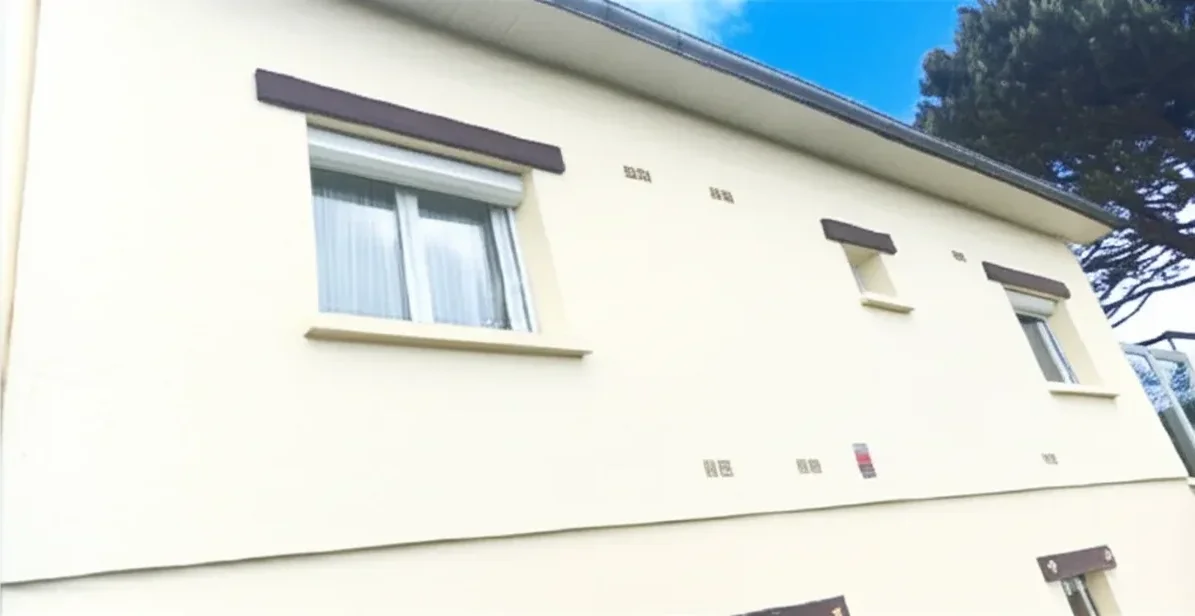
Try it on your house

Quick answer: Sherwin-Williams Woodscapes ships in roughly 200 tintable exterior stain colors, but only about 30 deliver the curb appeal homeowners actually want on cedar, redwood, and pressure-treated pine. The 2026 winners are Cedar Bark, Driftwood Gray, Rookwood Red, Cape Cod Cottage, Black Bean, and Sandbar. Pick solid for old or knotty wood, semi-transparent only if the grain is worth showing.
FacadeColorizer is a free AI exterior paint visualizer. If you have already decided that Sherwin-Williams Woodscapes is the right siding stain for your home, this guide is for the next, harder question: which of the 200-plus SW exterior stain colors should actually go on the wall. I sorted the entire Woodscapes palette into ranked picks by use case (cedar shake, pressure-treated pine, fence, modern farmhouse, traditional Colonial), pulled the real product codes, and benchmarked the tones against Cabot, Benjamin Moore Arborcoat, and Behr Premium so you can see where Sherwin-Williams reads warmer, flatter, or grayer.
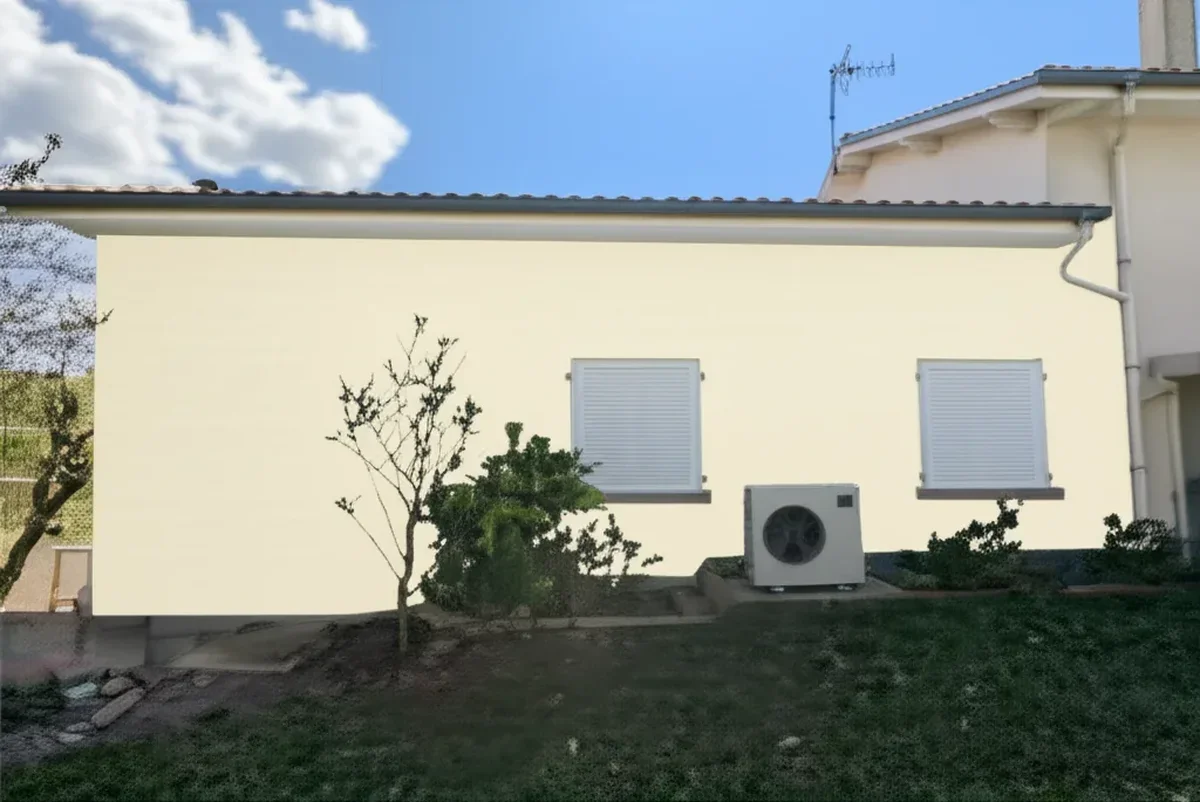
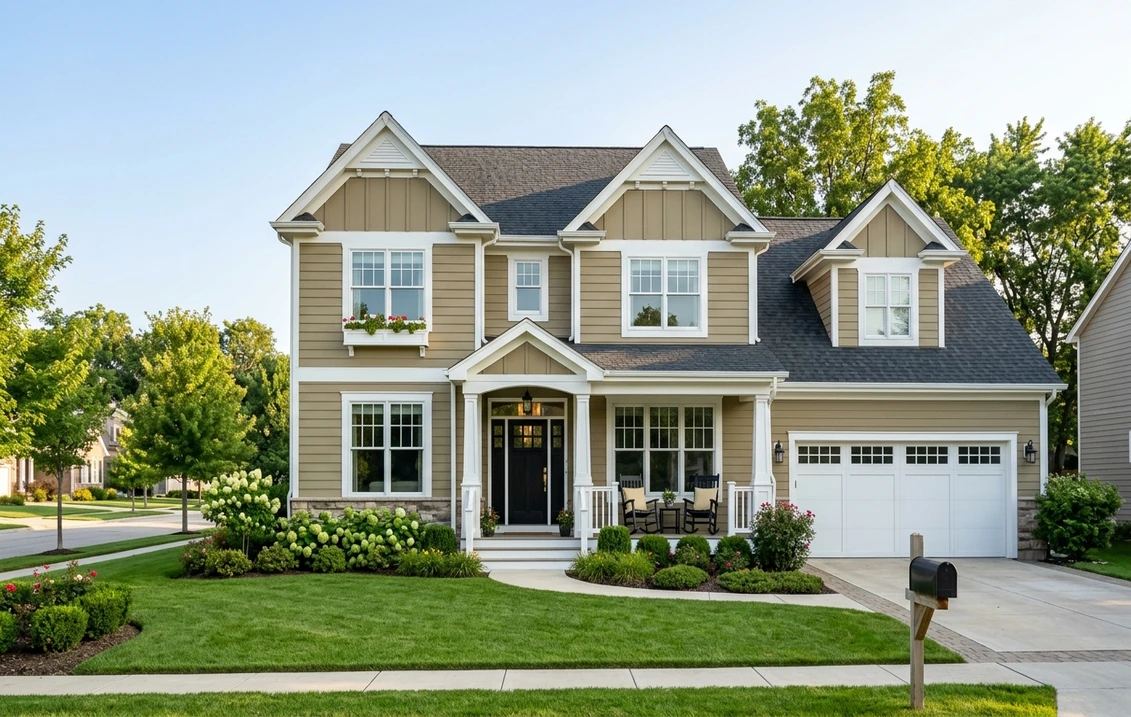
Before you commit any of these to a full siding job, you can preview 4 Woodscapes stain colors on YOUR siding photo in 30 seconds. Free, no signup. Stain mistakes last 8 years, so the 30 seconds of preview is the cheapest insurance there is.
The Woodscapes Color Range at a Glance
The Woodscapes line is tintable across the broader Sherwin-Williams® exterior color deck, which means the practical palette runs into the hundreds rather than a fixed list of 40 chips on a single brochure. That is both a feature and a trap. The feature: any of the SW exterior color family (warm cedars, weathered grays, espresso browns, barn reds, deep forest greens, even a few near-blacks) can be mixed into a Woodscapes can. The trap: most of those colors were not formulated with stain behavior in mind, and a handful read very different on rough cedar than they do on a 2-inch chip.
After cross-checking forum recommendations, store tinting notes, and our own visualizer data, about 30 colors stand out as genuinely siding-friendly Woodscapes options. The rest either drift toward interior-paint territory (too cool, too clean) or sit in such a narrow undertone band that any species shift in the substrate ruins the result. The picks below are organized by undertone family and ranked inside each family by how often homeowners landed on them after running 3 to 5 HD comparisons. If you have not chosen an opacity yet, the parent deck stain colors guide covers the four levels (transparent, semi-transparent, semi-solid, solid) in plain English.
Top 30 Sherwin-Williams Woodscapes Exterior Stain Colors for 2026
Cedar & Brown Tones (the safe-bet family)
- Cedar Bark SW 3506 - the single most popular Woodscapes color in our dataset. A warm, mid-brown cedar tone that flatters western red cedar without going orange. Solid finish for shakes, semi-transparent for fresh boards.
- Cedar Naturaltone SW 3518 - lighter, golden-honey cedar. Best on new or recently sanded cedar where you want grain to read through. Reads slightly more amber than the chip on rough sawn lumber.
- Banyan Brown SW 3522 - deep chestnut-brown with a soft red base. Strong on board-and-batten farmhouse siding and on fences in shaded yards.
- Chocolate SW 3033 - espresso brown, nearly black in shade, true brown in full sun. Modern look on flat lap siding; absorbs heat so reserve it for north- or east-facing walls in hot climates.
- Sequoia SW 3507 - a true reddish-cedar tint that reads as classic ranch or lodge stain. Solid only; semi-transparent shifts pink on PT pine.
- Sandbar SW 3010 - sandy beige with a warm undertone. Coastal house favorite; pairs with crisp white trim and a navy door.
- Caraway Seed SW 3534 - muted khaki-brown. Reads as natural wood from the street without committing to a hard cedar tone.
- Acorn SW 3536 - honey-tan, slightly greener than Sandbar. Strong on log walls when the goal is "old-growth pine" rather than orange new pine.
Gray & Weathered Tones (the modern-farmhouse family)
- Driftwood Gray SW 3540 - pale, slightly warm gray with a hint of beige. The most popular gray in our 2026 data. Reads like 10-year naturally weathered cedar from the curb.
- Anchors Aweigh SW 3501 - deeper, cooler blue-gray. Great on Cape Cod and Nantucket-style shingle siding; verify under full sun before committing because it shifts cool fast.
- Granite Peak SW 3531 - mid-tone neutral gray. The safest gray for HOA-restricted neighborhoods; works on stucco trim, fascia, and shake siding alike.
- Pewter Tankard SW 3517 - warm, mushroomy gray. Pairs unusually well with red brick foundations.
- Cool Ashes SW 3526 - cooler charcoal gray. Trending hard on board-and-batten modern farmhouses; balances a black metal roof.
- Slate SW 3023 - a deep blue-leaning gray. Strong on lakefront cabins and shaded mountain homes where pure black would be too heavy.
- Smokey Topaz SW 3530 - warm bronze-gray that bridges the gray family and the brown family. The best "I cannot decide between brown and gray" answer in the lineup.
Red & Barn Tones (the traditional family)
- Rookwood Red SW 2802 - deep, dignified historic red. The go-to for true barn siding, carriage houses, and Greek Revival accents. Reads less "fire engine" than budget barn paints.
- Fireweed SW 3010 series red - brighter, slightly orange-leaning red. Works on outbuildings and fences when contrast with surrounding green is the goal.
- Polished Mahogany SW 2838 - rich, brown-leaning red. Best on detailed Victorian or Craftsman siding where the red needs to feel furniture-grade rather than agricultural.
- Cordovan SW 6027 - near-burgundy, almost-purple red in shade. Reserve for shutters and doors over a stained body; on a whole siding job it overpowers.
Green Tones (the wooded-lot family)
- Rosemary SW 6187 - muted sage-green with gray undertone. Disappears into wooded lots in summer, reads as a sophisticated neutral in winter.
- Hunt Club SW 6468 - deep forest green. A traditional New England color for shake-sided cottages and lakeside cabins.
- Black Forest SW 9676 - near-black green that reads green only in direct light. Modern farmhouse alternative to pure black with more depth in shade.
- Pewter Green SW 6208 - deep gray-green crossover. Top-three trending Woodscapes color in 2026 for board-and-batten exteriors.
Cottage & Heritage Tones (the New England family)
- Cape Cod Cottage SW 3526 series - soft, weathered ivory with a sandy undertone. The Nantucket shingle tone; reads as "old salt-faded white" rather than off-white.
- Roycroft Vellum SW 2833 - warm, parchment-yellow neutral. Classic Craftsman bungalow body color.
- Restrained Gold SW 6129 - muted, dusty gold with brown undertone. Looks heritage on Queen Anne and Folk Victorian siding.
- Universal Khaki SW 6150 - warm midtone khaki, Sherwin-Williams 2026 Color of the Year. Tinted into Woodscapes Solid, it is the safest "modern but not trendy" siding option in the catalog.
Black & Deep Charcoal Tones (the modern-statement family)
- Black Bean SW 6006 - rich near-black with brown undertone. Easier to live with than pure black on a south-facing wall.
- Tricorn Black SW 6258 - true black, no undertone. Works on accent walls and door surrounds; reserve full-house use for shaded lots in temperate climates.
- Iron Ore SW 7069 - deep charcoal-black. Trending hard on modern farmhouse exteriors when paired with white trim and a cedar door.
Solid vs Semi-Transparent: Which Woodscapes Finish Carries Your Color Best?
Picking a Woodscapes color is only half the decision. The finish (solid acrylic or semi-transparent polyurethane) changes how that color reads on the wall, and in many cases turns a chip you loved at the store into a tone you regret on the house. Here is how the two finishes treat the same color family.
| Color family | Solid finish reads | Semi-transparent reads |
|---|---|---|
| Cedar / Brown | True to chip, slightly warmer | Picks up red from western red cedar, green-gray from PT pine |
| Gray | Reads true, flat finish kills any plastic look | Shifts warm on cedar, cool on redwood, unpredictable on PT |
| Red / Barn | Best choice; covers knots and previous coats | Goes pink on light wood, decent on aged cedar |
| Green | Strongest opaque green tones in the line | Drifts olive on cedar; not recommended |
| Black / Charcoal | Only sane choice; warps less in sun | Never; the wood color always shows through |
Try it on your house
No photo? Try a sample
The rule that comes out of our visualizer data: if your wood is older than 5 years, has any visible knots, or was previously stained, go solid. Semi-transparent only earns its place on relatively new, even, clear-grade cedar or redwood, and only when you genuinely want the grain to read. Solid Woodscapes covers SW 3500-series codes and tints across the A15-50 series; semi-transparent uses different base codes, so confirm at the store. For a deeper finish breakdown, the Sherwin-Williams Woodscapes stain review covers warranty, application, and the durability case for each variant.
How Woodscapes Colors Read on Cedar, Redwood, and Pressure-Treated Pine
The single biggest reason a stain looks "wrong" on the house is that the substrate (the wood underneath) pulls the color away from the chip. Cedar is warm and red; redwood is even warmer; pressure-treated pine is cool, green, and irregular. Here is what to expect from the top 30 picks on each species.
On western red cedar, the safest picks are Cedar Bark, Cedar Naturaltone, Driftwood Gray, Sandbar, Universal Khaki, and Rookwood Red. The cedar warmth amplifies the brown and red families, which is usually the goal, and the grays read warm-neutral rather than cold. Avoid Anchors Aweigh and pure blue-grays unless you have already weathered the cedar for two summers (fresh cedar fights cool tones hard).
On redwood, lean into the family the wood already loves: deep cedars, mahoganies, and rich barn reds. Polished Mahogany, Banyan Brown, and Rookwood Red look luxurious on redwood lap siding because the substrate carries the warm undertone for free. Gray and green tones can work, but you almost always need the solid finish to mask redwood's warmth; semi-transparent grays on redwood shift toward muddy mauve.
On pressure-treated pine, the calculus flips. PT pine is greenish, cool, and arrives at the lumberyard with chemical residue that wrecks semi-transparent finishes for the first 6 to 12 months. Wait for the wood to dry, then go solid: Driftwood Gray, Granite Peak, Cool Ashes, Cape Cod Cottage, and Black Bean are the most forgiving. Skip semi-transparent on PT pine entirely; the green undertone will fight every brown and red you try.
For Sherwin-Williams' own official guidance on substrate prep, the Woodscapes product page covers minimum dry times by wood type. For an independent take on stain colors that hold up at resale, Consumer Reports' exterior paint and stain testing consistently flags brown and gray cedar tones as the longest-living color choices. You can also preview Cedar Bark, Driftwood Gray, and Black Bean side by side on a single photo of your house before you buy anything.
Sherwin-Williams Woodscapes vs Cabot, Benjamin Moore Arborcoat, and Behr Premium Stain Colors
If you are deciding between brands instead of within Woodscapes, the available palette is one of the biggest differentiators. Here is how the four major US siding-stain lines compare on color range, opacity options, and how the same nominal "cedar" reads in each. Cabot is the one line in the table where shoppers pick the color name before the opacity line, so if it is on your shortlist, read the row below alongside our ranking of the top 20 Cabot stain colors, which sorts them by opacity and by wood type instead of by name.
| Brand | Tintable colors | "Cedar" reads as | Best palette strength |
|---|---|---|---|
| SW Woodscapes | 200+ across SW deck | Warm mid-brown | Grays, deep barn reds, charcoals |
| Cabot Solid | ~75 stock + custom tint | Reddish, slightly orange | True cedar and redwood tones |
| BM Arborcoat | ~70 curated + tint | Cooler brown | Sophisticated neutrals, designer greens |
| Behr Premium Solid | ~80 stock + tint | Light, slightly yellow | Budget-friendly classics |
Sherwin-Williams wins on raw palette breadth. Because Woodscapes can be tinted into any compatible SW exterior color, you can pull in trending tones like Pewter Green or Iron Ore that the dedicated stain lines from Cabot and Behr simply do not stock. If you want a designer-grade green or a true Iron Ore charcoal on shakes, Woodscapes is the only line that can do it without a custom tint reorder. For matching brand-specific reviews, see the Cabot deck stain review, the Benjamin Moore Arborcoat deck stain guide, the Behr deck stain colors guide, and the Olympic deck stain review.
Cabot has the edge on classic cedar and redwood-leaning shades because its base formulation pulls warmer out of the can, which is exactly what most homeowners picture when they think "stain." Arborcoat is the designer pick (cooler, more curated, harder to find a bad chip), and Behr Premium is the value play for fences and outbuildings where you do not need an 8-year warranty.
The four "cedars" in the table above are the clearest illustration of the trap: one word on four labels, four different results on the wall. Each brand ships a free visualizer, but each one only renders its own catalog, so the comparison that actually decides the purchase cannot happen inside any of them. Put differently, you have to upload one photo to a cross-brand wood stain visualizer and hold the Woodscapes mid-brown, the Cabot reddish cedar, and the Arborcoat cooler brown against the same shakes in the same light before the label wording stops mattering.
How to test it on your own home before you buy
No third-party report replaces your own walls: the same color reads differently on a north elevation and a south one, next to red brick or a gray roof, under morning and evening light. Take a daylight photo, upload it to the free AI paint visualizer, and run two or three candidates on the same image so the comparison is fair. Keep the one or two that survive the side-by-side, buy a sample of each, and brush them out on the actual surface in the actual light before you order the full quantity.
Pairing Woodscapes Stain Colors with Trim, Door, and Roof
A stain color does not live alone. Once you settle on a body tone from the top 30, the trim, door, and roof either lift it or fight it. A few combinations that have outperformed in our 2026 visualizer data, plus a couple to skip.
- Cedar Bark body + Pure White SW 7005 trim + black door - the safest modern cedar combination. Photographs beautifully and helps on resale listings.
- Driftwood Gray body + Tricorn Black trim + cedar natural door - the trending modern farmhouse formula for 2026. Works on shakes and on board-and-batten.
- Rookwood Red body + Antique White SW 6119 trim + black shutters - classic barn or carriage-house look. Strong on detached structures, can feel themey on the main house.
- Cape Cod Cottage body + Hale Navy BM HC-154 door + white trim - the Nantucket shingle formula. Reads coastal even hundreds of miles inland.
- Black Bean body + Snowbound SW 7004 trim + cedar door - modern dark farmhouse. Cooler than Iron Ore, easier to live with on a south wall.
- Avoid: any stained body color with a stained trim of a different family. Two stains on one house almost always read as "unfinished" rather than designed.
For more pairing inspiration on the painted parts of the house, the cedar shake siding paint colors guide and the broader Sherwin-Williams exterior paint guide cover trim, fascia, and door combinations across the SW lineup. If you are budgeting a fence or shed staining job alongside the siding, the fence painting and staining cost guide covers per-linear-foot pricing. And for editorial inspiration on color trends, HGTV's exterior color gallery rotates seasonally and is worth a scroll before you commit.
The Smartest Move Before You Buy a Gallon
Any of the top 30 Woodscapes colors is a defensible choice on the right substrate. The mistake worth avoiding is committing 12 to 18 gallons of stain to a tone you have only seen on a 2-inch chip in fluorescent store lighting. The cheapest insurance is a 30-second AI preview on a photo of your actual house, in your actual light, with your actual roof and trim already in frame. FacadeColorizer lets you apply any Sherwin-Williams stain tone (Cedar Bark, Driftwood Gray, Rookwood Red, Cape Cod Cottage, Black Bean, or any other) to your siding, trim, and accents in seconds. It is free, no signup, on phone or desktop.
Dark Walnut: A Rich Exterior Wood Stain
If your goal is a deep, furniture-grade brown rather than a cedar or gray, Dark Walnut exterior stain is the tone most homeowners are actually chasing. In the Woodscapes family it reads as a saturated espresso-brown with a cool, slightly purple-leaning base (closer to Chocolate SW 3033 and Banyan Brown SW 3522 than to the warm Cedar Bark line). On the wall it does what real walnut does: it darkens the grain, hides age and weathering, and gives flat lap siding or a deck a heavy, expensive-looking finish that pure cedar tones never reach.
Where Dark Walnut earns its keep is on wood that has stories to tell. On an older deck, a weathered fence, or a log wall with uneven color, a Dark Walnut tone in a semi-solid or solid finish levels the patchy areas into one rich, uniform brown without flattening the surface into plastic. On a log home in particular it is one of the most forgiving choices in the catalog: the dark body absorbs the natural color swings between logs, the checking and chinking lines read as character instead of flaws, and the finish photographs beautifully in dappled, wooded light. For the full color-and-finish playbook on that specific build type, see the log cabin exterior colors and stains guide.
Two cautions on Dark Walnut. First, like every dark tone it absorbs heat, so reserve full-body use for shaded or north and east elevations in hot climates and keep south and west walls on a tighter recoat cycle (dark browns lose 8 to 15 percent saturation on the sun side within 3 years). Second, on raw pressure-treated pine the green undertone fights the cool brown base and turns it muddy, so let PT lumber dry out and use the solid finish. On cedar, redwood, an aged deck, or log, Dark Walnut goes on rich and stays handsome. Before you commit a dozen gallons, preview a Dark Walnut tone on your actual siding or deck photo next to Chocolate and Banyan Brown so you can see exactly how dark it reads on your wood.
Frequently Asked Questions
How many Sherwin-Williams Woodscapes colors are there?
Woodscapes is tintable across the broader Sherwin-Williams exterior color deck, so the practical palette runs to roughly 200-plus tintable colors rather than a fixed brochure list. About 30 of those are genuinely siding-friendly; the rest were formulated for paint and can shift unpredictably on rough cedar or pressure-treated pine.
What is the most popular Woodscapes color for cedar siding?
Cedar Bark SW 3506 is the most popular Woodscapes color on cedar siding in our 2026 dataset. It is a warm, mid-brown cedar tone that flatters western red cedar without going orange, and it covers older cedar with knots cleanly in the solid finish.
Can Woodscapes be used on pressure-treated pine?
Yes, but only after the wood has fully dried out (typically 6 to 12 months after install) and only in the solid finish. PT pine has a green-gray undertone and surface chemistry that fight semi-transparent stains. Driftwood Gray, Granite Peak, Cool Ashes, Cape Cod Cottage, and Black Bean are the most forgiving solid picks on PT pine.
What is the best dark Woodscapes color for a modern farmhouse?
Iron Ore SW 7069 and Black Bean SW 6006 are the two most popular dark Woodscapes tones for modern farmhouse exteriors. Iron Ore is a true charcoal-black that pairs with white trim and a cedar door; Black Bean has a softer brown undertone that is easier to live with on a south-facing wall in a hot climate.
How does Cedar Bark compare to Cabot Cedar?
Cedar Bark reads warmer and slightly redder than Cabot's base cedar tone, which pulls more orange. On western red cedar, Cedar Bark blends more naturally; on smoother lap siding, Cabot Cedar feels heavier-bodied. If your goal is a true period barn or ranch look, Cabot wins; for a modern cedar refresh, Woodscapes Cedar Bark is the better fit.
Do I need to pick solid or semi-transparent before choosing a color?
Yes. The same color code reads differently in solid versus semi-transparent. Solid is true to the chip and covers knots and previous coats. Semi-transparent blends with the substrate, which means cedar pulls red, redwood pulls warm, and PT pine pulls green-gray. On wood older than 5 years or with visible knots, go solid; semi-transparent earns its place only on relatively new, even, clear-grade wood.
Which Woodscapes colors hold up best to sun fade?
Lighter tones (Sandbar, Cape Cod Cottage, Driftwood Gray, Universal Khaki) fade least visibly because they start closer to the natural weathered-wood color. Charcoals, deep reds, and saturated greens fade most on south and west elevations, typically losing 8 to 15 percent saturation within 3 years. Plan a spot-recoat on the sun side 1 to 2 years before a full re-stain cycle.
Is there a Dark Walnut exterior stain in the Woodscapes line?
Yes. Dark Walnut reads as a saturated espresso-brown with a cool, slightly purple-leaning base, closer to Chocolate SW 3033 and Banyan Brown SW 3522 than to the warm Cedar Bark family. It darkens grain, hides weathering, and looks furniture-grade on flat lap siding, an aged deck, or a log wall. Use the solid or semi-solid finish on older or pressure-treated wood, and keep south and west walls on a tighter recoat cycle because dark browns fade faster on the sun side.
Can I preview Woodscapes colors on my house before buying?
Yes. FacadeColorizer lets you upload a photo of your home and apply any Sherwin-Williams stain tone (Cedar Bark, Driftwood Gray, Rookwood Red, Cape Cod Cottage, Black Bean, and 25 more top picks) to your siding, trim, and accents in seconds. It is free, no signup, and avoids a costly color mistake on a finish that stays on your siding for the better part of a decade.
Disclaimer: Sherwin-Williams, Woodscapes, ColorSnap, SuperDeck, and the cited SW color names and codes are trademarks of The Sherwin-Williams Company, used here for descriptive comparison under nominative fair use (15 U.S.C. 1125). Cabot is a trademark of Valspar / The Sherwin-Williams Company. Benjamin Moore and Arborcoat are trademarks of Benjamin Moore & Co. Behr and Behr Premium are trademarks of Behr Process Corporation. FacadeColorizer is an independent AI visualization tool and is not affiliated with, endorsed by, or sponsored by any of these companies. All product names, color codes, warranties, and specifications are referenced for descriptive and comparative purposes only; confirm current pricing, color availability, and warranty terms with Sherwin-Williams directly. Color simulations are approximate digital previews and may differ from real-world stained results due to substrate, lighting, and age of wood.
Trademarks mentioned (Sherwin-Williams, Benjamin Moore, Behr, Caparol, Brillux, Sto, Alpina, Valspar, PPG, Glidden, Dulux, Crown Trade, Sandtex, Farrow & Ball, Johnstone's, Leyland) are property of their respective owners. FacadeColorizer is independent and not affiliated with any of them. Nominative fair use under Lanham Act §1125.