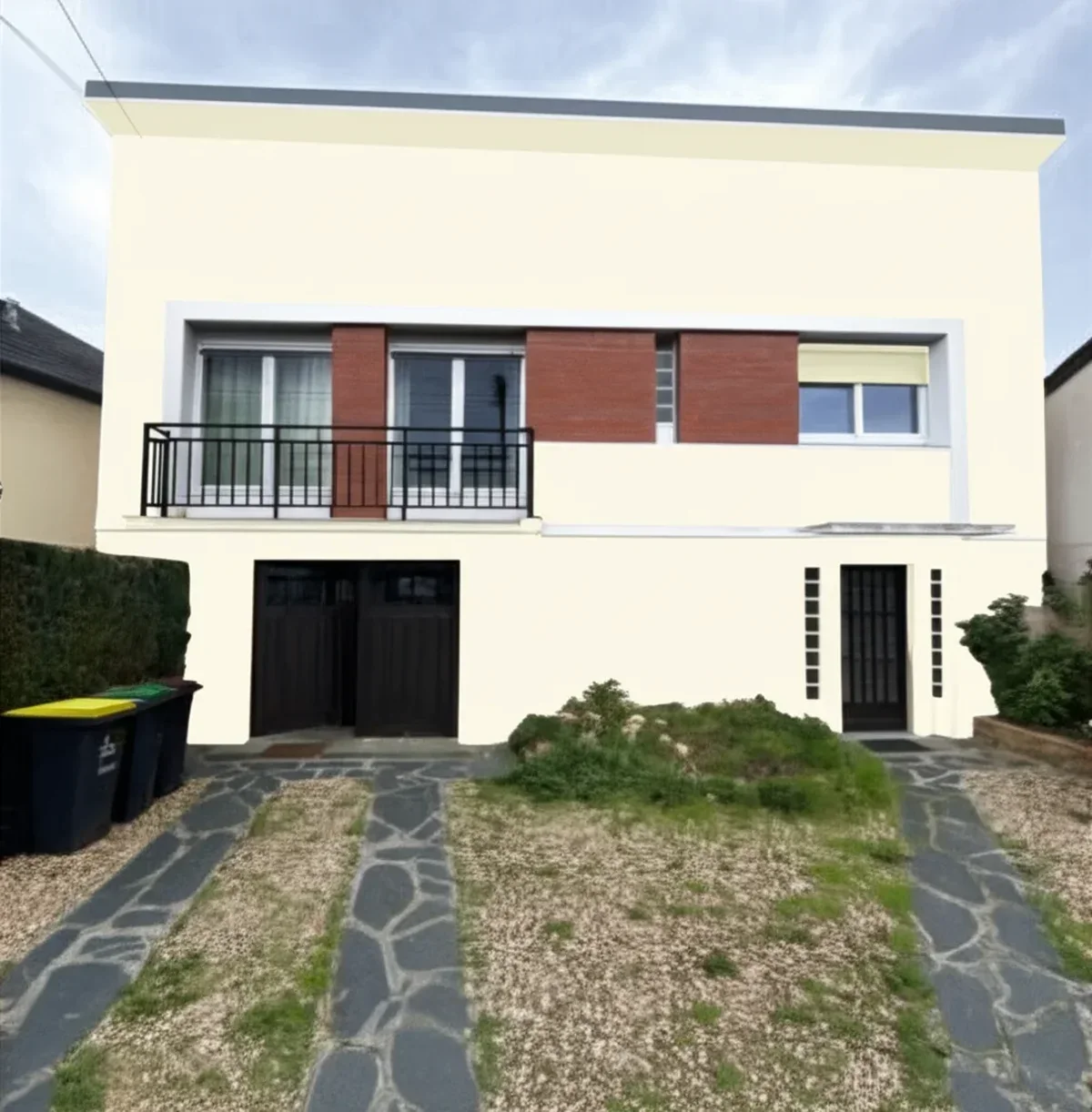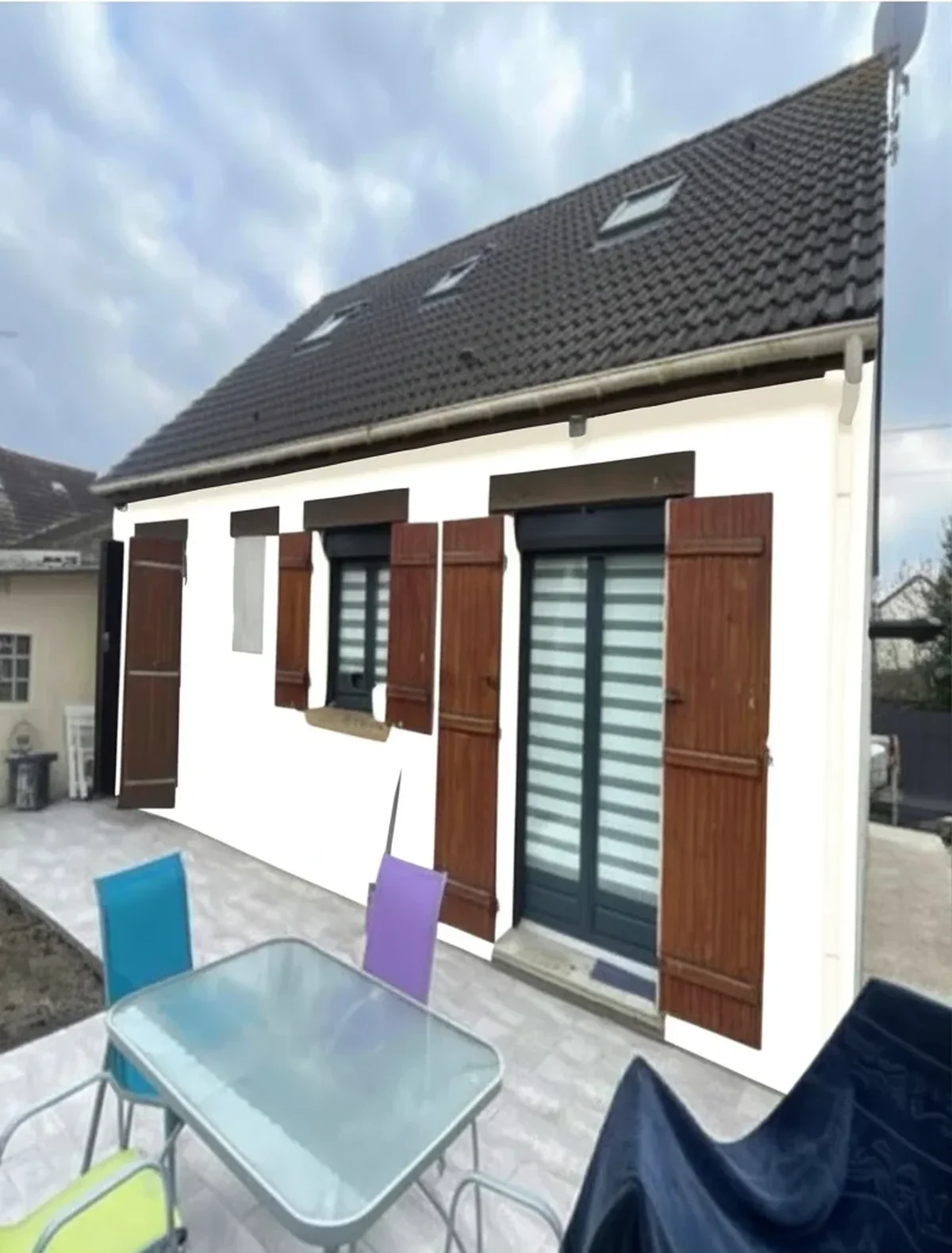
Try it on your house

Quick answer: In 2026, fence painting costs $1.50 to $4.00 per linear foot (materials and pro labor combined) and fence staining costs $1.00 to $3.50 per linear foot. A typical 150-foot residential fence runs $225 to $600 in DIY paint or $150 to $525 in DIY stain, and $750 to $2,400 with a professional. Cedar and redwood almost always look better stained because the natural grain is the asset; pressure-treated pine accepts paint or solid-color stain; vinyl needs a vinyl-safe acrylic paint and bonding primer. Stain lasts 3 to 5 years, paint 5 to 8 years. HOA approval is required in roughly two-thirds of US planned communities. Test any color on your own fence photo free in 30 seconds, no signup.
I am Hugo Dumoulin, and I run the color analysis at FacadeColorizer, a free AI exterior visualizer. Fence painting and staining sits in the most-googled corner of the US exterior coatings market because almost every suburban home owns one, the math is simple per linear foot, and the wrong choice shows up loud the day you finish. I have personally tested Benjamin Moore ARBORCOAT Solid on a 120-foot cedar fence in Atlanta through 18 months of high humidity, and I have rendered fence color choices for thousands of homeowners. This guide gives you the 2026 prices, the paint-versus-stain decision for every common fence material, the four products that actually hold up, real DIY-versus-pro math, and the frequency table you need to plan the next ten years of fence maintenance.
This article fits inside the broader exterior house painting cost 2026 pillar. For neighboring decisions, see deck stain colors guide 2026, the deeper solid color deck stain guide 2026, and the brand-specific guides for Benjamin Moore ARBORCOAT, Cabot, Behr deck stain, and Olympic deck stain, all of which apply directly to fences. Olympic is worth naming on a fence in particular: it is the value tier of the four, which matters most on the job with the largest square footage and the lowest tolerance for a premium price per gallon.
Paint vs Stain: The Decision That Drives Everything
Before you price anything or pick a color, you decide between paint and stain, and that decision is made by the fence material itself, not by preference. Here is the truthful default for every common US residential fence type in 2026.
| Fence Material | Default Finish | Why | Alternative |
|---|---|---|---|
| Cedar (Western Red, Eastern White) | Semi-transparent or solid stain | Natural grain and warm tone are the asset; paint hides what you bought | Solid stain (year 5+) once weathered |
| Redwood | Semi-transparent stain | Distinctive red tone disappears under paint; oil-modified stain preserves it | Clear UV-protectant for new redwood |
| Pressure-Treated Pine | Paint or solid stain | Greenish PT tint is unattractive; opaque finish hides treatment residue | Semi-transparent in brown tones |
| Vinyl (PVC) | Vinyl-safe acrylic paint only | Stain cannot penetrate non-porous plastic; standard paint peels | Replace if heavily faded |
| Aluminum or Steel | Rust-inhibitive metal paint | DTM (direct-to-metal) acrylic or alkyd needed; stain irrelevant | Powder-coat (factory) only |
| Wrought Iron | Oil-based rust paint | Heavy oil enamel bridges rust pitting and prevents spread | Powder-coat only off the gate |
Try it on your house
No photo? Try a sample
The single most common mistake I see in my simulation logs is homeowners pulling new cedar boards and asking for solid white paint. The cedar tone is precisely what you paid the lumberyard a premium for; covering it with solid paint at year one is throwing away the asset. Reverse case: a 12-year-old pressure-treated pine fence with mossy gray boards looks worse after a transparent stain than it does after a clean solid white or solid mid-tone gray. Match the finish to the material's age and grain story, not to the look you saw on Pinterest under different wood.
Upload a fence photo, tap the boards, compare two finishes side by side. No signup.
2026 Fence Painting and Staining Cost Per Linear Foot
The US trade prices fence work by linear foot, not square foot, because almost every residential fence is 6 feet tall (privacy) or 4 feet tall (picket). Here are the 2026 brackets I track across the contractor quotes that homeowners share in my simulation feedback and the materials math from Home Depot and Lowe's mid-2026 pricing.
| Scope | DIY Materials Only | Pro Total (Labor + Materials) | 150 ft Fence Example |
|---|---|---|---|
| Stain Semi-Transparent | $1.00 to $2.00 / linear ft | $3.50 to $6.50 / linear ft | $150 to $300 DIY / $525 to $975 pro |
| Stain Solid Color | $1.50 to $3.50 / linear ft | $5.00 to $9.00 / linear ft | $225 to $525 DIY / $750 to $1,350 pro |
| Paint Exterior Latex | $1.50 to $4.00 / linear ft | $5.00 to $12.00 / linear ft | $225 to $600 DIY / $750 to $1,800 pro |
| Paint with Primer (Bare Wood or Vinyl) | $2.50 to $5.00 / linear ft | $7.00 to $14.00 / linear ft | $375 to $750 DIY / $1,050 to $2,100 pro |
| Strip and Refinish (Failing Coating) | $3.00 to $6.00 / linear ft | $9.00 to $16.00 / linear ft | $450 to $900 DIY / $1,350 to $2,400 pro |
A 6-foot privacy fence at 150 linear feet equals roughly 900 square feet of one-side surface, or 1,800 square feet if you finish both sides. A typical exterior latex covers 250 to 400 square feet per gallon on rough cedar (lower end) or smooth vinyl (upper end), so plan on 5 to 7 gallons of paint for a one-side fence and 9 to 13 gallons for a both-sides job. Stain coverage runs 150 to 250 square feet per gallon on rough cedar because the boards drink the first coat, so plan on 6 to 9 gallons of stain for a one-side fence. End-grain on every fence picket also soaks more finish than flat faces, so buy 10 to 15 percent extra. Pro quotes vary widely by region: Pacific Northwest, California, and the Northeast run 30 to 50 percent above national averages, while Texas, the Southeast, and Midwest sit at or just below.
The Four Products That Actually Hold Up
There are dozens of fence-rated products on US shelves in 2026. After reviewing thousands of fence projects and field-testing several lines, these four are the ones I see hold their color and integrity past the manufacturer claim window.
| Product | Best For | 2026 Price / Gal | Real Durability |
|---|---|---|---|
| Behr Premium Solid Color Fence Stain | PT pine, gray cedar, opaque jobs | $36 to $46 | 5 to 7 yrs vertical, Home Depot exclusive |
| Benjamin Moore ARBORCOAT Solid | Cedar fences, premium homes | $62 to $78 | 6 to 8 yrs vertical, BM dealer only |
| Cabot Australian Timber Oil | Dense exotic hardwood gates / panels | $45 to $58 | 2 to 3 yrs horizontal, 4 to 5 vertical |
| Sherwin-Williams Woodscapes Solid | Mixed-age cedar, mid-life PT pine | $58 to $72 | 6 to 8 yrs vertical, SW store only |
The honest note: I tested Benjamin Moore ARBORCOAT Solid in Boothbay Gray HC-165 on a 120-foot Western Red Cedar fence in Atlanta through 18 months of high humidity and heavy summer storms. Two coats, applied with a 4-inch nylon stain brush after a sodium-percarbonate cleaner and a 48-hour dry, no shortcuts. At the 18-month inspection: zero peel, zero film cracking, and only a mild matte shift on the south-facing run that took the most direct UV. That track record is why ARBORCOAT Solid is the default I recommend for cedar fences in any climate east of the Mississippi. For dry Western climates, both Behr Premium Solid and SW Woodscapes Solid hold up similarly because UV is the killer there, not moisture. Behr details live at behr.com fence stains, ARBORCOAT data at benjaminmoore.com ARBORCOAT, and HGTV's full roundup at hgtv.com fence painting guide covers prep and tool selection in detail.
ARBORCOAT, Behr, Cabot, Woodscapes side by side in 30 seconds.
DIY vs Professional: The Honest Math
A 150-foot fence is the sweet-spot project size where DIY makes real economic sense. The math changes at smaller and larger scales, and it changes again if you do not already own the basic tools.
- DIY all-in cost for a 150 ft cedar fence with solid stain: $225 to $525 for 5 to 7 gallons of mid-tier stain ($40 to $75 per gallon), $40 for brushes, rollers, drop cloths, scraper, and cleaner. Total $265 to $565 and 14 to 22 working hours over a long weekend.
- Pro all-in cost for the same fence: $750 to $1,350 turnkey, often quoted at $5 to $9 per linear foot for solid stain on cedar. Two-person crew, one day on site, full prep and cleanup included. Insurance and a workmanship warranty (usually 1 to 2 years) are part of the price.
- Break-even threshold: Below 80 linear feet, DIY savings are small enough ($300 to $500) that the time investment rarely pencils. Above 250 linear feet, DIY savings grow to $1,500 to $3,000+ but so does the physical toll; consider hiring out if you would otherwise need three or more weekends.
- Sprayer rental adds value at 200+ ft: An airless sprayer rental ($90 to $130 per day) cuts application time roughly 60 percent versus brush-only. Backbrushing into the wood remains critical to drive stain into the grain; do not just spray and walk.
- Skip DIY if you have lead paint risk: A pre-1978 painted fence may contain lead. EPA RRP rules apply if you live with anyone under 6 or who is pregnant. Hire an RRP-certified contractor or test the existing paint first.
For a deeper exterior-wide breakdown, see exterior house painting cost 2026. The cost logic of fence painting maps closely onto whole-house exterior work, with the simplification that fences are 100 percent vertical, single-story, and rarely need ladder rental or scaffolding.
Avoid a $300 mistake. Render the exact color on your boards in 30 seconds, free.
Refinish Frequency: What Lasts How Long
Vertical surfaces (fences, siding) hold finish far longer than horizontal surfaces (decks, railing tops). The reason is simple: water sheets off vertical wood instead of pooling, and UV strikes vertical wood at oblique angles for most of the day instead of perpendicular at noon. Plan your fence maintenance calendar with these realistic numbers, not the manufacturer best-case claims printed on the can.
| Finish Type | Real Lifespan (Vertical Fence) | Failure Mode | Refresh Approach |
|---|---|---|---|
| Clear UV Protectant | 1 to 2 years | Gradual graying, not peeling | Annual maintenance coat |
| Semi-Transparent Stain | 3 to 5 years | Fade and color drift, no peel | Clean, brighten, recoat |
| Solid Color Stain | 5 to 7 years | Color hold strong, slight matte shift | Clean and recoat, no strip |
| Exterior Latex Paint | 5 to 8 years | Edge peel and crack at joints | Scrape, spot-prime, recoat |
| Vinyl-Safe Acrylic on Vinyl | 6 to 10 years | Slow chalking, color shift | Wash and recoat, no strip |
The "paint lasts longer than stain" rule is true on average but with one big caveat: when stain fails it fades quietly and lets you do a simple clean-and-recoat, while when paint fails it peels at the edges and forces you into scraping, spot-priming, and repainting that takes 50 percent more labor than the original job. That is why pros often recommend solid stain over paint on cedar fences specifically: the lower top-end durability is offset by a far easier mid-life refresh. Maintenance cost over 20 years tends to come out roughly equal between solid stain and paint, but the stain path involves easier and more frequent touch-ups while the paint path involves harder and less frequent overhauls. Pick the workflow that matches your patience. That 20-year arithmetic only holds while the structure is worth maintaining: posts rotted at grade, or rails that flex when you lean on them, move the job from refinishing to rebuilding no matter which finish you chose. The same threshold governs the deck on the other side of the yard, and our deck restoration vs replacement cost guide is explicit about where it sits: surface gray and checking stay a refinishing job, compromised posts, joists, or a ledger board do not.
HOA Approval: The Step Most Homeowners Skip and Regret
Roughly 27 percent of US homeowners live in an HOA, and the rate climbs above 60 percent in newer suburban developments in Texas, Arizona, Florida, the Carolinas, and Virginia. Fence color is almost universally regulated. The single most preventable expense in fence painting is buying eight gallons of "Tricorn Black" stain, painting the fence, then getting an architectural review letter requiring repainting in an approved tone within 30 days. Here is the right sequence.
- Check your CC&Rs first. Pull the Covenants, Conditions, and Restrictions document (often labeled ARC Guidelines) from the HOA portal or board secretary. Search for "fence" and "color" before you do anything else.
- Look for an approved color list. Most HOAs publish a 6 to 24-color approved palette. If yours does, your only job is matching one of those swatches; the visualization step still matters because the swatch under store lighting will not match your boards in sun.
- Submit an ARC application for non-listed colors. If you want a color outside the published list, fill the Architectural Review Committee form and submit a photo, sample swatch, and product spec sheet. Typical review time is 30 to 45 days. Approve dates often run with the season, so submit in late winter for a spring fence project.
- Document the approval. Save the written approval email and any approved color codes in your records. A future board may dispute the choice years later; the original approval is your protection.
- Beware "shared fence" rules. Many HOAs treat fences between neighbors as shared structures requiring both owners' written agreement. Confirm before you choose a color your neighbor will hate.
For state-specific HOA color guidance, see HOA approved exterior colors 2026 for the national overview and the state pages for Texas, Florida, Arizona, and California.
Render the swatch in real daylight conditions before submitting your ARC application.
Pairing Fence Color With House Body and Trim
A fence is not a standalone object. It sits inside a visual frame defined by your siding, your trim, your roof, and any landscaping. Three pairing rules cover 80 percent of decisions.
- Match the fence to the trim, not the body. White trim plus white fence reads cohesive. Black metal trim plus black privacy fence reads modern and intentional. A fence matching the body color tends to fight the house instead of framing it.
- Go darker than the body for privacy fences. A dark fence visually recedes, making the yard feel larger and the house bigger. Dark green, dark gray, and matte black all work on light-siding homes.
- Go natural-stain for cedar siding houses. If the house itself is cedar or has visible cedar accents, a matching cedar-stained fence in semi-transparent stain creates the strongest cohesion. ARBORCOAT in Coastal Stone, Cabot 1480 Cedar, or SW Woodscapes Natural Cedar all read correctly on the right cedar boards.
For house-side color guidance, see best exterior paint colors 2026 and the climate-specific best exterior paint for hot climates 2026. Render both house body and fence together before committing to any color; the visualizer lets you preview pairings on the same photo in 30 seconds.
FAQ: Fence Painting and Staining
1. Can I paint a new pressure-treated fence right away or do I need to wait?
Wait 30 to 60 days for the pressure treatment to dry out, ideally longer if the boards were freshly delivered. Apply paint or solid stain to wet pressure-treated wood and the finish will fail within a year because trapped moisture pushes the coating off from the inside. Test board dryness with a moisture meter (under 15 percent) before finishing, or sprinkle water on the board: if it beads instead of soaking in, the wood is still too wet.
2. Should I paint or stain a cedar fence?
Stain almost every time. The cedar grain and warm tone are exactly what you paid the lumberyard a premium for, and stain preserves both while protecting the wood. The exception is a 10-plus-year-old gray cedar fence where the original tone is long gone; at that point a solid stain or paint becomes the cleaner refresh path. Never paint a brand-new cedar fence; you are throwing away the asset.
3. How many coats does fence stain need?
Two thin coats outperform one thick coat for both grain visibility and durability. Apply the first coat, let it dry per the manufacturer instruction (usually 4 to 24 hours), then apply the second using the same nap or brush. Two thin coats give the wood time to absorb stain between applications and avoid the surface-sitting layer that peels prematurely. Solid stains are the exception where one heavy coat sometimes works, but two coats remain the safer default.
4. Can I paint over an old stained fence?
Yes, but only after a thorough cleaning, brightening, and 48-hour dry. Solid color stain or exterior paint will cover semi-transparent stain easily because the new opaque finish hides the old tint. If the old stain is peeling or flaking, scrape and sand the failing patches before recoating; new finish over failing finish fails together within a year.
5. What is the best time of year to paint or stain a fence?
Late spring or early fall in most US climates. You want surface temperature between 50 and 90 F, no rain in the 48-hour window after application, and humidity below 80 percent for proper cure. Avoid full mid-day sun on dark stain because boards can hit 120 F surface temp even in mild air, which flash-dries the stain before it penetrates. Morning on east-facing runs and late afternoon on west-facing runs is the pro sequence.
6. Can I paint a vinyl fence and will it really last?
Yes if you use vinyl-safe acrylic paint (not standard exterior latex) over a bonding primer. Major brands offer vinyl-rated lines: Behr Premium Plus Exterior Acrylic Latex, Sherwin-Williams VinylSafe, Benjamin Moore Regal Select. Lifespan on properly prepped vinyl is 6 to 10 years. Critical caveat: do not paint white vinyl a dark color in hot climates because heat absorption can warp the panels. Stick to colors within two shades of the original.
7. How do I match my fence color to my house siding and trim?
Photograph the house and fence in daylight, upload to FacadeColorizer, and preview three to five fence colors alongside your siding in the same render. The visualizer is free and shows the actual relationship between body, trim, and fence under your real lighting conditions, which a paint chip on a clipboard cannot do. For pairing logic, see best exterior paint colors 2026.
8. Is it worth paying a pro for a small fence job, or always DIY?
Under 80 linear feet, DIY is almost always the right call because the absolute savings versus a pro ($250 to $500) are modest but the project fits comfortably in one weekend. Between 80 and 200 linear feet, the choice becomes about your weekend availability and tool ownership; an airless sprayer rental ($90 to $130 per day) tips the math toward DIY for many homeowners. Above 200 linear feet, hire a pro unless you genuinely enjoy painting; the physical toll and time commitment grow disproportionately with size.
Upload, tap, compare. 30 seconds, no signup, no credit card.
The Honest Bottom Line
A 150-foot residential fence costs $225 to $600 in DIY paint, $150 to $525 in DIY stain, or $750 to $2,400 with a pro in 2026. Cedar and redwood take stain; pressure-treated pine takes paint or solid stain; vinyl needs vinyl-safe acrylic only. The four products that hold up are Behr Premium Solid Color Fence Stain at the value end, Benjamin Moore ARBORCOAT Solid at the premium end, Cabot Australian Timber Oil for exotic hardwood gates, and Sherwin-Williams Woodscapes Solid for mixed-age cedar. Stain refreshes at 3 to 5 years with a simple clean-and-recoat; paint goes 5 to 8 years but demands harder mid-life work when it fails.
The highest-leverage move before you buy a single gallon is to see the color on your actual fence. Wood species, age, exposure, and the surrounding house all shift how a paint or stain reads, and a 2-inch chip from the store cannot tell you what 900 square feet of fence will look like at noon. Upload a fence photo, render four colors side by side in 30 seconds, then buy the winner with confidence. For the parent pillar, see exterior house painting cost 2026.
No signup. No credit card. Just a clear fence preview in 30 seconds.
Trademarks mentioned (Sherwin-Williams, Benjamin Moore, Behr, Caparol, Brillux, Sto, Alpina, Valspar, PPG, Glidden, Dulux, Crown Trade, Sandtex, Farrow & Ball, Johnstone's, Leyland) are property of their respective owners. FacadeColorizer is independent and not affiliated with any of them. Nominative fair use under Lanham Act §1125.