Try it on your house

Sandtex Microseal is the masonry paint range Sandtex sells for outside walls, in two finishes: Microseal Smooth and Microseal Fine Textured. Sandtex describes both as microporous, rainproof within one hour and durable for 15 years. On its own figures, Smooth covers 12 to 16 square metres per litre and Fine Textured covers 3 to 6.5, so the textured finish needs several times as much paint for the same wall. Neither should be applied below 8°C, and neither is suited to common, Fletton or engineering bricks.
This guide is about the product itself: what the Microseal name covers, how the two finishes differ, how far a tin goes, how to prepare a wall, when the weather allows painting, and which planning rules apply when you repaint a house. It does not rank Sandtex against Dulux, which has its own comparison, and it does not cover textured masonry paints from other brands, which our textured masonry paint guide does.
Where a figure is our own arithmetic, we say so. The product facts come from Sandtex's Smooth and Fine Textured product pages and from the Fine Textured data sheet, all read on 4 November 2026. The planning facts come from the Planning Portal and from section 7 of the Planning (Listed Buildings and Conservation Areas) Act 1990. The 15-year figure is Sandtex's own claim, and we have not found an independent test behind it.
Check Microseal on your own house first
Coverage and colour both depend on the wall. Upload a photo of the front of your house and see the shade on your own render or brick before you buy a tin.
Upload a photo of my houseWhat Sandtex Microseal is
Microseal is the name Sandtex gives its masonry paint line. The Microseal Smooth product page describes the paint as microporous, with sealing properties that protect against water ingress. It says the coating lets the surface breathe and lets moisture evaporate, while still protecting the surface from water getting in. The Fine Textured page makes the same claim in the same words. Breathing and water protection are presented together, as one property of the coating.
Two other claims appear on both pages. The first is durability: the Smooth page says "15 years trusted durability", and the Fine Textured page's description says it provides up to 15 years of trusted durability against peeling, flaking and mould. The second is speed: both pages say the paint is rainproof in just one hour. Sandtex marks that claim with a footnote, so read the footnote on the product page before you rely on the one-hour figure when a forecast is unsettled.
Is Microseal water-based? The pages we read do not use those words. The Fine Textured data sheet does tell you to wash equipment in clean water immediately after use, which points to a water-based paint. That is our reading of the instructions, so check the tin before you buy.
The 15-year claim also has a stated scope. The Fine Textured page's description ties it to peeling, flaking and mould. The description we read does not mention colour fade or chalking, so do not assume the claim covers them. We did not find a warranty document for either finish in the pages we read, so the 15 years should be read as the manufacturer's stated commitment for those three failures, not as a set of terms you can check on the page. Ask Sandtex for its written terms before you rely on them for a large job.
Smooth or Fine Textured: what actually differs
Both finishes share the drying times, the temperature limit, the durability claim and the rainproof claim. What changes is the finish, the coverage and the pack sizes.
| Sandtex figure | Microseal Smooth | Microseal Fine Textured |
|---|---|---|
| Finish | Smooth | Lightly textured, for uneven walls with hairline cracks |
| Coverage | 12 to 16 m² per litre | 3 to 6.5 m² per litre |
| Touch dry | 3 to 4 hours | 3 to 4 hours |
| Re-coat | 3 to 4 hours | 3 to 4 hours |
| Rainproof | In just 1 hour (footnote) | In just 1 hour (footnote) |
| Do not apply below | 8°C | 8°C |
| Durability claim | 15 years trusted durability | 15 years trusted durability |
| Pack sizes listed | 150 ml, 2.5 L, 5 L and 10 L | 5 L and 10 L |
Try it on your house
No photo? Try a sample
The finish is the part you can see. Sandtex describes Fine Textured as perfect for uneven walls with hairline cracks, and the Smooth page does not make that point. If your render is uneven or finely cracked, the textured finish is the one Sandtex describes for that job. The smooth masonry paint guide explains what a smooth finish asks of the wall.
The coverage gap is the figure that changes the budget. Taken at face value, Fine Textured needs roughly two to five times as much paint per square metre as Smooth. That is our arithmetic from the two ranges: the lowest Smooth figure divided by the highest textured figure gives about 1.8, and the highest Smooth figure divided by the lowest textured figure gives about 5.3. The Fine Textured page does not explain the gap, so this guide does not guess at a reason.
How far a 5 litre or 10 litre tin goes
The Smooth page's own coverage calculator treats the 12 square metres per litre as a figure per coat and asks for the number of coats. A wall painted in two coats therefore needs twice the area in coverage. Take an 80 square metre front and side elevation, painted in two coats. That needs 160 square metres of coverage, which is our calculation.
| Finish | Sandtex coverage | Litres for 160 m² (our calculation) | Tins that cover it |
|---|---|---|---|
| Microseal Smooth | 12 to 16 m² per litre | 10 to 13.3 L | Three 5 L tins, or a 10 L and a 5 L |
| Microseal Fine Textured | 3 to 6.5 m² per litre | 24.6 to 53.3 L | Five to eleven 5 L tins, or three to six 10 L tins |
The low end of each range is the safer planning figure for a rough or porous wall, and the high end is the best case. Sandtex does not say which surface its ranges assume, so we give both ends rather than pick one. Add a margin for waste and for a second batch. The data sheet also says to mix every batch together before you start, so the colour stays even across the wall.
Preparing the wall
The Fine Textured data sheet sets out the preparation, and the same logic applies to Smooth. Surfaces must be sound, clean and dry, and free from anything that will stop the paint sticking. New surfaces need little preparation but must be completely dry. The sheet also warns that poor preparation results in poor coating performance.
- Mould and organic growth: treat with Sandtex Fungicidal Wash, following the pack.
- Loose or flaking material: scrape or brush it off with a stiff bristle brush, not wire.
- Chalking, weathered, powdery or porous surfaces: brush them down, then treat with Sandtex Stabilising Solution.
- Dust: avoid breathing it, and wear a suitable face mask if you dry sand.
The Smooth product page adds that the masonry must be dry before you apply the paint. A chalky or very porous wall may need its stabiliser before the topcoat, and our masonry primer guide covers when a primer goes on under the topcoat.
Which surfaces. Sandtex lists render, roughcast, pebbledash, concrete, building blocks, facing bricks and previously painted surfaces as suitable for most sound, dry exterior surfaces. The data sheet rules out common, Fletton and engineering bricks. Check the brick type before you paint, because a painted brick wall is hard to reverse. Our pebbledash guide covers that surface in detail, and our brick tinting guide sets out the alternative to painting.
Application. Use a good quality masonry brush or an exterior roller. Sandtex recommends a trial application in an inconspicuous area before you start, to confirm the colour. Do not apply if there is a risk of rain or frost.
When the weather allows painting
The temperature floor is 8°C. The Smooth page says not to apply in temperatures below 8°C and to make sure the masonry is dry first. The data sheet goes further: do not apply if the temperature will fall below 8°C during drying, and do not apply if there is a risk of rain or frost.
Drying times look short on paper. Both finishes are touch dry in three to four hours, and the data sheet gives three to four hours before re-coating in normal conditions. The one-hour rainproof claim sits alongside those times, subject to the footnote. A damp or cold wall is not normal conditions, so expect the figures to stretch.
In the British autumn and winter, the drying-period rule matters most. An afternoon of mild weather does not help if the temperature drops below 8°C before the coat has dried. Check the forecast for the whole drying period, not only the day you start. Storage follows the same care: the data sheet says to keep the pack upright and secure, and not to store it below 5°C or above 40°C.
Colours on screen and on the wall
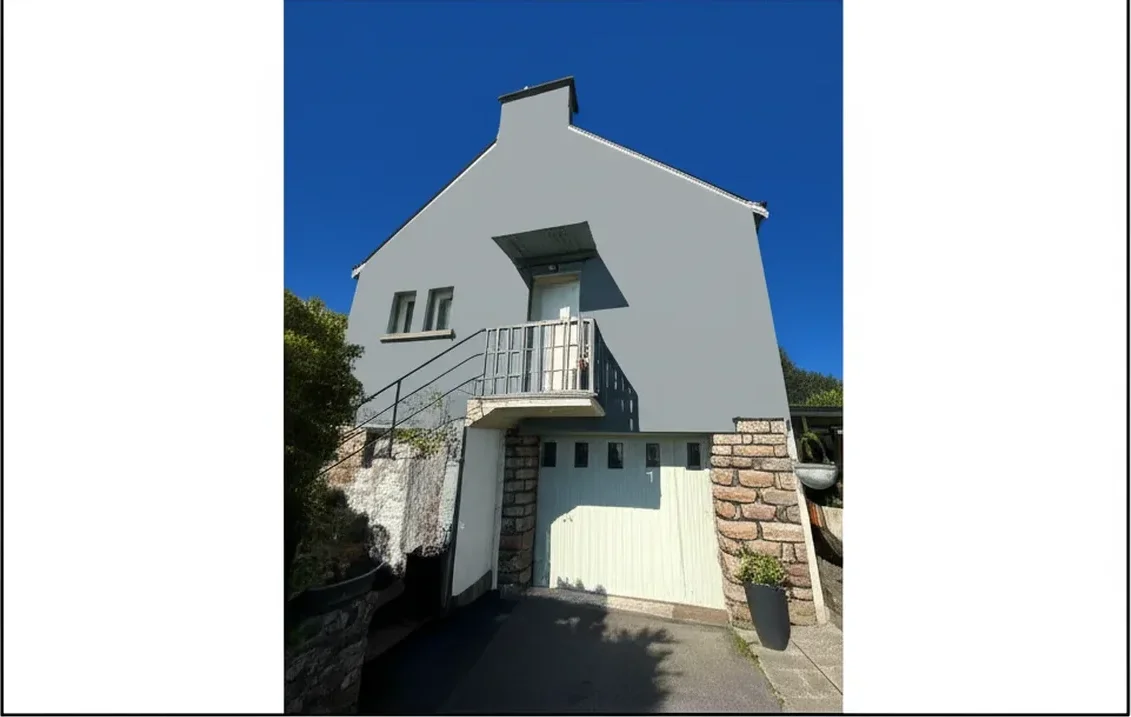
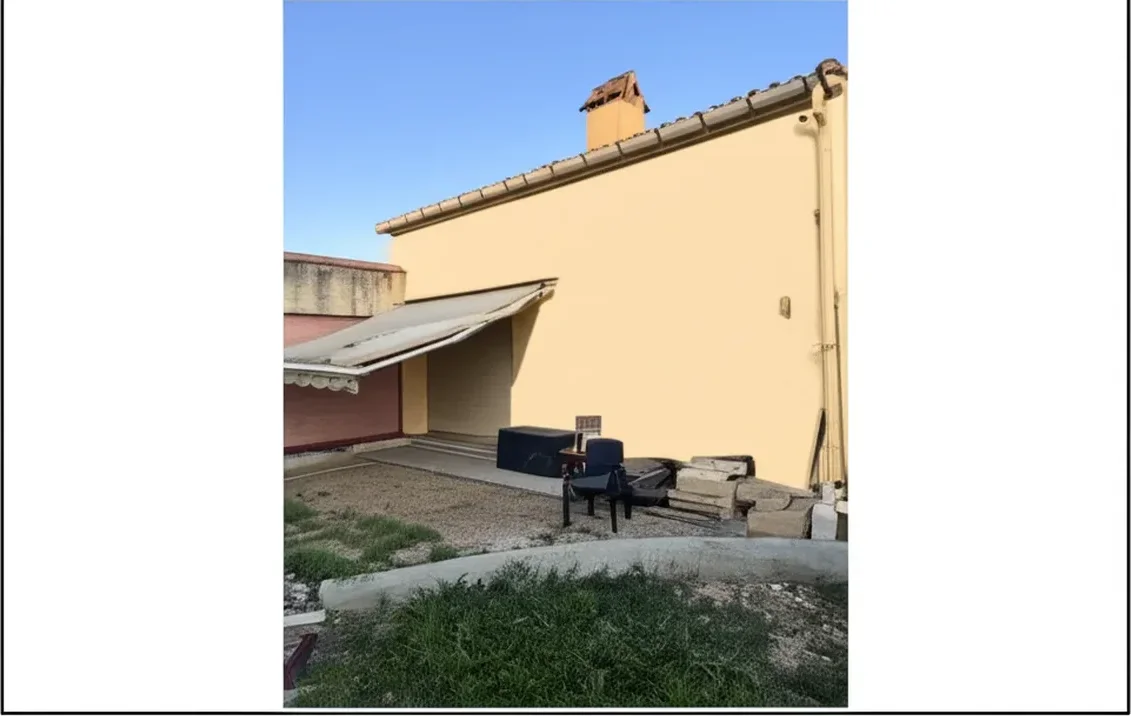
The Smooth page lists Mid Stone among its colours, and it is the shade we use in our illustrations. The page warns that the colours shown on the website may not match exactly with the end result, and that Sandtex cannot be held responsible for variations between the product and the swatches. Treat any screen colour as a starting point.
Paint a trial area, look at it in morning and afternoon light, and hold it beside the window frames and roof that will sit next to it. A house with walls facing different directions can look different on each side, so check every elevation you plan to paint.
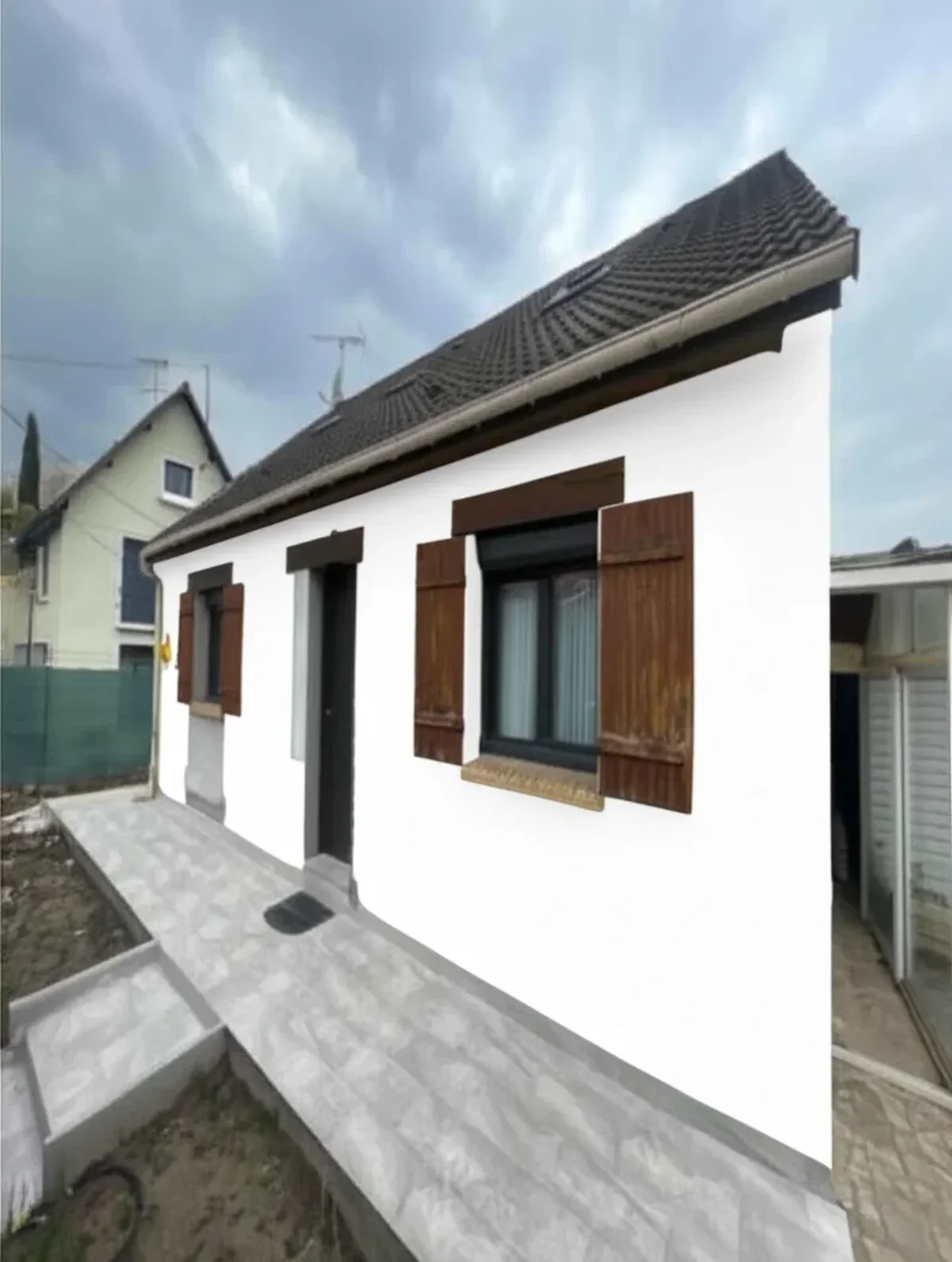
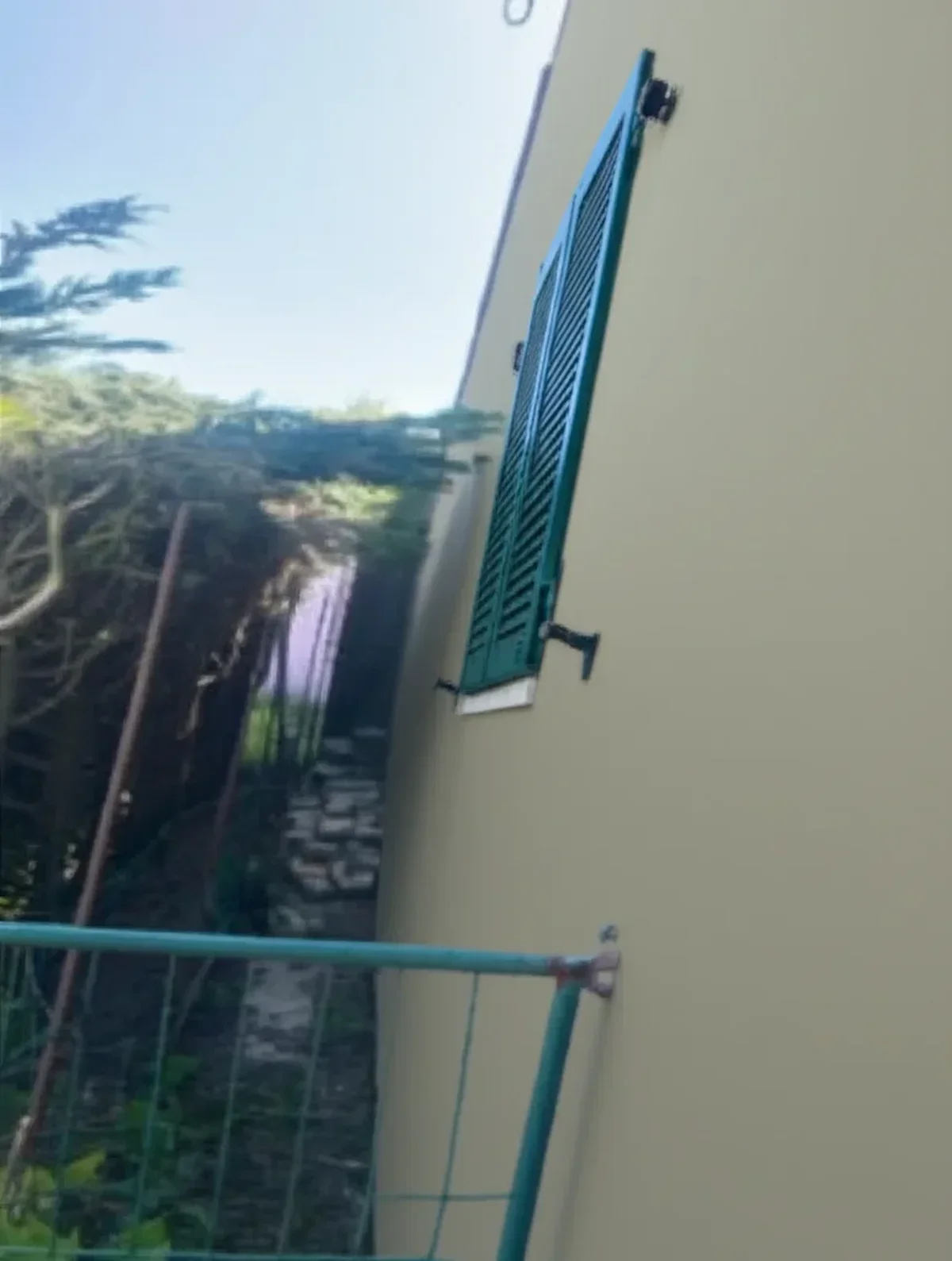
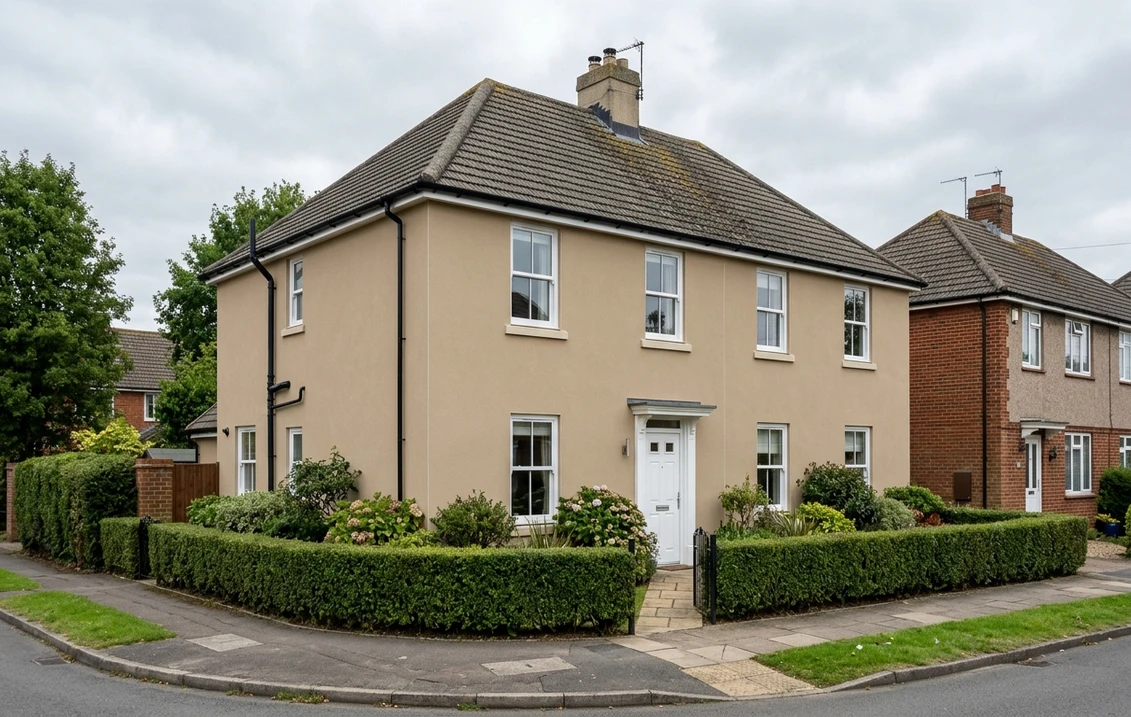
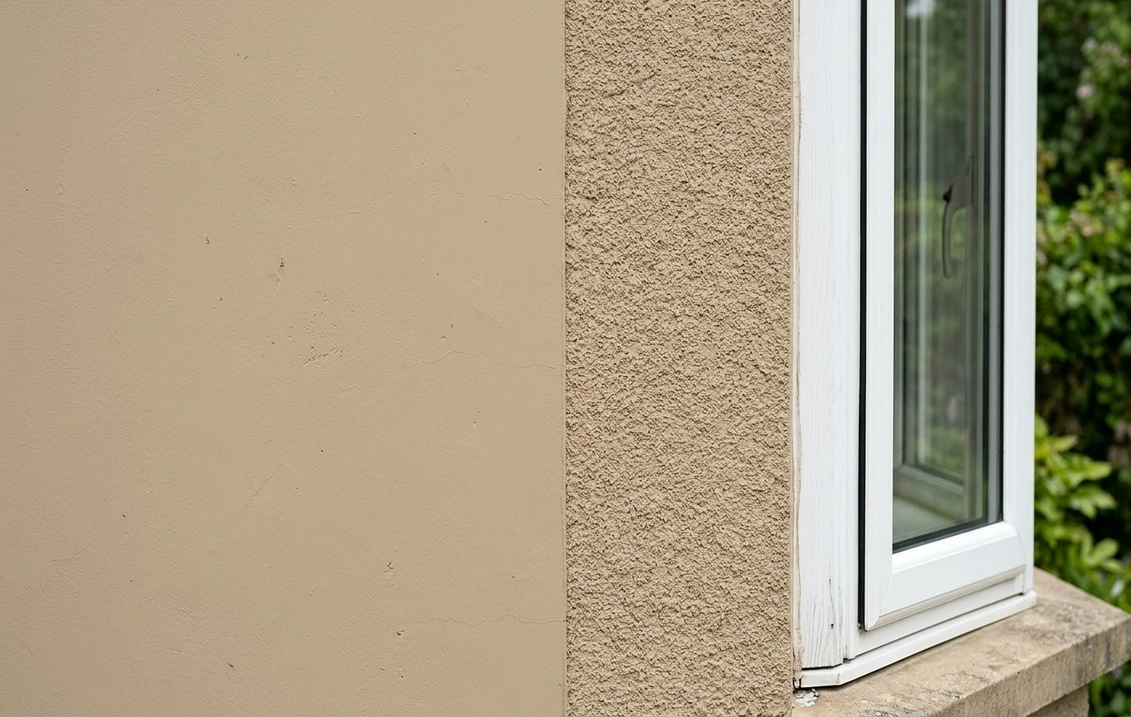
The pictures on this page are generated illustrations, not photographs of Sandtex jobs. The cover shows a rendered house in a warm stone beige. The second picture puts a smooth finish beside a lightly textured one in the same colour, to show the difference in finish that the two products describe.
Sandtex Microseal or Dulux Weathershield?
That is a comparison question, and it has its own page. Our Sandtex vs Dulux Weathershield comparison sets the two masonry ranges side by side, and our Dulux Weathershield colours guide covers the Dulux range on its own. This page sticks to what Sandtex publishes about Microseal, so the choice between brands is left to the comparison.
Before you order a tin
Six checks cover most of the mistakes that the product pages and the data sheet help you avoid:
- Match the finish. Make sure the tin says Microseal Smooth or Microseal Fine Textured, and use the coverage figure for that finish only.
- Buy for the low end on a rough wall. Use the lowest coverage figure for pebbledash, render with a rough finish or a porous brick, then add a margin.
- Check the surface. The wall should be sound, clean and dry, and not built from common, Fletton or engineering bricks.
- Check the whole drying period. Look at the forecast for the temperature floor of 8°C and for rain or frost, not only the day you start.
- Read the rainproof footnote. The one-hour claim is marked with a footnote, so do not plan a job around a forecast until you have read it.
- Order a trial tin and mix batches. Test the colour in an inconspicuous area first, and mix every batch together before you paint the wall.
Planning and listed buildings
The Planning Portal says that painting your house counts among repairs, maintenance and minor improvements, which do not need planning permission. Painting an ordinary house with Microseal therefore does not normally go through the planning system. Local rules can still change what applies, so check with your local planning authority before you start.
Listed buildings are different. The Planning Portal says that if you live in a listed building, you need listed building consent for significant works. The legal test sits in section 7 of the Planning (Listed Buildings and Conservation Areas) Act 1990. It says that no one may carry out works to alter a listed building in a way that would affect its character as a building of special architectural or historic interest, unless the works are authorised under section 8. Our guide to painting a listed building covers the rules in more depth.
Conservation areas need a separate check. The Planning Portal's conservation area notes cover cladding the outside of a house, and they do not mention painting, so ask your council before you paint a building in one. Our conservation area painting guide covers the process.
See Microseal on your own house
The cheapest test is a photo. Our paint visualiser lets you try shades on a picture of your house, which is a quick way to shortlist before you paint a trial area. Then order a tester and look at it in daylight before you buy the tin you will use.
For a rendered house, our stone masonry paint colours guide covers the stone masonry shades in more detail, and the masonry paint guide compares the wider choice of exterior masonry paints.
Try a Microseal shade on your house
Upload a photo of the front of your house, try the colour on the wall, and compare it with the trial area before you commit to a tin.
Upload a photo of my houseSources and references
- Sandtex, Microseal Smooth Masonry Paint product page: microporous description, 15 years trusted durability, coverage of 12 to 16 m² per litre, touch dry time, the 8°C limit, the one-hour rainproof claim, pack sizes and the colour disclaimer. Read on 4 November 2026.
- Sandtex, Microseal Fine Textured Masonry Paint product page: lightly textured finish for uneven walls, coverage of 3 to 6.5 m² per litre, the 15-year durability description and the 8°C limit. Read on 4 November 2026.
- Sandtex, Microseal Fine Textured Masonry Paint data sheet (PDF): suitable and unsuitable surfaces, preparation with Fungicidal Wash and Stabilising Solution, re-coat time, temperature during drying, storage from 5°C to 40°C and cleaning in clean water.
- Planning Portal, External walls: planning permission: painting as repair or maintenance, listed building consent for significant works, and the conservation area note on cladding.
- legislation.gov.uk, Planning (Listed Buildings and Conservation Areas) Act 1990, section 7: consent for works that would affect the character of a listed building, unless authorised under section 8.
Frequently asked questions
Is Sandtex Microseal water-based?
How much does a 5 litre tin of Sandtex Microseal cover?
What is the difference between Microseal Smooth and Microseal Fine Textured?
Does Sandtex Microseal last 15 years?
Do I need planning permission to paint my house with Microseal?
Trademarks mentioned (Sherwin-Williams, Benjamin Moore, Behr, Caparol, Brillux, Sto, Alpina, Valspar, PPG, Glidden, Dulux, Crown Trade, Sandtex, Farrow & Ball, Johnstone's, Leyland) are property of their respective owners. FacadeColorizer is independent and not affiliated with any of them. Nominative fair use under Lanham Act §1125.