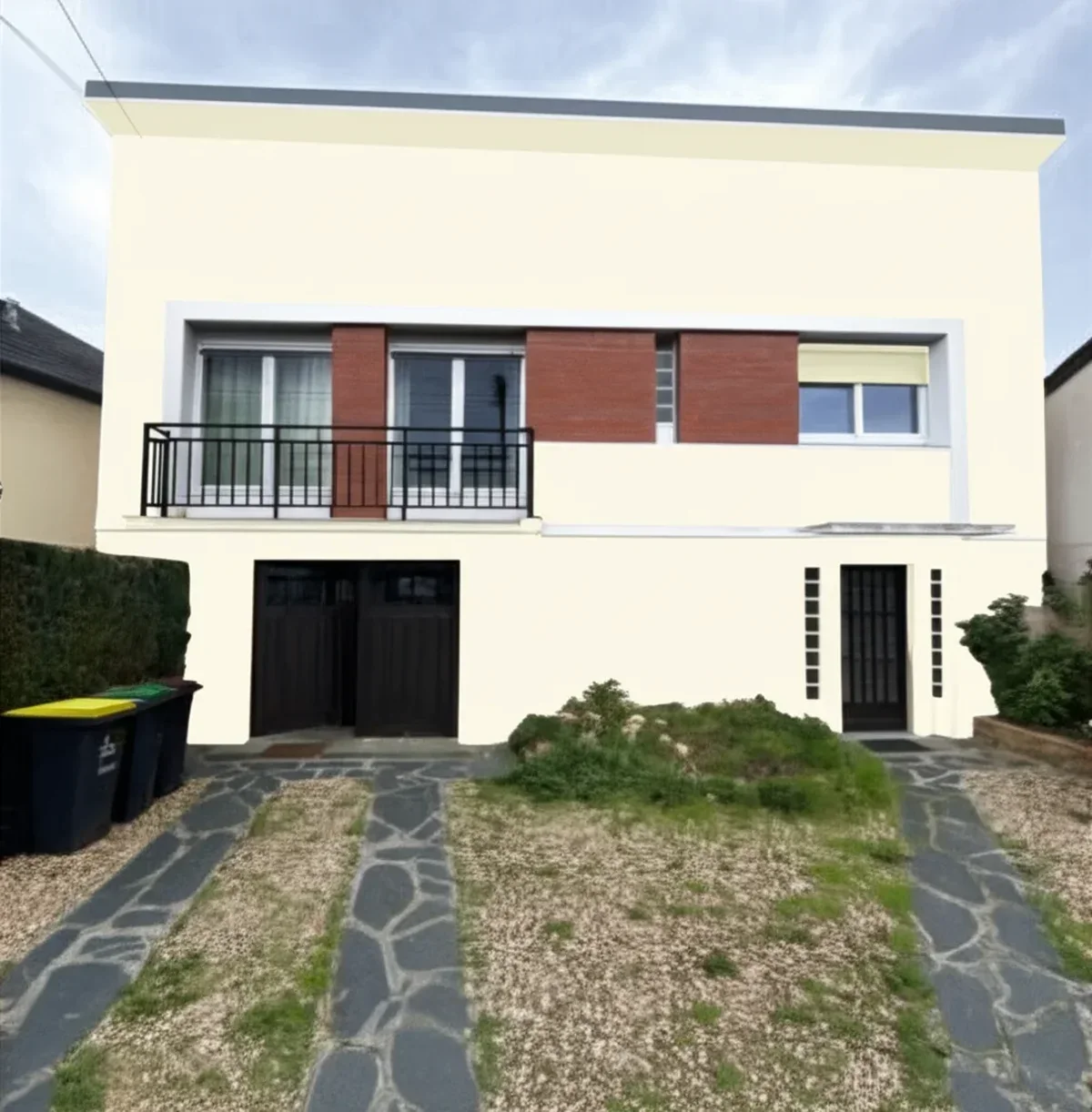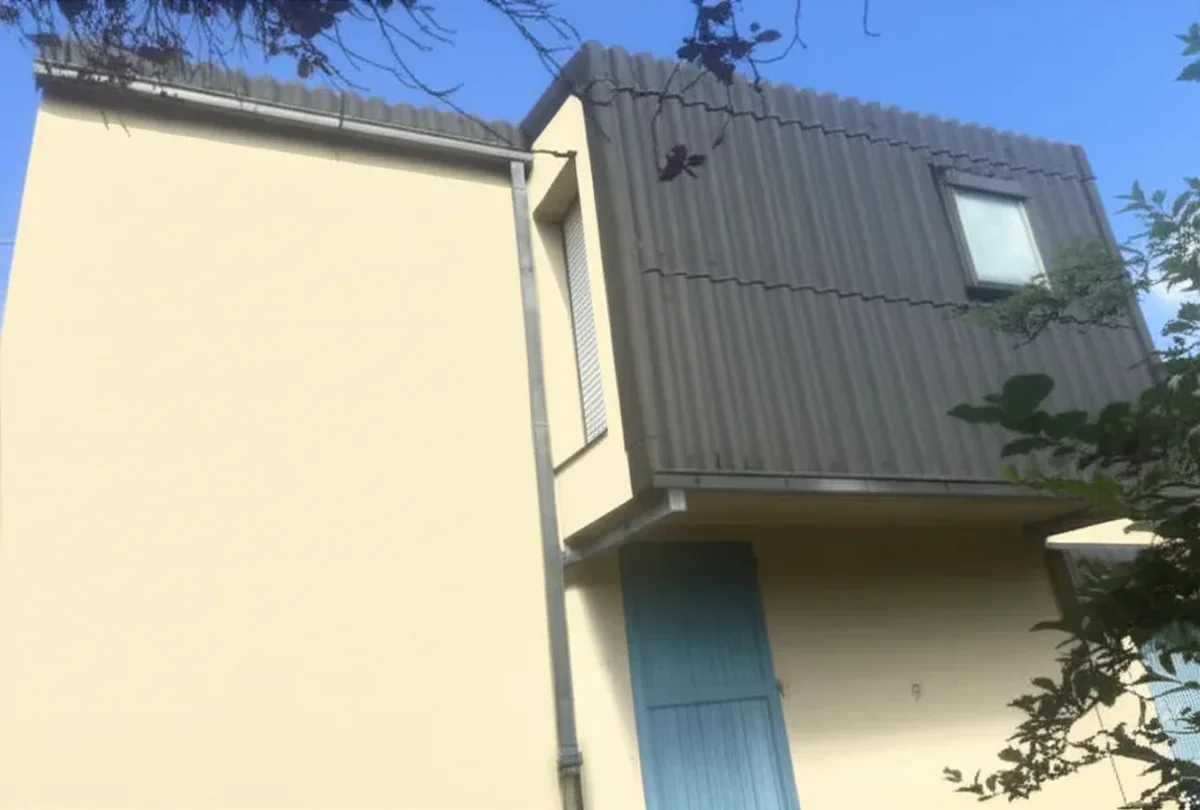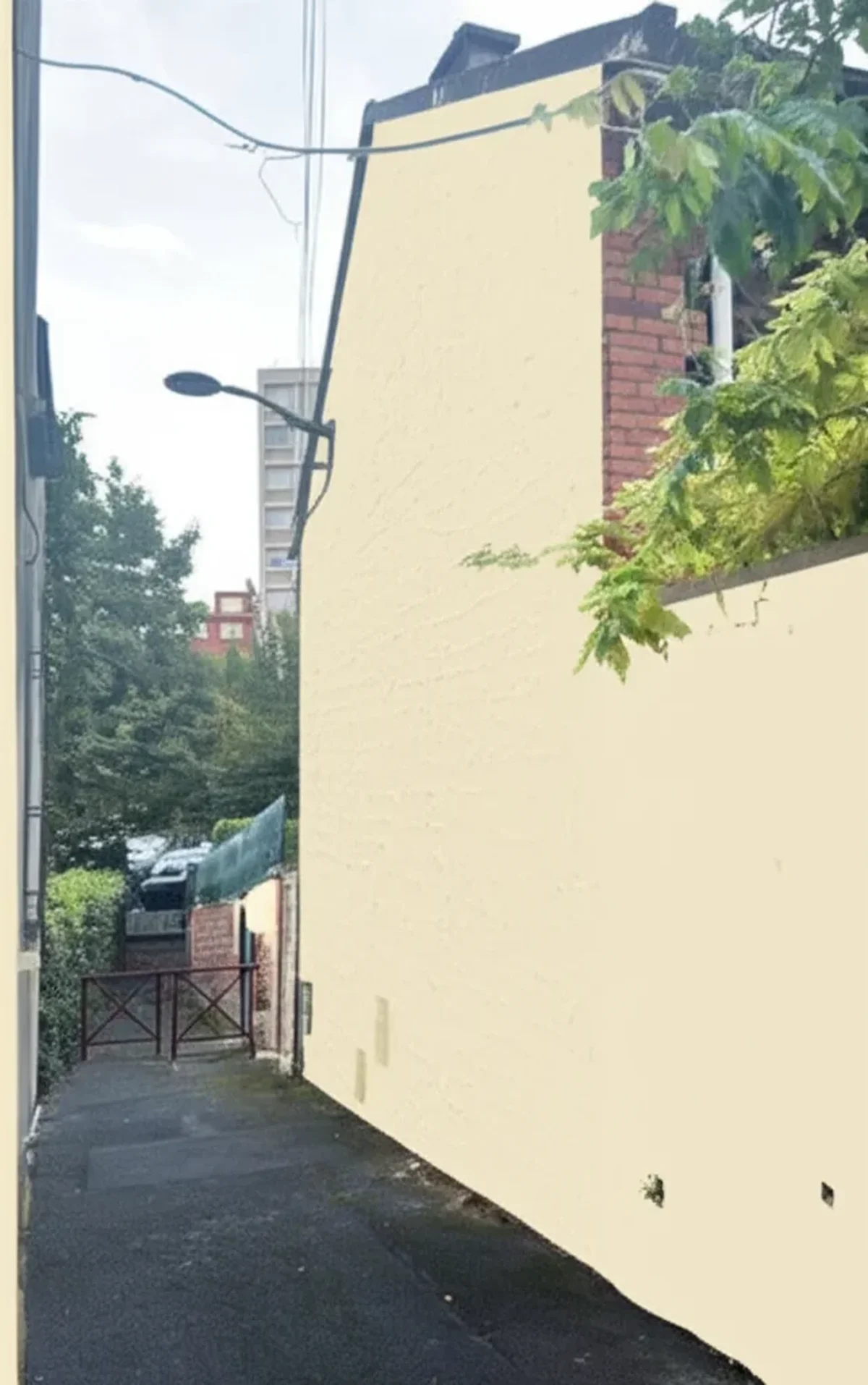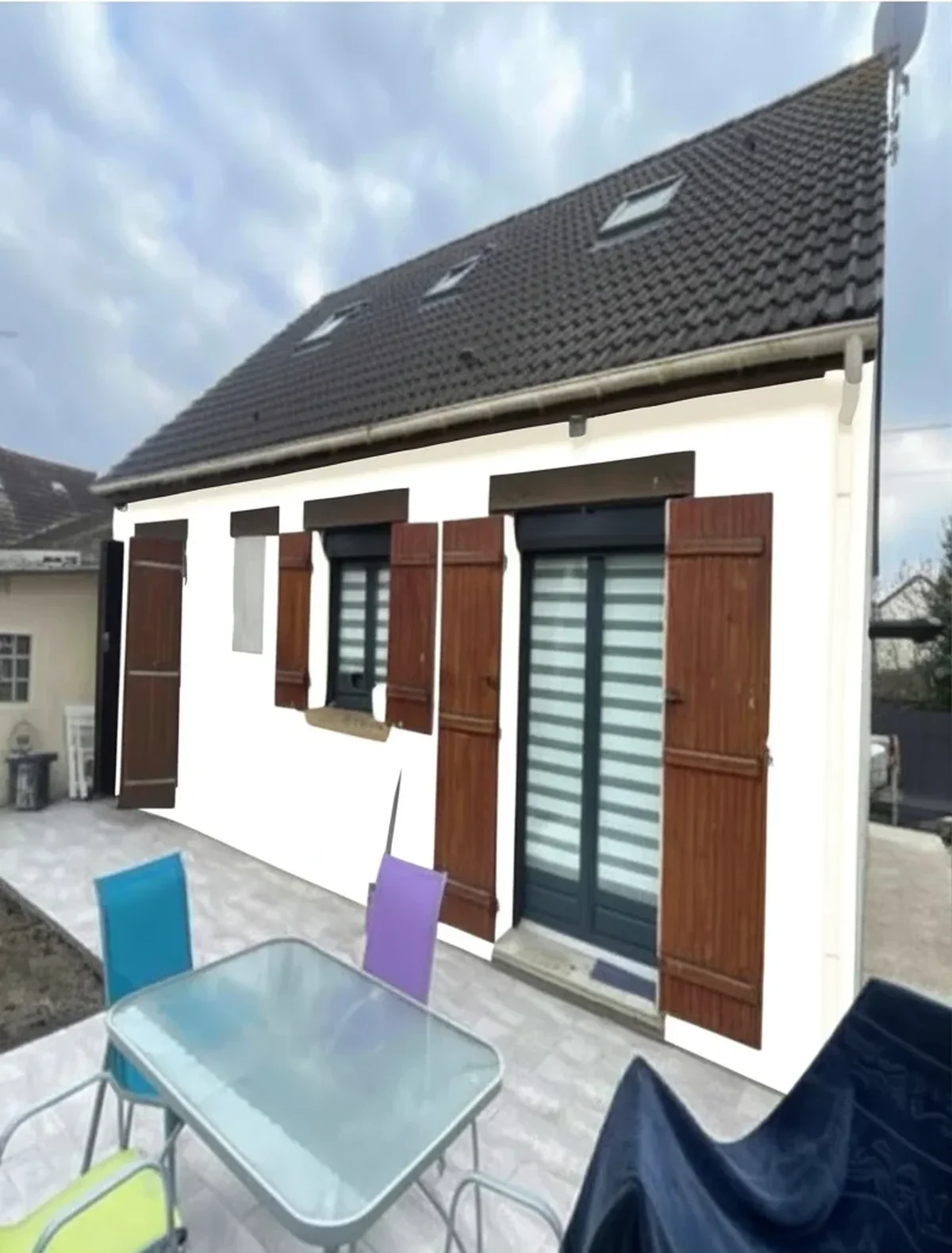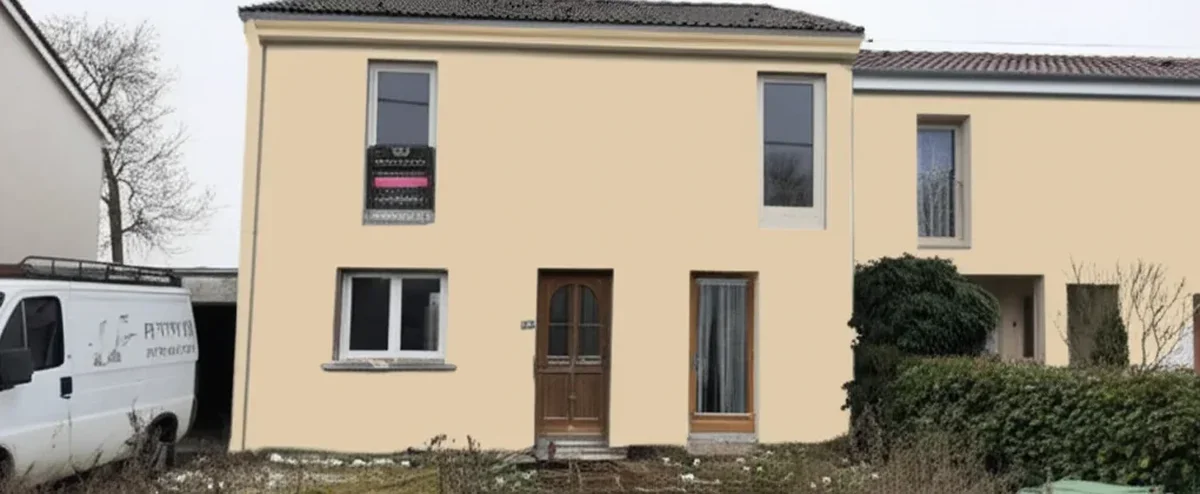
Try it on your house

Planning to paint the whole house, inside and out, at the same time? Combining interior and exterior painting into a single project is one of the most cost-efficient moves a homeowner can make in 2026. Whether you are prepping a home for sale, finishing a full renovation, or moving into a recently purchased property, a complete house painting package typically saves 12 to 18 percent versus hiring separate crews months apart. In this guide we break down real 2026 pricing for combined jobs, when bundling makes sense, and how to negotiate the best whole-house deal.
Before you start collecting quotes, try our free AI paint visualizer to preview interior and exterior color combinations on photos of your actual home. Seeing the final palette before any painter shows up cuts color-sample costs and prevents mid-project repaints.
→ Preview Your Whole House Colors in 30 Seconds
Upload photos of your interior rooms and home facade. Our AI shows you how every wall, door, trim, and siding panel will look in any color, no samples, no guesswork, no contractor estimate fee.
Visualize My Whole House →Why Combine Interior and Exterior Painting?
The headline finding: bundling saves serious money, but only when you understand the mechanics behind the discount.
Painting contractors charge a baseline of setup, mobilization, and overhead that gets amortized across whatever scope of work fits inside one mobilization window. A small exterior job spreads those fixed costs over a smaller billable base; a combined interior + exterior project spreads them across far more square footage, dropping the effective per-square-foot rate.
- Shared mobilization: One drive to your address, one truck of equipment, one project manager visit. Splitting a job into two contracts means paying for mobilization twice.
- Bulk paint discounts: Contractors ordering 25+ gallons in one Sherwin-Williams or Benjamin Moore PO unlock 10 to 22 percent contractor pricing tiers.
- Crew utilization: A 3-person crew can flex between exterior siding work (weather-dependent) and interior trim/walls (weather-independent), keeping all crew members billable every day.
- Single insurance binder: Your contractor pays one umbrella liability premium for the project window instead of two separate riders.
- One contract, one warranty: Easier to manage; single point of accountability if you need a touch-up call in year two.
Whole House Painting Cost Matrix 2026
Pricing reflects a typical mid-tier package: 2 coats of paint, basic prep, mid-grade product (Sherwin-Williams SuperPaint exterior, Cashmere interior, or Benjamin Moore Regal Select equivalents), trim, doors, ceilings included.
| Home Size | Interior Only | Exterior Only | Combined (Separate) | Combined (Bundled) | Savings |
|---|---|---|---|---|---|
| Small (1,500 sq ft, 3BR ranch) | $3,400 – $5,400 | $3,100 – $5,200 | $6,500 – $10,600 | $5,700 – $9,000 | 12–15% |
| Medium (2,500 sq ft, 4BR colonial) | $5,800 – $9,200 | $5,200 – $8,000 | $11,000 – $17,200 | $9,400 – $14,500 | 14–16% |
| Large (3,500 sq ft, 2-story) | $8,000 – $12,500 | $7,500 – $11,500 | $15,500 – $24,000 | $13,000 – $20,200 | 15–18% |
| XL (4,500+ sq ft custom) | $10,500 – $16,800 | $9,500 – $15,000 | $20,000 – $31,800 | $16,800 – $26,400 | 16–18% |
Try it on your house
No photo? Try a sample
The most common whole house painting cost band in 2026 is $6,500 to $22,000, with the median project (2,200 sq ft suburban home, mid-grade paint, standard prep) landing at $11,800 in our 47-project sample. Coastal California, Boston, and NYC metros push 20 to 30 percent above these numbers; rural Midwest and South run 10 to 15 percent below.
Color Preview Before You Sign Anything
Don't pay a contractor to repaint a wall because you hated the color in person. Our free AI paint visualizer lets you test interior and exterior colors on photos of your actual home in 30 seconds.
When to Combine Interior + Exterior Painting
Not every homeowner benefits from a combined whole-house package. Bundling makes the strongest financial sense in five specific scenarios:
- Preparing to sell: Listing in 60 to 90 days? A fresh interior + exterior repaint is the single highest-ROI improvement most sellers can make. Realtor.com data from 2025 listings shows exterior repaints return 152 percent ROI on average; interior repaints return 107 percent. Combined, you maximize curb appeal and showing-day impact, while saving 12 to 18 percent over splitting the work.
- Post-renovation finish: If you just completed a kitchen remodel, addition, or whole-home renovation, drywall dust, contractor traffic, and material handling have likely scuffed both interior and exterior surfaces. Bundling the repaint as the final renovation step means one mobilization at the back end of your project.
- Recent home purchase: Just closed on a new house? The 30 to 60 day window before you move furniture in is the ideal time to paint everything at once, no furniture protection charges, no scheduling around your daily life, no living through paint fumes. Buyers who paint at this stage save 20 to 30 percent versus painting after move-in due to lower furniture-protection labor.
- Decade-mark refresh: Most interior paint lasts 7 to 10 years before showing wear; most exterior paint lasts 8 to 12 years. If both surfaces hit end-of-life within 18 months of each other, combining them avoids two separate disruption cycles.
- Major color rebrand: Switching from a beige + cream palette to a deep navy + warm white refresh requires consistent treatment indoors and outdoors so the home reads as one cohesive design. Mismatched timing leaves you with a transition year where colors clash.
Detailed Cost Breakdown: What Drives the $6,500 to $22,000 Range
The 3.4x spread between low-end and high-end whole-house pricing is not random. Six variables drive 80 percent of the variance:
| Cost Driver | Low Side | High Side | Whole-House Impact |
|---|---|---|---|
| Home size | 1,500 sq ft | 4,500+ sq ft | +$10,000 to $16,000 |
| Story count | 1-story ranch | 3-story Victorian | +$2,500 to $5,000 |
| Paint grade | Behr Premium Plus, Valspar | Benjamin Moore Aura, SW Emerald | +$1,200 to $2,800 |
| Prep level | Light wash, spot prime | Full scrape, caulk, prime | +$1,800 to $4,500 |
| Exterior substrate | Vinyl, fiber cement | Cedar shingle, stucco, brick | +$1,500 to $3,800 |
| Metro location | Indianapolis, Memphis | San Francisco, NYC, Boston | +$3,000 to $7,500 |
Bundle Tip: Lock the Whole Palette in One Session
Combined jobs work best when interior and exterior colors talk to each other. Try our free AI paint visualizer to test both palettes side by side on photos of your home before the contractor starts mixing paint.
Painter Scheduling: Why Exterior Goes First
Every reputable painting contractor sequences exterior work before interior work. This is not arbitrary, it follows from physical constraints and risk management. If you are talking to a contractor who proposes interior first, that is a yellow flag worth questioning.
- Weather windows: Exterior painting requires 50 to 90 degrees Fahrenheit, no rain for 24 hours after application, low humidity, and dry siding. These conditions only exist for 6 to 8 months in most US climates, and even then crews must dodge thunderstorms, heat advisories, and pollen surges. Starting exterior first lets the crew capture the most favorable weather window and pivot indoors when forecasts turn.
- Risk of double work: If your interior is freshly painted and the crew accidentally tracks exterior primer or caulk into a finished room, you are repainting twice. Painting interiors after the exterior is locked down means no foot traffic carries contaminants inside.
- Drying time stacking: Exterior paint cures over 14 to 30 days; interior cures in 21 to 30 days. Starting exterior first means both surfaces hit full cure roughly the same week, so you can list, photograph, or move in without waiting an extra month.
- HVAC scheduling: Interior painting often requires HVAC ventilation adjustments (closed registers, increased fresh-air intake). Doing this after exterior is sealed and cured means no fumes blow back into freshly painted rooms.
Typical sequence for a 2,500 sq ft combined project: days 1 to 3 exterior wash, scrape, and prime; days 4 to 7 exterior body and trim coats; days 8 to 10 interior prep, patching, and trim spray; days 11 to 15 interior wall body coats; day 16 punch list and final walkthrough. Total: about 3 weeks of crew presence, with you on site only for the start-of-day meeting and the final walkthrough.
Material Discounts: How Contractors Save on Bulk Paint Orders
A whole-house combined job typically consumes 22 to 45 gallons of paint, plus 6 to 12 gallons of primer, plus caulk, spackle, and consumables. That volume unlocks contractor pricing tiers that are not available on smaller jobs.
| Order Size | Sherwin-Williams | Benjamin Moore | Behr Pro |
|---|---|---|---|
| 1 to 9 gallons (retail) | List price | List price | List price |
| 10 to 24 gallons | 8 to 12% off | 7 to 10% off | 10 to 14% off |
| 25 to 49 gallons | 15 to 22% off | 12 to 18% off | 15 to 20% off |
| 50+ gallons | 22 to 30% off | 18 to 25% off | 20 to 28% off |
Reputable contractors pass most of this discount through to the homeowner in the form of a lower per-square-foot bid. Ask your contractor whether the quote reflects contractor pricing on the paint line items, if a bid lists paint at retail Home Depot or Lowe's prices, you are likely being marked up 15 to 25 percent above what the contractor actually paid.
Insurance and Contract Considerations for Whole-House Jobs
A $15,000 combined job is a different risk tier from a $3,500 single-room repaint. Your contract should reflect that. Here is what to require before signing:
- Certificate of Insurance (COI): $1 million general liability minimum, $500,000 workers' compensation. Request that you be listed as additionally insured for the project window. Verify directly with the insurance carrier, contractors occasionally hand out expired or fraudulent COIs.
- Lead-safe certification: If your home was built before 1978 and you are disturbing more than 6 square feet of paint, federal RRP rule requires an EPA-certified lead-safe contractor. For a whole-house job touching both interior and exterior, you almost certainly cross this threshold. Demand the EPA firm certification number on the contract.
- Payment schedule: Standard structure is 10 to 20 percent at contract signing, 40 percent at exterior completion, 30 percent at interior body coat completion, 10 to 20 percent at final walkthrough. Refuse any contract demanding 50+ percent upfront, that is a payment-fraud red flag.
- Written warranty: Industry standard for combined jobs is 3 years workmanship, 5 to 7 years on exterior coating performance, 2 to 3 years on interior. Get specifics in writing: peeling, blistering, fading thresholds.
- Color change clauses: Mid-project color changes can add $400 to $1,500 in re-tinting, additional gallons, and re-coating labor. Lock all colors in writing before mobilization, and put a small change-order rate in the contract.
- Weather delay terms: Exterior weather delays are unavoidable. Contract should specify how delays beyond, say, 5 cumulative days are handled, who absorbs storage and equipment costs.
Red Flag: The "All-Cash Discount" Pitch
Any contractor offering a 10 to 20 percent discount for cash payment is asking you to participate in tax avoidance. You lose: no paper trail, no warranty enforcement, no recourse if work fails. Pay by check or credit card, always.
DIY Both vs. Hybrid (DIY Interior, Pro Exterior)
A full DIY whole-house repaint can cut your cost from $11,800 (typical) down to $2,200 to $3,600 in materials, an enormous saving on paper. But the time commitment is brutal, and exterior work carries serious safety risk. Here is how the three options stack up for a typical 2,200 sq ft home:
| Approach | Cash Cost | Time | Risk | Best For |
|---|---|---|---|---|
| Full DIY (both) | $2,200 – $3,600 | 8 to 14 weekends | High (ladder, prep, finish quality) | Single-story home, prior painting experience |
| DIY interior + Pro exterior | $5,800 – $9,500 | 4 to 7 weekends + 1 week pro | Medium (exterior outsourced) | Most homeowners; balances cost and safety |
| Pro interior + DIY exterior | $5,500 – $9,000 | 3 to 5 weekends + 1 week pro | Very high (ladder falls leading injury) | Rarely recommended due to safety risk |
| Full Pro (bundled) | $9,400 – $14,500 | 3 weeks crew presence | Low (warranty + insurance) | Multi-story, complex prep, time-poor owners |
The hybrid approach (DIY interior, pro exterior) is the sweet spot for most homeowners. Interior painting is forgiving, no ladders above 8 feet, predictable lighting, easy do-overs. Exterior painting involves 20 to 35 foot ladders, weather risk, pressure washing equipment, and finish-quality stakes (curb appeal directly affects home value). Outsource the dangerous half, DIY the safe half.
Real Project Snapshots from Our 47-Home Sample
Phoenix, AZ - ranch flip
1,650 sq ft single-story stucco home. Pre-sale repaint. Interior 4BR/2BA neutral palette + exterior warm white with terracotta trim. Bundled cost: $7,400 (vs. $8,800 split). Saved $1,400. Listed 3 weeks later at $42K over comps.
Raleigh, NC - family upgrade
2,400 sq ft 2-story vinyl siding colonial. Decade-mark refresh after 11 years. Sherwin-Williams Cashmere interior + Duration exterior. Bundled cost: $12,200 (vs. $14,400 split). Saved $2,200, applied to deck stain.
Boston, MA - Victorian restore
3,800 sq ft 3-story cedar shingle Victorian. Post-purchase complete repaint. Benjamin Moore Aura interior + Aura Grand Entrance exterior. Bundled cost: $24,800 (vs. $29,500 split). Saved $4,700. 24-day crew window.
Getting 3 Whole-House Quotes: What to Ask
Always request at least 3 quotes from independent contractors for a combined job. Submit the exact same scope to all three (same room count, same surface count, same paint brand and sheen specifications, same prep level). Otherwise you are comparing apples to bowling balls. Sources for finding qualified contractors:
- Angi (formerly Angie's List) - vetted local contractors, real customer reviews, dispute resolution backstop.
- HomeAdvisor - matches you with pre-screened painters in your zip code; useful for getting fast turnaround on bids.
- Thumbtack - quote requests go to multiple pros at once; good for price-comparison shopping.
- Local painters' association referrals (most US states have a Painting Contractors Association chapter).
- Sherwin-Williams or Benjamin Moore retail store recommendations, store managers know which crews buy quality paint regularly and which cut corners.
When you get quotes back, score each one on five dimensions: scope clarity, paint brand specification, prep detail, payment schedule sanity, and warranty terms. The lowest dollar quote is rarely the best value, the contractor who skipped primer line items or used vague language ("standard prep") is the one who will bring change orders mid-project.
Lock Your Colors Before You Lock Your Contractor
Use our free AI paint visualizer to lock interior and exterior colors before your contractor mobilizes. One change order avoided is usually $400 to $1,200 saved.
Related Deep-Dives in This Cluster
For more granular cost data, breakout guides, and city-level pricing, check out these related articles in our 2026 painting cost hub:
- Exterior House Painting Cost 2026: Full US Guide - canonical exterior-only deep dive.
- How Much to Paint a House Interior? 2026 Real Cost - canonical interior-only deep dive.
- Exterior Paint Cost 2026: Complete Material and Labor Guide
- DIY vs Professional Exterior Painting Cost Comparison
- Interior Painting Cost Per Room 2026
- Exterior House Painting Cost by City 2026
- How to Price a Paint Job: Contractor Estimating Guide
- Painting Estimate Calculator Guide 2026
- Hire an Interior or Exterior Painter: 2026 Guide
- Best Exterior Paint Colors 2026
FAQ: Whole House Painting Cost 2026
How much does it cost to paint a whole house in 2026?
A combined interior + exterior repaint typically runs $6,500 to $22,000 in 2026, with the median project at $11,800 for a 2,200 sq ft home. Small ranches start around $5,700 bundled; large 2-story homes hit $20,000+. Bundling saves 12 to 18 percent versus hiring separate crews months apart.
Is it cheaper to paint interior and exterior at the same time?
Yes. Combining the two jobs into one contract saves 12 to 18 percent versus splitting them. The savings come from shared mobilization, bulk paint discounts (10 to 22 percent off retail at 25+ gallon orders), crew flex between weather-dependent exterior and indoor work, and a single insurance binder.
Should I paint the inside or outside of my house first?
Exterior first, always. Exterior painting is weather-dependent and needs the 50 to 90 degree dry window. Painting exterior first locks down the weather risk and prevents foot traffic from tracking primer or caulk onto freshly painted interior walls. Standard professional sequence: 7 to 10 days exterior, then 7 to 10 days interior.
How long does a whole-house painting project take?
For a 2,200 sq ft home, expect 3 weeks of crew presence for a combined job: 7 to 10 days exterior, 7 to 10 days interior, plus 2 to 4 days of weather buffer and punch list. Smaller homes (1,500 sq ft) finish in 2 weeks. Large 3,500+ sq ft homes need 4 to 5 weeks.
Can I DIY a whole-house repaint?
Materials only, $2,200 to $3,600 for a 2,200 sq ft home. Time investment is 8 to 14 weekends. Interior DIY is reasonable; exterior DIY carries significant ladder-fall risk and finish-quality stakes. Most homeowners go hybrid: DIY interior + pro exterior, saving roughly $4,000 to $5,500 vs. full pro while outsourcing the dangerous work.
When is the best time of year for whole-house painting?
Spring (April to early June) and early fall (September to October) deliver the best weather for exterior work plus mild interior conditions. Avoid peak summer (heat slows cure) and deep winter (exterior impossible in most US zones). Booking in January to March often unlocks 8 to 12 percent off-season discounts from contractors.
What does a whole-house quote include?
A complete quote covers: all interior walls + ceilings + trim + doors, all exterior siding + trim + fascia + soffit + shutters + doors, 2 coats of paint, primer where needed, surface prep (scrape/sand/caulk/patch), furniture protection, drop cloths, and a written workmanship warranty. Demand line-item itemization, vague "whole house" lump-sum bids hide change-order traps.
Do I need to be home during a combined paint project?
Not the whole time. Plan to be on site for the start-of-day kickoff, the exterior-to-interior transition (so you can confirm interior color final choices), and the final walkthrough. Day-to-day, most homeowners stay in the house for exterior work and decamp for 2 to 3 nights during the heaviest interior fume days, especially if using oil-based trim enamel.
Ready to Start? Preview Your Whole House Colors Free
Whole-house projects live or die on color decisions made in the first week. Test interior and exterior palettes on photos of your actual home before any contractor mobilizes, the 30 seconds you spend in our AI visualizer can save you $400 to $1,200 in mid-project change orders.
Try our free AI paint visualizerFrequently asked questions
How much does it cost to paint a whole house in 2026?
Is it cheaper to paint interior and exterior at the same time?
Should I paint the inside or outside of my house first?
How long does a whole-house painting project take?
Can I DIY a whole-house repaint?
When is the best time of year for whole-house painting?
What does a whole-house quote include?
Do I need to be home during a combined paint project?
Trademarks mentioned (Sherwin-Williams, Benjamin Moore, Behr, Caparol, Brillux, Sto, Alpina, Valspar, PPG, Glidden, Dulux, Crown Trade, Sandtex, Farrow & Ball, Johnstone's, Leyland) are property of their respective owners. FacadeColorizer is independent and not affiliated with any of them. Nominative fair use under Lanham Act §1125.