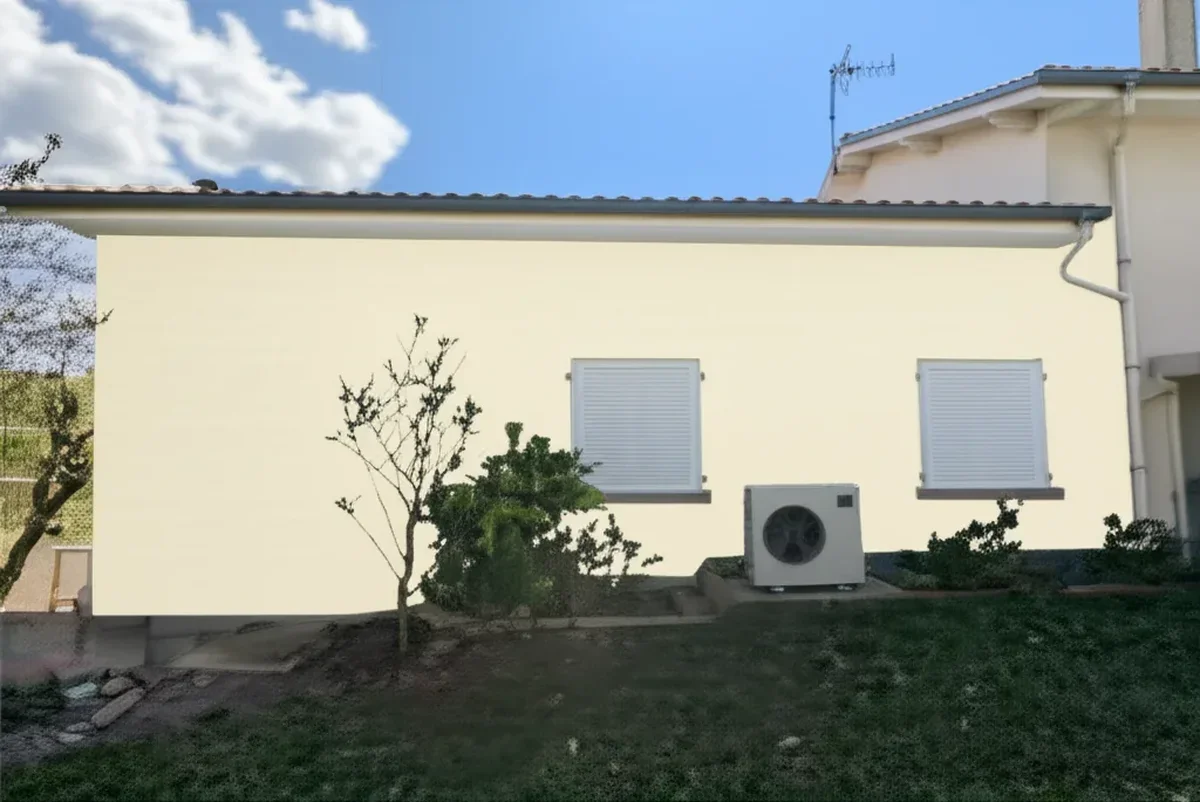
Try it on your house

If a painting contractor has quoted your interior and the paint line says "ProMar 200", you are looking at the Sherwin-Williams product that covers more American walls than any of the names homeowners know. ProMar 200 Zero VOC Interior Latex is a professional line sold in 3.5 and 5 gallon containers, formulated for the way contractors work: fast application, reliable hide, and touch-ups that disappear. It is not Emerald, and it is not meant to be. This guide gives you Sherwin-Williams' own description of the product, its sheens and certifications, the difference between ProMar 200, ProMar 200 HP and the retired ProMar 400, how it compares to SuperPaint and Emerald, and the rooms where it is the right call rather than a cost-cut.
Short version: this is a solid, zero-VOC, mold-resistant contractor paint with good hide and excellent touch-up, available in five sheens. It washes less well than SuperPaint and far less well than Emerald, so it belongs on ceilings, bedrooms, offices, rentals and new construction, not in a kitchen or a hallway with children. If your contractor quotes it for the whole house, ask for SuperPaint or Duration in the high-traffic rooms and keep ProMar 200 everywhere else.
What ProMar 200 is, in Sherwin-Williams' own words
Sherwin-Williams describes the product plainly on its ProMar 200 Zero VOC Interior Latex page: "a durable, professional quality, interior vinyl acrylic finish for use on walls, ceilings, and trim of primed plaster, wallboard", with "exceptional durability, easy application, and excellent hide", and "outstanding touch-up" that "reduces repaint costs". Two more claims matter for a homeowner: "anti-microbial agents inhibit the growth of mold and mildew on the paint surface", and "Zero VOCs meets the most stringent environments", complying "with LEED, MPI, GREENGUARD, Environmental Institute (GEI) and other green guidelines and regulations". The data sheet lists coverage of 350 to 400 square feet per gallon, the same spreading rate as the rest of the Sherwin-Williams interior line.
Three words in that description tell you what you are buying. "Vinyl acrylic" is the binder: a blend that costs less than the 100 percent acrylic resin in SuperPaint, Duration and Emerald, and that is the main reason the line washes less well than those three. "Professional quality" means the can is sized and priced for a crew, not a weekend. And "touch-up" is the feature contractors value most: a flat or low-sheen wall in this paint can be spot-repaired after the trim carpenter and the electrician have been through without the patch flashing, which on a new build saves a whole coat.
Sheens, sizes and the two ProMar 200 products
The Zero VOC version comes in five sheens: Flat, Low Gloss Eg-Shel, Low Sheen Eg-Shel, Eg-Shel and Semi-Gloss, in 3.5 and 5 gallon containers. The three eggshell variants are the reason specifiers like the line: they let an architect step the sheen up room by room without changing product, and the two "low" eggshells hide drywall imperfections almost as well as flat while wiping better. There is a second product with the same name: ProMar 200 HP Zero VOC Interior Acrylic, which Sherwin-Williams positions as "made for commercial or light industrial jobs because of its high-performance durability, abrasion resistant formula, and outstanding hide". HP is "UL/GREENGUARD Gold Certified for low chemical emissions during application", meets "LEED v4 Emissions Testing" and is "MPI compliant in key categories, including High Performance Architectural"; it comes in Flat, Low Gloss Eg-Shel, Eg-Shel and Semi-Gloss, in 1 and 5 gallon containers. If your quote says "ProMar 200 HP", you are getting the tougher, acrylic version, which is a different and better product for a busy household.
| Product (Sherwin-Williams wording) | Binder | Sheens | Sizes | Positioning |
|---|---|---|---|---|
| ProMar 200 Zero VOC Interior Latex | Vinyl acrylic | Flat, Low Gloss Eg-Shel, Low Sheen Eg-Shel, Eg-Shel, Semi-Gloss | 3.5 and 5 gal | "Durable, professional quality" with "outstanding touch-up"; zero VOC; anti-microbial |
| ProMar 200 HP Zero VOC Interior Acrylic | Acrylic | Flat, Low Gloss Eg-Shel, Eg-Shel, Semi-Gloss | 1 and 5 gal | "Commercial or light industrial"; "abrasion resistant"; GREENGUARD Gold; MPI High Performance Architectural |
| ProMar 400 (legacy) | Vinyl acrylic, lower solids | Mostly flat where still stocked | 5 gal | Being phased out; "bare minimum" according to store staff quoted by Prudent Reviews |
Try it on your house
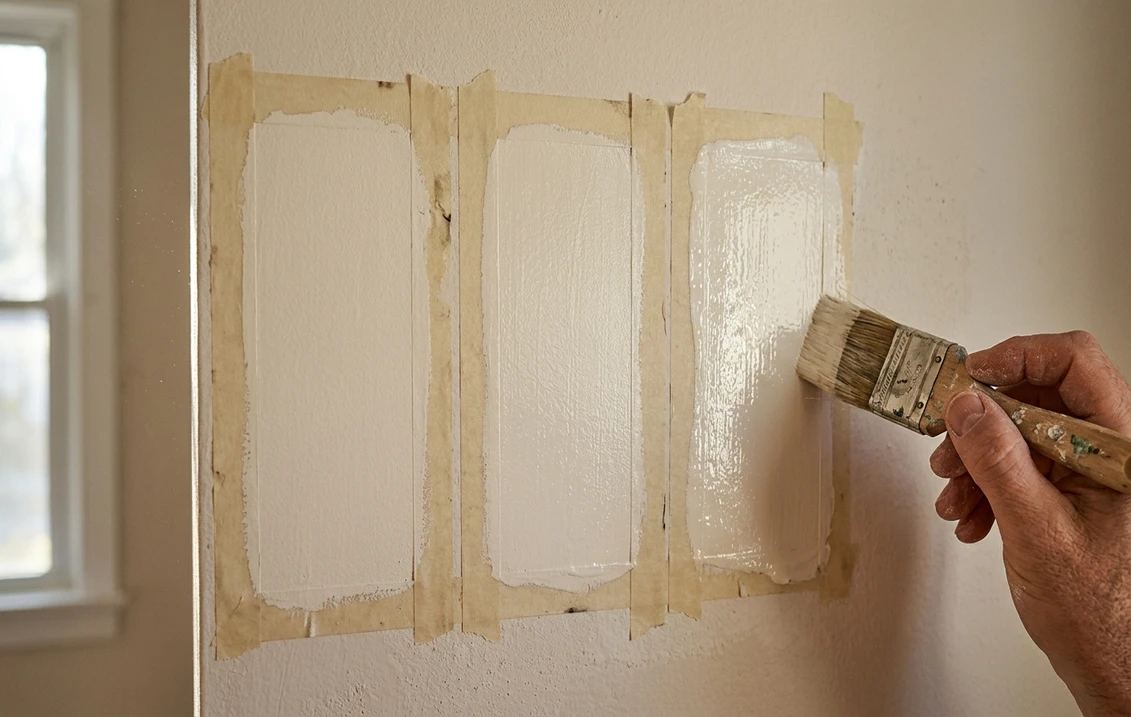
No photo? Try a sample
ProMar 200 vs ProMar 400: the one that is going away
Older quotes and older forum threads mention ProMar 400 as the budget option below ProMar 200. According to Prudent Reviews' comparison, which interviewed Sherwin-Williams store staff, ProMar 200 is "the superior paint with higher volume solids (thicker, better coverage), antimicrobial protection against mold and mildew, and greater durability", while "ProMar 400 is gradually being phased out, it's hard to find in anything besides flat finish and is described by Sherwin-Williams staff as 'bare minimum' quality". Translation for a homeowner: if a 2026 quote lists ProMar 400 for anything but a garage ceiling, ask why. ProMar 200 is now the floor of the professional line, and the real decisions are above it.
Upload a photo of the room, try two or three colors, free for the first simulation.
ProMar 200 vs SuperPaint: where the extra dollars go
SuperPaint is the line one step up, and the step is washability. Sherwin-Williams' SuperPaint Interior page claims "paint and primer in one", "excellent hide and durability" and "excellent scrubbability", in Flat, Satin, Velvet and Semi-Gloss, with a Lifetime Limited Warranty; the contractor line makes no scrubbability claim and carries no homeowner warranty, because it is sold to professionals. The Ann Arbor contractor Tribble Painting puts the practical difference in one line each: SuperPaint "is engineered for long-term durability, making it ideal for frequently touched surfaces", while ProMar 200 "wipes clean but can fade or rub off with excessive scrubbing" and "may require touch-ups sooner, especially in rooms with high traffic" (Tribble Painting, ProMar 200 vs SuperPaint). The same contractor prices both near 70 dollars a gallon at retail, with SuperPaint "slightly more"; the gap is wider for contractors, who buy ProMar 200 at volume discounts that retail customers never see.
That is the whole economics of the line in one paragraph. A contractor pays far less for the line than a homeowner would, gets a product that applies fast and touches up invisibly, and knows that on a ceiling or in a guest bedroom nobody will ever scrub it. The upgrade to SuperPaint costs the contractor more than it costs you at the counter, so expect to be asked to pay for it; ask for it anyway in the kitchen, the hallway, the bathroom and the kids' rooms, and keep the cheaper paint where hands do not go.
ProMar 200 vs Emerald: a question people search, with a short answer
"ProMar 200 vs Emerald" is a real search, and the honest answer is that they are not alternatives. Emerald Interior is Sherwin-Williams' top residential line: "exceptional scrub, stain, block, water spotting and burnish resistance", a matte that washes, Greenguard Gold certification and a Lifetime Limited Warranty, at roughly double the retail price of the contractor line, which is a volume product for professionals. The only case where the comparison is live is a whole-house repaint where the budget must choose between Emerald on a few walls or ProMar 200 everywhere; the usual contractor compromise is the 200 on ceilings and low-traffic rooms, SuperPaint or Duration Home in the working rooms, and Emerald only where the client insists on a washable matte. Our Emerald Interior review explains where the premium line earns its price, and our ranking of interior paint brands puts the whole Sherwin-Williams ladder against Behr and Benjamin Moore.
Zero VOC and the certifications: what they do and do not mean
"Zero VOC" on a Sherwin-Williams can refers to the base paint before tinting; colorants can add VOCs, which is why Sherwin-Williams also offers zero-VOC colorants and why deep colors in any brand may carry more than the white base. The certifications the line cites are the ones that matter on a commercial job: GREENGUARD (and GREENGUARD Gold for the HP version) tests chemical emissions in a chamber after application, LEED credits require documented low emissions, and MPI (the Master Painters Institute) lists products by performance category so a specifier can call for "MPI #44" or "MPI #138" and get a known quality level. For a homeowner the practical reading is that it is a sensible choice for a nursery or for someone sensitive to odors, as long as the color is tinted with zero-VOC colorant; our guide to low-VOC and zero-VOC interior paint explains the labels in detail, including the off-gassing timeline after the paint is dry.
Where ProMar 200 is the right call
- Ceilings. The flat is close to the ideal ceiling paint: good hide, no sheen to flash, touch-ups that vanish, and nobody scrubs a ceiling. Our ceiling painting cost guide covers the labor side.
- New construction and whole-house repaints before a sale. The touch-up behavior saves a coat after the other trades, and a low-sheen eggshell photographs well for listings.
- Rentals. A landlord repainting between tenants wants fast, cheap and consistent; ProMar 200 in one eggshell across every unit is exactly that, and the mildew-inhibiting film helps in bathrooms that tenants do not ventilate.
- Bedrooms, offices, closets, formal rooms. Low traffic, no splashes, no small hands: the washability gap to SuperPaint never shows.
- Commercial and light industrial spaces. That is what ProMar 200 HP is for, with the abrasion resistance and the MPI High Performance listing a facilities manager will ask about.
Where to spend more instead
Kitchens, bathrooms with showers, mudrooms, hallways, stairwells and children's rooms are the rooms where "wipes clean but can fade or rub off with excessive scrubbing" becomes a repaint in three years. In those rooms SuperPaint is the minimum, Duration Home the comfortable choice, and Emerald the washable-matte luxury; the sheen matters as much as the line, and our guide to interior paint finishes explains why the same paint in flat and in satin behaves like two products. Trim is the other place not to use it: a wall paint, even in semi-gloss, is not an enamel, and doors and baseboards want a product that levels and hardens.
How ProMar 200 shows up in a quote, and what to ask
A typical interior quote names the line once ("walls and ceilings: Sherwin-Williams ProMar 200, two coats") and the sheen rarely. Ask three questions. Which sheen, room by room: flat on ceilings, a low eggshell on walls, semi-gloss only where a wall paint is being used on trim, which you should also question. Is it the standard product or the HP: the HP is a different, tougher product and worth the small premium in working rooms. And what is the price difference to SuperPaint in the kitchen, hallway and bathrooms only: a good contractor will quote it without resistance, because the labor is identical and only the material changes. The same logic we laid out for the exterior line in our A-100 exterior paint guide applies inside: the entry-level professional paint is a fine product in the right place, and most complaints about it come from the wrong place.
Colors: every Sherwin-Williams color, in any line
The line is tinted to the full Sherwin-Williams palette, so the choice of line never limits the choice of color: Agreeable Gray, Alabaster, Accessible Beige or Evergreen Fog look the same whether the base is the contractor line or Emerald, with two caveats. Deep and saturated colors need more colorant, which can push a "zero VOC" base above zero and may need an extra coat for hide in any line; and a flat from this line in a dark color burnishes (shines where it is rubbed) faster than a premium flat, so keep the dark accent walls in an eggshell. Our guide to Sherwin-Williams interior colors covers the palette; the fastest way to settle the color is still to photograph the room and render two or three candidates on your own walls before the contractor orders the five-gallon pails.
Free preview on your photo, then pick the line with your contractor.
Sources and references
- Sherwin-Williams, ProMar 200 Zero VOC Interior Latex: product description, sheens, sizes, zero-VOC, anti-microbial and certification claims.
- Sherwin-Williams, ProMar 200 HP Zero VOC Interior Acrylic: commercial positioning, abrasion resistance, GREENGUARD Gold, LEED v4, MPI categories, sheens and sizes.
- Sherwin-Williams, SuperPaint Interior Acrylic Latex: paint-and-primer, scrubbability and warranty claims, sheens.
- Prudent Reviews, Sherwin-Williams ProMar 200 vs 400: volume solids, antimicrobial protection, ProMar 400 phase-out and store staff comments.
- Tribble Painting, ProMar 200 vs SuperPaint: a contractor's view of durability, washability, touch-up, price and rooms.
Frequently asked questions
Is Sherwin-Williams ProMar 200 good paint?
What is the difference between ProMar 200 and ProMar 200 HP?
ProMar 200 vs SuperPaint: which should I choose?
Is ProMar 400 still worth buying?
Trademarks mentioned (Sherwin-Williams, Benjamin Moore, Behr, Caparol, Brillux, Sto, Alpina, Valspar, PPG, Glidden, Dulux, Crown Trade, Sandtex, Farrow & Ball, Johnstone's, Leyland) are property of their respective owners. FacadeColorizer is independent and not affiliated with any of them. Nominative fair use under Lanham Act §1125.