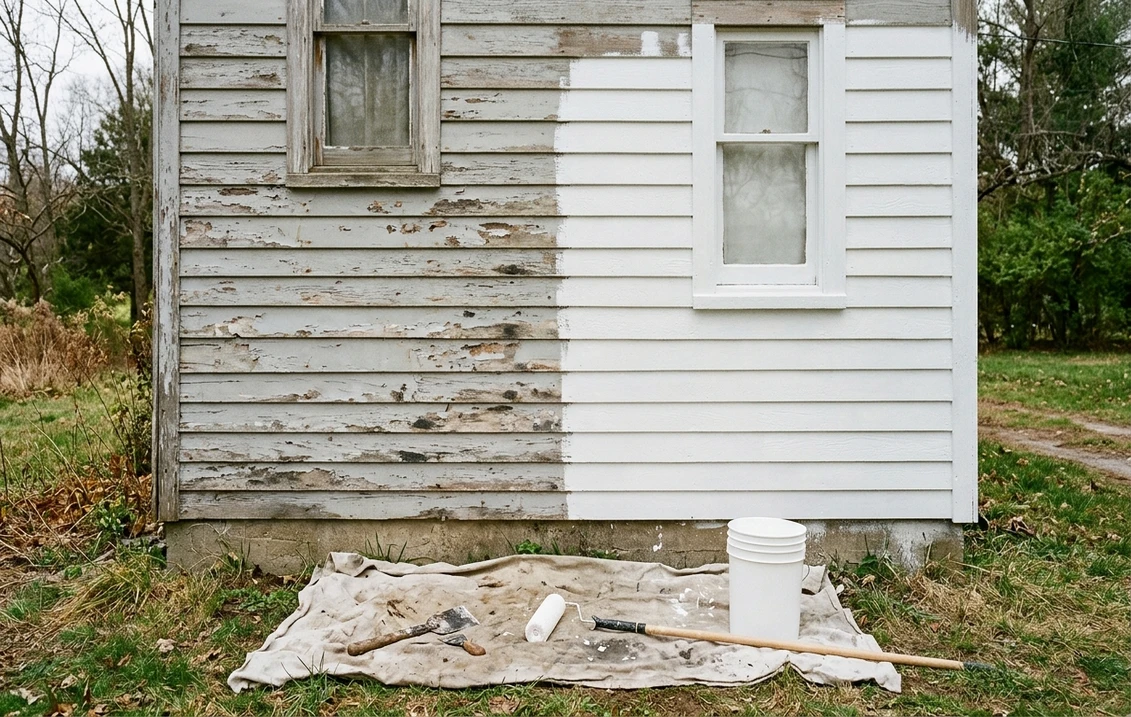
Try it on your house

Zinsser Peel Stop is a water-based binding primer for paint that is cracked, weathered or peeling at the edges. The version in Rust-Oleum's current US catalog, Peel Stop Triple Thick, dries white, goes on up to 30 mils wet, takes a latex or alkyd topcoat after 2 hours, and covers only 50 to 200 sq ft per gallon. It does not replace scraping: its own data sheet tells you to remove loose and peeling paint first, and it will not cure a wall that peels because water is getting in.
How this page works: every figure comes from manufacturer data sheets and product pages, and from EPA pages, read on November 1, 2026. Calculations are ours and labeled as such. No primer was applied for this page, and we list no store prices because we could not read a current US shelf price from a reliable source.
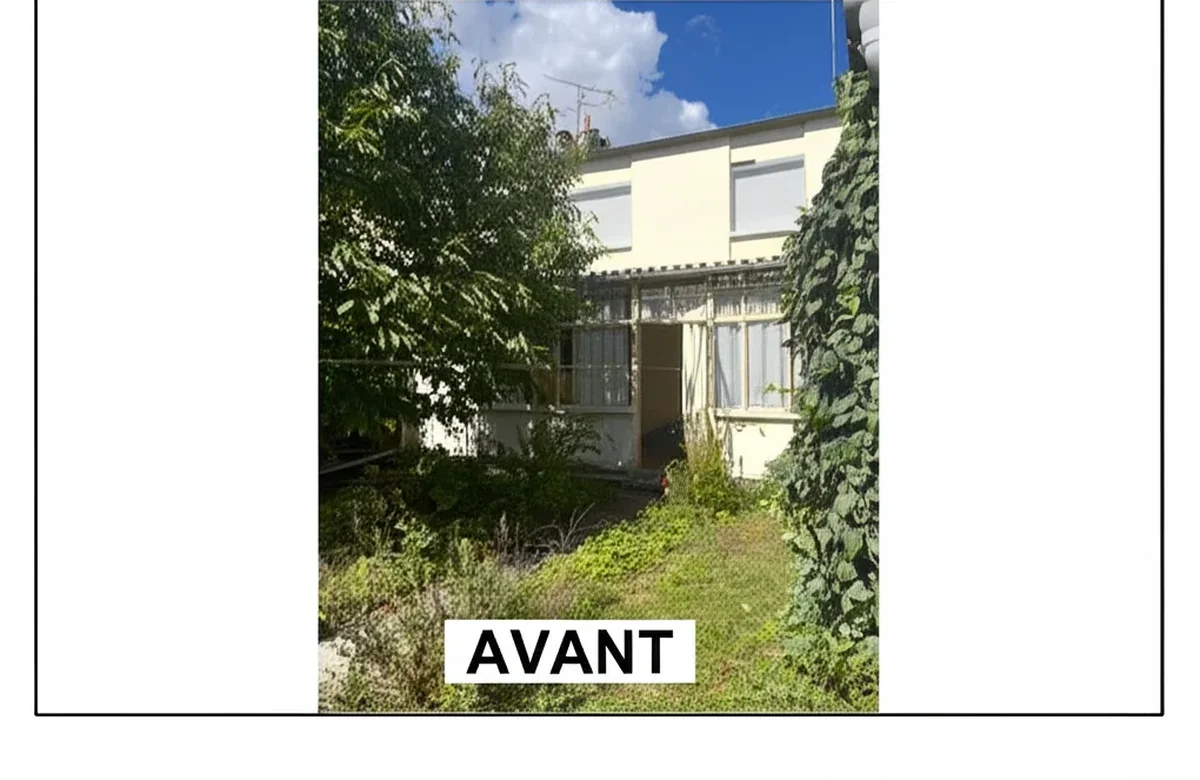
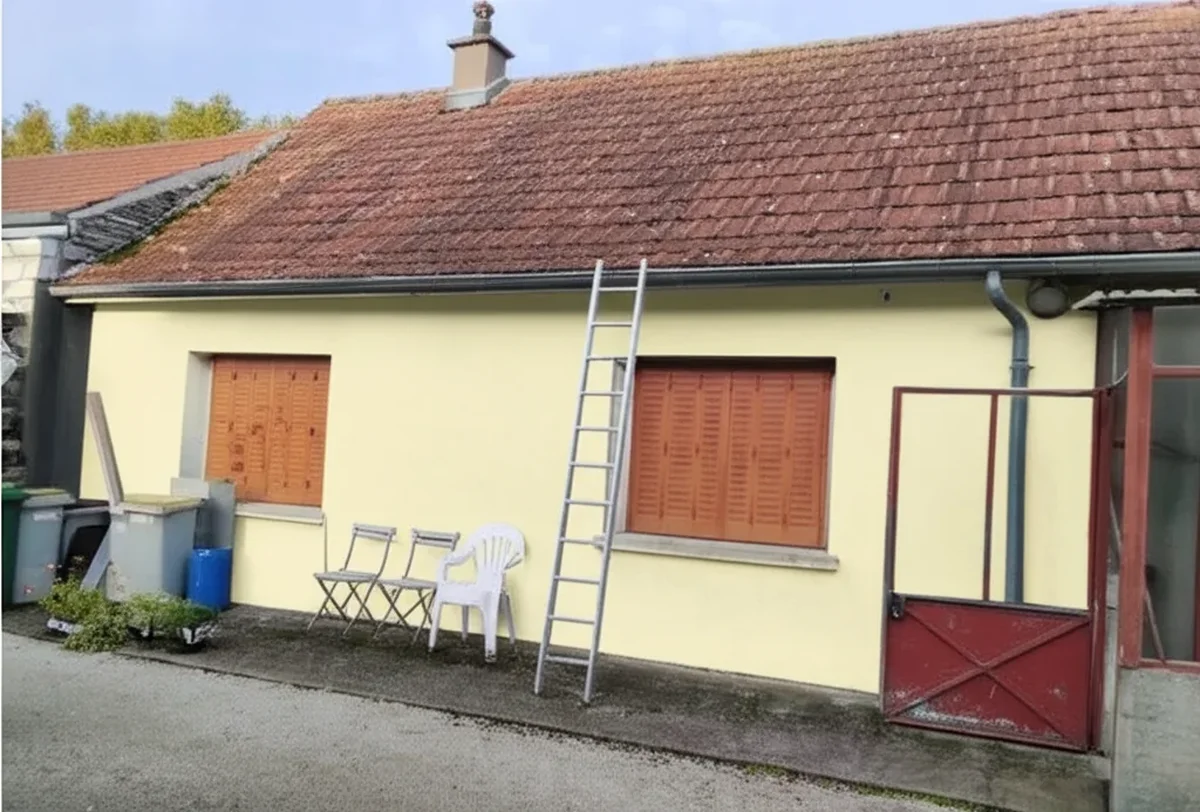
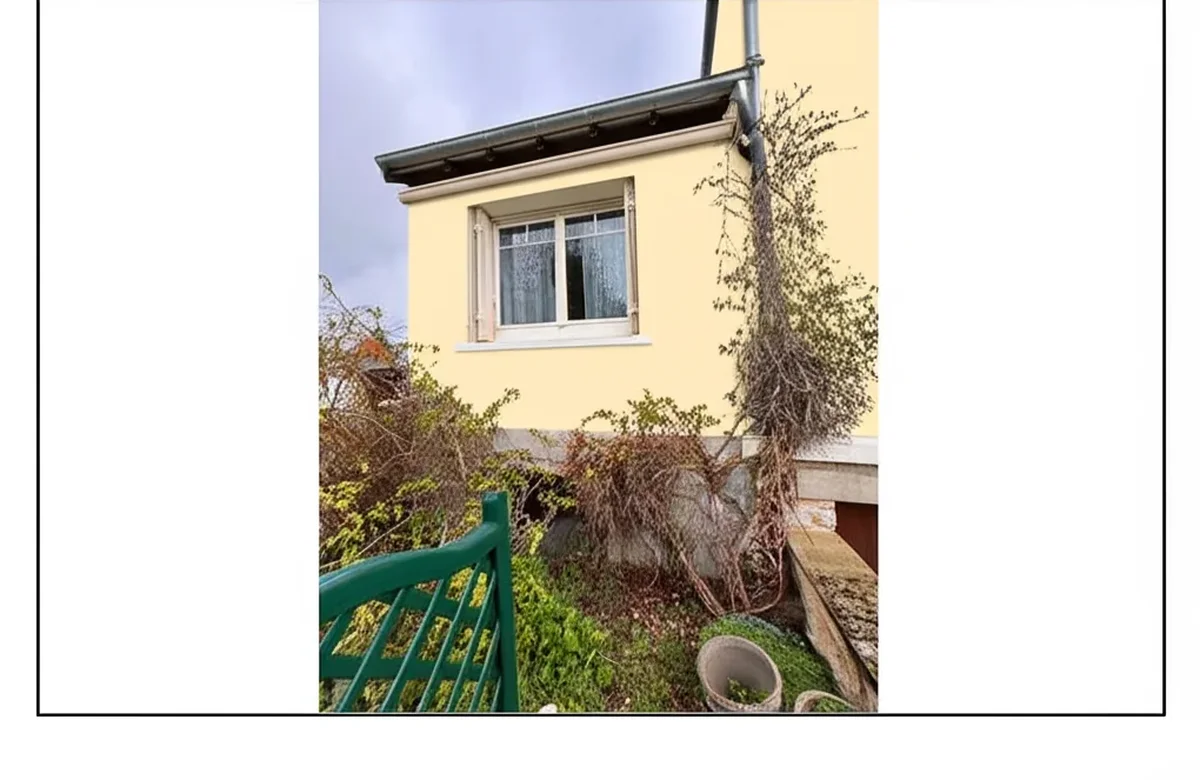
The tool shows a paint color on a photo of your house. It does not show the primer or repair the old paint. How it works: our exterior paint visualizer.
What a binding primer does, and what it does not
A binding primer has one job: lock down an old paint film that is still mostly attached but no longer healthy. Rust-Oleum's Peel Stop Triple Thick data sheet (PST-01, rev. 01/2022) describes "a water-based acrylic binding primer designed to penetrate and stop previous coatings from peeling". The thick film "fills and seals cracked, weathered, and peeling surfaces", and it stays flexible so it can move with wood and other exterior surfaces as they expand and contract.
The word to watch is "binding". A bonding primer in our guide to the four exterior primer types grips hard, glossy surfaces. A binding primer works on the failing edges and chalky residue of old paint. Manufacturers do not keep the words apart either: Insl-X and X-I-M both call their peeling-paint products bonding primers. So read what the sheet actually claims, not the word on the can.
There is also a gap between the marketing and the sheet. The Rust-Oleum product page opens with "Coat right over peeling paint". The data sheet says: "Scrape loose and peeling paint from the surface", then wash, then sand the remaining edges smooth. Follow the sheet. What Peel Stop can save you from is stripping sound paint down to bare wood, not the scraper.
Which Peel Stop is which: Triple Thick, clear, spray
"Peel Stop" covers three products with different numbers, and the one-word search "peelstop" mostly returns UK and Irish retailers selling a clear version in liters. Before you trust a coverage figure, check which product it belongs to. The clear version has its own US sheet, PST-02 (form revision dated November 2018), and an older Peel Stop technical bulletin sits on the company's Canadian site with a file date of January 2009. We could not find the clear version on a current rustoleum.com product page, so check that a store still stocks it and read the label on the can.
| Spec | Triple Thick (can) | Clear (PST-02) | Triple Thick spray |
|---|---|---|---|
| Resin | Water-based acrylic | Water-based vinyl acrylic copolymer | Kraton rubber, solvent-borne |
| Dries to | White | Clear, slight sheen | White ("goes on white") |
| Coverage per gallon | 50 to 200 sq ft | 300 to 400 sq ft, by surface porosity | 12 oz can; varies with surface |
| Air and surface temperature | 40 to 90°F | 50 to 90°F | 50 to 90°F |
| Touch dry / recoat | 30 minutes / 2 hours | 30 minutes / 2 hours | 30 minutes / 2 hours |
| Thinning | 10% water on the first coat over severe peeling | "Do not thin" in the 2009 bulletin; PST-02 is silent | Not applicable |
| Film build | Up to 30 mils wet per application | No high-build claim | 10 mils wet per coat, 30 total |
| Sizes | Quart, gallon, 5 gallons | Quart, gallon, 5 gallons | 12 oz aerosol |
Try it on your house
No photo? Try a sample
The Triple Thick spray sheet (PST-03) matters because the name hides a different chemistry: Kraton rubber in xylene, naphtha and butyl acetate, with a flash point of -156°F. It suits a small spot, away from any open flame. It is not the same product in a can, so the acrylic can's instructions do not transfer to it.
Peeling, chalking, alligatoring: when Peel Stop fits
Name the failure before you buy anything. Sherwin-Williams' page on peeling due to moisture outside the house lists the usual sources: worn caulk, clogged or ice-filled gutters, interior moisture migrating out, painted surfaces too close to the ground, leaking roofs, and paint applied over a damp surface. Primer fixes none of them. The clear Peel Stop bulletin says so outright: it is not for "surfaces where paint failure results from chronic or excessive moisture intrusion", and ongoing failure "may require complete removal of the existing coating system".
| What you see | What the documents say | Does a binding primer fit? |
|---|---|---|
| Flakes lifting at edges, old paint otherwise tight | Scrape what is loose, sand edges smooth (PST-01) | Yes, after scraping |
| Peeling that returns under gutters or low on the wall | Find the water source first (Sherwin-Williams) | Not until the leak is fixed |
| Chalk: white powder on your hand | Surface must be free of "excessive chalky material" (PST-01); clear version "penetrates and binds chalky residues" | Yes, after washing |
| Hairline cracks, face checking on wood | Fills and seals cracked surfaces (PST-01); "flexible bridging primer" (clear bulletin) | Yes |
| Alligatoring: scale pattern | Sources disagree, see below | Only if shallow and tight |
| Open gaps, nail holes, rot | "Not designed as a substitute for wood filler, caulk, or drywall mud" (PST-01) | No: fill, caulk or replace |
Alligatoring is where the sources split. The clear Peel Stop bulletin lists surfaces "that exhibit chalking, alligatoring and peeling" among its uses. Dunn-Edwards' paint problem solver on alligatoring says to scrape or sand the paint down to bare surface, or use a chemical remover. Our reading: a shallow pattern on paint that still passes an adhesion check is a candidate for a thick binding coat, and it may still telegraph through. Deep cracks through several layers point toward removal, and our paint stripping cost guide covers when that bill is worth paying.
Sherwin-Williams adds a practical check: test the coating in a 6 to 12 inch radius around any peeled area to confirm adhesion is adequate. Its homeowner guide to exterior peeling is also blunter than Rust-Oleum's page: "We do not recommend painting over cracked or peeling paint." Indoors, the causes and the product choice change: our guide to paint peeling off interior walls covers drywall, bathroom ceilings and calcimine.
Prep before Peel Stop, from the data sheet
- Stop the water. Repair failed caulk, gutters and roof leaks first. Our exterior caulk guide covers which type takes paint.
- Check for lead if the house predates 1978, before anyone scrapes (next section).
- Scrape loose and peeling paint, then sand the remaining film edges smooth.
- Wash with detergent or soap and water. For mold and mildew, the sheet recommends pressure washing with Zinsser Jomax. Our pressure wash cost guide compares soft wash and pressure wash.
- Sand gray wood. Bare wood exposed for more than 4 weeks should be lightly sanded to remove weathered fibers.
- Treat stains separately. The sheet sends water and wood-bleed stains to a stain blocker such as Zinsser Cover Stain, and knots and severe stains to B-I-N shellac primer as a spot prime, before Peel Stop.
- Let it dry completely, then test a small area for adhesion.
Lead paint: scraping comes first, and that is the risk
Every Peel Stop sheet carries the same warning: scraping, sanding or removing old paint can release lead dust, which is especially dangerous for children and pregnant women. A primer that promises less scraping can sound like a way around this, but the sheets we read do not present Peel Stop as a lead treatment. They tell you to protect yourself before you start.
On the legal side, EPA's Renovation, Repair and Painting program requires certification for anyone paid to disturb painted surfaces in homes, childcare facilities and preschools built before 1978. In general it does not apply to homeowners working on their own home, but it does if you rent out part of the house, run a childcare center there or flip homes for profit. EPA's contractor page exempts minor repair and maintenance that disturbs 20 sq ft or less on a building's exterior, and scraping a whole peeling wall will exceed that quickly.
If you do the work yourself, EPA's lead-safe guidance for DIYers is the place to start. Our guide to lead paint testing and removal in pre-1978 homes covers test options, and the pre-1978 repaint workflow walks through the 2026 compliance checklist for a paid job.
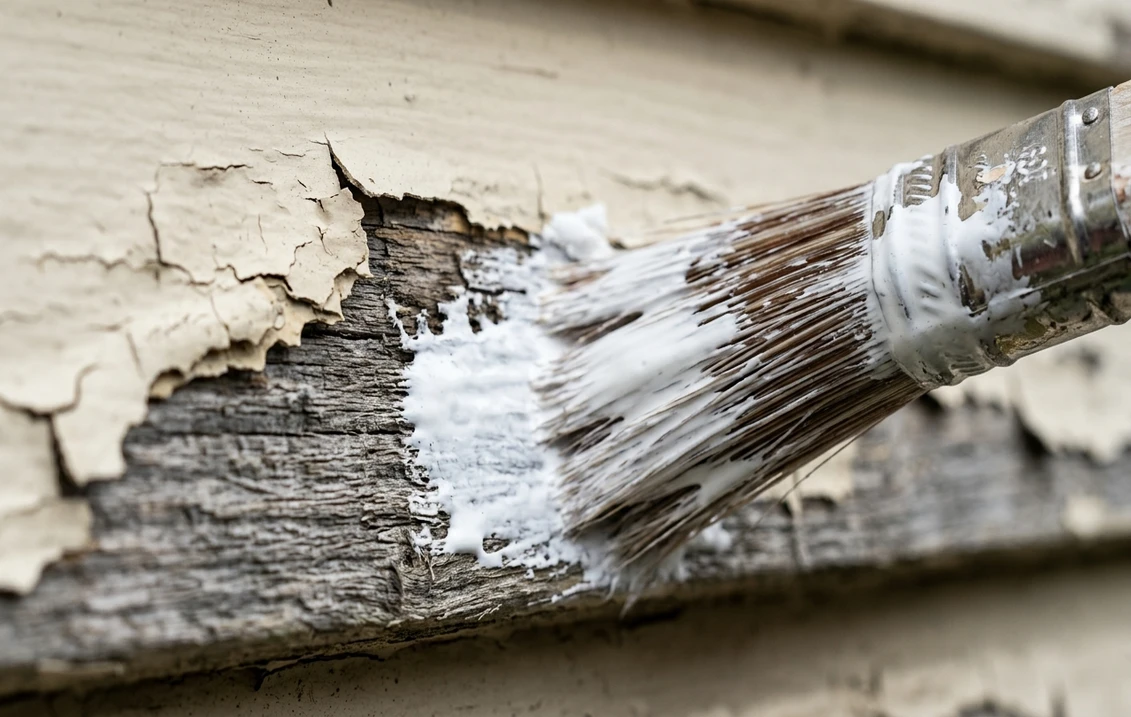
Applying Peel Stop Triple Thick
- Weather. Air, material and surface between 40 and 90°F, surface at least 5°F above the dew point, relative humidity no higher than 85%. Do not apply if rain is expected within 8 hours of priming or topcoating.
- Mix. Stir until settled pigment is re-dispersed.
- Brush. Synthetic bristles (nylon, polyester or a blend). Apply a thick coat and work it into peeling and cracked areas.
- Roller. A 1/2 inch nap, rolled on thick and worked into the same areas. Our exterior brush guide covers bristle choices for water-based products.
- Airless spray. A 0.015 to 0.017 inch tip at 2,000 to 2,500 psi, overlapping passes by 1 to 2 inches, then back-brush or back-roll into cracks and edges. See our exterior sprayer comparison before renting one for a primer this thick.
- Severe peeling. Thin the first coat with 10% water and work it into the old paint.
- Film limit. Up to 30 mils wet per application. The sheet warns that going past this can cause mud cracking or sagging.
- Coats. One coat in most cases, a second on very porous surfaces, or several thick coats to bridge uneven surfaces. For best results, prime the entire surface.
- Dry time. Touch dry in 30 minutes, ready for primer or paint in 2 hours at 70 to 80°F and 50% humidity. If conditions slow drying, the sheet says to leave it overnight. The older clear bulletin adds that primer seeped under paint edges takes longer than the surface film and that full adhesion develops over 7 to 10 days. PST-01 gives no cure figure for Triple Thick.
- Cleanup. Soap and warm water. Wash tools immediately after use.
How much Peel Stop to buy
The coverage number surprises people. Rust-Oleum's practical figure of 50 to 200 sq ft per gallon assumes 15% material loss and depends on application method and surface porosity. Here is why the range is so wide, by our calculation: one gallon is 231 cubic inches, enough for about 1,604 sq ft at 1 mil wet before losses. At the 30 mil maximum, that drops to about 53 sq ft. At 8 mils wet it is about 200 sq ft. With the sheet's 23.9% volume solids, a 30 mil wet coat dries to about 7 mils.
Compare that with Zinsser Bulls Eye 1-2-3 (TDS BEY123-01, rev. 02/2025) at about 400 to 450 sq ft per gallon. A thick Peel Stop coat can use around eight times as much primer per square foot, so it pays to limit it to the areas that need it, unless the sheet's whole-surface advice fits your wall.
| Area, one coat (our calculation) | Thick, rough surface (50 sq ft/gal) | Middle case (100 sq ft/gal) | Thin, tight surface (200 sq ft/gal) |
|---|---|---|---|
| 100 sq ft (a bad wall section) | 2 gal | 1 gal | 0.5 gal |
| 500 sq ft (one elevation) | 10 gal | 5 gal | 2.5 gal |
| 1,500 sq ft | 30 gal | 15 gal | 7.5 gal |
Surfaces and limits
Listed on PST-01, inside and out: previously painted wood, wood siding, windows, baseboards, doors, fences, walls, foundations, laminated wood, trim, PVC and plastic, plywood, brick, stucco, masonry, concrete, plaster, aluminum siding, metal gutters and downspouts, galvanized steel and fiberglass. The spray sheet and the clear bulletin also name vinyl siding. If you plan a darker color on vinyl, primer does not change the heat question covered in our vinyl siding paint or replace guide.
Not recommended: floors, decks, surfaces subject to immersion or prolonged contact with water, below-grade applications, and polyethylene, polypropylene, Teflon or nylon. Rotted boards are a repair job rather than a primer job, and our siding repair vs replacement guide helps with that call.
MPI listing. PST-01 states "MPI #17 Certified" and refers you to the MPI website for the current listing. On November 1, 2026, the MPI #17 approved products list showed X-I-M Peel Bond and Bulls Eye 1-2-3, but no product under the Peel Stop name. If a specification requires MPI #17, confirm this with MPI or Rust-Oleum.
Peel Stop vs other peeling-paint primers
Two direct alternatives publish full specs: X-I-M Peel Bond (XIM-02, rev. 08/2022), also from Rust-Oleum, and Insl-X High Build Peel Bonding Primer BP-1100 from Benjamin Moore. Bulls Eye 1-2-3 is included as the general-purpose baseline. It is not sold as a peeling-paint primer. Rust-Oleum also lists Zinsser ALLPRIME High Build Bonder, sold only through ALLPRO member paint retailers.
| Spec | Peel Stop Triple Thick | X-I-M Peel Bond | Insl-X BP-1100 | Bulls Eye 1-2-3 |
|---|---|---|---|---|
| Dries to | White | Hazy clear | White (applies milky white) | White |
| Maximum wet film | 30 mils | 25 to 30 mils | 20 mils | No high-build claim |
| Coverage per gallon | 50 to 200 sq ft | 50 to 100 sq ft | 150 to 350 sq ft; 80 at 20 mils | 400 to 450 sq ft |
| Application temperature | 40 to 90°F | 40 to 100°F | 35 to 90°F | 35 to 90°F |
| Maximum humidity | 85% | 90% | No figure on the sheet | Below 85% |
| Topcoat wait | 2 hours | 1 to 2 hours, once hazy clear | Recoat at 2 hours | 1 hour |
| Topcoats named | Latex or alkyd | Water-based latex or elastomeric only; no alkyd | Water-based recommended | Oil or latex |
| Tinting | No instruction on the sheet | Up to 2 oz per gallon | Up to 2 fl oz per gallon | Up to 2 oz per gallon |
| VOC | <100 g/l | <100 g/l | <50 g/l | <100 g/l |
| Loose paint | "Scrape loose and peeling paint" | "Will not reattach loose or peeling paint" | Works over "marginally prepared" surfaces; removal increases longevity | "Remove any peeling and/or unsound coatings" |
The sheets lead to a few plain choices. This is our reading of the specifications, not a performance test:
- Oil-based or alkyd finish coat planned: Peel Stop Triple Thick. X-I-M tells you not to use one, and Insl-X recommends water-based. Our latex vs oil-based exterior paint guide compares the two chemistries.
- Cold shoulder-season days: Insl-X and Bulls Eye go down to 35°F, Peel Stop Triple Thick and X-I-M to 40°F.
- Humid days: X-I-M lists the highest limit, 90%.
- You want a white base over the old color: Peel Stop dries white. X-I-M dries hazy clear.
- Sound paint with no peeling: no need for a binding primer. A general primer such as Bulls Eye 1-2-3 covers far more per gallon.
- Hard, glossy old enamel with no peeling: a bonding primer, as covered in our exterior primer types guide.
After the primer: color and sheen
Peel Stop's white film provides, as the sheet puts it, contrast for the finish coats, and it promises a smoother, more uniform surface rather than a new one. Our satin vs semi-gloss exterior guide and exterior paint finish guide help you pick a sheen. Try your choice on a small primed section first and judge how the old surface reads under it. For the color itself, start with our guide to choosing an exterior house color.
Decide the color before the repaint starts
Upload a photo of your house and try finish colors on it. The preview shows color only: it does not show primer, or how the old surface will read under the new paint.
Try colors on my houseSources and references
- Rust-Oleum, Peel Stop Triple Thick Primer data sheet PST-01, rev. 01/2022: resin, coverage, dry times, prep, limits, MPI statement.
- Rust-Oleum, Peel Stop Triple Thick product page: product claims.
- Rust-Oleum, Peel Stop Triple Thick Spray data sheet PST-03: rubber resin, solvents, flash point, coat limits.
- Rust-Oleum, PST-02 Peel Stop Clear Binding Sealer (rev. 11/2018): clear version specs, moisture limitation. Rust-Oleum Canada, Peel Stop clear binding primer bulletin (file dated 2009): thinning, adhesion cure.
- Rust-Oleum, X-I-M Peel Bond data sheet XIM-02, rev. 08/2022: comparison specs and topcoat limits.
- Rust-Oleum, ALLPRIME High Build Bonder page: retail channel.
- Rust-Oleum, Bulls Eye 1-2-3 data sheet BEY123-01, rev. 02/2025 (manufacturer sheet hosted by a distributor): baseline coverage and dry times.
- Benjamin Moore, Insl-X High Build Peel Bonding Primer BP-1100 data sheet and product page: comparison specs.
- Master Painters Institute, MPI #17 approved products list: listed products on the reading date.
- Sherwin-Williams, Peeling due to moisture (outside) and How to fix exterior paint peeling: moisture causes and adhesion check.
- Dunn-Edwards, Alligatoring: definition, causes and removal advice.
- U.S. EPA, Lead Renovation, Repair and Painting Program, RRP information for contractors and Lead-safe renovations for DIYers: scope, homeowner exception and the 20 sq ft exterior threshold.
Frequently asked questions
Can you apply Zinsser Peel Stop over peeling paint without scraping?
Is Zinsser Peel Stop clear or white?
How long does Peel Stop take to dry before painting?
How much does a gallon of Peel Stop cover?
Can Peel Stop be used on exterior siding, stucco or decks?
Is Peel Stop safe to use on lead paint?
Trademarks mentioned (Sherwin-Williams, Benjamin Moore, Behr, Caparol, Brillux, Sto, Alpina, Valspar, PPG, Glidden, Dulux, Crown Trade, Sandtex, Farrow & Ball, Johnstone's, Leyland) are property of their respective owners. FacadeColorizer is independent and not affiliated with any of them. Nominative fair use under Lanham Act §1125.